A hotel corridor, reception wall, or active family entryway asks far more of a wall finish than a quiet guest room. Is fabric backed wallpaper durable enough for these demanding spaces? When specified and installed correctly, it is one of the most dependable decorative wallcovering options available – particularly for commercial, hospitality, retail, and high-use residential interiors.
Its strength does not come from pattern alone. Fabric-backed wallcovering is engineered as a performance material, combining a decorative surface with a woven textile backing that adds stability, resistance to tearing, and a more substantial feel on the wall. Still, durability is not a single feature. The finish, traffic level, wall condition, adhesive, cleaning routine, and installation quality all shape how well the wallcovering performs over time.
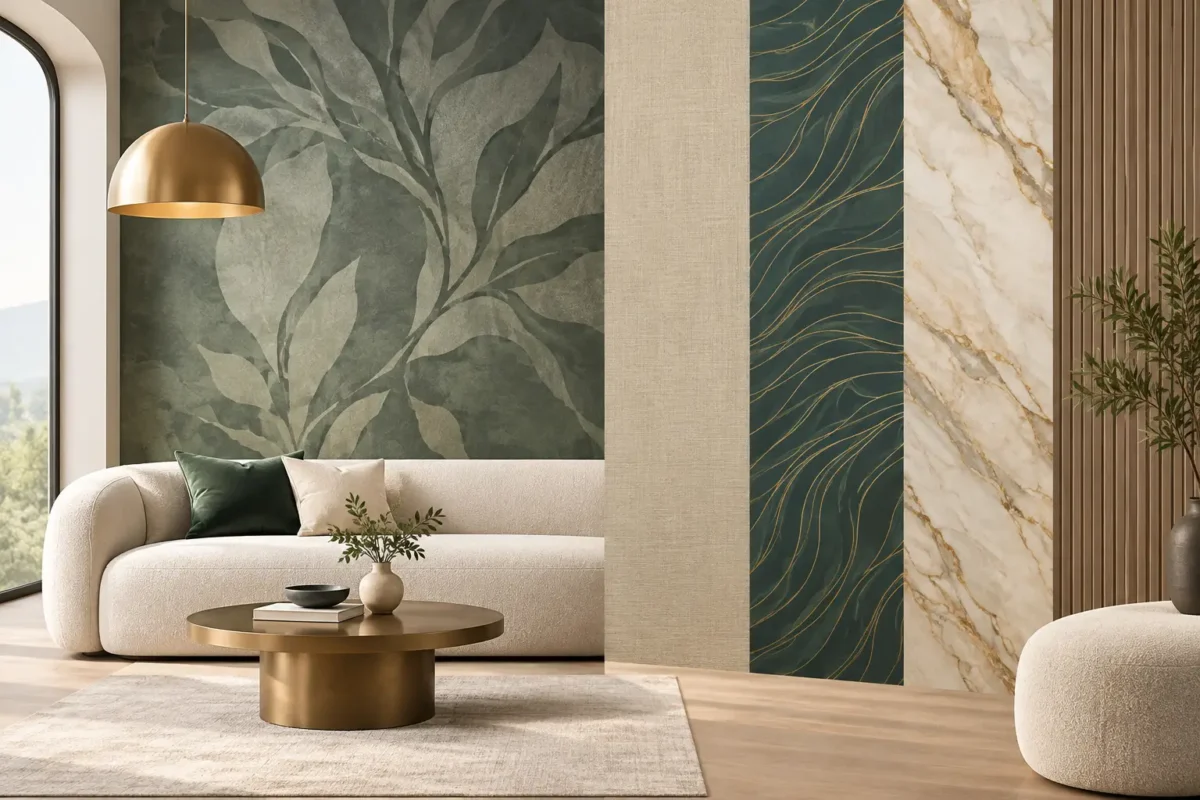
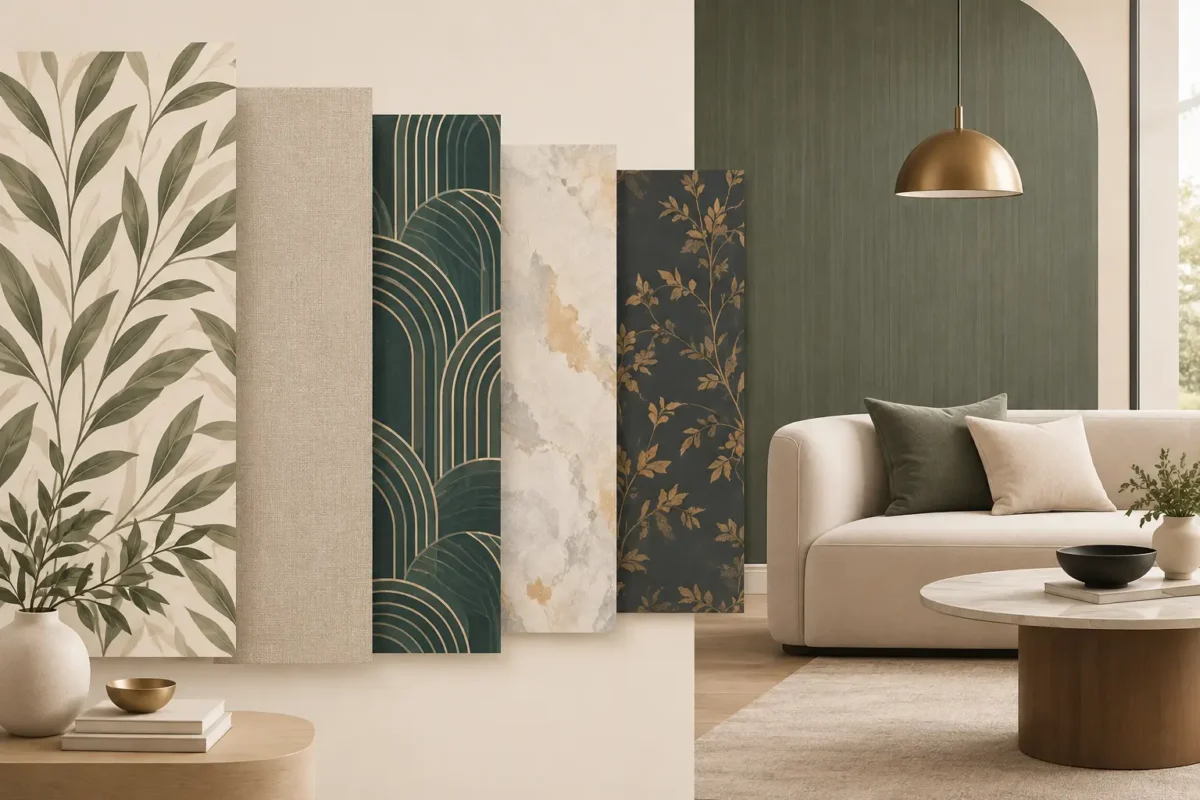
Fabric-backed wallpaper, often called fabric-backed vinyl wallcovering, usually has a decorative vinyl face laminated to a woven fabric backing. That backing is commonly made from cotton, polyester, or a blended textile construction. It gives the material more dimensional stability than standard paper-backed wallpaper and helps it hold its shape during installation and throughout daily use.
The vinyl surface is equally important. It offers a protective, cleanable layer designed to stand up better to scuffs, incidental contact, and light moisture than many residential papers. For spaces where walls are regularly touched, brushed by bags, or cleaned by staff, this surface can make a visible difference.
A well-made fabric-backed wallcovering also tends to conceal minor wall irregularities better than thinner wallpaper. It has weight and body, creating a more polished finish over large wall areas. That does not eliminate the need for wall preparation, but it can be a practical advantage in renovation projects where the substrate is not perfectly uniform.
Yes, fabric-backed wallpaper is often selected specifically for commercial settings because it is built for sustained use. Offices, hotels, restaurants, clinics, retail environments, and multifamily developments need wall finishes that support the design vision while controlling maintenance demands. A premium wallcovering can deliver both.
For project specifications in the United States, commercial wallcoverings are often categorized by duty level. Type I is generally intended for lighter commercial use, Type II for medium-duty interiors, and Type III for heavy-duty environments. The right category depends on how the space operates. A private executive office and a busy elevator lobby should not automatically receive the same specification.
In high-traffic areas, the most durable choice is typically a commercial-grade fabric-backed vinyl with a suitable wear rating, a washable or scrubbable finish where needed, and a design that will continue to look considered after everyday contact. Textured finishes can be particularly forgiving because they make minor marks less noticeable than flat, pale, high-sheen surfaces.
Durability also supports the long-term visual standard of a property. Rather than repainting walls frequently after scuffs or surface wear, a properly specified wallcovering can maintain a refined, finished look for years. For hospitality and branded commercial interiors, that consistency matters.
Not all fabric-backed wallpapers have the same protective qualities. A vinyl-faced wallcovering is usually more resistant to cleaning and abrasion than a natural textile wallcovering with an exposed fabric surface. Both can be beautiful, but they serve different purposes.
Vinyl wallcoverings are a strong fit for corridors, dining rooms, reception areas, offices, and guest-room entry zones. Natural grasscloth, silk, linen, and other delicate textile finishes are better reserved for lower-contact feature walls, private suites, or spaces where visual texture takes priority over washability.
This distinction is especially valuable for designers. A project can use a highly tactile natural wallcovering behind a concierge desk or in a boardroom, then continue the palette into circulation spaces with a coordinated, fabric-backed vinyl. The result feels cohesive without placing a delicate finish where it will work too hard.
Fabric-backed wallpaper is a versatile option, but it is not a universal answer for every wall. It performs exceptionally well in dry, climate-controlled interiors with regular human traffic. Corporate offices, hotel rooms, apartment common areas, retail displays, restaurants, lounges, and upscale residential spaces are all natural applications.
At home, it is particularly effective in living rooms, dining rooms, hallways, bedrooms, home offices, and powder rooms with adequate ventilation. It can create the impact of a custom-designed surface while offering more protection than many lightweight decorative wallpapers.
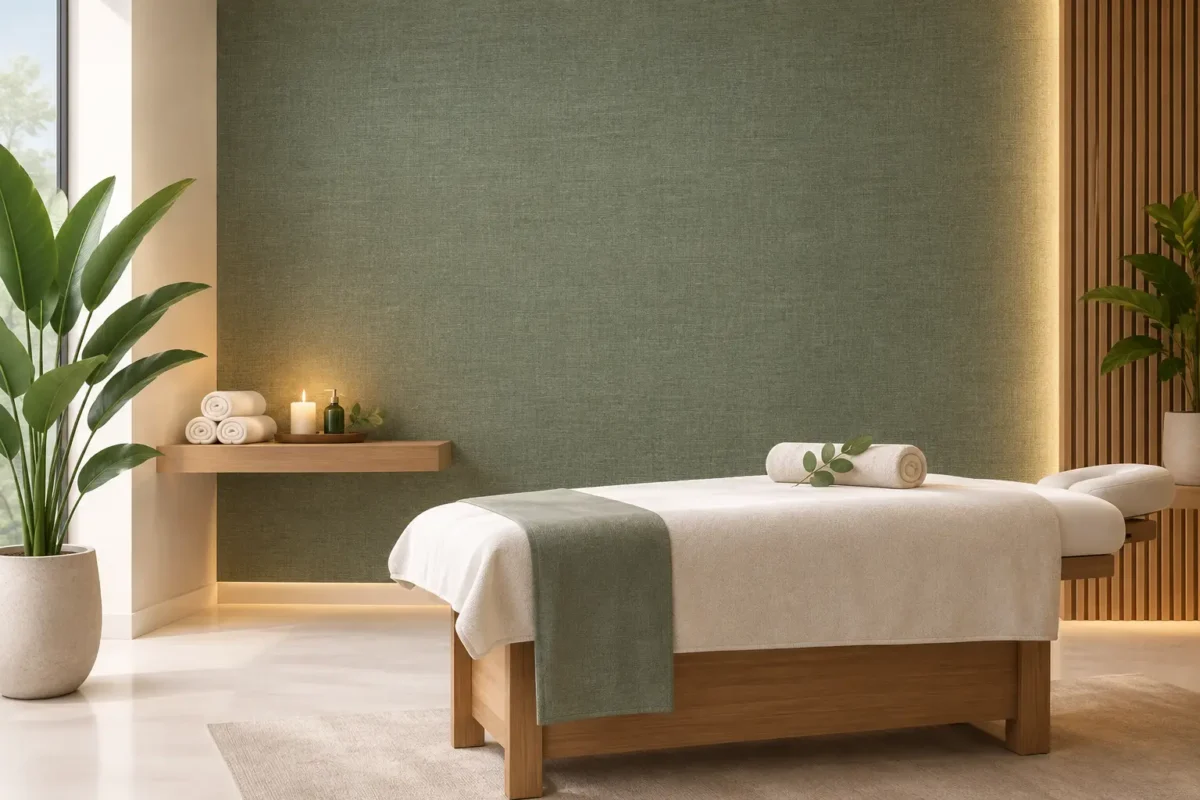
Bathrooms, spa wet zones, shower surrounds, and walls with known moisture intrusion require more caution. Even a durable vinyl face cannot compensate for persistent dampness behind the wallcovering. Moisture can weaken adhesive, encourage mold growth, and cause seams to lift. In these locations, the wall system and ventilation must be assessed before any wallcovering is selected.
Likewise, highly exposed service areas may call for another finish altogether. Commercial kitchens, areas directly behind sinks, and walls subject to harsh chemical cleaning need materials chosen for those exact conditions. Premium design is strongest when the material matches the environment, rather than when one product is forced into every application.
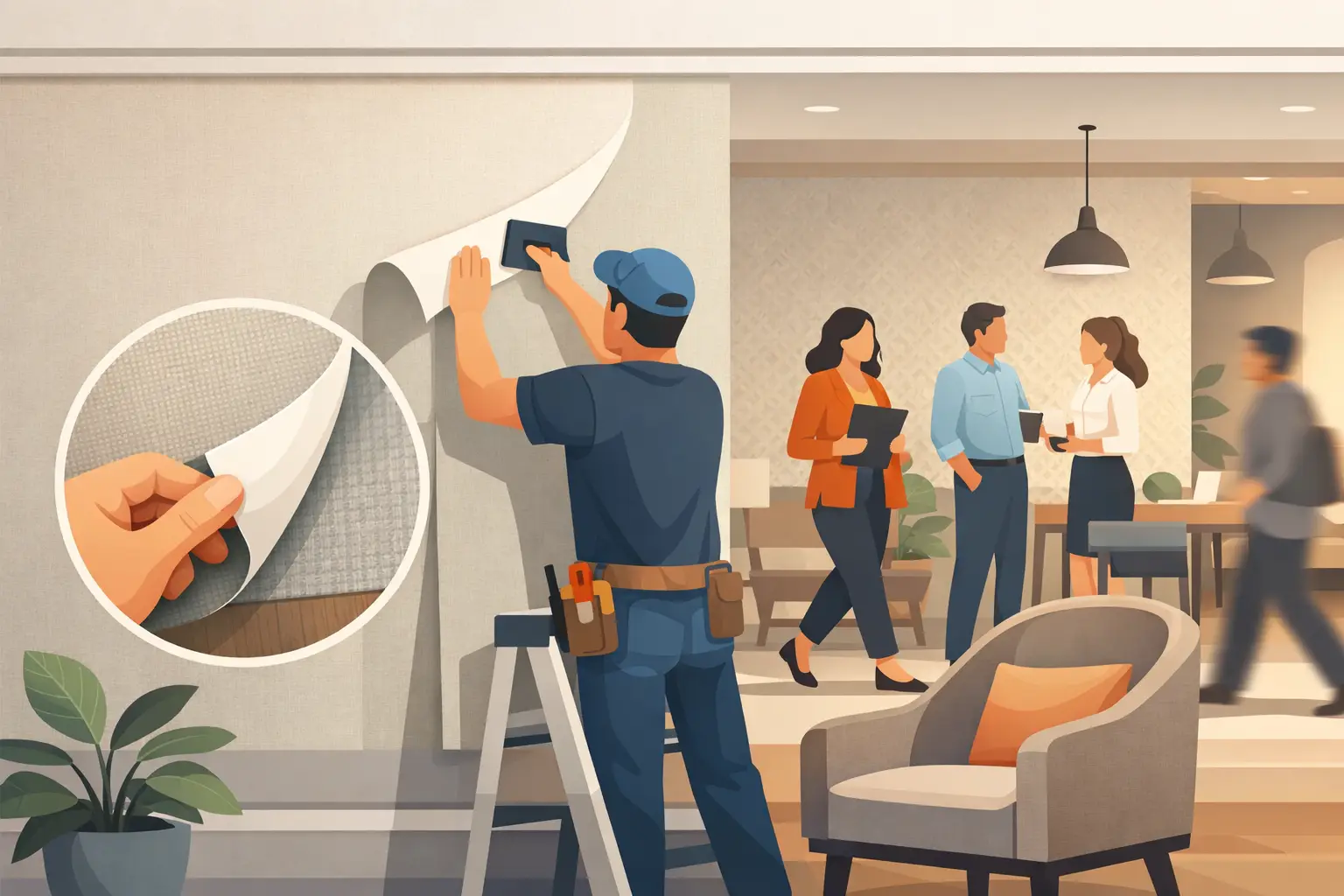
A high-performance wallcovering can fail early if the wall is poorly prepared or the installer uses the wrong adhesive. Fabric-backed materials are substantial, and they demand professional handling from the first measurement through the final seam.
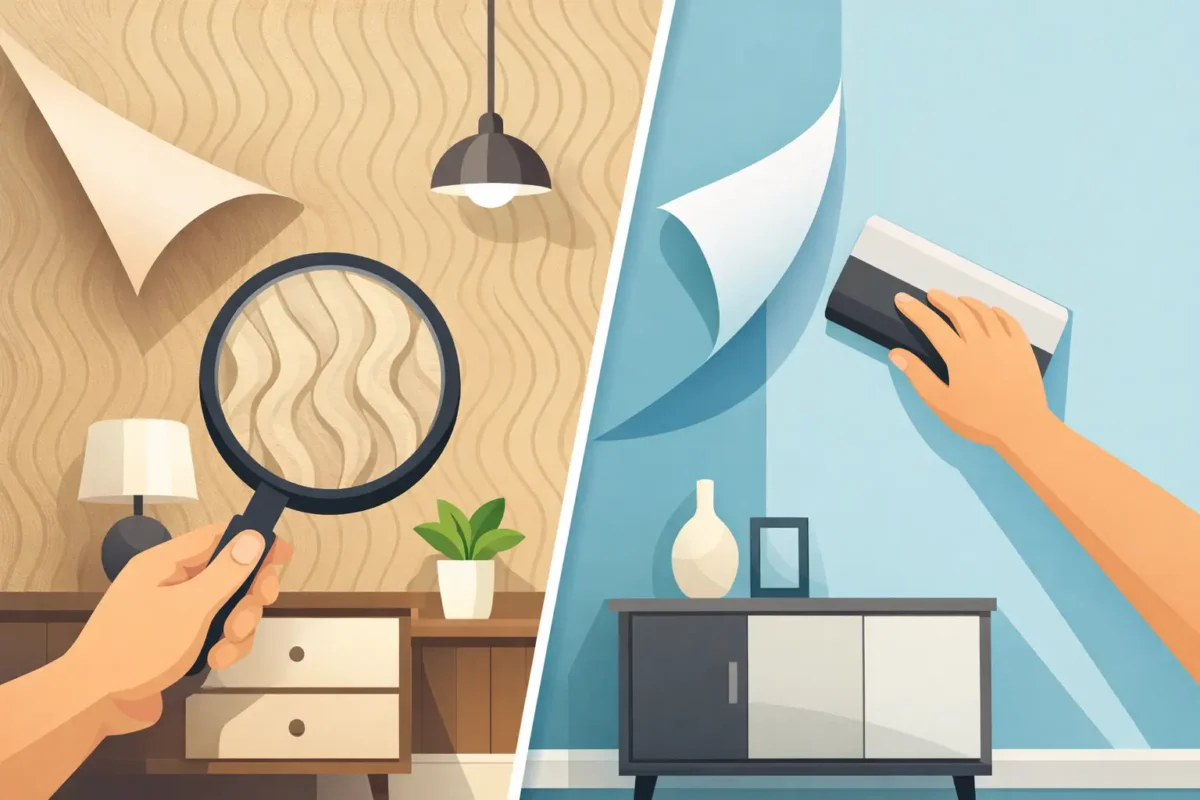
The substrate should be clean, dry, smooth, sound, and properly primed. Old adhesive residue, loose paint, cracks, dust, or unsealed porous surfaces can affect bond strength and create visible imperfections. Moisture testing may be appropriate for ground-floor walls, recently renovated spaces, or any location with a history of water damage.
Professional installation also protects the visual quality of the design. Straight pattern alignment, clean seams, properly wrapped corners, and careful trimming around electrical points are not small details. They determine whether a statement wall feels tailored or unfinished.
For large commercial projects, consistent installation standards matter across every room and floor. Decorating Depot approaches wallcovering as a complete surface solution, pairing curated materials with professional installation to help ensure that the final result performs as beautifully as it looks.
Seams are the most common area where wallcovering performance becomes visible. They may lift if there is excess humidity, inadequate adhesive, poor wall preparation, or repeated cleaning with too much water. This is not unique to fabric-backed wallpaper, but heavier materials make correct installation especially essential.
A skilled installer allows the wallcovering to relax as required, uses the adhesive recommended for the product and substrate, and manages seam pressure carefully. Once installed, seams should be cleaned gently rather than saturated. Small maintenance habits can prevent a minor issue from becoming a replacement project.
Routine care is straightforward, but it should follow the manufacturer’s cleaning guidance. For most vinyl-faced fabric-backed wallcoverings, regular dusting with a soft cloth or vacuum brush attachment is enough to keep the surface fresh. When a mark appears, use a soft sponge or cloth with mild soap and clean water, then dry the area gently.
Avoid abrasive pads, strong solvents, bleach, and aggressive degreasers unless the product documentation specifically permits them. These can dull the finish, affect printed color, or damage textured surfaces. Test any cleaning method in a discreet area first, especially on dark colors, metallic designs, or embossed patterns.
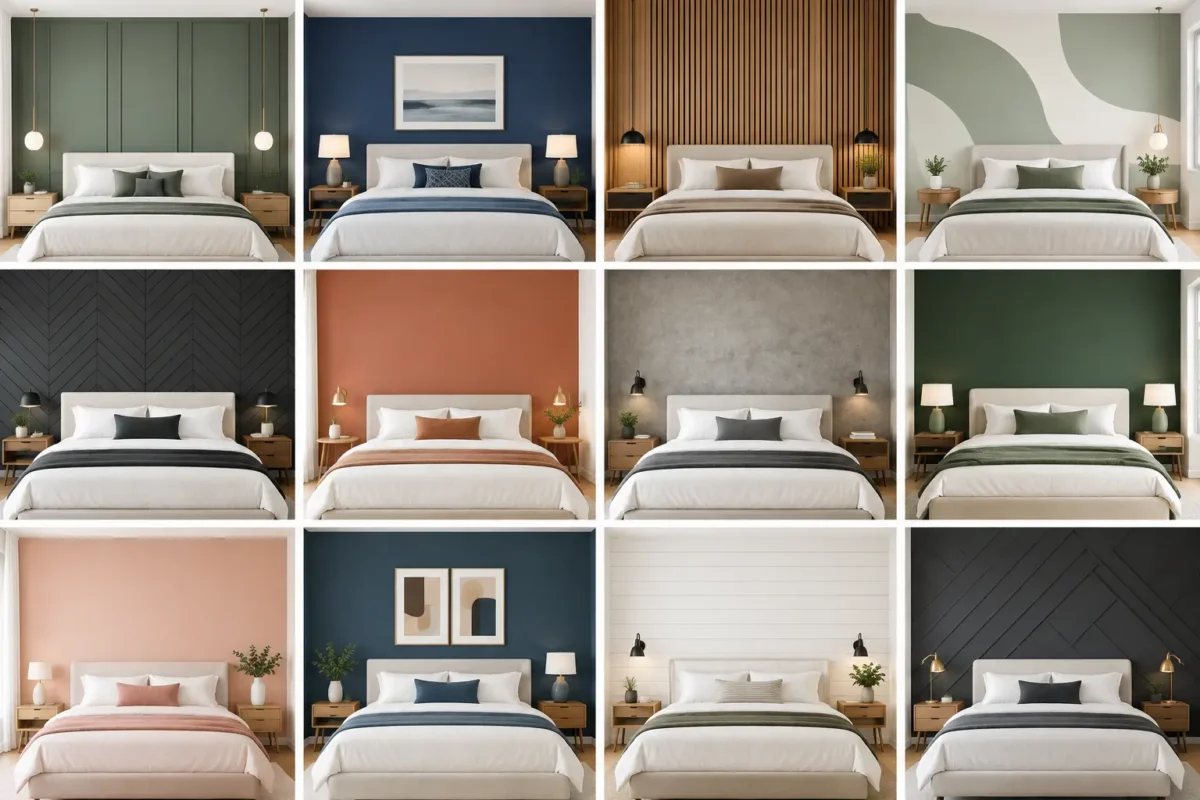
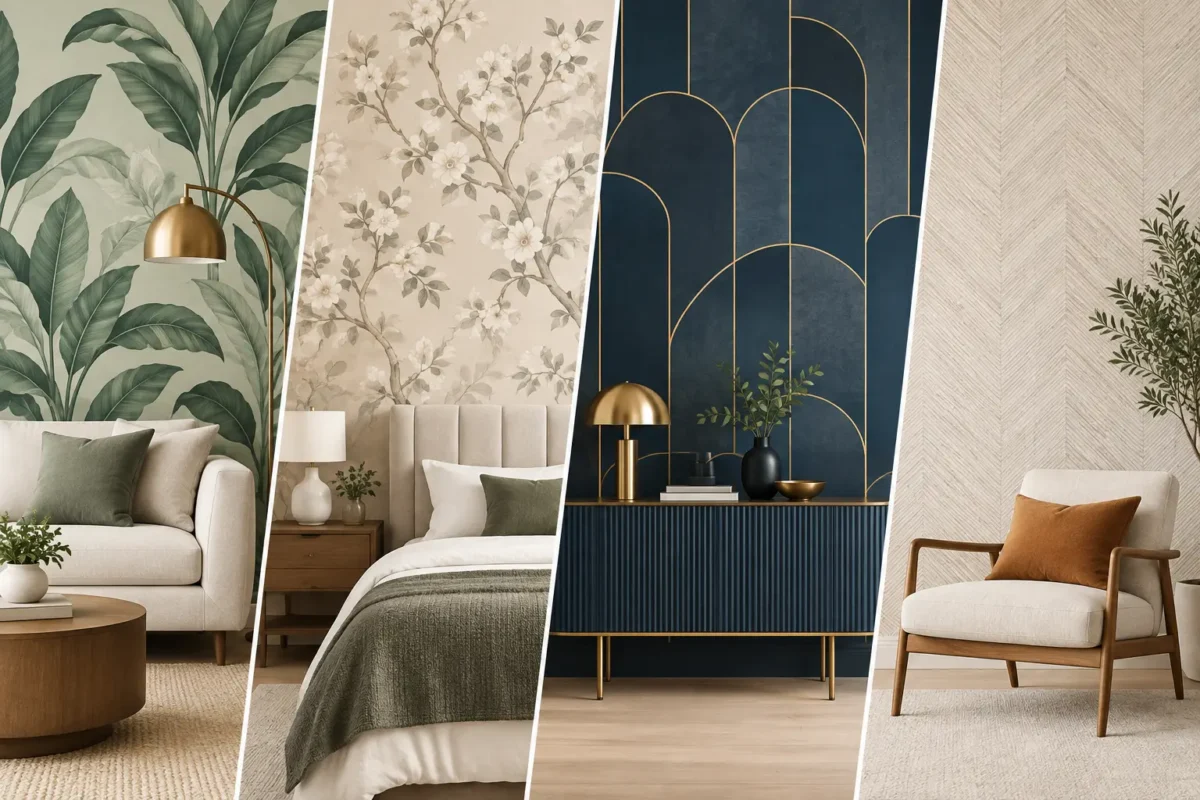
Color selection also affects perceived longevity. Soft neutrals, layered textures, mid-tone patterns, and dimensional finishes often disguise everyday marks better than solid white or very dark matte surfaces. This is not a reason to avoid bold design. It is a reason to choose bold design with the setting in mind.
Sun exposure deserves similar consideration. Prolonged direct sunlight can affect many decorative finishes over time. Window treatments, UV-filtering glazing, or a thoughtful placement strategy can help preserve the intended color and depth of the wallcovering.
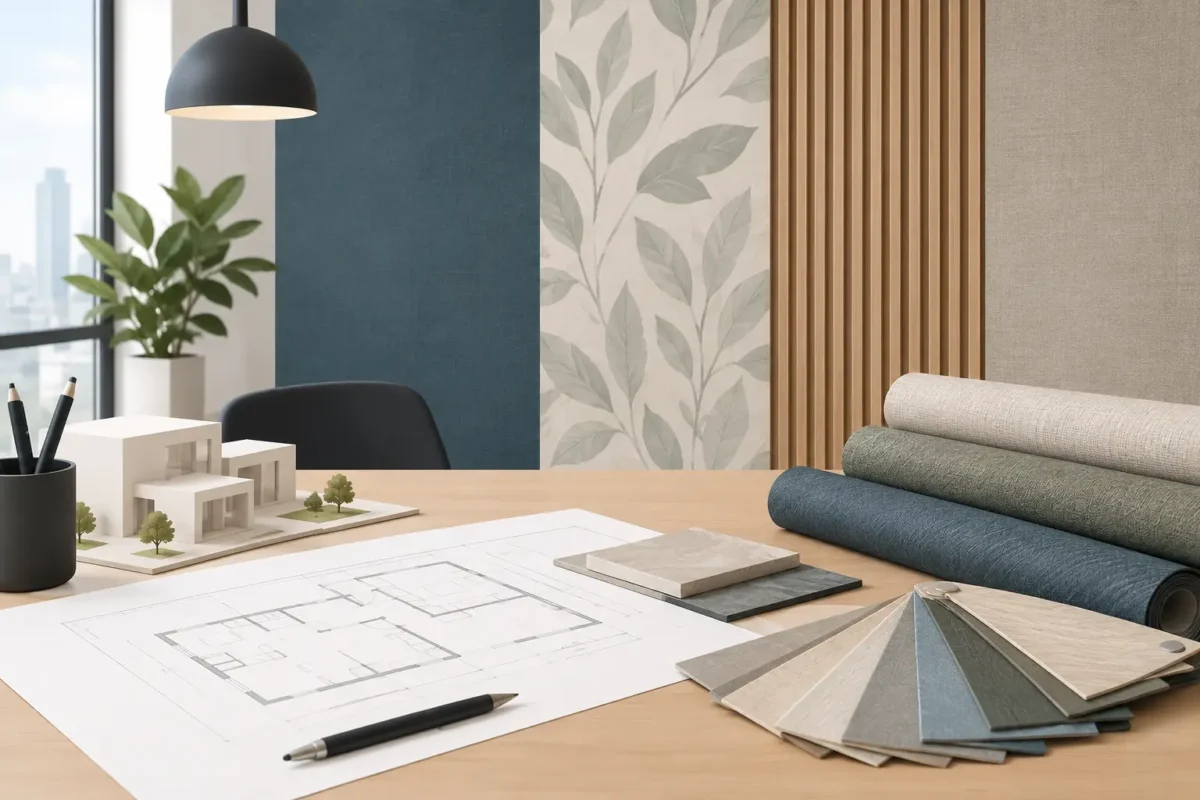
The most successful projects start with a clear brief. Consider the expected traffic, cleaning frequency, humidity level, wall condition, and desired lifespan. Then look beyond the pattern sample and ask for technical information on the material’s composition, cleanability, abrasion performance, fire requirements, and recommended adhesive.
Fire performance should be reviewed against the applicable local building code and project requirements. Do not assume that every fabric-backed product carries the same certification or is suitable for every public setting. A product’s tested performance, documentation, and installation method all matter.
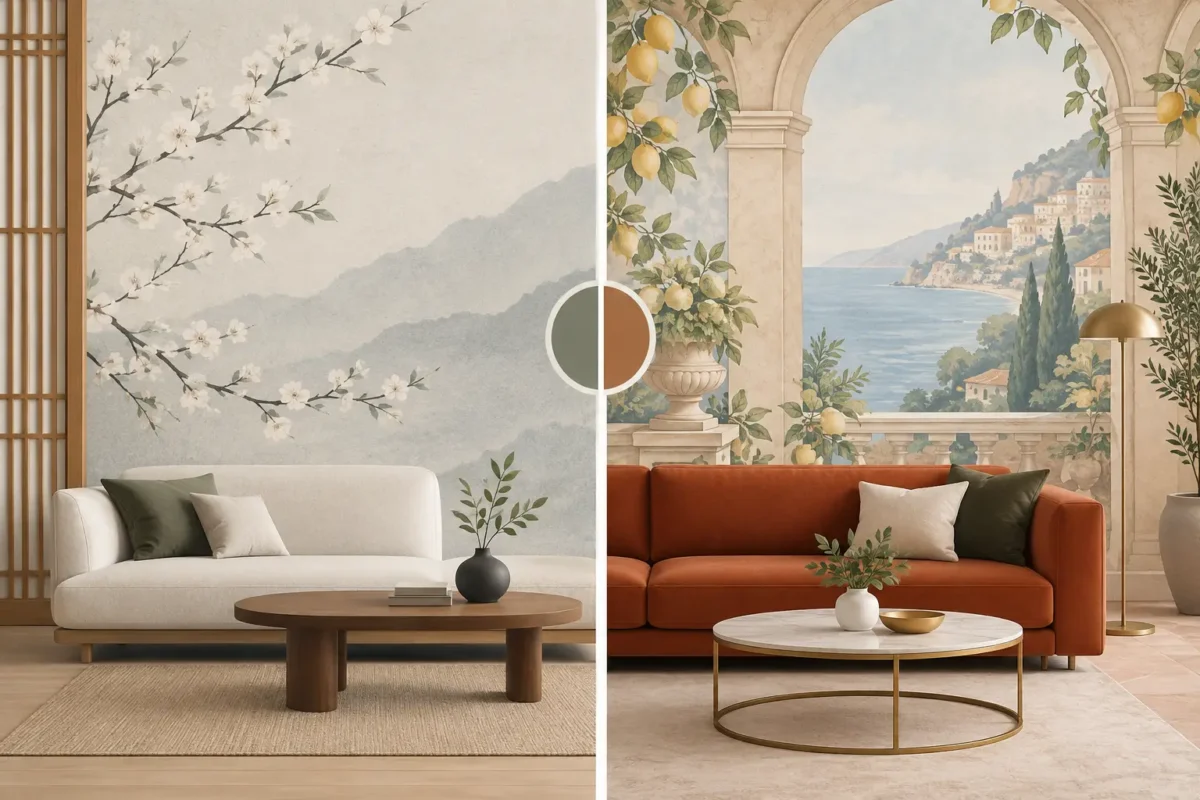
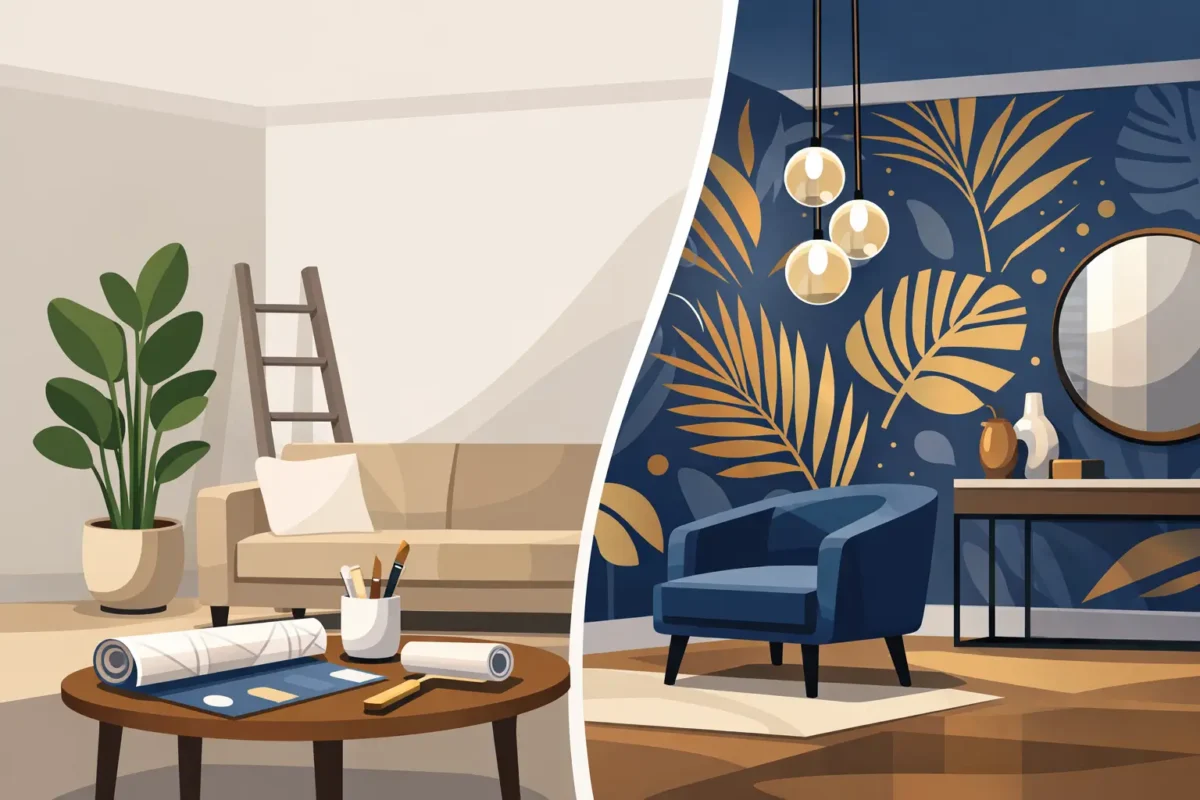
For custom murals and large-format branded walls, the same principle applies. Printing quality creates the visual impact, while the chosen substrate determines how the design will live in the space. A premium custom graphic on a commercial-grade fabric-backed base can bring together personalization, scale, and practical performance.
Fabric-backed wallpaper is durable when it is treated as an engineered finish rather than a decorative afterthought. Choose a material that suits the room, prepare the wall properly, and insist on precise installation. The reward is a wall that continues to make its statement long after the opening day.