A ceiling is often the largest uninterrupted surface in a room, yet it is usually left plain. The best wallpaper ceilings change that equation. They add depth above a dining table, bring character to a boutique hotel suite, reinforce a retail concept, or give a powder room the level of finish that makes guests look twice.
This is not simply wallpaper placed overhead. A successful ceiling treatment depends on proportion, material performance, lighting, surface preparation, and expert installation. When those details are considered together, the ceiling becomes a refined design plane rather than an afterthought.
Wallpaper ceilings create a visual boundary that can make an interior feel more composed. In rooms with high ceilings, a patterned or textured finish can reduce the sense of emptiness and establish a more intimate atmosphere. In compact spaces, a carefully selected print draws the eye upward, creating a memorable moment without taking up valuable floor area.
For commercial interiors, the opportunity is even greater. A ceiling mural in a reception lounge, restaurant, spa, or retail environment can carry a brand story across a large surface. It introduces a signature element that paint alone rarely delivers. The result feels intentional, layered, and project-specific.
The trade-off is that ceilings are highly visible from every angle. A design that feels subtle on a wall may appear stronger overhead, especially under direct downlights. Scale, contrast, repeat, and sheen all need to be reviewed in the actual space before a final selection is made.
The right ceiling wallpaper is not defined by one universal pattern. It depends on the room’s architecture, use, lighting, and the desired emotional effect.
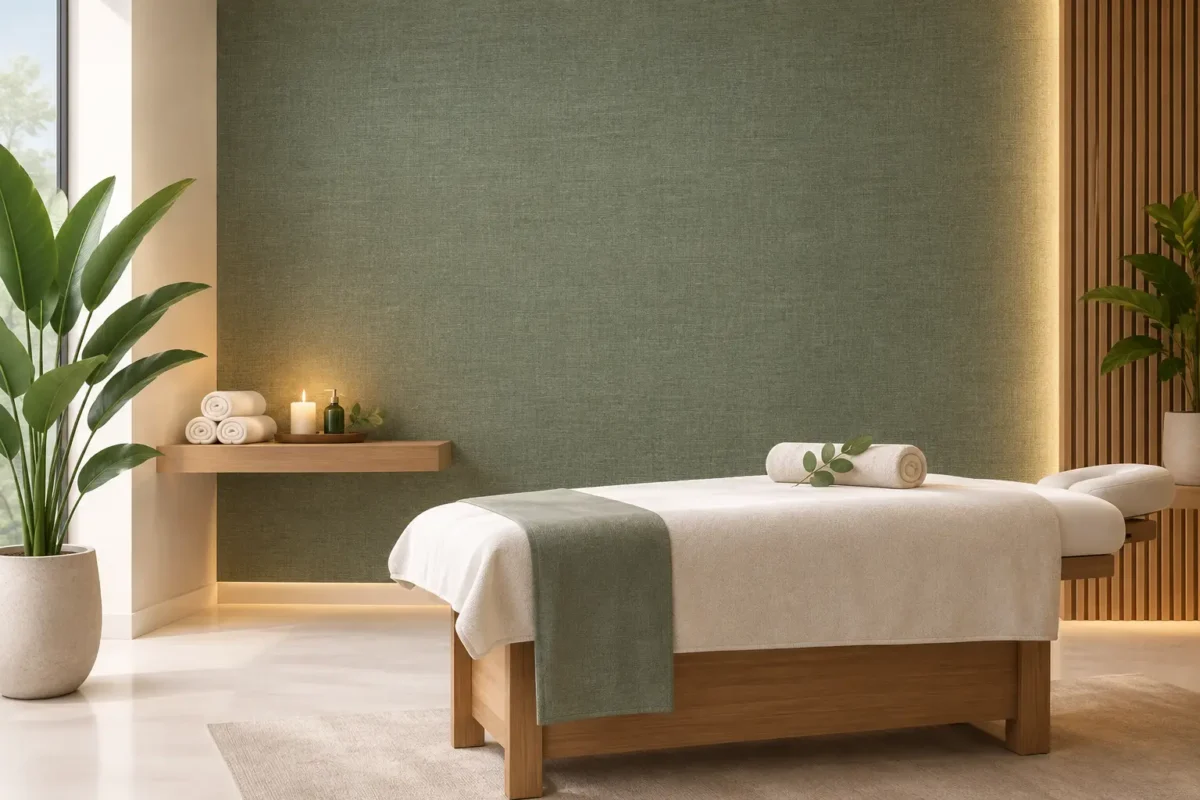
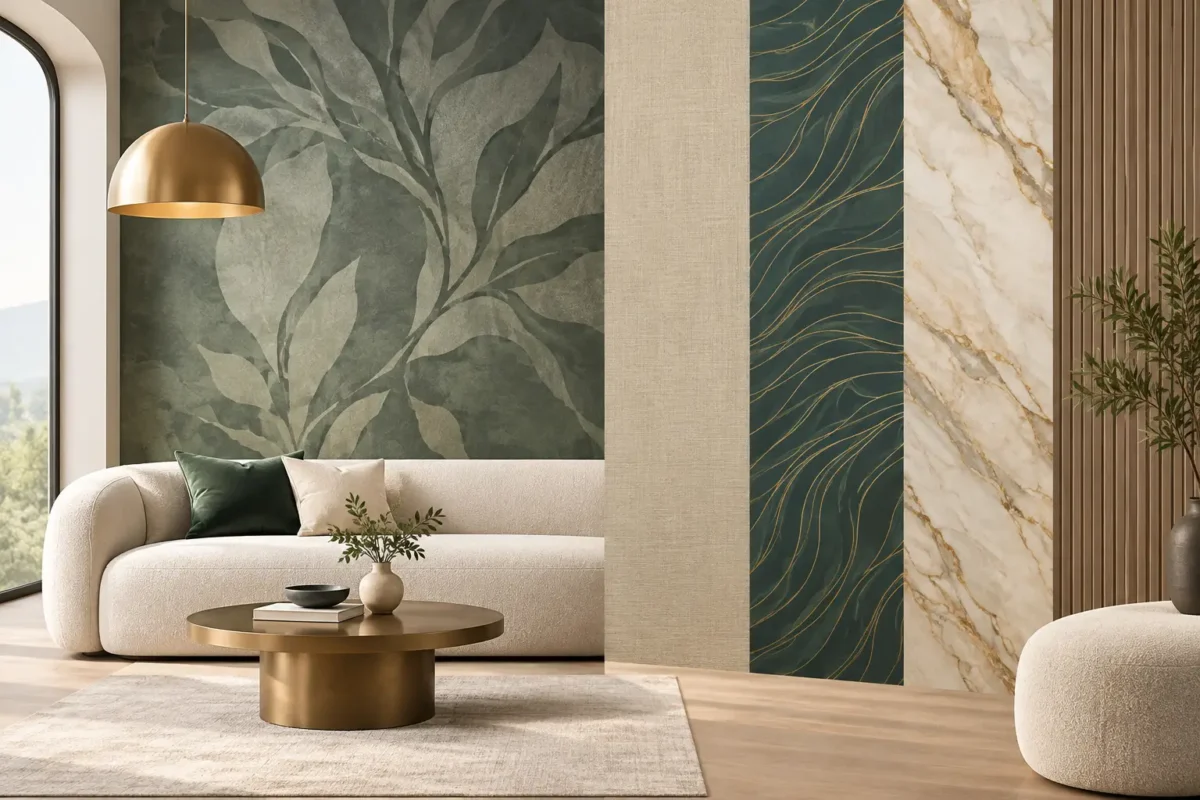
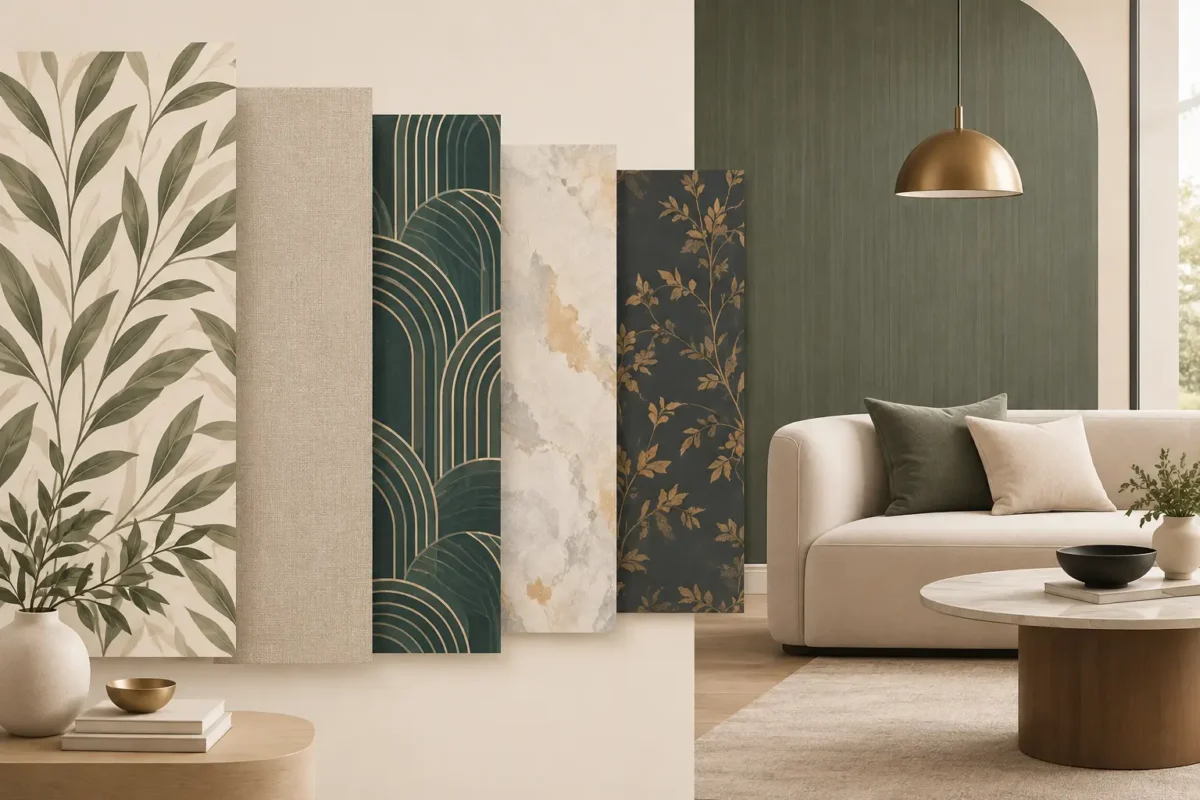
Textured grasscloth-look designs, linen effects, fine plaster finishes, and subtle woven patterns are among the most versatile choices for ceilings. They bring warmth and dimension without competing with furniture, artwork, or architectural details. These finishes work particularly well in bedrooms, executive offices, lounges, and hospitality suites where the goal is a calm, elevated atmosphere.
A low-contrast texture is also a practical solution when a ceiling has minor visual imperfections. It provides more depth than flat paint while remaining visually controlled. For high-end residential projects, soft taupe, warm gray, ivory, muted sage, and mineral-inspired finishes tend to age gracefully as furnishings evolve.
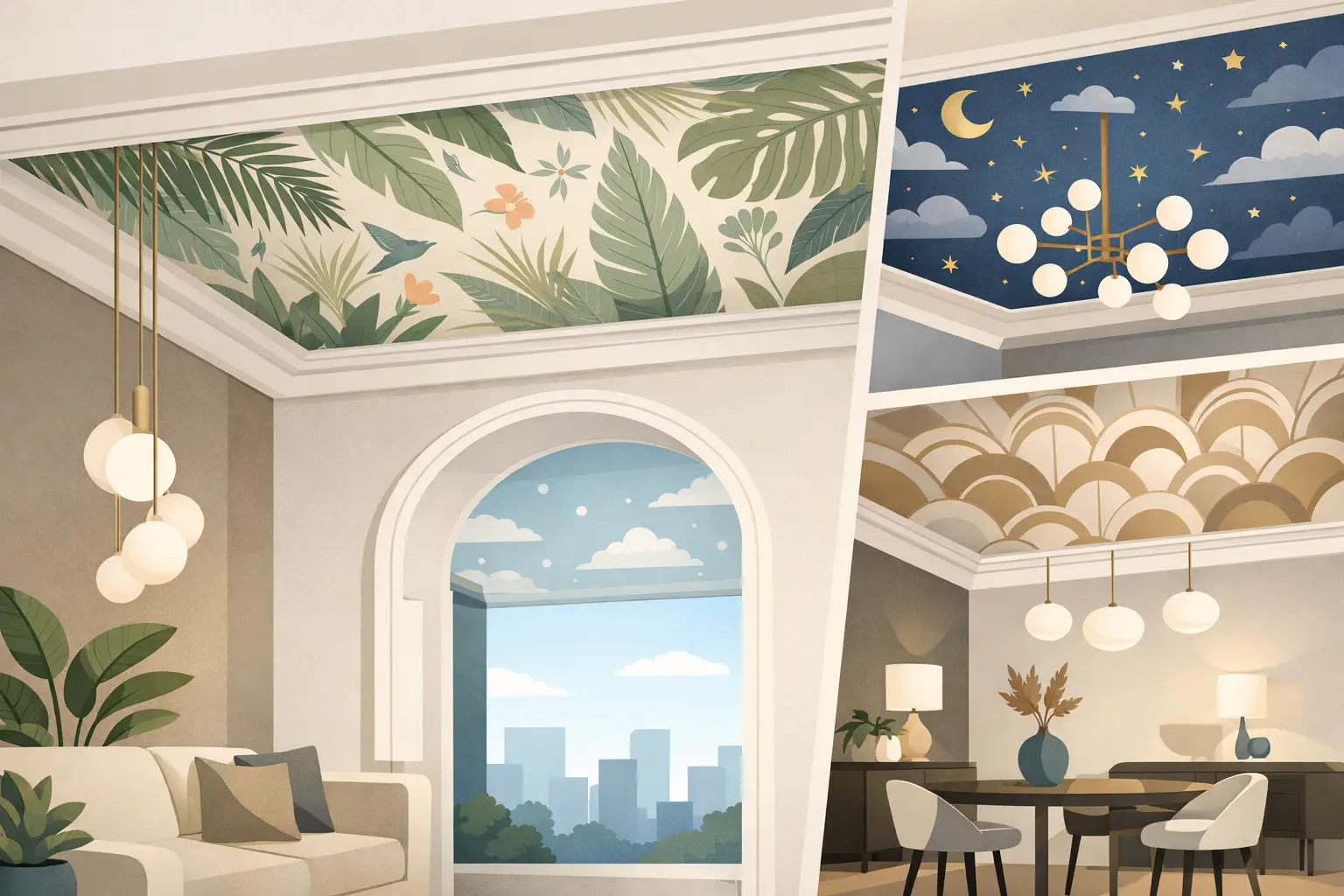
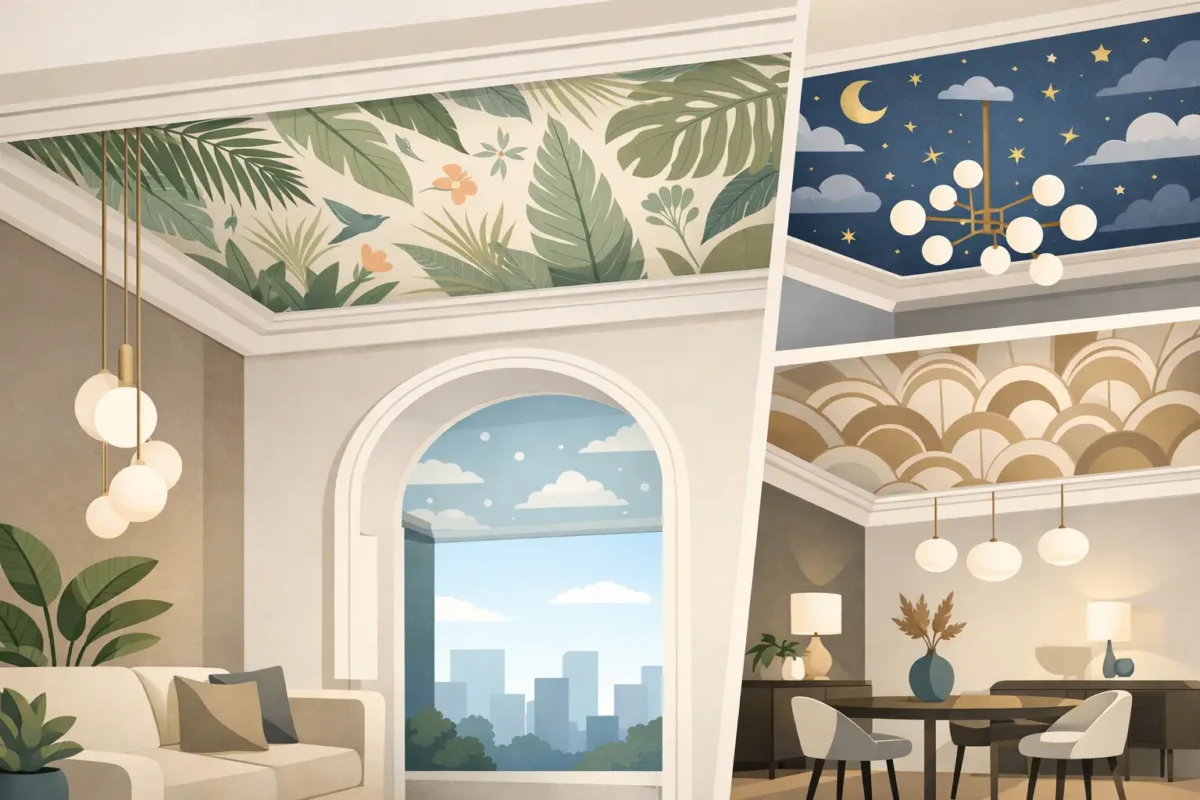
Botanical wallpaper ceilings are ideal when a room needs personality and movement. Palm leaves, trailing florals, cloud forms, branches, and abstract natural motifs can transform powder rooms, dressing rooms, cafés, salons, and intimate dining spaces.
The key is scale. Small motifs can read busy when repeated across a full ceiling, while oversized foliage may feel dramatic and contemporary. If the room already has patterned flooring, upholstery, or tile, choose a ceiling design with a more restrained palette. If the surrounding finishes are quiet, the ceiling can carry a bolder print with confidence.
Geometric patterns provide structure. Linear grids, Art Deco arcs, architectural forms, and dimensional abstract designs can define offices, retail stores, meeting rooms, and contemporary residences. They are particularly effective when aligned with built-in joinery, lighting tracks, or room geometry.
Precision matters here. A geometric ceiling installation demands accurate setting out so the pattern appears balanced from the main sightlines. In spaces with irregular walls or off-center fixtures, a professional installer can plan the layout to avoid awkward partial motifs at focal points.
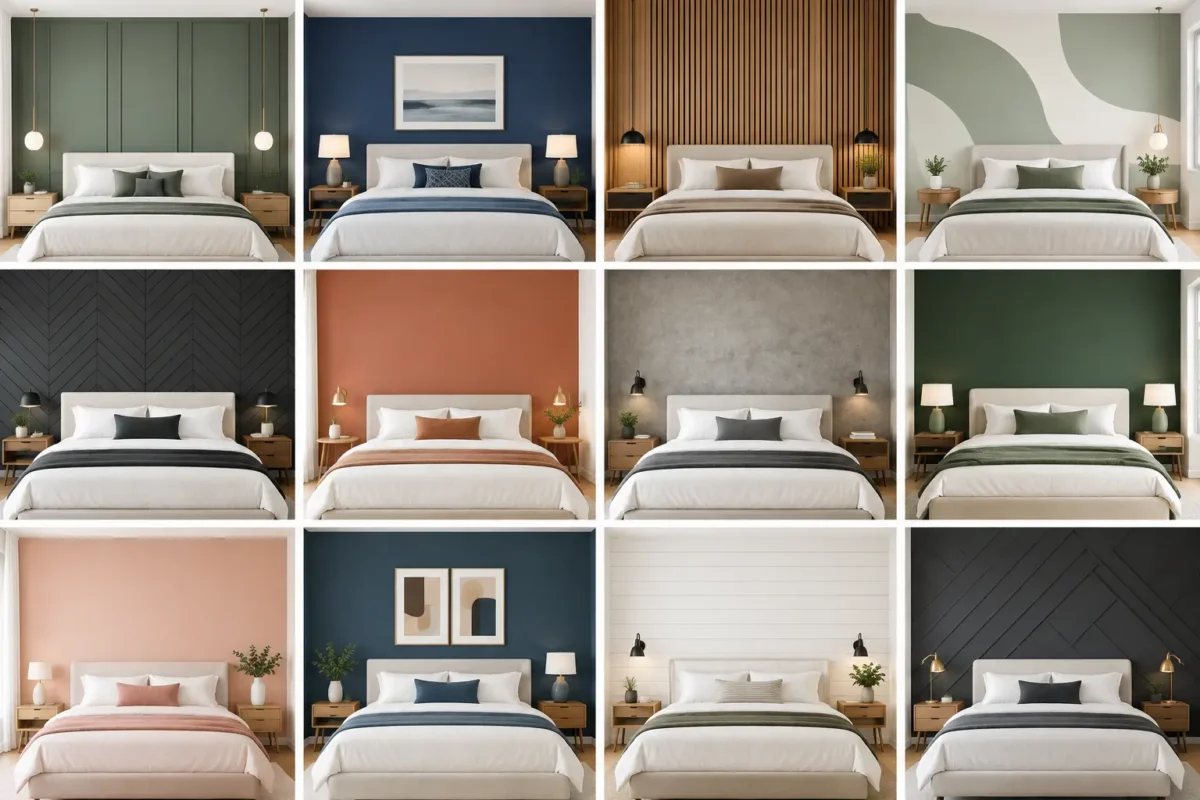
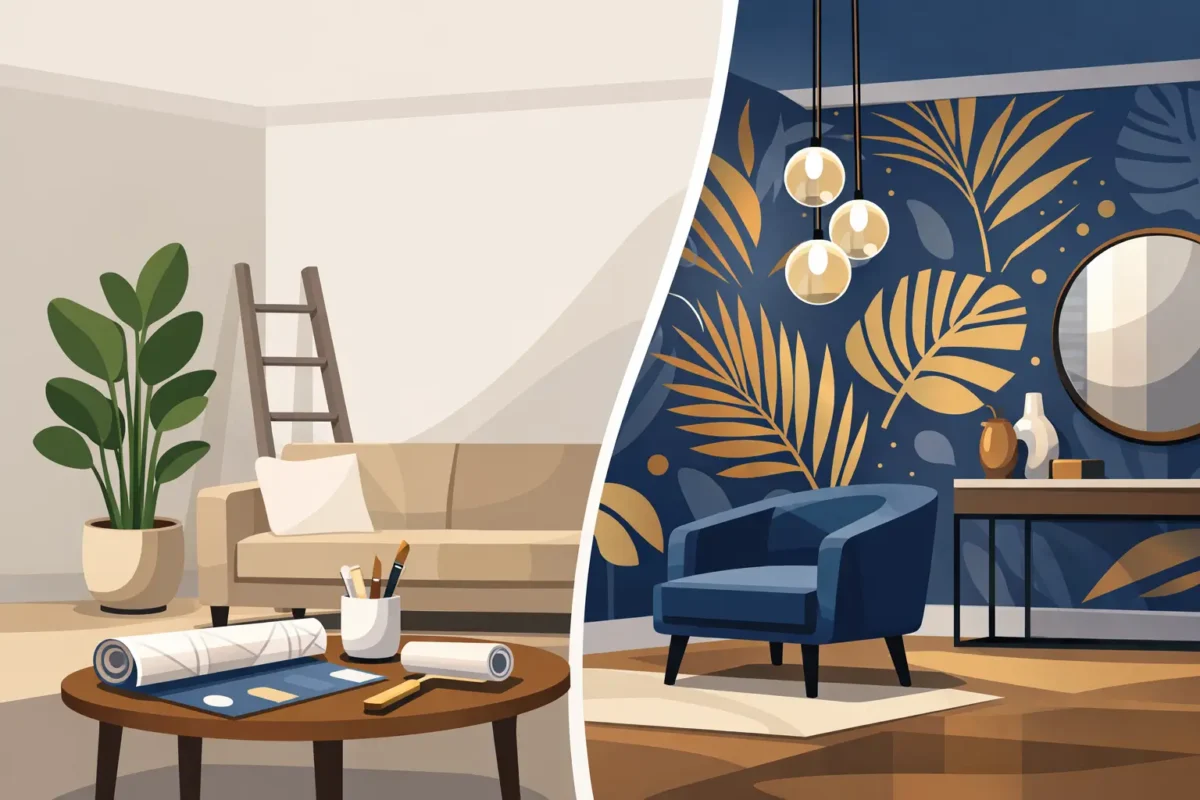
Deep navy, charcoal, chocolate, forest green, and black wallpaper ceilings create a cocooning effect. They are strong choices for home theaters, private bars, restaurants, lounges, and hotel corridors. A dark finish can also visually reduce an excessively high ceiling, making the room feel more connected and intentional.
This approach works best when lighting is layered. Decorative pendants, wall sconces, concealed cove lighting, and warm accent lighting prevent the room from feeling flat. In low-ceiling rooms with limited natural light, a dark ceiling may feel oppressive unless the walls and furnishings provide enough contrast.
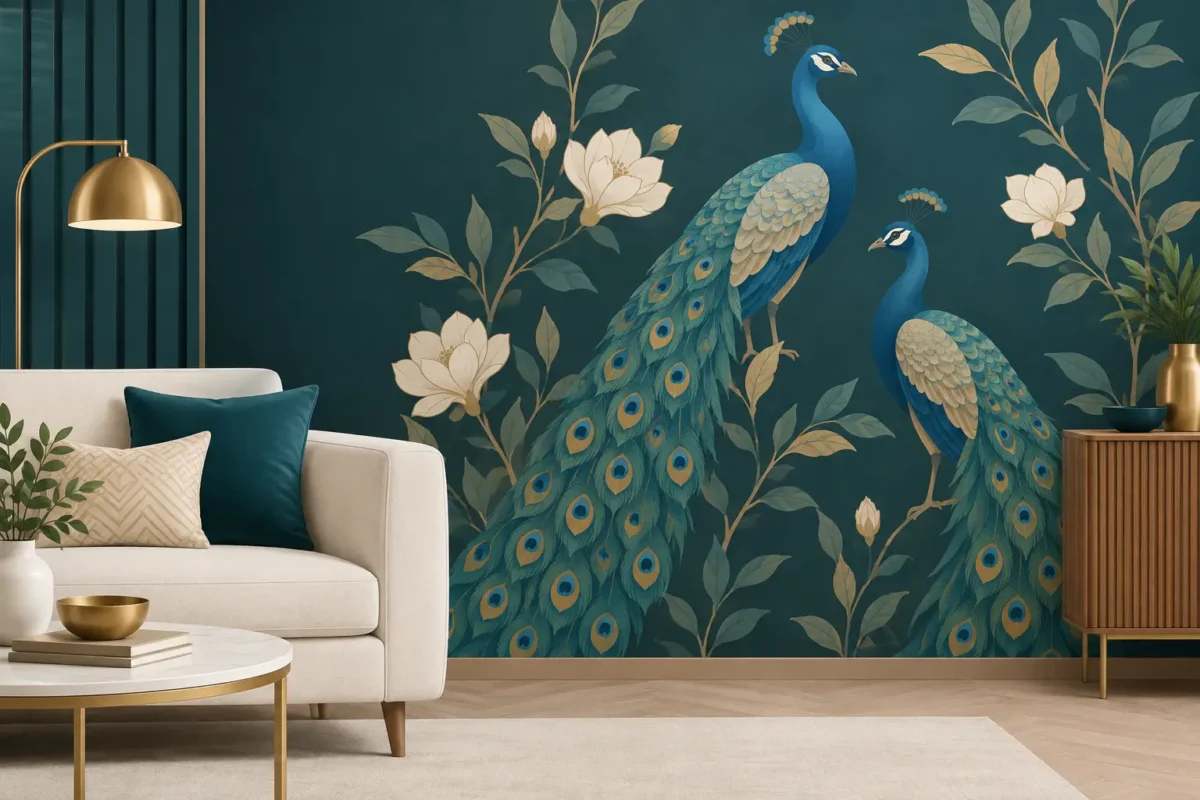
Custom print wallpaper opens a wider design vocabulary. A ceiling can become a watercolor sky, a hand-painted botanical canopy, a graphic brand pattern, a celestial scene, or an artwork developed specifically for the room. This is especially valuable for hospitality, restaurants, show units, children’s spaces, and feature areas that need a distinctive identity.
Custom sizing matters as much as the artwork. The design should be scaled to the dimensions of the ceiling, placement of fixtures, and primary viewing angles. Advanced digital printing supports tailored compositions, while eco-friendly ink options can support projects seeking a more considered material approach.
A ceiling installation places different demands on wallcovering than a standard feature wall. Weight, adhesive compatibility, room conditions, and maintenance requirements must be assessed before specifying a product.
For residential bedrooms, living spaces, and low-traffic decorative areas, premium non-woven wallpaper can be an excellent choice. It offers a refined finish and broad design selection, including European and Korean wallpaper collections known for detail, texture, and layered color.
For offices, hotels, retail environments, corridors, and public-facing spaces, fabric-backed commercial wallcovering is often the more suitable specification. It is designed for durability and can offer better resistance to wear in demanding interiors. Depending on the product and project requirements, commercial options may also support fire performance criteria. Always verify the exact test data, local code requirements, and approved installation method for the selected material.
Bathrooms and humid areas require extra caution. Wallpaper is not automatically unsuitable, but ventilation, substrate condition, and product type are decisive. Avoid placing standard paper-based materials over areas exposed to direct steam or persistent moisture. A specialist can recommend more appropriate finishes and sealant details where conditions allow.
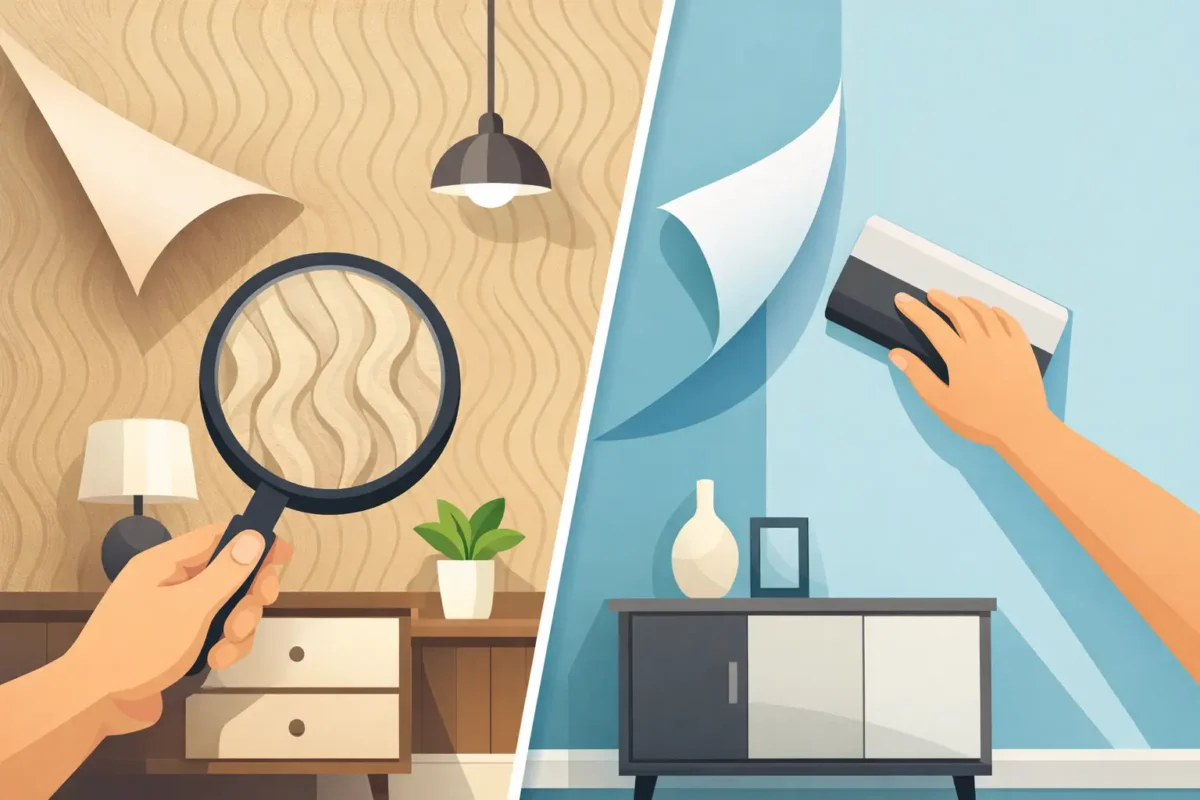
Ceiling wallpaper reveals poor preparation quickly. Cracks, uneven joints, peeling paint, moisture stains, and dusty surfaces should be addressed before installation begins. The surface needs to be clean, dry, smooth, stable, and properly primed for the chosen wallcovering system.
Lighting should also be considered early. Recessed lights, sprinklers, smoke detectors, ceiling fans, air-conditioning grilles, and access panels all affect pattern placement. In a premium project, these elements should be mapped before printing or cutting begins. That planning helps preserve the rhythm of a mural or repeat pattern while keeping functional components accessible.
New construction and renovation projects benefit from installing wallpaper after major wet works are complete and the interior environment has stabilized. Excess moisture in fresh plaster, concrete, or paint can compromise adhesion and create avoidable problems later.
Installing wallpaper overhead is physically demanding and technically unforgiving. Gravity works against the installer, long drops must be handled without stretching, and seams need to remain tight under changing room conditions. Large murals, textured materials, and geometric patterns raise the difficulty further.
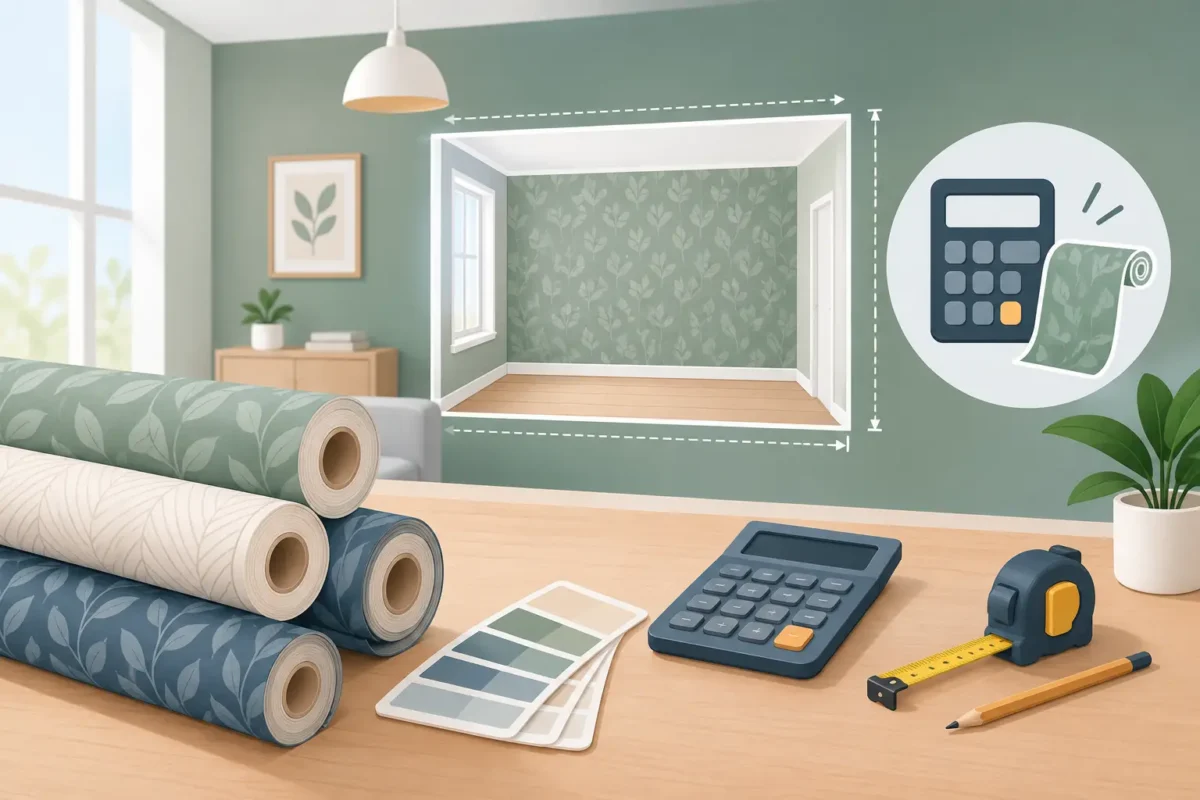
Professional installation provides control where it matters most: substrate assessment, correct adhesive selection, accurate pattern matching, clean cutting around fixtures, and careful finishing at perimeter edges. It also reduces material waste, which is particularly relevant for custom-printed designs and premium imported wallcoverings.
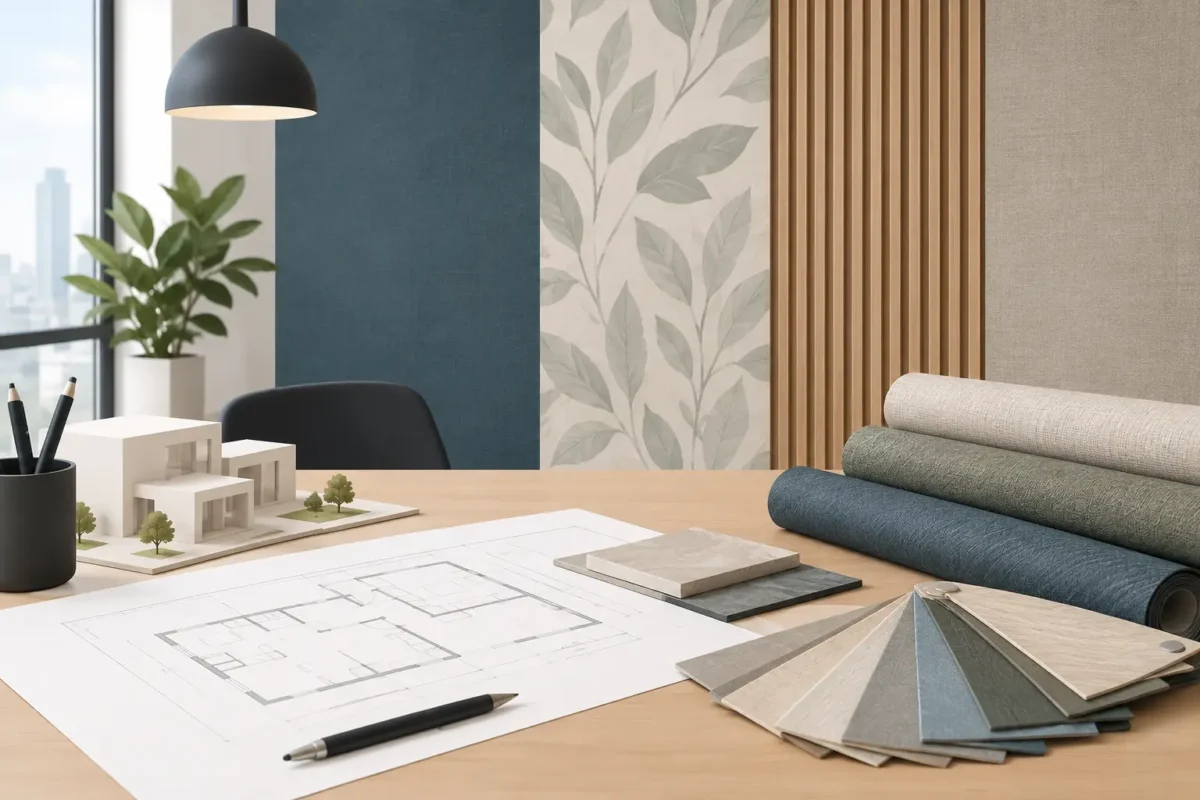
For designers and project teams, a showroom consultation can streamline the process. Reviewing samples under realistic lighting, comparing textures alongside flooring and fabrics, and discussing installation conditions early can prevent a beautiful concept from becoming a costly compromise on site.
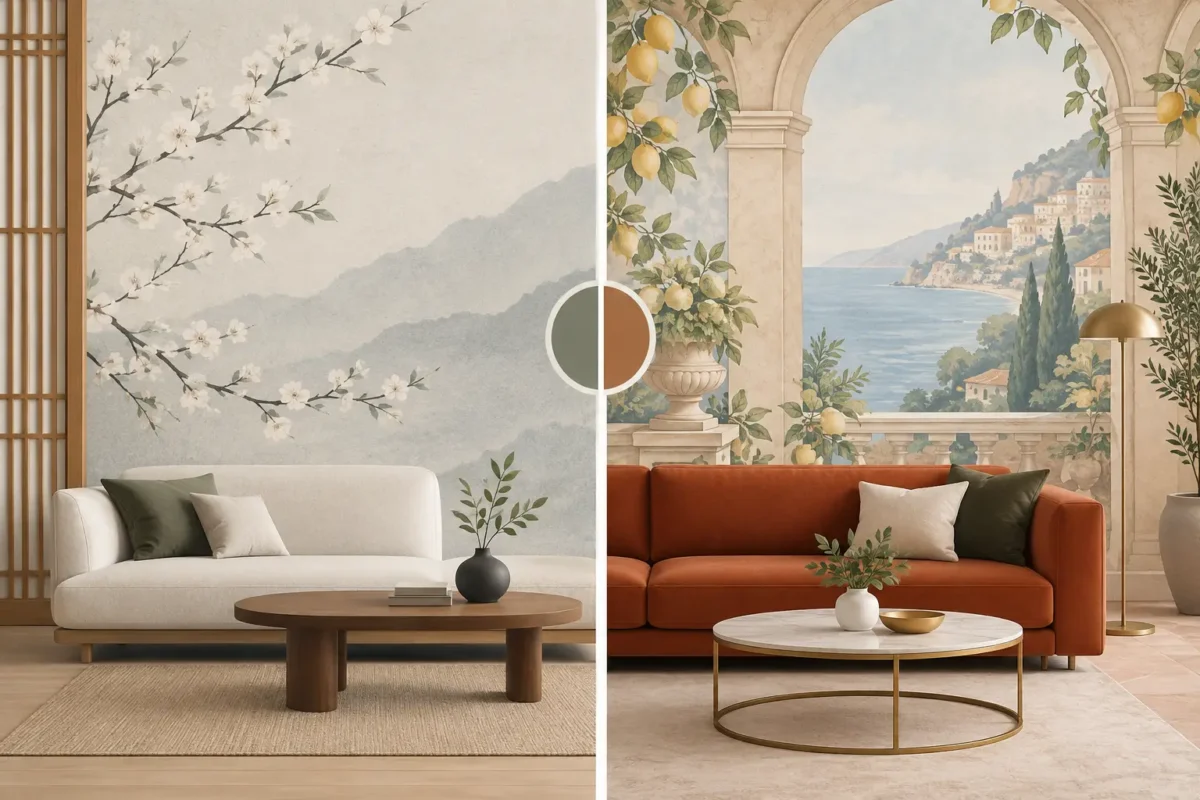
The ceiling should feel connected to the overall scheme, not isolated from it. If the ceiling carries a large-scale mural, keep the walls quieter and repeat one or two colors from the artwork in upholstery, rugs, or accessories. If the ceiling is textured and tonal, the walls can take on more architectural color or a complementary patterned finish.
Consider the fifth-wall effect in relation to the room’s boundaries. A wallpaper ceiling that wraps slightly down onto a cornice or upper wall can feel immersive in a boutique setting. In a formal living room or hotel suite, stopping cleanly at the ceiling line may create a more tailored result. Neither approach is automatically better. It depends on ceiling height, trim details, and how much visual drama the space can support.
The best wallpaper ceilings are designed with the same care as a custom cabinet, stone surface, or lighting plan. Select for the room, specify for performance, and install with precision. When the surface above is treated as part of the architecture, every look upward becomes part of the experience.