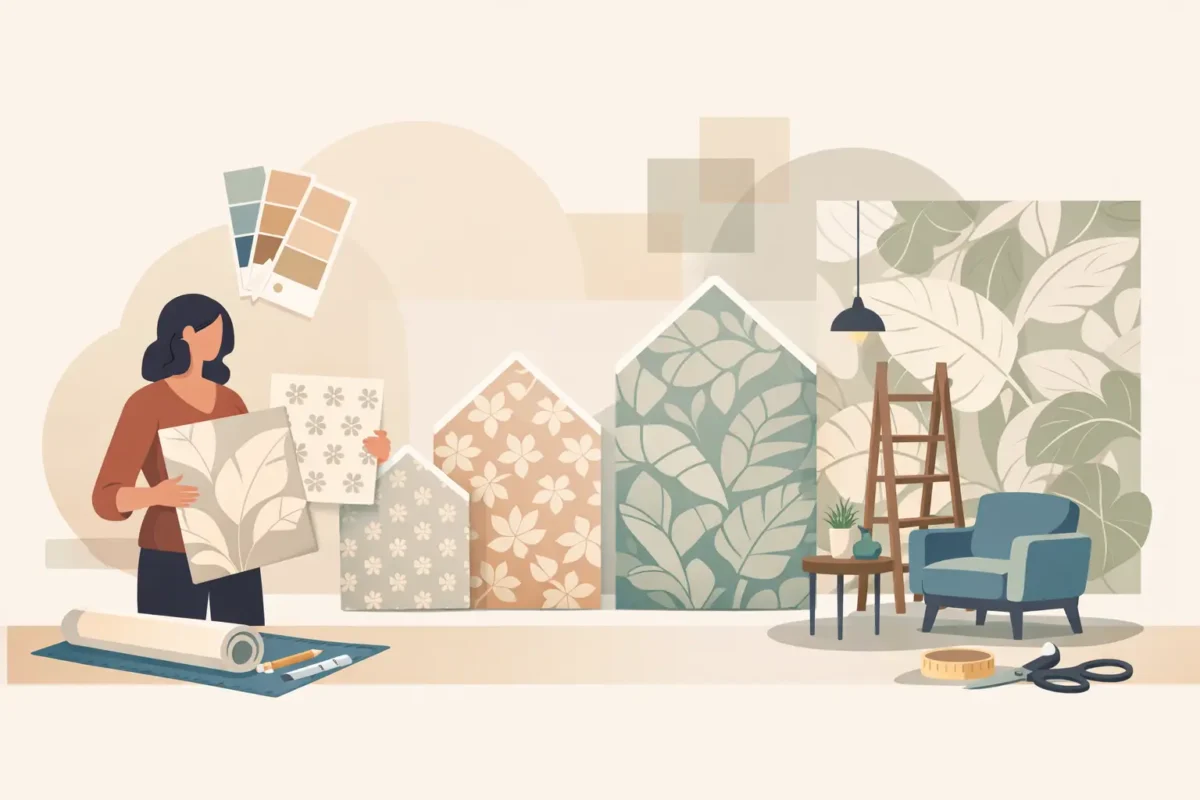
A luxury interior is no longer defined by a single feature wall selected at the end of a project. The most influential luxury wallcovering trends for 2026 treat the wall surface as a primary design material: one that establishes atmosphere, supports a brand story, and performs under daily use. For homeowners, designers, and commercial decision-makers, the opportunity is clear. A carefully specified wallcovering can make a quiet room feel intentional, give a hospitality space its own signature, or turn a standard workplace into a memorable destination.
The strongest directions are expressive, but they are not purely decorative. Material quality, maintenance requirements, fire performance, substrate preparation, and installation precision remain central to a successful result. Luxury is the balance of visual distinction and long-term confidence.
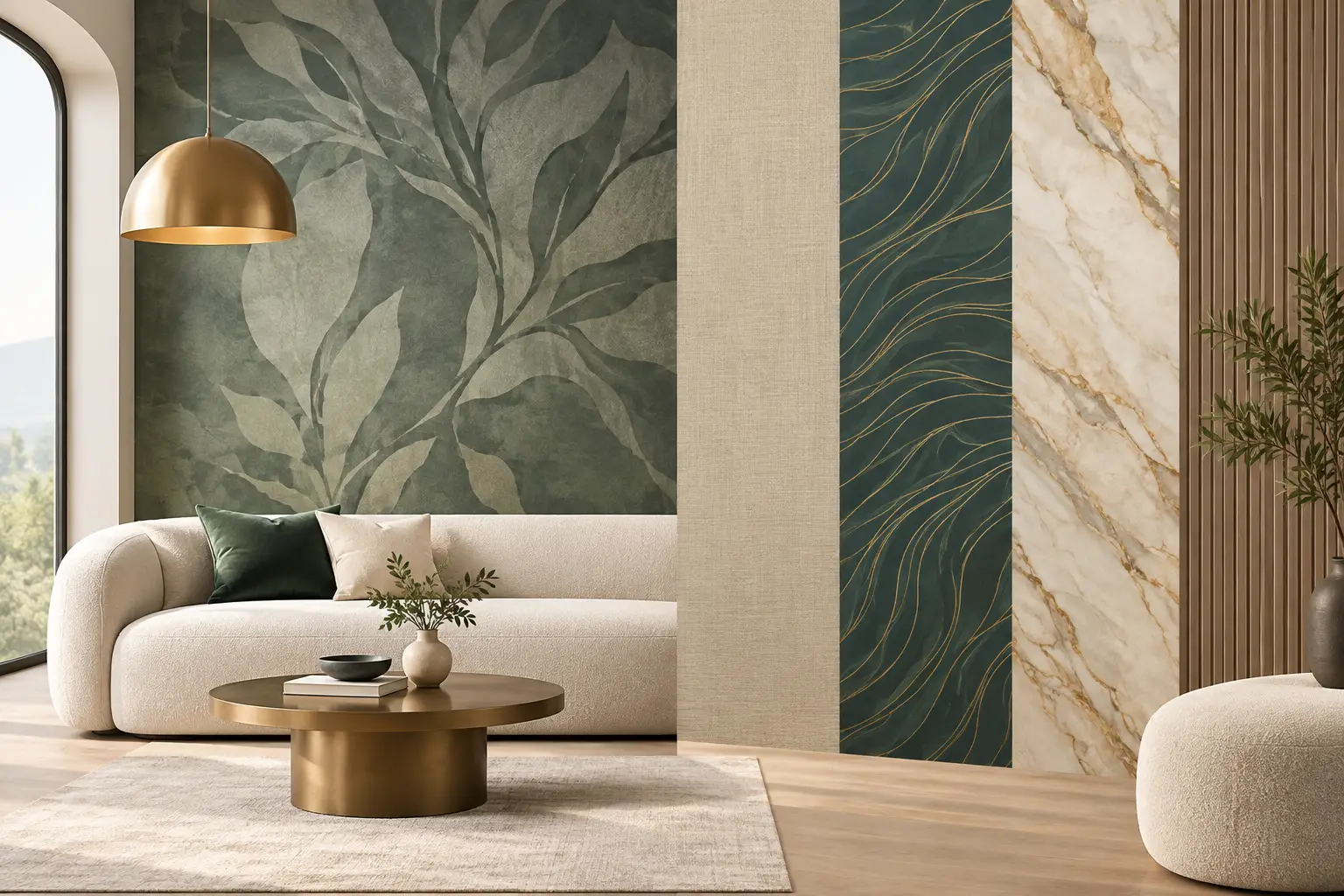
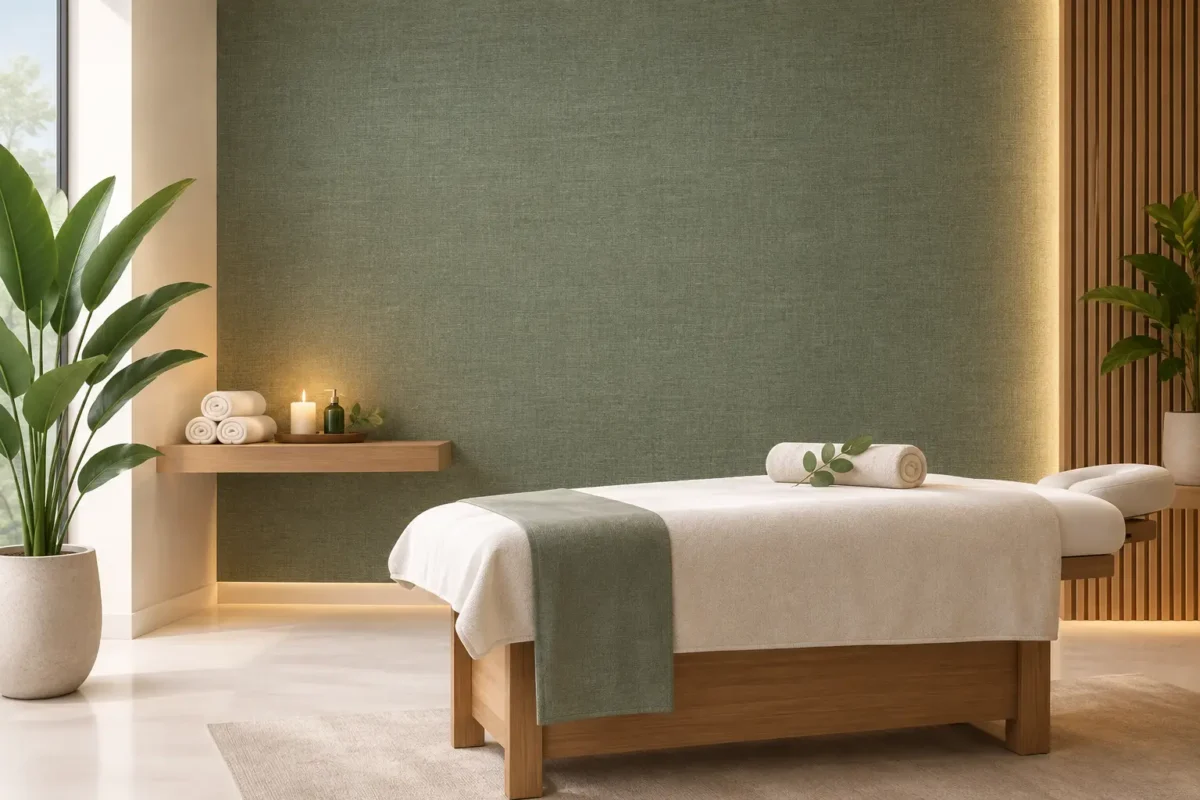
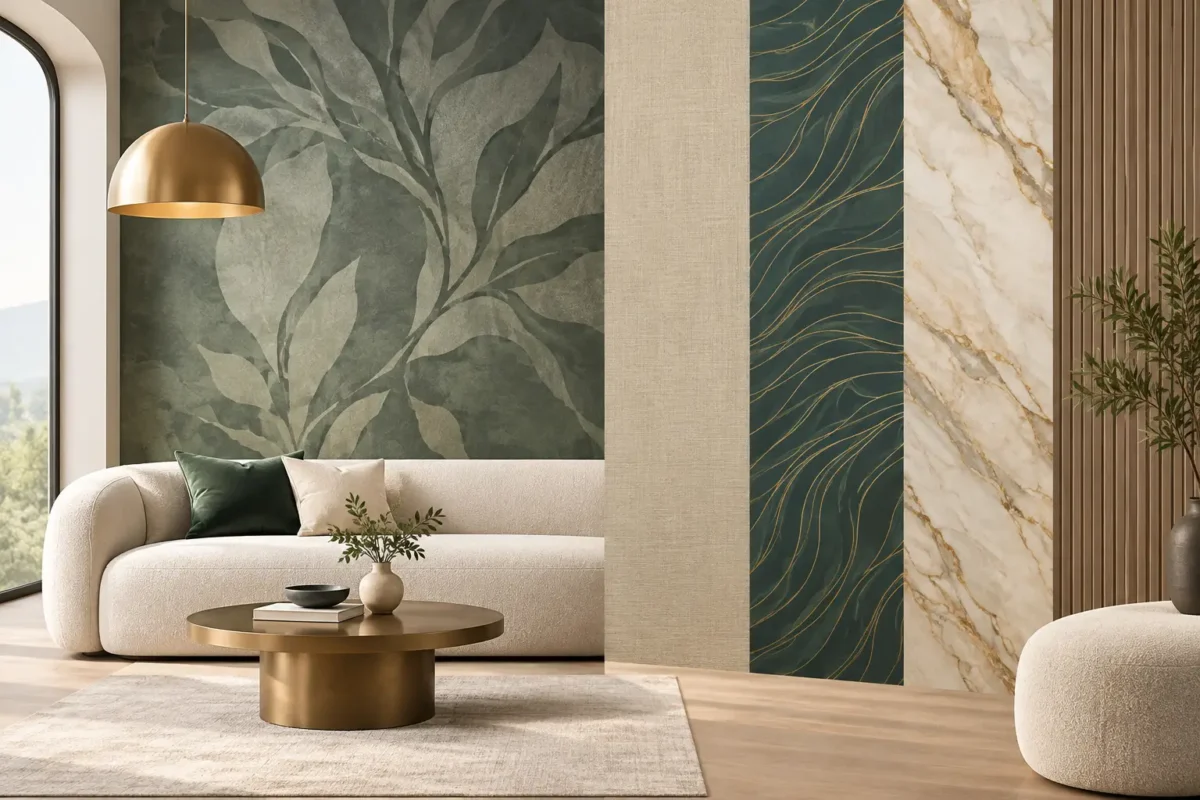
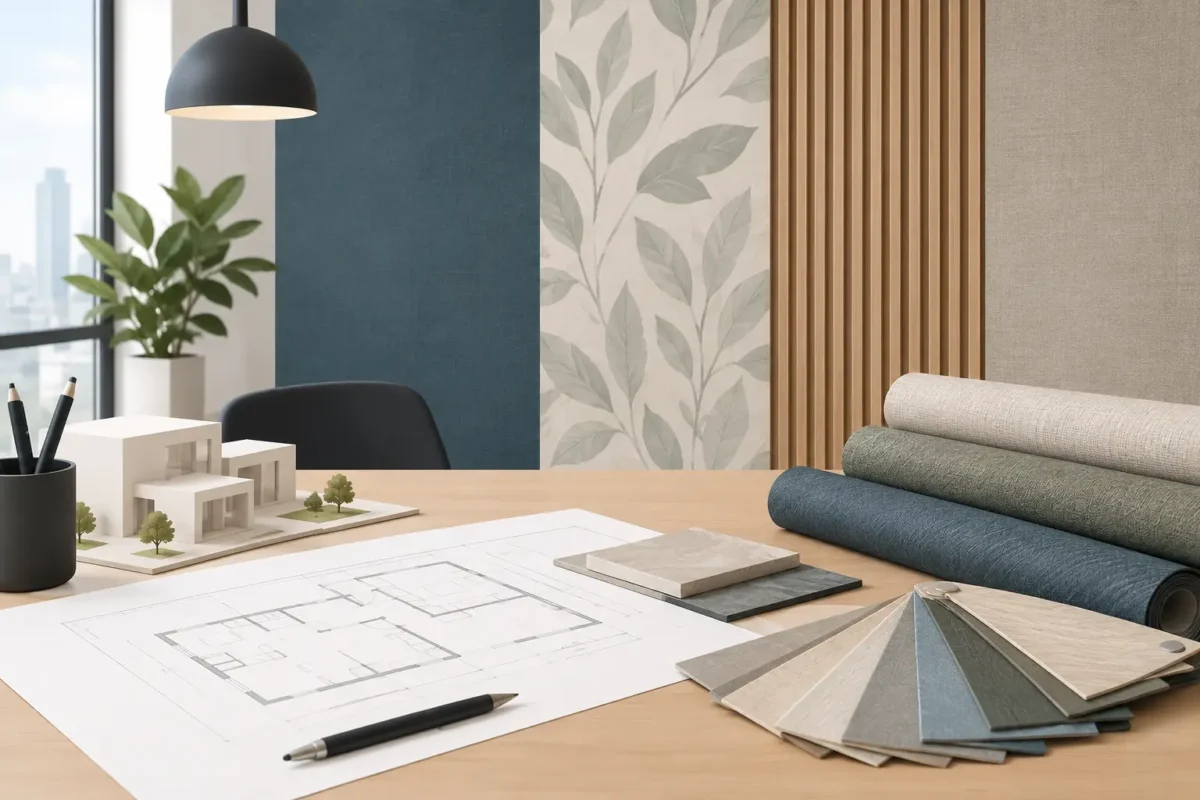
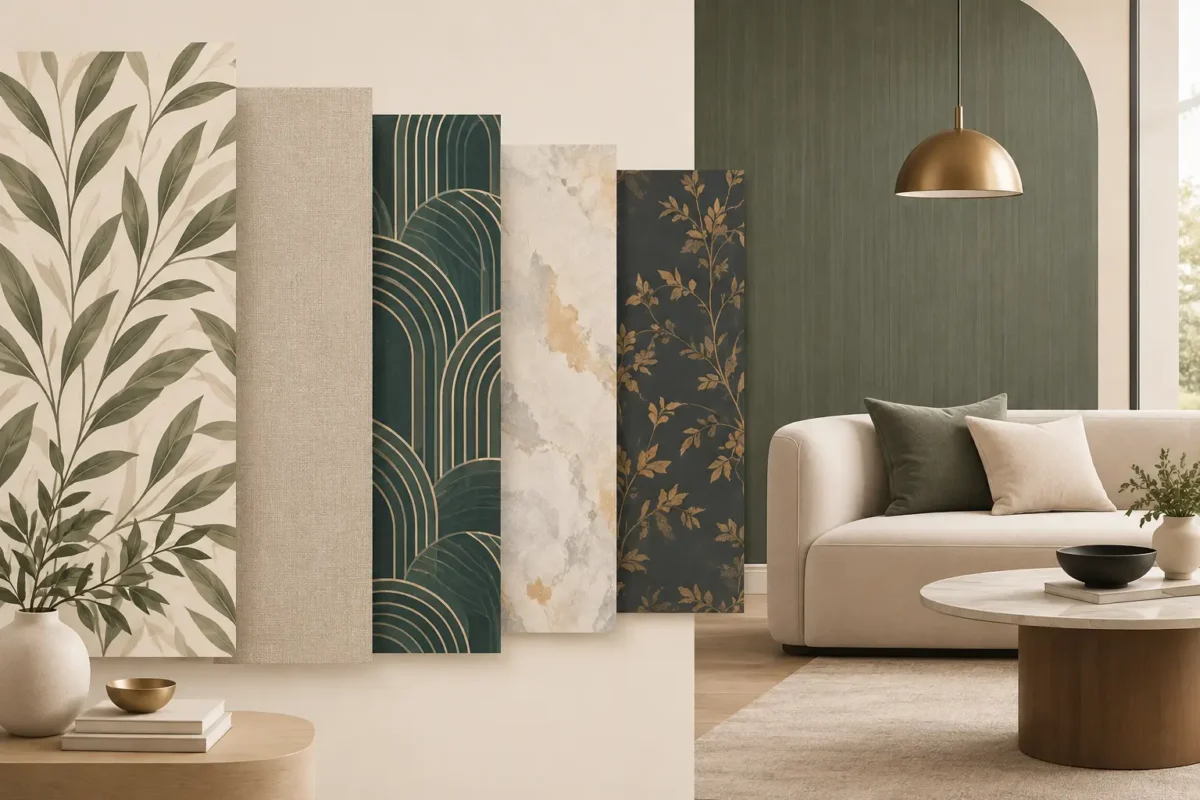
Texture continues to lead premium wall design, particularly in projects that need warmth without visual clutter. Linen looks, woven effects, grasscloth-inspired patterns, plaster finishes, fine metallic threads, and embossed geometric surfaces create depth that changes with daylight and ambient lighting. These finishes bring an architectural quality to walls, making them especially effective in living rooms, executive offices, hotel lobbies, and refined retail settings.
The distinction lies in the detail. High-quality textured wallcoverings offer controlled repetition, convincing dimensionality, and a sophisticated hand-feel rather than an overly literal imitation of natural materials. For high-traffic environments, a fabric-backed commercial wallcovering can deliver this elevated appearance with greater consistency and easier maintenance than some delicate natural finishes.
There is a practical trade-off. Heavily textured designs can conceal minor wall imperfections, but they demand careful seam alignment and an experienced installer. In spaces exposed to frequent cleaning, choose a finish designed for washability rather than selecting texture on appearance alone.
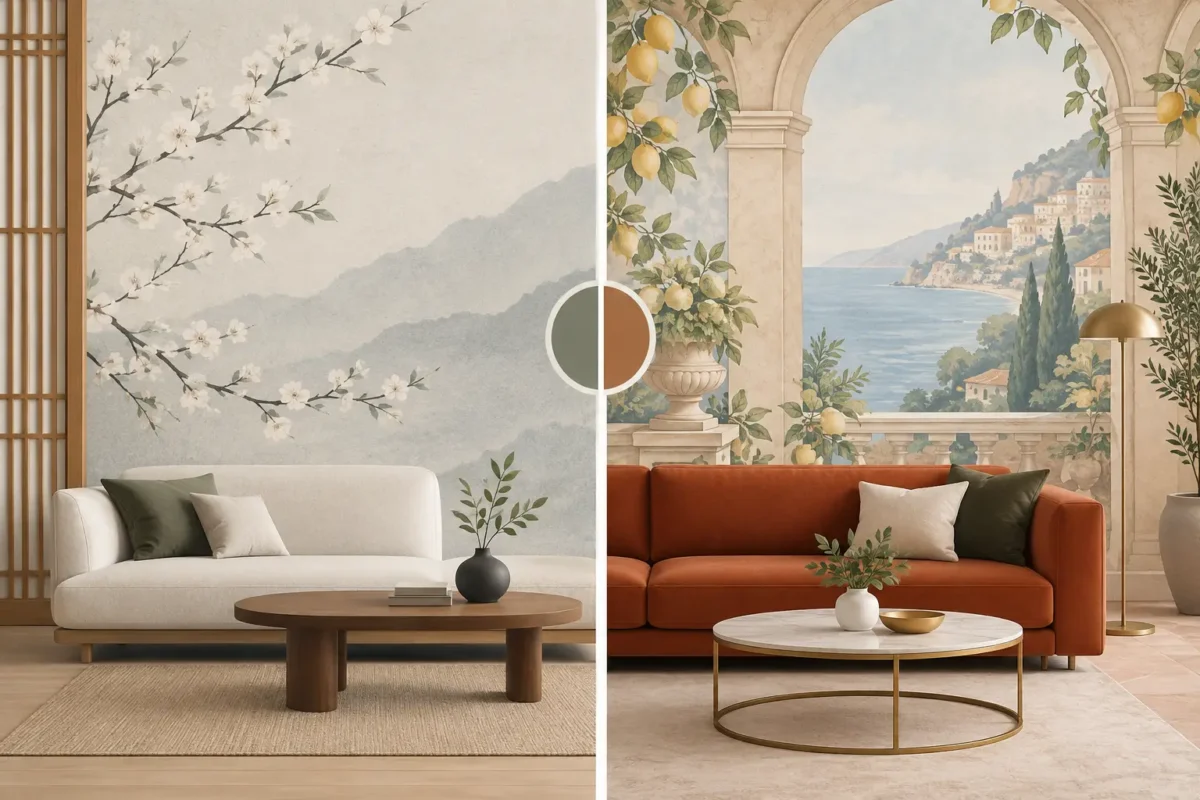
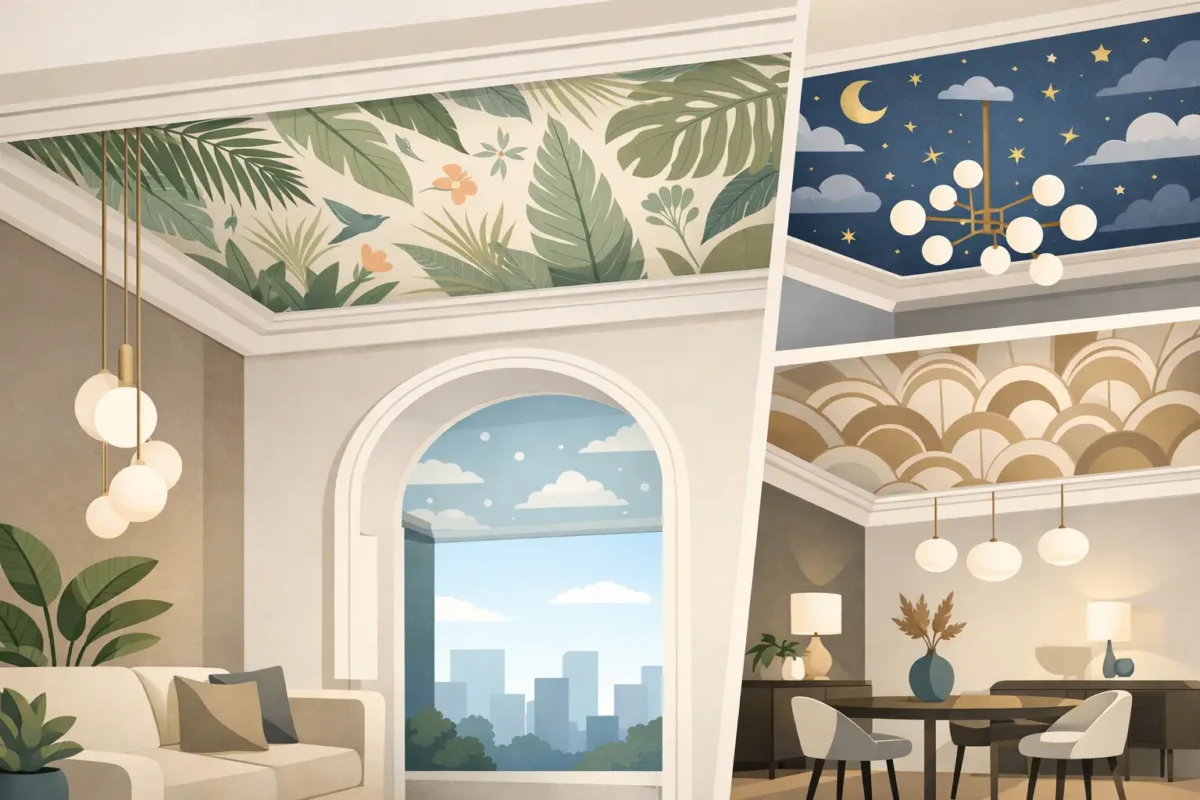
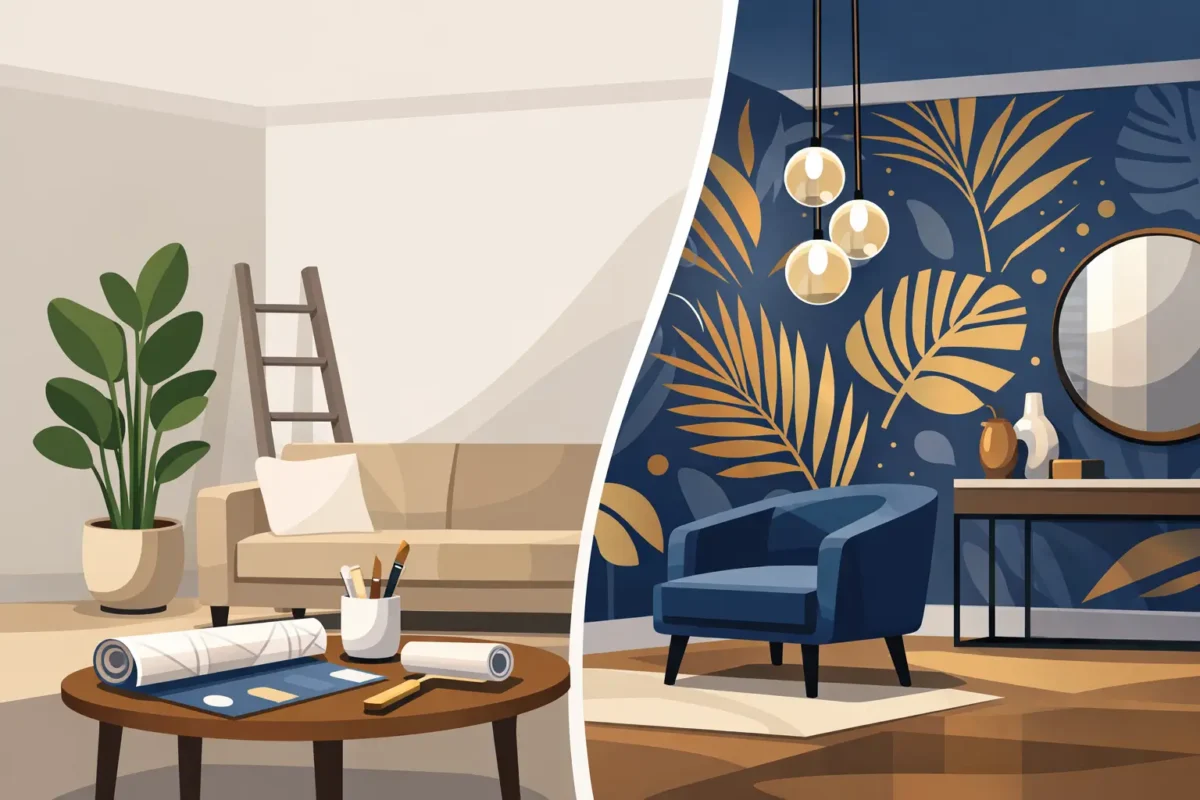
Custom murals are moving beyond feature walls with oversized flowers or scenic landscapes. The current approach is more integrated: murals are scaled to the room, aligned with furniture layouts, and designed around architectural elements such as doors, niches, columns, and lighting. A mural can extend the perceived depth of a dining room, establish a memorable reception backdrop, or reinforce a hospitality concept without relying on multiple decorative layers.
The most successful designs feel site-specific. A boutique hotel may use an abstract interpretation of its local setting. A corporate office may translate brand colors and values into a restrained graphic composition. A residence may commission a panoramic botanical scene that matches the room’s exact dimensions and natural light.
Advanced digital printing makes this level of personalization more accessible, but image quality remains critical. Custom artwork must be produced at the correct resolution and color-managed for the selected substrate. Canon printing technology, eco-friendly ink, and professional proofing help ensure that subtle gradients, dark tones, and fine linework reproduce with the intended clarity.
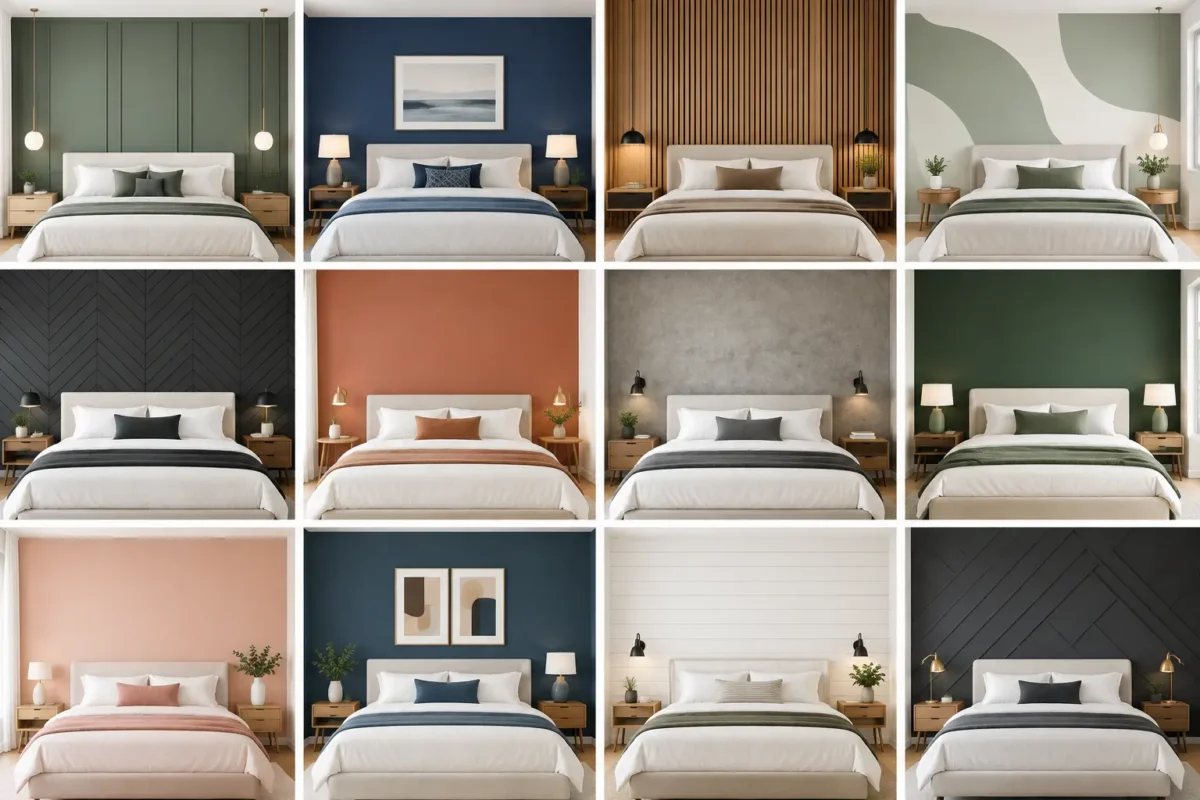
Neutral walls are not disappearing. They are becoming more nuanced. Instead of plain beige or cool gray, luxury palettes are shifting toward mineral and earth-led shades: warm stone, chalk, mushroom, clay, tobacco, muted olive, soft charcoal, and deep espresso. These colors create a grounded backdrop for timber, natural stone, brushed metal, and sculptural lighting.
The appeal is longevity. A layered neutral wallcovering can remain relevant as furniture, artwork, and accessories evolve. This makes it a smart choice for larger wall areas, rental properties, executive suites, and multi-room residential schemes where continuity matters.
That does not mean every wall should be understated. Deeper colors are gaining ground in powder rooms, lounges, private dining spaces, bedrooms, and corridors where a more immersive mood is welcome. The key is to consider lighting early. A rich brown or charcoal finish can look elegant under warm, layered lighting and feel heavy in a room with limited illumination.
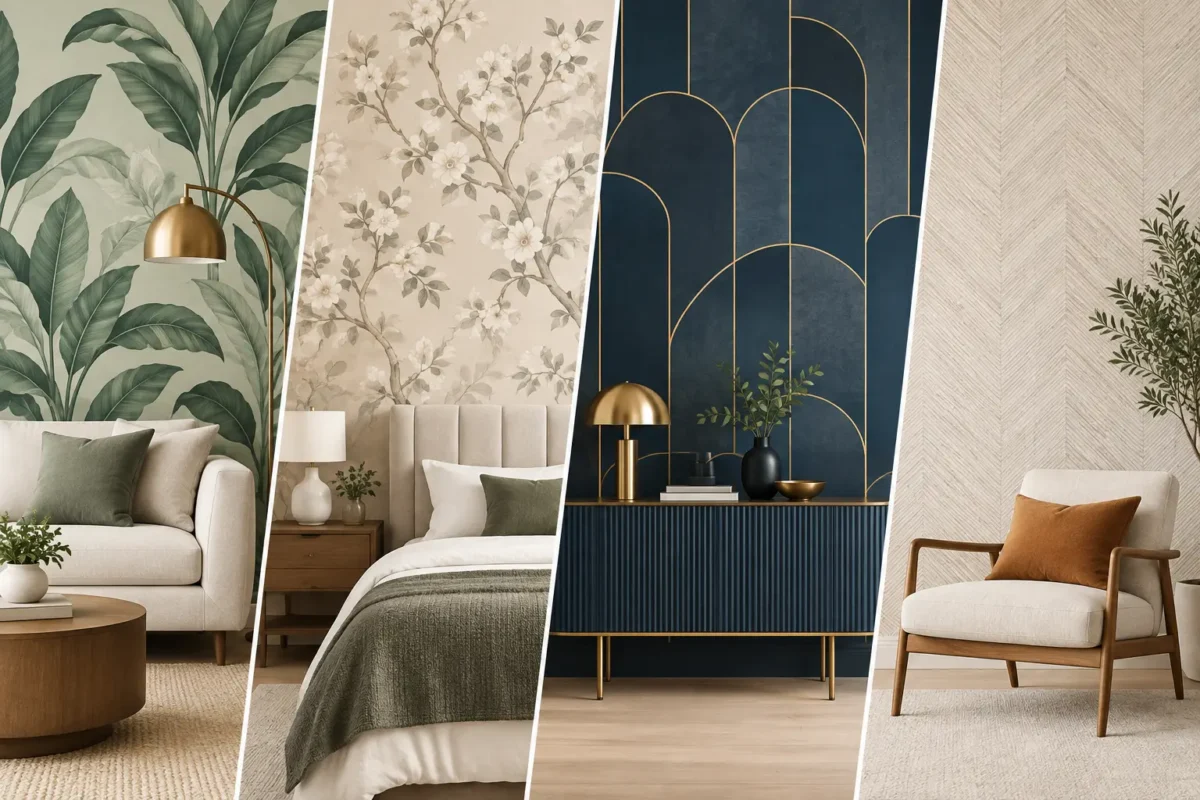
Geometry is back, but the sharp, high-contrast patterns of previous cycles are giving way to more refined compositions. Think elongated arches, offset grids, fan motifs, curved linework, and tonal repeats with hints of metallic detail. These patterns offer visual structure without making an interior feel rigid.
This direction works particularly well in hospitality, retail, and premium apartment common areas because it communicates polish from a distance and rewards closer inspection. Italian and European wallcovering collections often excel here, combining disciplined pattern design with elegant colorways and tactile finishes.
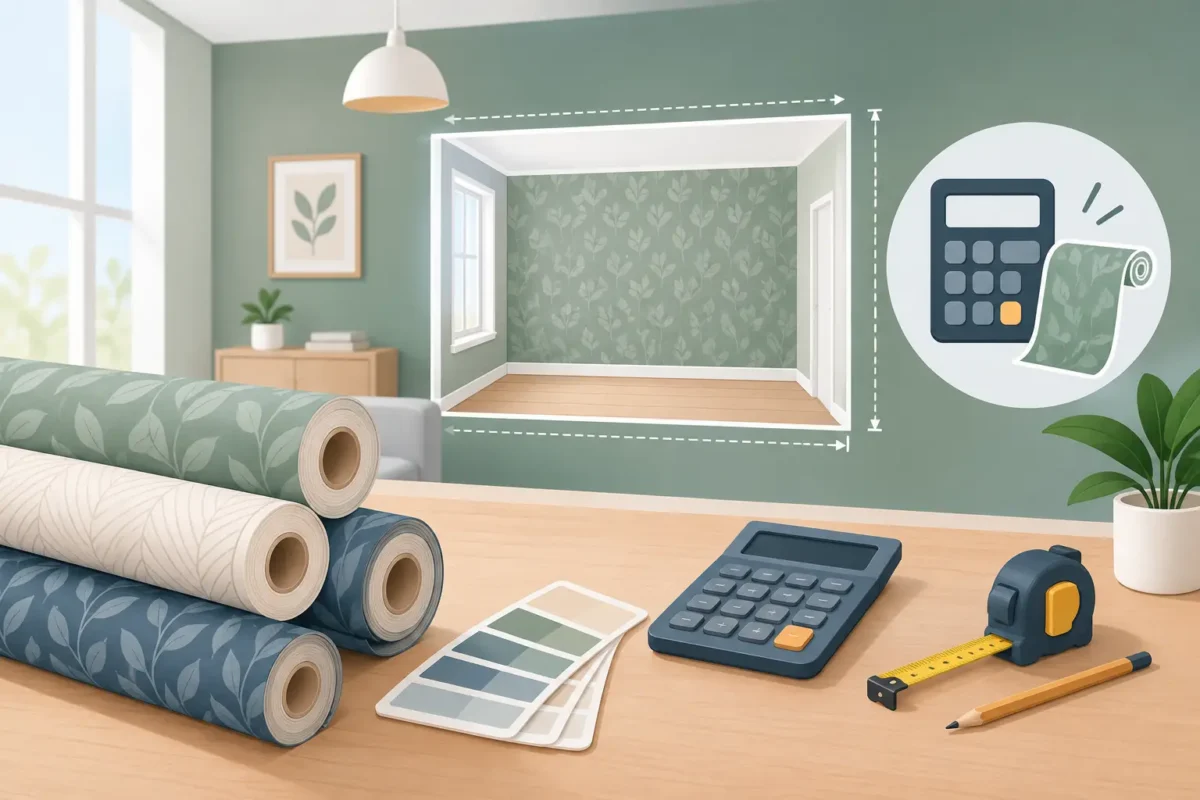
Scale determines whether a geometric wallcovering feels tailored or overwhelming. Large-format patterns suit broad, uninterrupted walls and double-height spaces. Smaller repeats can bring rhythm to corridors, dressing rooms, alcoves, and compact guest bathrooms. Before final selection, assess the full repeat, not only a small sample, and consider where seams will fall.
Botanicals remain a luxury staple, yet the direction has changed. The strongest designs are painterly, oversized, hand-drawn, shadowed, or abstracted rather than conventionally floral. Tropical leaves, misty forests, delicate branches, birds, and water-inspired forms are being interpreted with more restraint and artistry.
For residential interiors, these wallcoverings create a sense of retreat in bedrooms, lounges, and dining areas. In restaurants and hotels, they offer an immediate emotional cue, helping a space feel restorative, intimate, or transportive. A dark botanical mural behind banquette seating, for example, can create drama while also providing a strong backdrop for photography.
Nature-led pattern needs a disciplined surrounding palette. If the wallcovering carries a large-scale scene or rich color movement, allow upholstery, flooring, and window treatments to support it rather than compete with it. Luxury comes from controlled contrast, not from adding every available decorative element.
A wallcovering may look exceptional on opening day, but commercial and family spaces quickly reveal whether it was specified correctly. This is why performance-led materials are becoming a defining part of premium design. Fabric-backed wallcoverings, durable vinyl surfaces, washable finishes, and fire-retardant options provide essential reassurance for offices, hotels, retail environments, and high-use residences.
The right specification depends on the location. A private bedroom can prioritize softness and visual detail. A hotel corridor needs greater resistance to scuffs and regular cleaning. A restaurant may require a finish that handles moisture, service activity, and intensive maintenance. Areas near pantries, bathrooms, or entry points also benefit from materials chosen for their environmental demands.
Project teams should ask direct questions before approving a design: Is the wallcovering suitable for the intended traffic level? Can it be cleaned with the products used on site? Does it meet relevant fire and safety requirements? Is the substrate stable, dry, smooth, and properly primed? These details protect the design investment and prevent avoidable rework.
Luxury wallcovering is unforgiving of rushed workmanship. Pattern matching, corner treatment, seam placement, adhesive selection, and surface preparation all influence the finish. Even an exceptional European wallpaper or bespoke mural can lose impact if it is installed over uneven walls or aligned without precision.
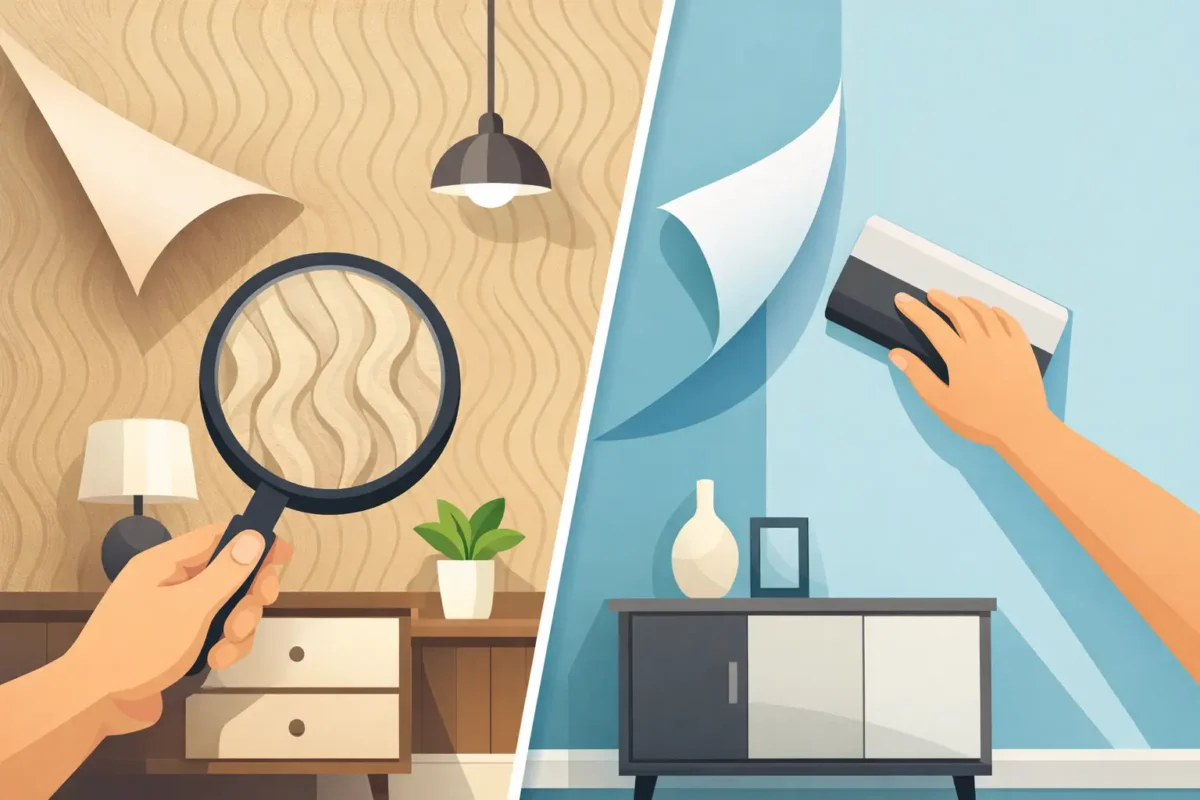
Professional installation begins before the first panel is hung. Walls should be inspected for moisture, cracks, old adhesive, dust, and unevenness. For murals, installers should review panel numbering, artwork orientation, and focal points before trimming. For patterned products, they should plan the layout so that repeats are balanced around key sightlines, openings, and furniture.
This is also where a full-service partner adds value. Decorating Depot brings product selection, custom production, technical guidance, and installation expertise into one coordinated process, reducing the gap between an ambitious concept and a dependable completed wall.
Rather than selecting the most dramatic design in a showroom, begin with the role the wall needs to play. A calm primary bedroom may benefit from a tactile neutral with subtle movement. A restaurant entrance may call for a custom mural that creates instant identity. A corporate boardroom may require a refined geometric texture that supports a premium impression while remaining practical for daily use.
Consider viewing distance as well. Fine textures and delicate metallics are appreciated up close, while murals and large-scale patterns command attention across a room. Lighting should be tested against samples at different times of day, particularly when a design includes sheen, dark pigments, or layered color.
The best trend is the one that strengthens the space long after novelty fades. Choose a wallcovering with a clear design purpose, a material specification suited to real conditions, and installation quality that lets every detail perform as beautifully as it was intended to.