A statement wall is only as convincing as its finish. The pattern can be exceptional, the mural can be custom-designed, and the material can be engineered for demanding interiors, yet a visible seam, uneven panel, or poorly prepared surface can distract from the entire effect. Wallcovering installation experts bring the precision that allows premium wallpaper, bespoke murals, and commercial wall finishes to perform as intended.
For homes, hospitality spaces, offices, retail environments, and large-scale developments, installation is not a final detail to leave to chance. It is the point where design intent meets the realities of wall conditions, lighting, traffic, moisture, corners, ceilings, and architectural features. Professional execution protects both the visual impact of the wallcovering and the value of the investment behind it.
Professional installers do far more than apply material to a wall. Their work begins with assessment: checking whether the substrate is smooth, dry, sound, and suitable for the selected wallcovering. Painted surfaces, new plaster, drywall, concrete, timber, and previously papered walls all require different considerations. A beautiful finish depends on starting with a stable surface.
They then plan the layout. This is particularly important for large-repeat designs, geometric patterns, textured finishes, and custom murals. The first drop establishes the alignment for every panel that follows. If it is not level and correctly positioned, the error becomes more obvious across the room.
For a mural, layout involves more than matching edges. The installer must consider where faces, focal points, brand graphics, architectural lines, and key details will sit once the artwork meets doors, windows, built-in cabinetry, switches, and ceiling heights. A professionally produced custom print deserves equal care at installation.
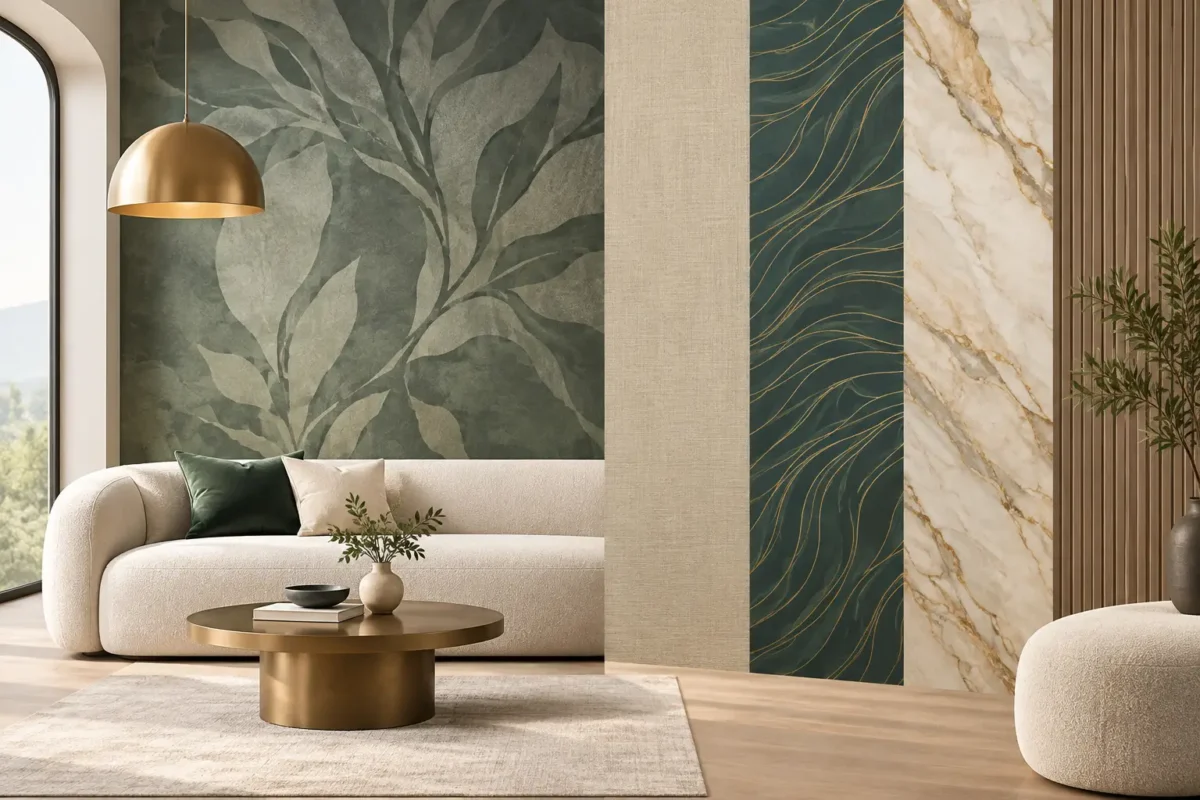
Premium wallcoverings often reveal workmanship more clearly than basic paint. Fine metallic details, silk-like finishes, fabric-backed textures, deep embossing, and high-definition printed artwork create a refined surface, but they also demand exact handling. Seams must be clean, pattern matches must be accurate, and adhesive must be chosen for the material and environment.
This is where experience matters. Paper-backed wallpaper, non-woven materials, vinyl surfaces, textile wallcoverings, and fabric-backed commercial products do not behave in the same way. Some require paste applied to the wall, others to the backing. Some expand when wet, while others need specific trimming techniques to avoid fraying, staining, or lifted edges.
A skilled installation team understands these material differences before work begins. That knowledge reduces avoidable waste and helps preserve the finish, especially when working with limited-run designs, high-value European collections, or made-to-measure murals that cannot simply be replaced from stock.
Pattern matching is often what separates an adequate installation from a polished one. Florals, stripes, murals, lattices, and abstract graphics must flow naturally from panel to panel. Depending on the design, this may require straight matching, drop matching, reverse hanging, or a carefully planned custom panel sequence.
There are trade-offs to consider. A large pattern may require more material to achieve proper alignment, while a mural may need deliberate cropping at the room edges to preserve its central composition. Wallcovering installation experts can identify these factors during measurement and planning, rather than discovering them after materials have been cut.
Most installation problems begin behind the wallcovering. Small imperfections may be invisible under paint, but wallpaper can reveal bumps, cracks, old adhesive, uneven repairs, and inconsistent wall texture. Darker colors, smooth finishes, and directional lighting can make these flaws even more apparent.
Preparation may include removing old wallcoverings, repairing damaged areas, sanding, cleaning, sealing porous surfaces, and applying the correct primer. The right primer supports adhesion while making future removal more manageable. It can also prevent moisture from the adhesive from interacting with the wall surface in ways that affect the finish.
Commercial projects require an additional level of discipline. Walls in corridors, lobbies, restaurants, guest rooms, retail spaces, and offices may have been exposed to frequent cleaning, impact, humidity, or previous renovation work. The installer must determine whether the selected wallcovering and preparation system are appropriate for the conditions, not simply whether the design looks right in a sample book.
Installation expertise is most valuable when it is paired with material knowledge. The right choice depends on how the room will be used, how much maintenance it will need, and the visual atmosphere the project is meant to create.
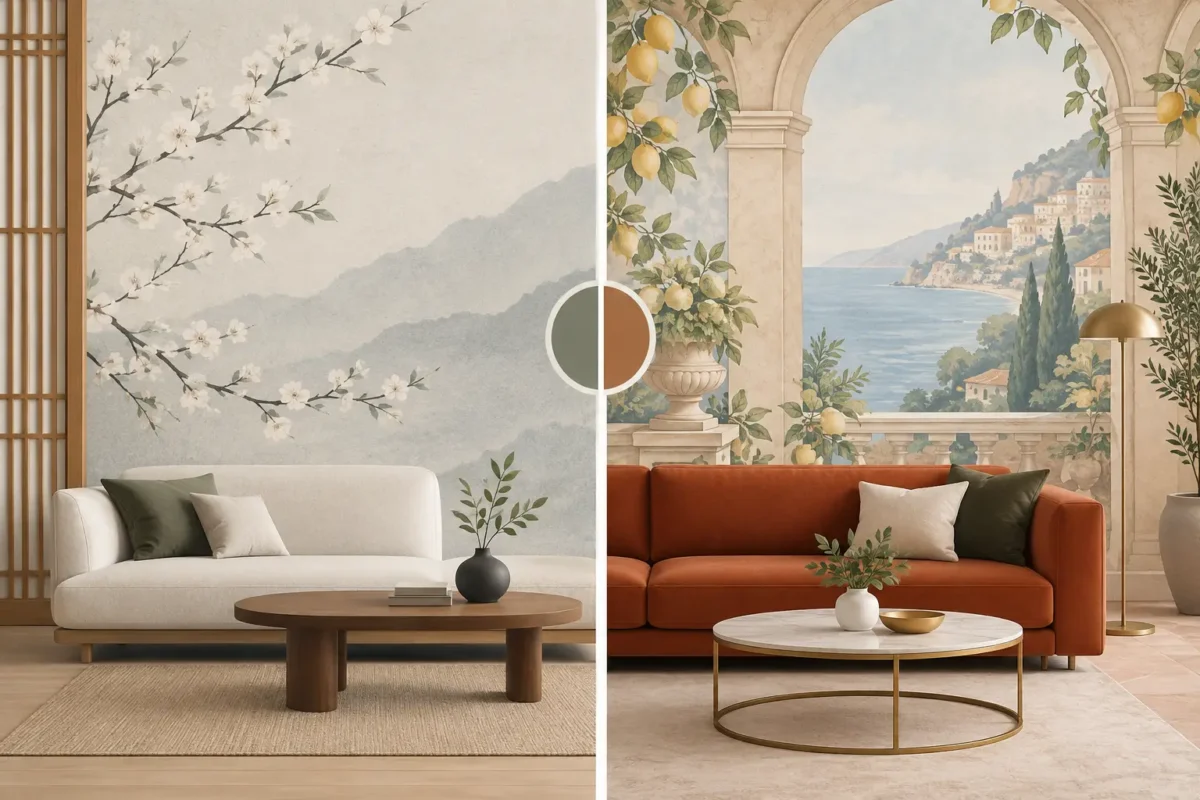
For a private bedroom, a soft Korean wallpaper, textured European design, or personal custom mural can create a distinctive retreat. In a busy family area, washable and durable surfaces may be a more practical choice. For hospitality, retail, and workplace interiors, fabric-backed commercial wallcoverings can deliver a high-end finish with the strength needed for high-traffic areas.
Performance requirements should be discussed early. Fire-retardant specifications, cleanability, moisture resistance, durability, and project compliance can all influence the right selection. A wallcovering that is perfect for a feature wall in a residence may not be suitable for a hotel corridor or food-service setting.
Decorating Depot approaches this as a complete design and execution decision, with decorative options that range from curated wallpaper collections to custom-printed murals and project-grade finishes. The goal is not simply to cover a wall, but to specify a surface that works beautifully in its intended setting.
Custom murals offer freedom that ready-made wallpaper cannot. They can reflect a brand story, create a destination backdrop, enlarge a compact room visually, or bring a personal image into a residential interior. Yet their impact relies on accurate site measurement and thoughtful artwork preparation.
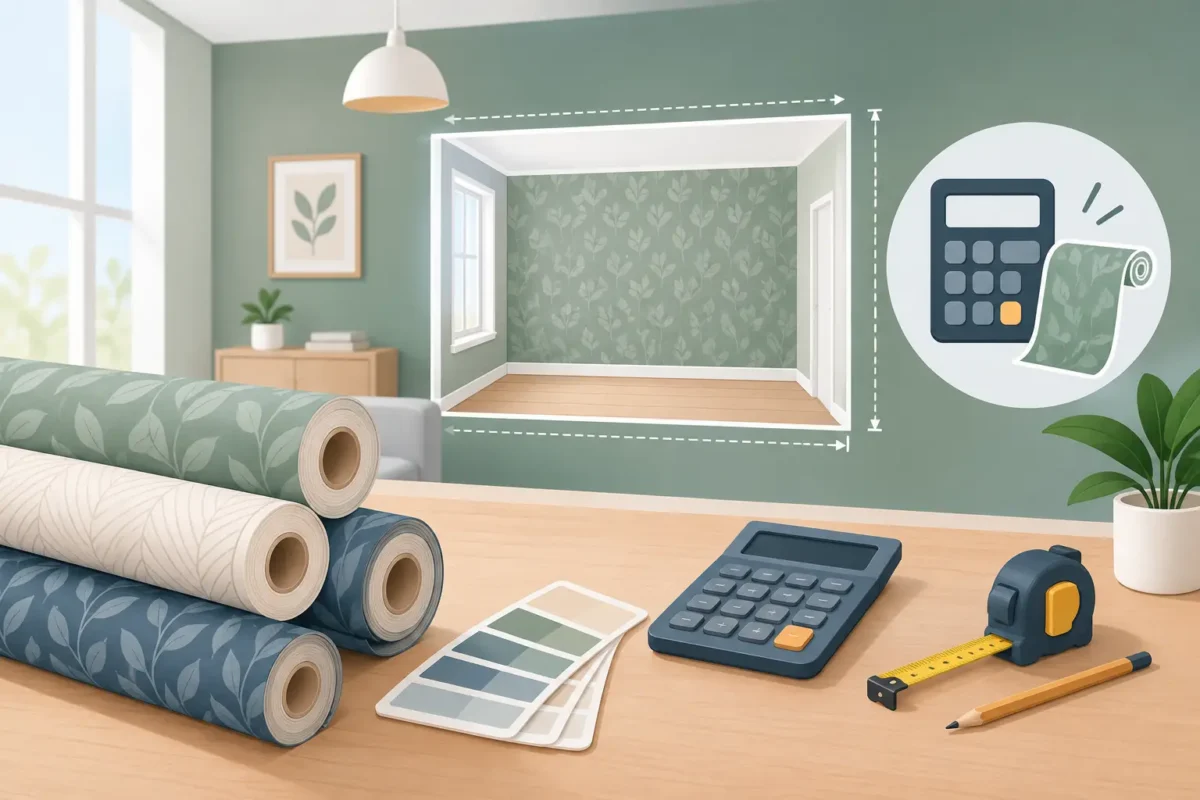
Before printing, measurements should account for actual wall dimensions, ceiling variation, obstacles, and any areas that will be concealed by furniture or fixtures. A wall that appears rectangular may have uneven corners, sloping ceilings, or a floor line that shifts across the room. Custom production should allow appropriate bleed so the image can be trimmed accurately on site.
Canon printing technology can deliver detailed imagery, strong color, and precise personalization, but the installation process still determines how that artwork reads at full scale. Professionals plan panel order, protect the printed surface during handling, and align every section so the finished mural feels intentional rather than assembled.
Some projects are less forgiving than others. A small, simple wall with a forgiving non-woven design may be manageable for an experienced DIY homeowner. Even then, surface preparation and careful measuring remain essential. However, the case for professional installation becomes much stronger when the material is costly, the pattern is complex, or the project carries a commercial deadline.
Professional support is particularly valuable for large murals, tall stairwells, double-height walls, fabric-backed wallcoverings, textured materials, metallic finishes, hospitality projects, retail rollouts, and spaces with many doors, windows, or built-ins. These installations require more than patience. They require the right tools, safe access methods, sequencing, and the ability to solve site-specific issues without compromising the finish.
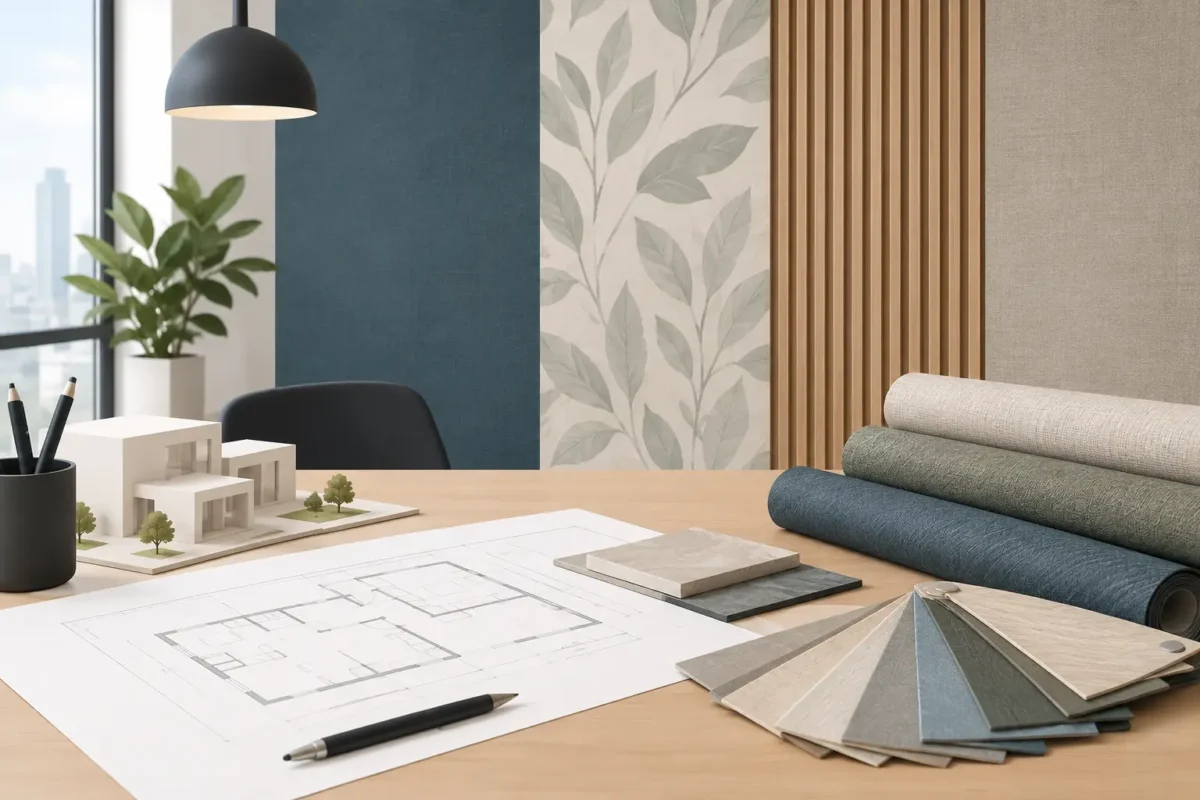
For designers, architects, and developers, expert installation also supports consistency across multiple areas. A single standard of workmanship matters when a project includes guest rooms, meeting spaces, show units, branded feature walls, or a network of commercial locations. It helps ensure the approved sample translates into the finished environment.
The installation process becomes more efficient when the project team shares the right information early. Wall dimensions, site photographs, material selection, finish schedules, room use, and project timing all help installers plan properly. If a wall has moisture concerns, recent plasterwork, irregular surfaces, or restricted access, those details should be addressed before installation day.
It is also wise to decide what needs to be removed or protected. Furniture, artwork, electrical faceplates, shelving, and window treatments can affect access and finishing quality. In active commercial spaces, installation may need to be phased around operating hours, guest movement, or other trades.
The most successful projects treat wallcovering as a designed surface rather than an afterthought. When selection, printing, preparation, and installation work together, the result has greater depth, cleaner detail, and a longer service life.
A well-installed wallcovering does not ask for attention because of its seams or edges. It earns attention because the room feels complete: more expressive, more polished, and built to hold its character over time.