A statement wall beside a dining table, a hotel corridor finished in soft texture, or a family kitchen with constant activity all ask different things of a wallcovering. Knowing how to choose washable wallpaper means looking beyond a beautiful pattern. The right selection must suit the room’s moisture, traffic, cleaning routine, lighting, and design intent – without making the space feel overly utilitarian.
Washable wallpaper offers a refined alternative to painted walls where everyday marks, splashes, and fingerprints are expected. Yet “washable” is not a single performance standard. Materials, surface finishes, and installation conditions all affect how well a wallcovering will look after years of use.
The first question is not whether you prefer a botanical print, linen texture, or bold mural. It is how the room is used. A guest bedroom may only need a gently washable surface for occasional dust or marks. A children’s room, entry hall, café, or retail fitting area may need stronger resistance to frequent wiping and contact.
Kitchens and powder rooms deserve particular attention. They are often suitable for washable wallpaper, provided the wallcovering is not installed where it receives direct, repeated water exposure. Behind a sink, inside a shower enclosure, or on a wall with persistent condensation, a more specialized waterproof surface may be the better choice. Even high-quality wallpaper performs best when it is matched to the environment it was designed to serve.
For commercial interiors, consider the entire operational picture: guest turnover, cleaning staff, luggage or furniture contact, humidity control, and the expected life of the fit-out. A visually delicate paper may be perfect for a private lounge, while a fabric-backed commercial wallcovering is more appropriate for a busy hotel hallway or office reception.
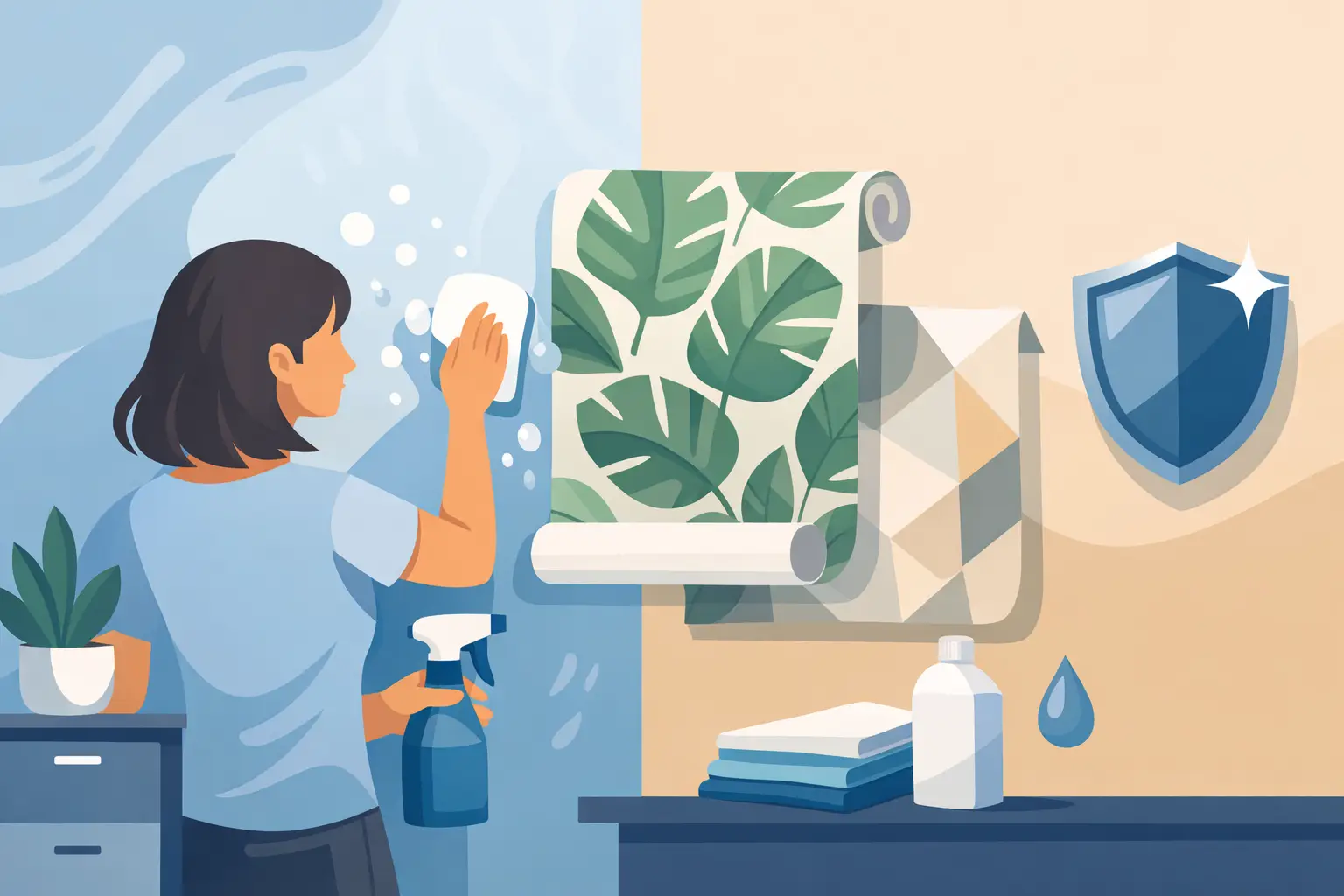
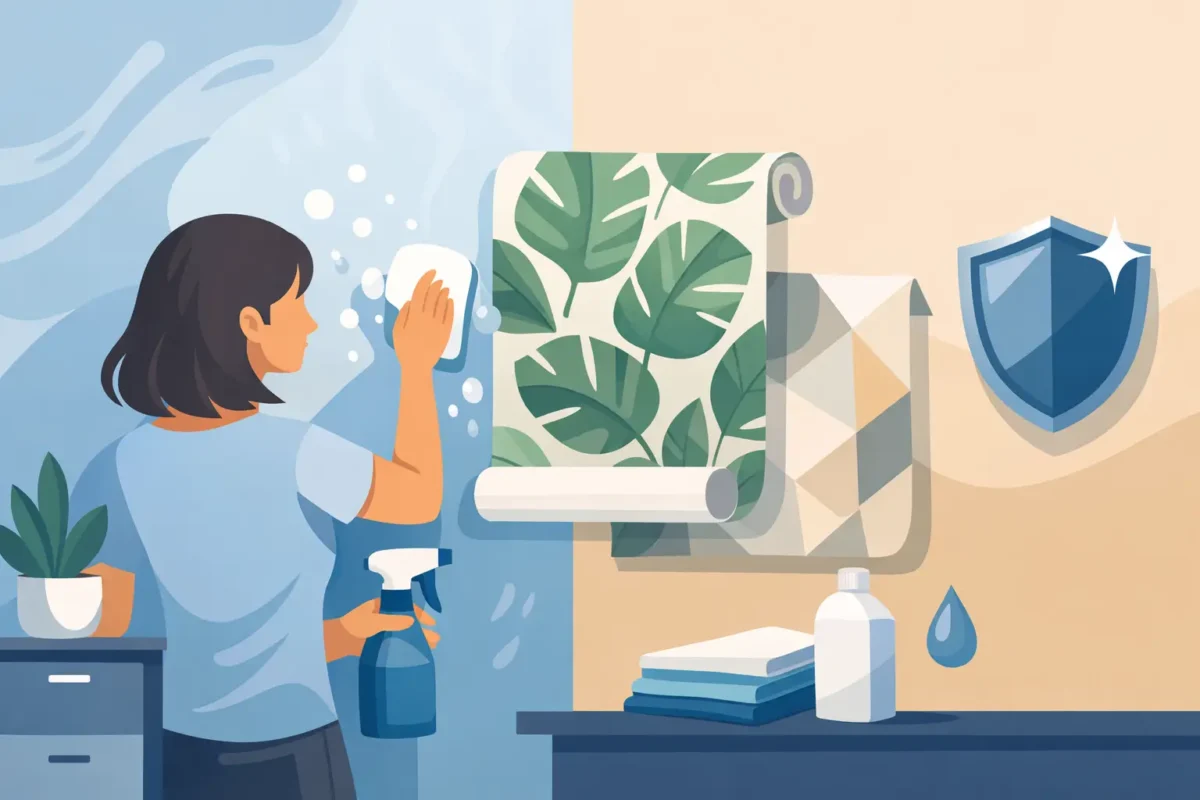
A washable finish generally allows light cleaning with a soft damp cloth, mild soap, and careful pressure. It is designed to handle everyday surface marks better than standard uncoated paper. However, washable does not automatically mean it can withstand scrubbing, disinfectants, abrasive sponges, or repeated heavy cleaning.
When comparing options, ask about the specific cleaning performance rather than relying on a broad label. The practical distinction matters:
The finish affects the visual result as well. A smooth vinyl surface can be exceptionally practical, but may not deliver the same soft, layered character as embossed textures, woven-look designs, or natural-fiber effects. The best specification balances maintenance with the atmosphere you want to create.
For residential spaces with normal activity, vinyl-coated wallpaper can offer a polished balance of design variety and easy care. It works well in hallways, dining rooms, bedrooms, kitchens away from direct splash zones, and family areas where a painted wall may quickly show wear.
For spaces exposed to higher traffic, consider heavier-duty vinyl or fabric-backed wallcovering. These materials are often selected for offices, hospitality projects, healthcare-adjacent areas, retail interiors, and multi-unit developments because they are built to handle more contact while maintaining a considered finish. They also tend to conceal minor wall imperfections more effectively than thinner products.
Textured washable wallpaper deserves a closer look before selection. Raised patterns, deep embossing, and fabric-like surfaces create visual richness, but they can hold dust or require more careful cleaning than a flat finish. This is not necessarily a disadvantage. In a low-contact living room or boutique guest suite, that texture may be exactly what elevates the room. In a restaurant corridor cleaned every day, a lower-relief, commercial-grade finish may be the wiser investment.
Wallpaper failures are often blamed on the product when the real cause is an unsuitable wall condition. Moisture trapped behind a wallcovering can lead to lifting seams, staining, or mold concerns. Before choosing a washable design for a bathroom, kitchen, or tropical-climate property, assess ventilation and make sure the substrate is completely dry, sound, and properly prepared.
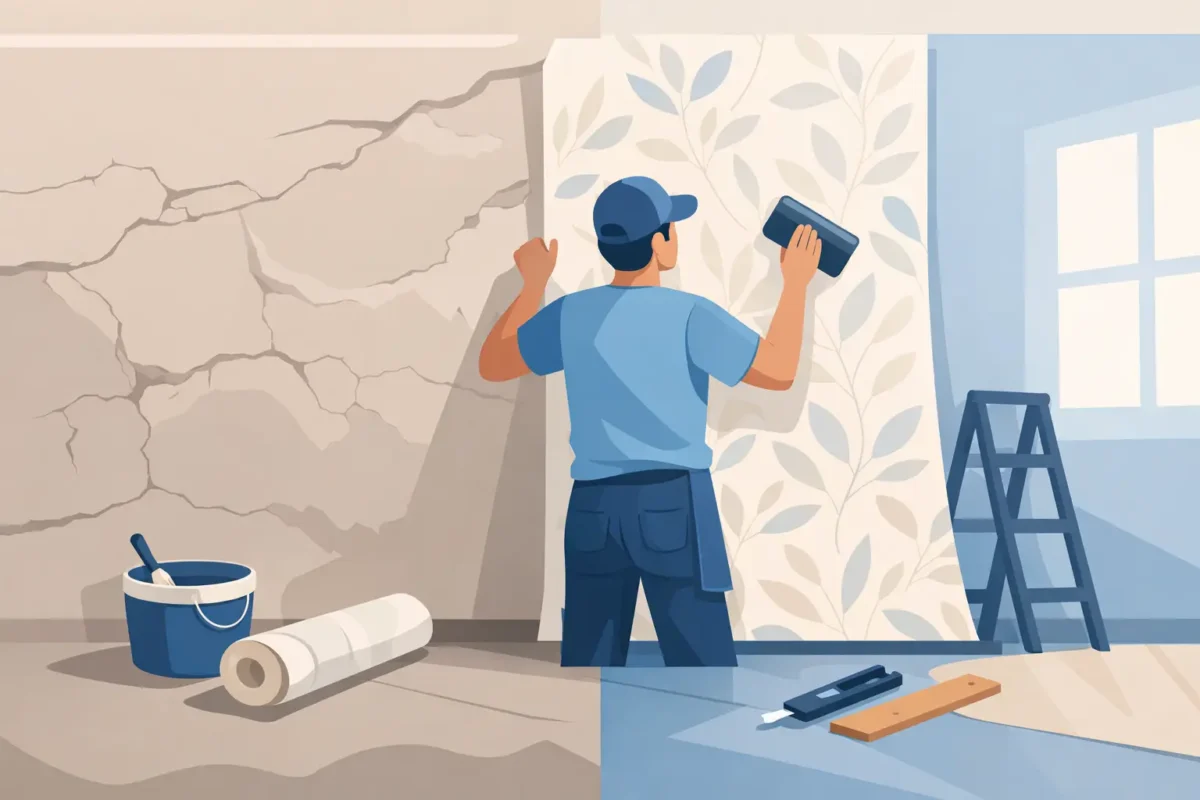
Freshly painted walls need adequate curing time. Existing damp, peeling paint, cracks, or active leaks should be addressed before installation. In commercial renovations, walls may also require surface preparation that meets the adhesive manufacturer’s recommendations. This groundwork is not glamorous, but it protects both the finish and the investment.
Professional installation becomes especially valuable with premium patterns, custom murals, and project-grade wallcoverings. Pattern alignment, seam handling, adhesive selection, and edge finishing all influence washability in real use. A beautifully specified product can lose its performance advantage if seams are poorly installed or water is allowed to reach unprotected edges.
A washable surface is helpful, but color and pattern still determine how much maintenance a wall will appear to need. Very pale solid colors show scuffs more readily, especially near switches, chair rails, elevators, or busy circulation routes. Deep colors can hide marks, although they may reveal dust, streaks, or scratches depending on the finish.
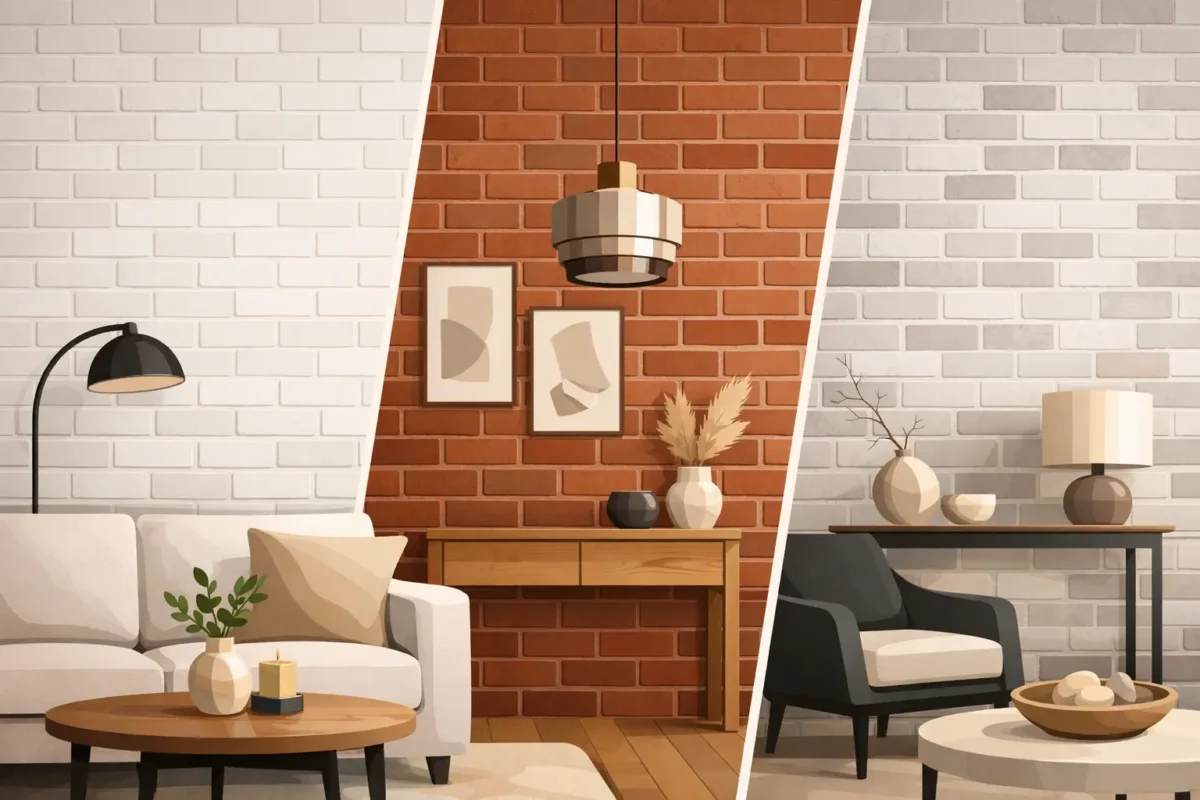
Mid-tone grounds, layered prints, and textured designs are often excellent choices for active spaces. A soft stone effect, tailored linen look, abstract mural, or small-scale organic pattern can disguise minor day-to-day marks while adding depth to the interior. This is particularly useful in family homes, restaurants, workplaces, and hospitality settings where walls need to remain polished between scheduled cleanings.
Think about lighting, too. Glossy surfaces reflect light and can make smaller rooms feel brighter, but they may reveal uneven wall preparation. Matte and textured finishes offer a more understated, luxurious effect and can soften glare. Requesting a sample and viewing it under the room’s actual daylight and artificial lighting is one of the most reliable ways to avoid surprises.
For commercial and hospitality specifications, design is only one part of the brief. Ask for technical information that supports the project requirements, including fire performance where applicable, material composition, cleaning guidance, durability classification, and environmental considerations. A wallcovering should align with local codes, the property’s maintenance procedures, and the expectations of the end user.
Custom print wallpaper and bespoke murals can be equally practical when produced on a suitable washable substrate. This allows brand-led interiors to carry a signature image, color palette, or large-scale artwork without sacrificing day-to-day maintainability. For a reception area, retail concept, restaurant feature wall, or hotel suite, customization creates visual distinction while the substrate determines whether the installation can meet operational demands.
Order enough material from the same production batch for the full installation, including a reasonable allowance for pattern matching and future repairs. If a section is damaged years later, replacing one drop is far easier when matching stock has been retained.
Do not wait until a mark appears to learn how the wallcovering should be cleaned. Confirm the manufacturer’s approved method before finalizing the selection, and make those instructions available to household members, facilities teams, or cleaning contractors.
In most cases, start with the least aggressive approach: remove dust with a dry microfiber cloth, then test a mild soap-and-water solution in an inconspicuous area if needed. Avoid bleach, solvents, harsh degreasers, abrasive pads, and excessive water unless the product specification explicitly allows them. Wipe gently, do not saturate seams, and dry the surface afterward.
This care routine matters as much as the material itself. A commercial-grade wallcovering can tolerate more than a decorative paper, but no finish benefits from repeated chemical exposure beyond its intended use.
A washable wallpaper should make an interior easier to live with, not force you to compromise on character. Choose a finish that reflects the room’s real demands, specify material performance with the same care as color and pattern, and let the wall become a lasting part of the design rather than another surface to worry about.