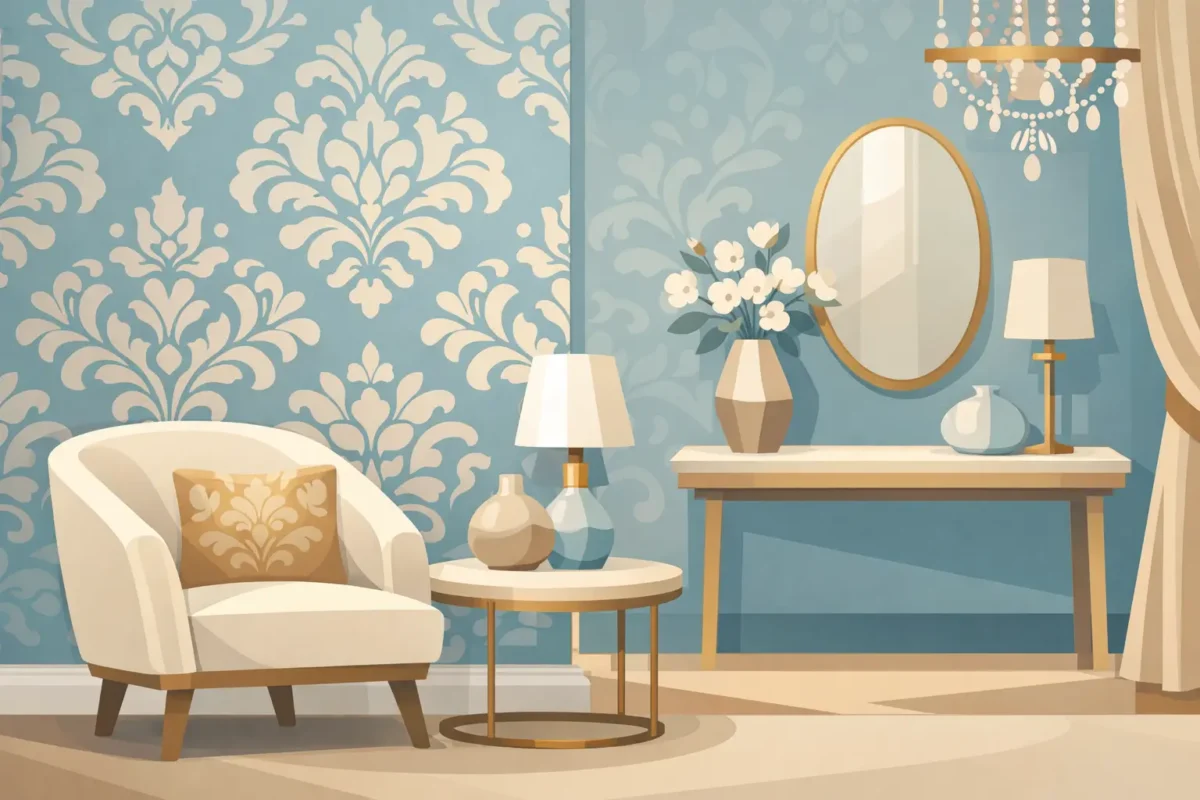
A wallcovering decision can change the entire character of a room, but choosing from a small screen rarely tells the full story. Texture, scale, finish, and light all behave differently once a design reaches full height. This guide to showroom wallpaper consultation helps you arrive prepared, compare materials with confidence, and select a finish that performs as beautifully as it looks.
For homeowners, designers, architects, and commercial project teams, a showroom consultation is not simply about finding a pattern you like. It is a focused design and specification session. The goal is to match your visual direction with the realities of the space: wall condition, traffic level, lighting, maintenance expectations, installation access, and budget.
The most productive consultations start with a clear picture of the room itself. Bring photographs taken in natural and artificial light, along with a simple floor plan or wall measurements. Include ceiling height, doors, windows, built-in cabinetry, feature walls, columns, and any areas where the wallpaper will meet tile, stone, paneling, or paint.
Measurements do not need to be perfect at this stage, but they should be close enough to establish scale and estimate material requirements. A large mural on a 9-foot wall needs a different approach than a repeating geometric design around a compact powder room. Pattern repeat, panel width, trimming allowance, and installation conditions all influence the final quantity.
It also helps to explain how the space will be used. A private bedroom may allow for delicate textures and softer finishes. A hotel corridor, retail environment, office reception area, or restaurant needs a more technical conversation about abrasion resistance, cleanability, fire performance, and long-term appearance. The best wallcovering is rarely the most decorative option in isolation. It is the one that supports the room’s purpose without compromising the design intent.
A wallpaper sample should never be viewed alone. If possible, bring paint chips, flooring samples, fabric swatches, countertop finishes, curtain materials, furniture photos, and even a cabinet door sample. These references make it easier to judge undertones.
Warm white walls can look yellow beside cool gray stone. A taupe wallpaper may appear elegant next to oak flooring but turn flat against a beige sofa. Metallic details may look refined in daylight yet become overly reflective under concentrated downlights. Seeing the materials together in a showroom helps prevent a costly mismatch later.
For commercial interiors, bring brand guidelines, logo files, finish schedules, and any relevant drawings. These details can guide a custom mural, branded graphic wall, or decorative surface that feels integrated rather than applied as an afterthought.
A well-run appointment balances inspiration with specification. You may begin by reviewing broad design directions such as quiet luxury, natural texture, European classic, modern botanical, architectural geometry, or expressive mural art. From there, the discussion should become more precise: Which wall is the focal point? Will the design be seen from close range or across a lobby? Does the room need visual warmth, depth, movement, or a stronger brand statement?
The showroom environment is particularly valuable because it allows you to see wallpaper at a meaningful scale. A small swatch can make a bold pattern look restrained or a subtle texture look invisible. Viewing larger samples reveals whether a print has enough presence for a feature wall and whether its repeat feels balanced across the room.
At Decorating Depot, the consultation can also move beyond ready-made collections. Custom print wallpaper and bespoke murals give projects greater freedom when standard dimensions, colors, or imagery do not meet the brief. A panoramic landscape may need to be cropped around a headboard. A corporate feature wall may need a tailored composition that works around signage and furniture. Customization is most successful when it begins with accurate wall dimensions and a clear understanding of viewing distance.
Material choice deserves as much attention as pattern selection. Residential wallpaper may prioritize touch, detail, and visual character, while commercial wallcovering must often meet more demanding operational needs.
Vinyl and fabric-backed commercial wallcoverings are widely specified for spaces with heavy foot traffic because they offer durability and easier maintenance. They are a practical choice for hotels, offices, healthcare-adjacent environments, corridors, and retail settings, especially where walls may be subject to frequent cleaning or contact.
Paper, non-woven, textured, and specialty finishes can create a more artisanal or luxurious look. Their suitability depends on the room. A finely textured finish can bring depth to a formal living room, executive suite, or boutique hospitality setting, but it may require more considered maintenance than a high-performance commercial product.
For a custom mural, ask how the image will be printed, what ink technology is used, and which substrate best suits the wall. High-quality printing supports sharp detail, accurate color, and a more refined finish. Eco-friendly ink is also a meaningful consideration for homes and occupied commercial interiors. The surface should be selected for both the desired visual effect and the demands of the environment.
Light can elevate a wallpaper or expose every weakness in a poor selection. Showroom lighting offers a reliable starting point, but your actual space may have strong morning sun, warm evening lamps, cool office lighting, or directional spotlights. Take samples home when possible and view them at different times of day.
Dark wallcoverings can create richness and architectural depth, particularly in dining rooms, lounges, bedrooms, and hospitality spaces. They can also make a narrow room feel more enclosed if there is limited light. Large-scale murals make compact rooms feel expansive when the artwork has depth and a clear focal point, yet an overly busy scene can compete with furniture and accessories.
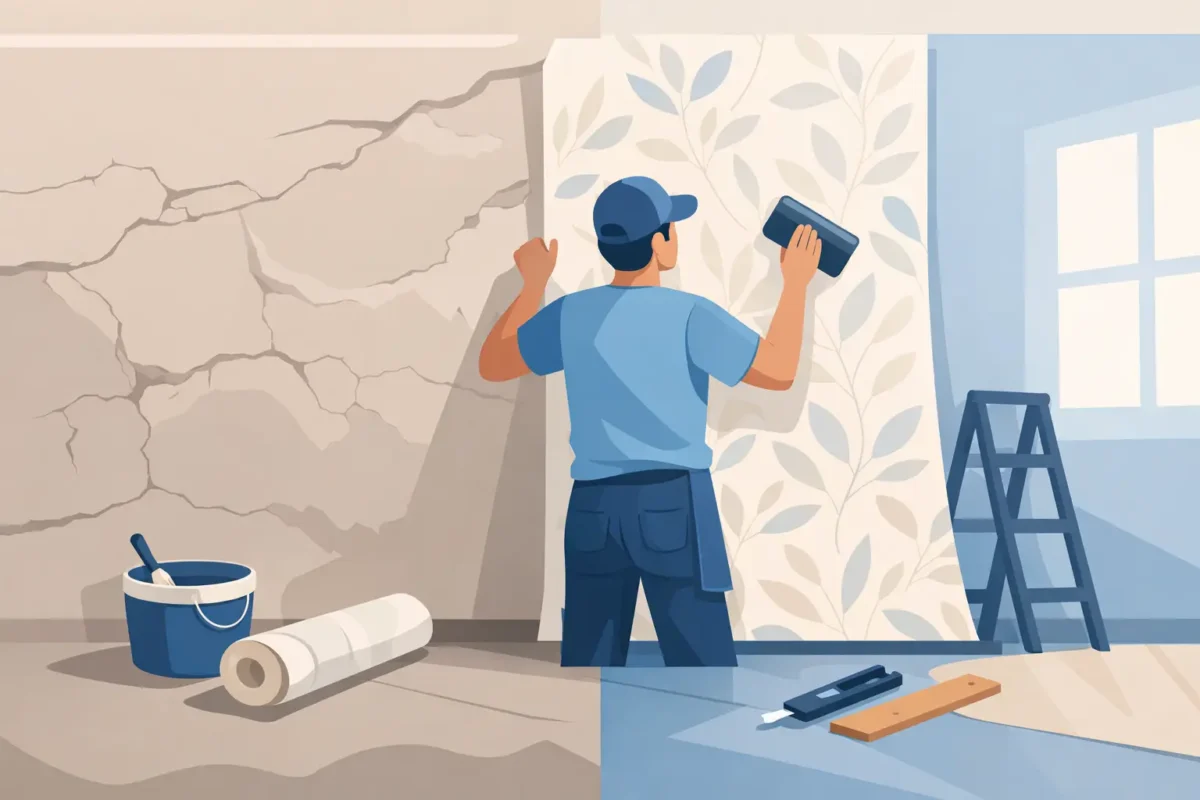
Wall condition matters just as much. Wallpaper will not hide major cracks, moisture problems, or uneven surfaces. Existing paint should be stable, walls should be properly prepared, and any dampness should be resolved before installation. In renovation work, disclose previous wallpaper, textured coatings, fresh plaster, or damaged drywall during the consultation. This allows the installer to recommend the right preparation and adhesive system rather than making assumptions on site.
A refined wallcovering can lose its impact if installation is rushed. Pattern alignment, corner treatment, mural panel placement, cutouts, and finishing around architectural details require technical skill. This is especially true for high-visibility feature walls, hospitality projects, oversized murals, and premium patterned materials.
Discuss whether the room will be occupied during installation, whether furniture must be moved, and whether access is straightforward. Stairwells, double-height walls, tight corridors, and built-in fixtures can affect labor planning. For commercial work, confirm timing restrictions, phased installation needs, and handover dates early.
It is also wise to ask how much extra material is recommended. Ordering precisely to measured square footage may seem efficient, but it can leave no allowance for pattern matching, trimming, unforeseen wall conditions, or future repairs. The right contingency depends on the design and wall layout. A plain texture requires less allowance than a large repeat or a mural with carefully positioned imagery.
Before confirming your selection, review the wallpaper sample beside your key finishes, the proposed layout, material specification, estimated quantity, installation scope, and maintenance guidance. If the project includes multiple rooms, consider how each wallcovering relates to the larger journey through the space. Continuity does not mean using the same design everywhere. It means creating a considered rhythm between statement areas and quieter supporting surfaces.
For designers and project teams, document approved samples and finish codes before procurement. For homeowners, keep one sample in the room until installation day. This simple step gives you a final opportunity to confirm that the color still feels right against your actual lighting, furniture, and flooring.
A showroom consultation turns wallpaper from a decorative purchase into a design decision with lasting value. When the pattern, substrate, wall preparation, and installation plan work together, the finished surface does more than cover a wall. It gives the space a point of view worth living with every day.