A branded space is judged before anyone reads a brochure, speaks to staff, or tries a product. Walls do that work quietly and constantly. Custom wallpaper for brand interiors gives businesses a way to shape first impressions with far more control than paint, generic graphics, or off-the-shelf patterns ever could.
For architects, designers, developers, and business owners, the appeal is not just visual. The right wallcovering can carry a brand story, support wayfinding, improve the feel of a guest or customer journey, and stand up to daily wear in demanding environments. That combination of expression and performance is what separates a decorative finish from a true project material.
Branding in physical space has become more disciplined. A logo on reception glass is no longer enough. People notice whether the space feels aligned, intentional, and complete. In a corporate office, that may mean translating brand colors, values, and culture into meeting rooms, corridors, and breakout areas. In retail, it may mean creating stronger visual memory and a more photogenic environment. In hospitality, it often means building atmosphere while maintaining durability and ease of maintenance.
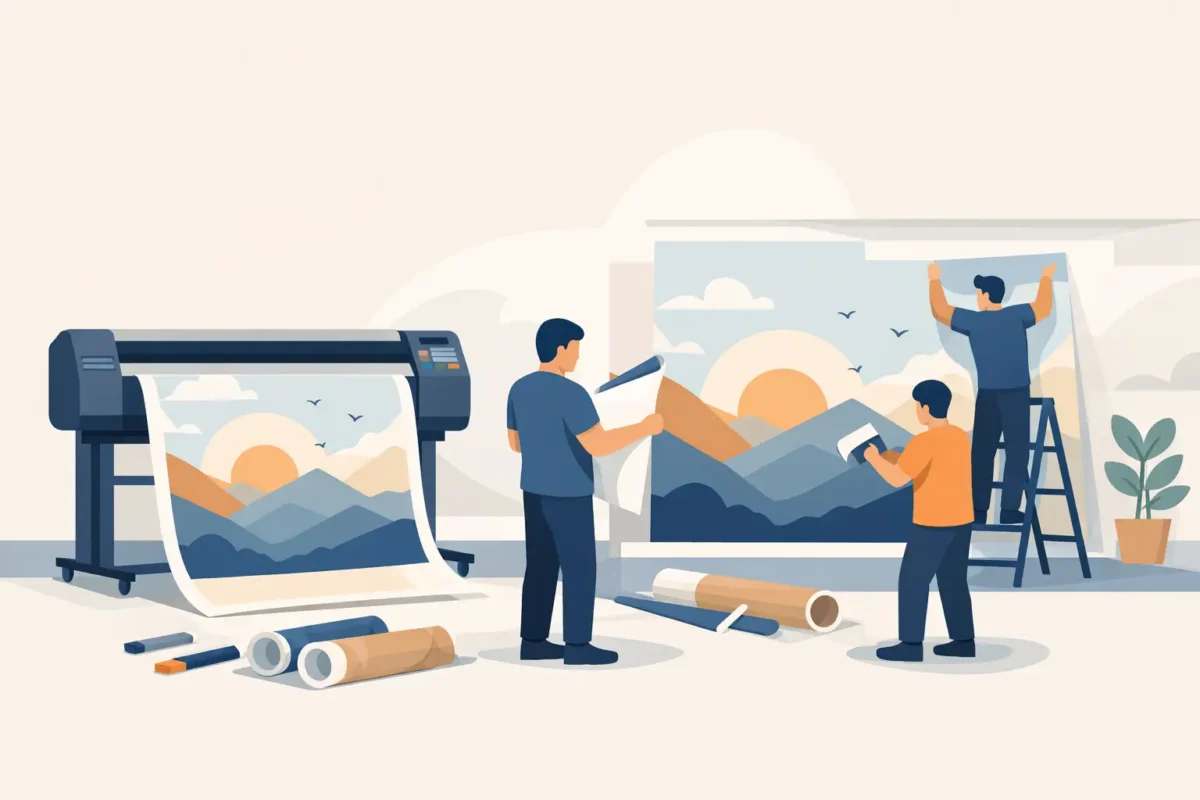
Custom wallpaper works because it can be tailored at multiple levels. The design itself can feature brand motifs, abstract graphics, location-specific storytelling, or large-scale imagery. The size can be adjusted to fit exact wall dimensions rather than forcing a design into standard repeats. The material can be chosen based on traffic, cleaning requirements, and compliance needs. That level of control helps a finished interior look considered rather than improvised.
There is also a practical advantage. Large brand environments often need consistency across multiple rooms or sites. Custom production makes it easier to control color direction, pattern scale, panel layout, and visual continuity, especially when compared with mixing paint treatments, vinyl stickers, and framed graphics from different vendors.
A beautiful design is only half the job. In commercial and hospitality settings, wallpaper needs to perform under pressure. Reception walls, lift lobbies, retail feature zones, hotel corridors, and meeting spaces all experience different kinds of use, and the specification should reflect that.
Durability comes first. High-traffic interiors typically benefit from commercial-grade wallcoverings that resist scuffs, surface wear, and routine cleaning. In some projects, fabric-backed options are preferred because they bring extra strength and dimensional stability. Fire performance may also be essential depending on the project type and local requirements. Easy maintenance matters just as much, particularly in food and beverage, retail, healthcare-adjacent, and hospitality environments where marks and fingerprints are part of daily reality.
Print quality also makes a visible difference. A luxury brand wall should not look flat, pixelated, or poorly matched from panel to panel. Precision printing, reliable color consistency, and clean installation lines are what give a custom surface its premium finish. Eco-friendly ink systems can be another advantage for projects that prioritize lower-emission materials without giving up visual impact.
The most successful branded wallpaper does not always shout the loudest. Sometimes the strongest approach is subtle repetition of brand geometry, a textured neutral with quiet identity cues, or a mural that sets mood instead of broadcasting messaging. The right choice depends on the space, the audience, and how long the design needs to stay relevant.
Reception areas, retail focal walls, and hospitality arrival zones often call for a stronger visual gesture. This is where bespoke murals, oversized graphics, or high-definition custom print wallpaper can create immediate recognition. The wall becomes part of the brand experience, not just a backdrop.
That said, scale needs discipline. A dramatic concept can quickly feel overwhelming if the room is compact, the lighting is harsh, or the design competes with signage and furniture. Strong brand interiors are edited, not crowded.
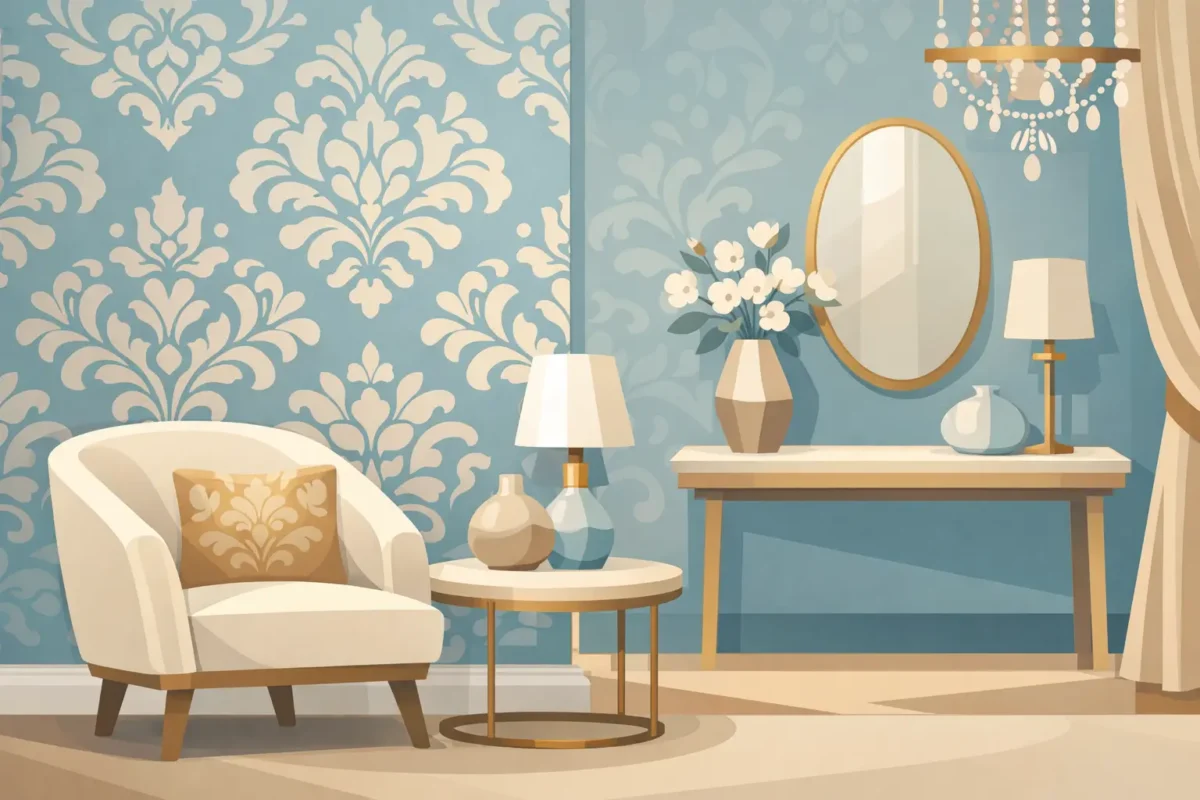
In offices, private lounges, guest rooms, and dining areas, repeating patterns can be the smarter option. They create atmosphere, carry brand character, and remain visually comfortable over time. European and Korean wallpaper collections are often useful here because they offer refined textures, sophisticated patterning, and a more architectural finish than standard graphic prints.
This approach also gives designers flexibility. A central brand theme can be expressed differently across public and private zones while still feeling connected.
When a space needs a narrative layer, murals are particularly effective. A developer may use them to reflect place identity. A hotel may reference local culture in a contemporary way. A corporate headquarters may translate brand history or innovation themes into a large-scale visual feature.
The trade-off is permanence. Narrative walls can be powerful, but they need careful planning so they still feel relevant several years later. Trend-based graphics may create instant excitement, yet timeless concepts usually deliver better long-term value.
Not every interior should use the same specification. A branded café, a luxury boutique, and a corporate boardroom each ask different things from wallcovering.
For offices, many clients prioritize a polished finish, acoustic softness, and low-maintenance surfaces. Textured wallpaper, subtle custom patterns, or branded feature walls often work well because they support a professional setting without visual fatigue.
Retail spaces usually need stronger visual identity and higher resistance to contact. Surfaces near display zones, counters, or fitting room areas benefit from durable materials that can handle regular cleaning. In luxury retail, fine texture and print sharpness become especially important because shoppers notice surface quality at close range.
Hospitality interiors need a balance of atmosphere and resilience. Guest-facing spaces must feel elevated, but operations teams also need finishes that are practical to maintain. Fabric-backed commercial wallpaper and project-grade custom wallcoverings often make sense here because they can deliver both visual richness and engineered performance.
Residential projects with brand-driven spaces, such as home offices, entertainment rooms, or developer show units, usually allow more freedom. Clients may choose bolder murals, softer textures, or bespoke patterns that would feel too personal for a public commercial setting.
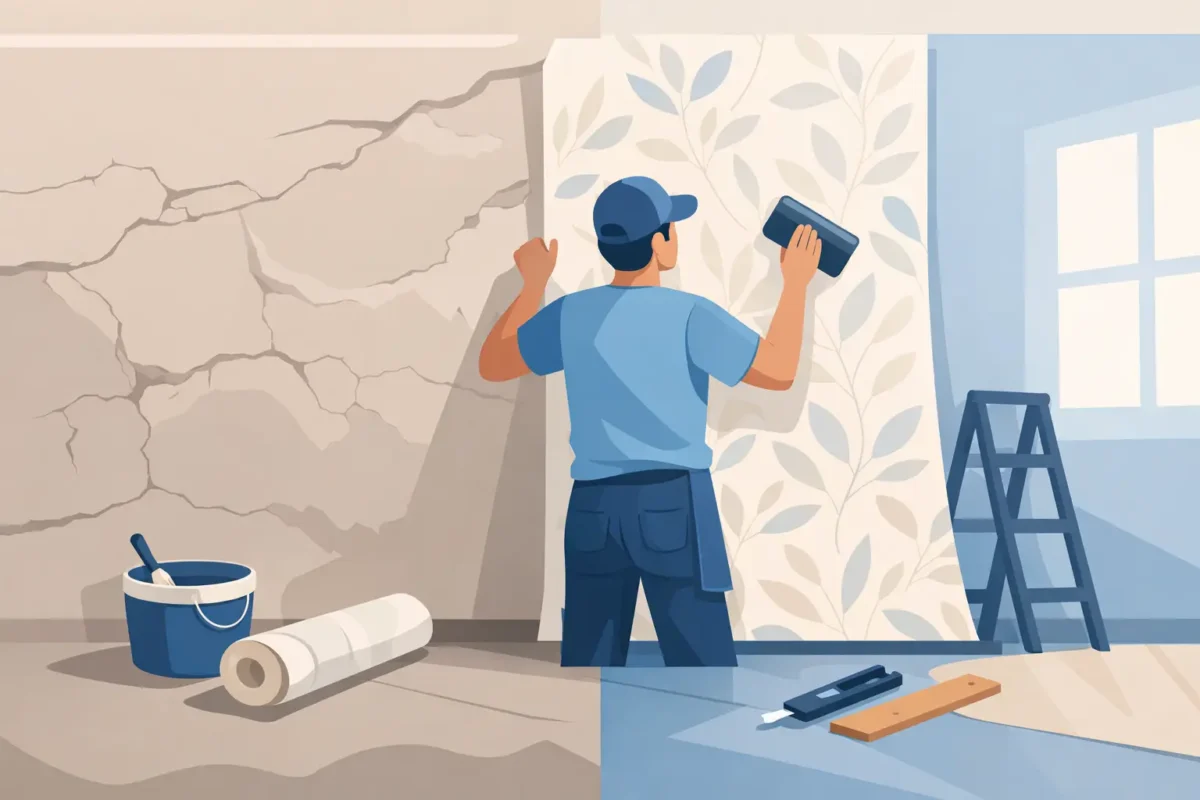
Even the best wallcovering can fail visually if it is installed poorly. Misaligned seams, bubbling, edge lifting, and uneven wall preparation immediately reduce the premium effect. In branded spaces, these flaws are even more visible because the wall often carries a key part of the visual identity.
That is why execution matters as much as selection. Proper substrate assessment, accurate site measurement, panel planning, and experienced installation teams are essential. For custom work, there is very little room for guesswork. A design that is scaled incorrectly or installed without regard to lighting, sightlines, and furniture placement can lose much of its intended impact.
This is also where working with a full-service wallcovering specialist becomes valuable. When design advice, material supply, custom production, and installation are handled with one coordinated process, the outcome is more consistent and far easier to manage. For clients balancing deadlines, multiple stakeholders, and brand standards, that coordination saves time and reduces risk.
The best projects start with three decisions: what the wall needs to communicate, how hard the surface needs to work, and how long the design should remain in place. Those answers shape everything that follows.
If the goal is recognition, a bold graphic or mural may be right. If the goal is a more elevated background that still feels branded, texture and pattern may deliver better longevity. If the space sees heavy use, performance should lead the specification rather than being treated as an afterthought.
Sampling is worth taking seriously. Colors shift under different lighting conditions, and textures read differently from a hand sample to a full wall. Mockups, scaled visuals, and material reviews help decision-makers avoid expensive surprises. This is especially useful for multi-site rollouts where consistency matters.
Decorating Depot approaches these projects with both design range and technical depth, which is exactly what branded interiors require. The visual idea has to be compelling, but it also has to be printable, installable, durable, and appropriate for the setting.
Custom wallpaper is not simply decoration. It is a surface strategy. Done well, it gives a brand more presence, a space more character, and the people using it a more memorable experience. The smartest choice is usually the one that looks distinctive on day one and still performs beautifully long after the launch photos are taken.