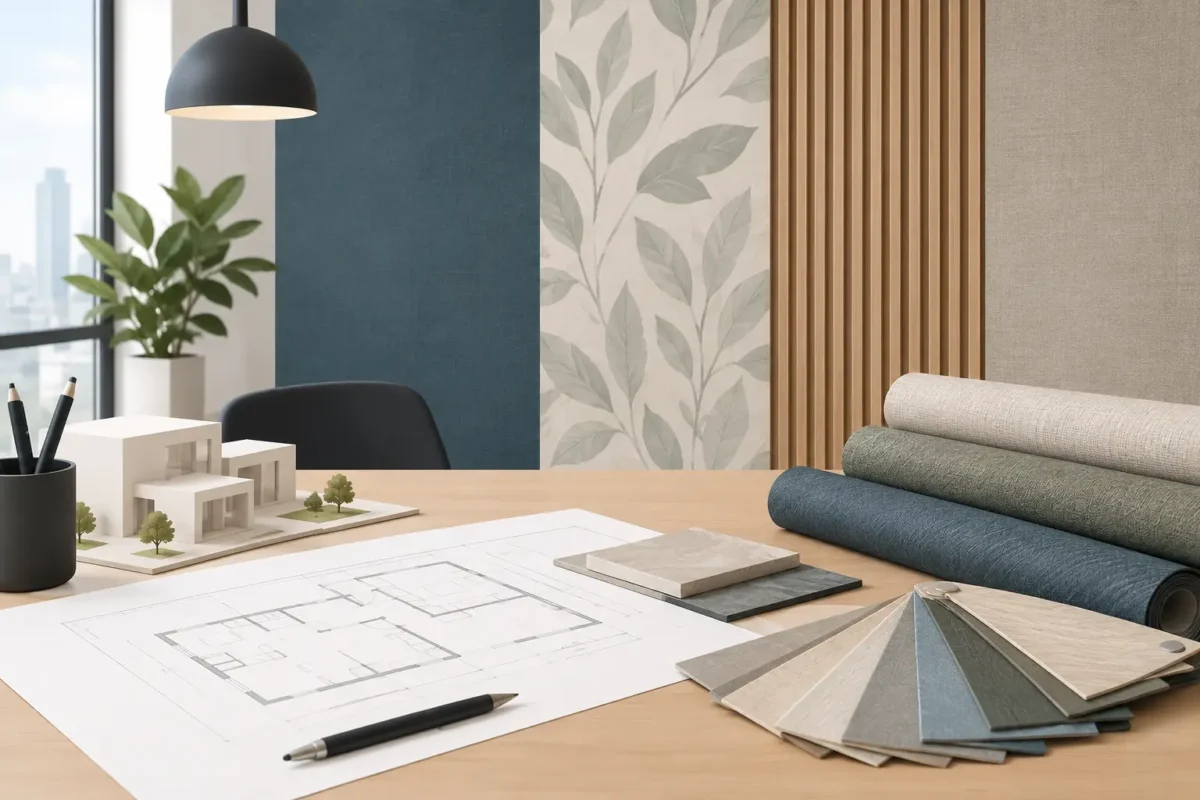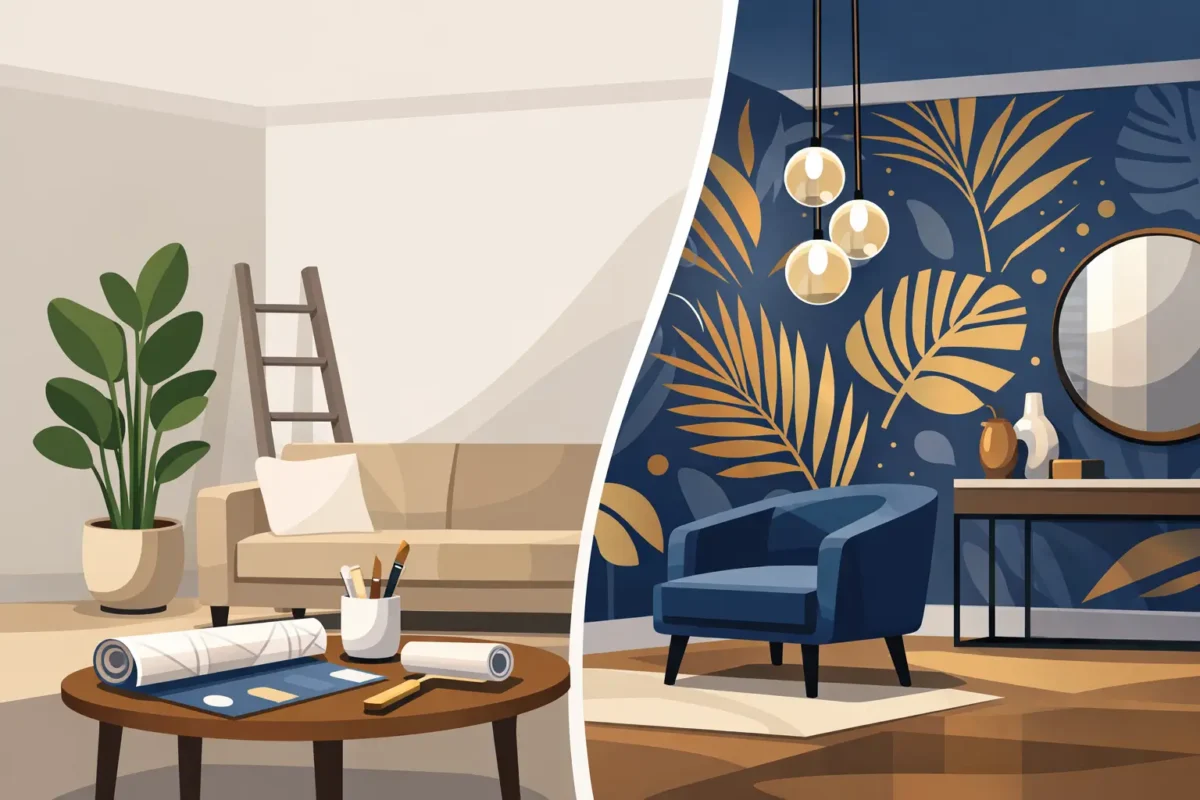
A guest may never ask what is on the wall. They will notice when it feels tired, scuffed, generic, or difficult to keep clean. Fabric back wallpaper for hotels, hospitals and commercial spaces is specified for exactly this reason: it gives designers a richer visual surface while meeting the daily realities of high-traffic interiors.
For hospitality operators, healthcare teams, architects, and commercial property managers, wallcovering is not simply a finishing layer. It is a long-term material decision. The right selection supports brand identity, protects walls, simplifies maintenance, and helps public-facing spaces retain their intended standard long after opening day.
Fabric-back wallpaper, often called fabric-backed vinyl wallcovering, combines a decorative vinyl face with a woven or non-woven fabric backing. This construction gives the material strength, dimensional stability, and a more forgiving installation profile than many lightweight residential papers.
Its value becomes clear in corridors, guest rooms, reception areas, patient rooms, elevators, meeting spaces, retail interiors, and offices. These walls are exposed to luggage, carts, cleaning schedules, hand contact, furniture movement, and constant visual scrutiny. Painted drywall can mark quickly and requires repeated touch-ups. A project-grade wallcovering creates a more resilient, finished surface that is designed to carry color, pattern, and texture over time.
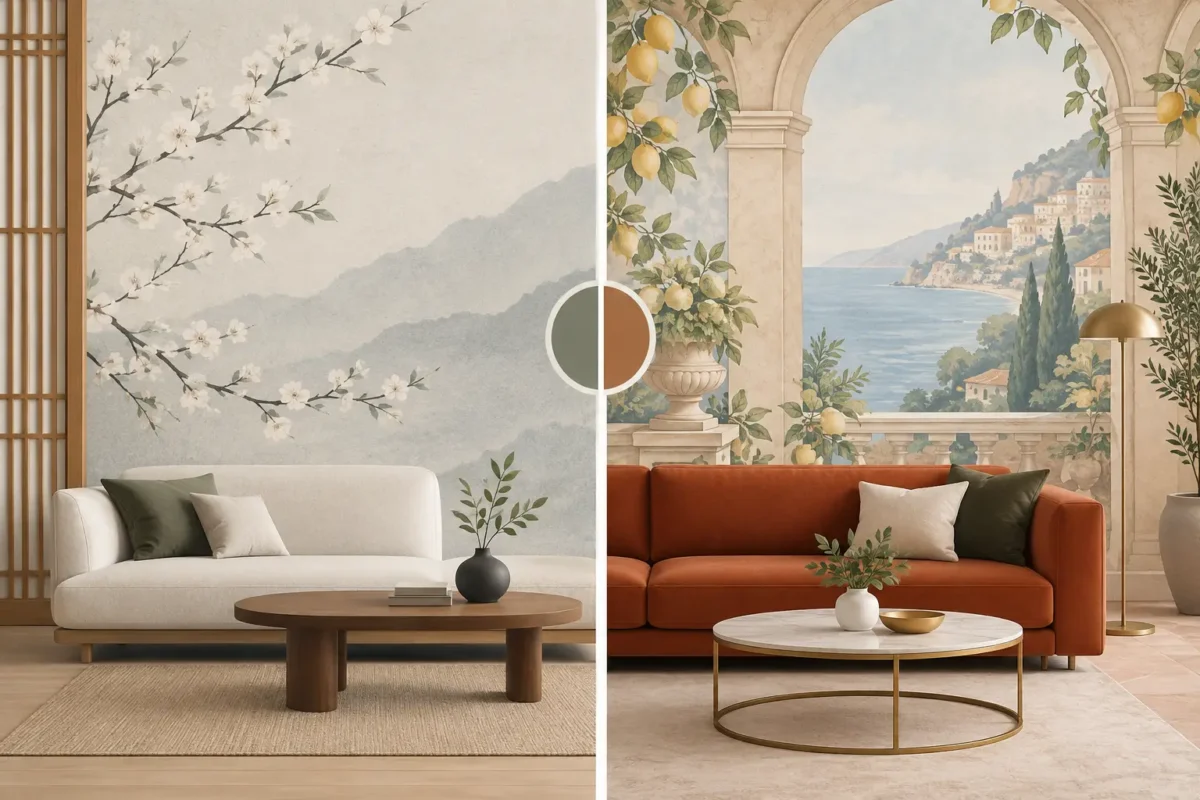
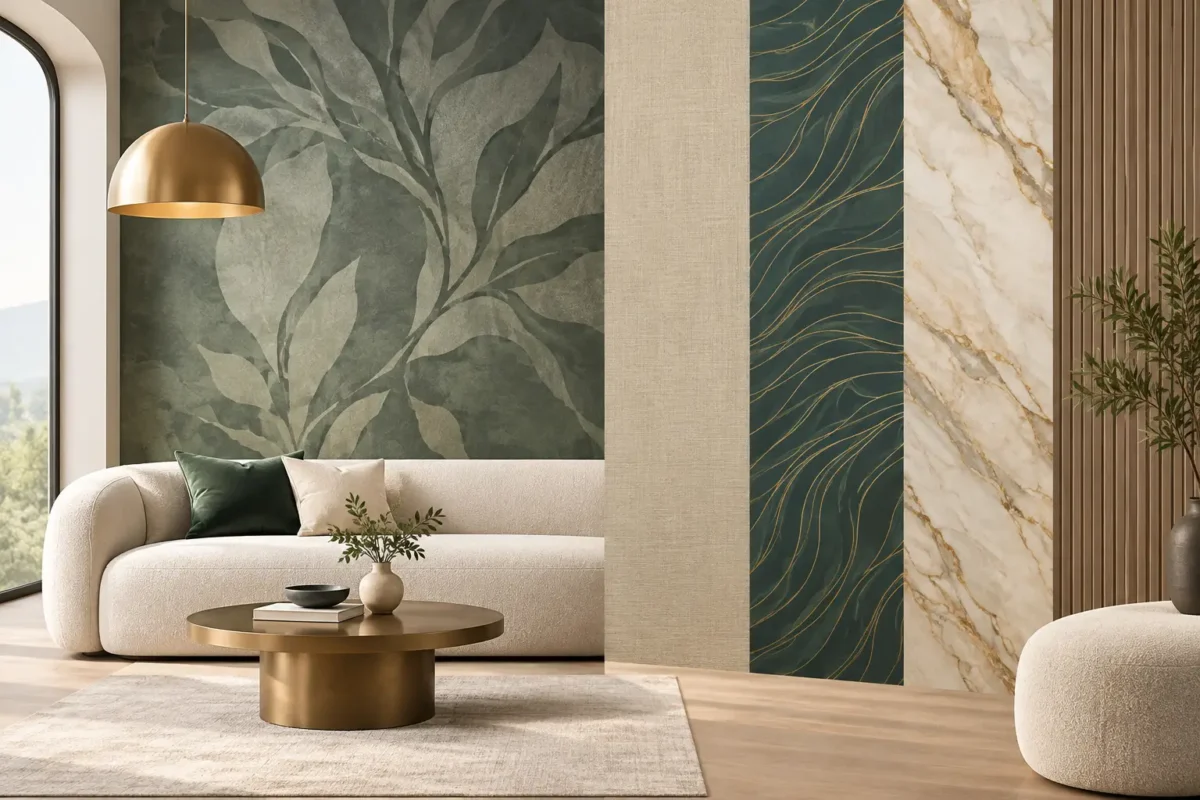
The vinyl face is also where design takes shape. It can recreate linen, silk, grasscloth, concrete, stone, timber, plaster, or finely woven textile effects without the maintenance concerns associated with delicate natural materials. This allows a lobby to feel layered and luxurious while remaining practical for a busy check-in environment.
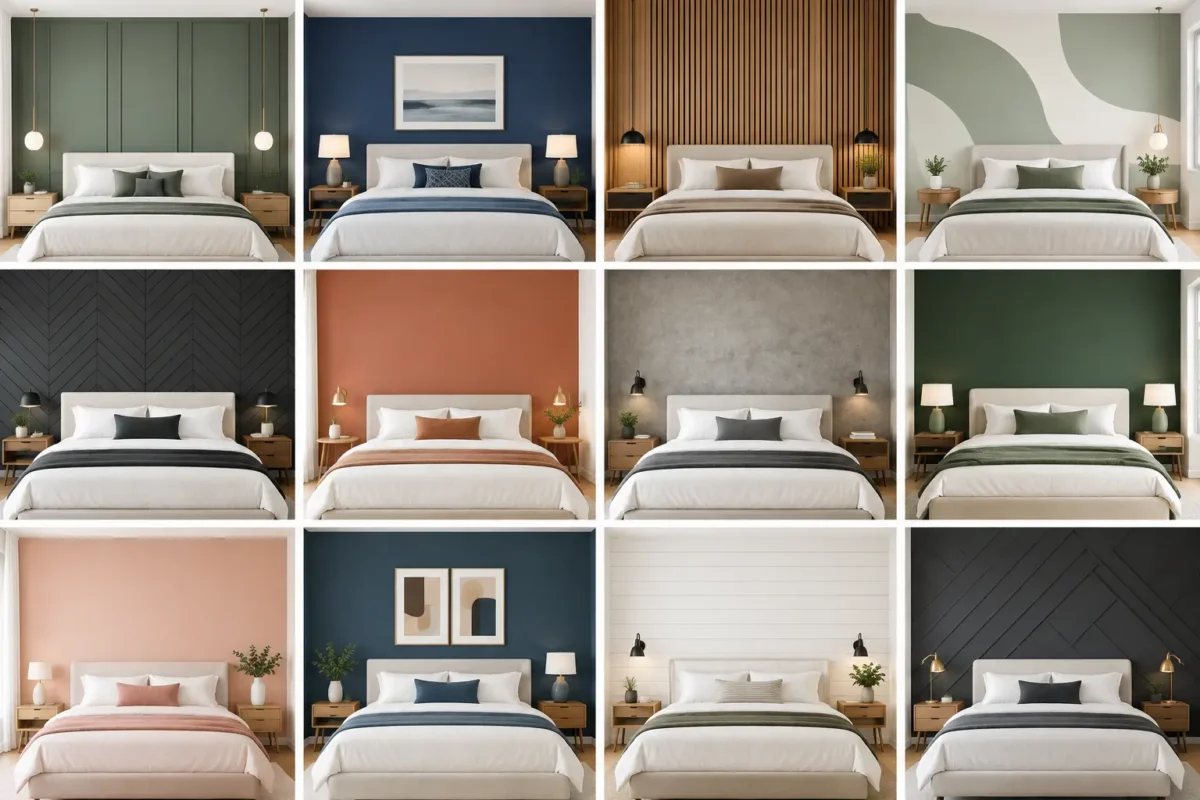
The same material category can serve very different environments, but specification should never be one-size-fits-all. A boutique hotel may prioritize atmosphere and tactile depth. A hospital may prioritize cleanability, calming color, and compliance requirements. A corporate office may need brand expression that can stand up to daily use.
Hotels depend on first impressions, yet they also face frequent room turnover and constant wear in public areas. Fabric-backed commercial wallcovering gives guest rooms and corridors a more elevated finish than paint, with textures and patterns that can disguise minor marks between maintenance cycles.
In lobbies and lounge spaces, larger-scale geometric patterns, natural textures, or custom murals can establish a distinct sense of place. For guestrooms, quieter tonal designs can add warmth without competing with furnishings, lighting, or views. The key is scale: a dramatic wall may be right behind reception, while a subtle woven texture is often the stronger choice across long guestroom corridors.
Performance still matters as much as appearance. Look for materials appropriate for frequent cleaning and consider how lighting will affect sheen. High-gloss finishes can look striking but may reveal surface irregularities under directional lighting. Textured matte or low-sheen finishes often create a more forgiving, refined result.
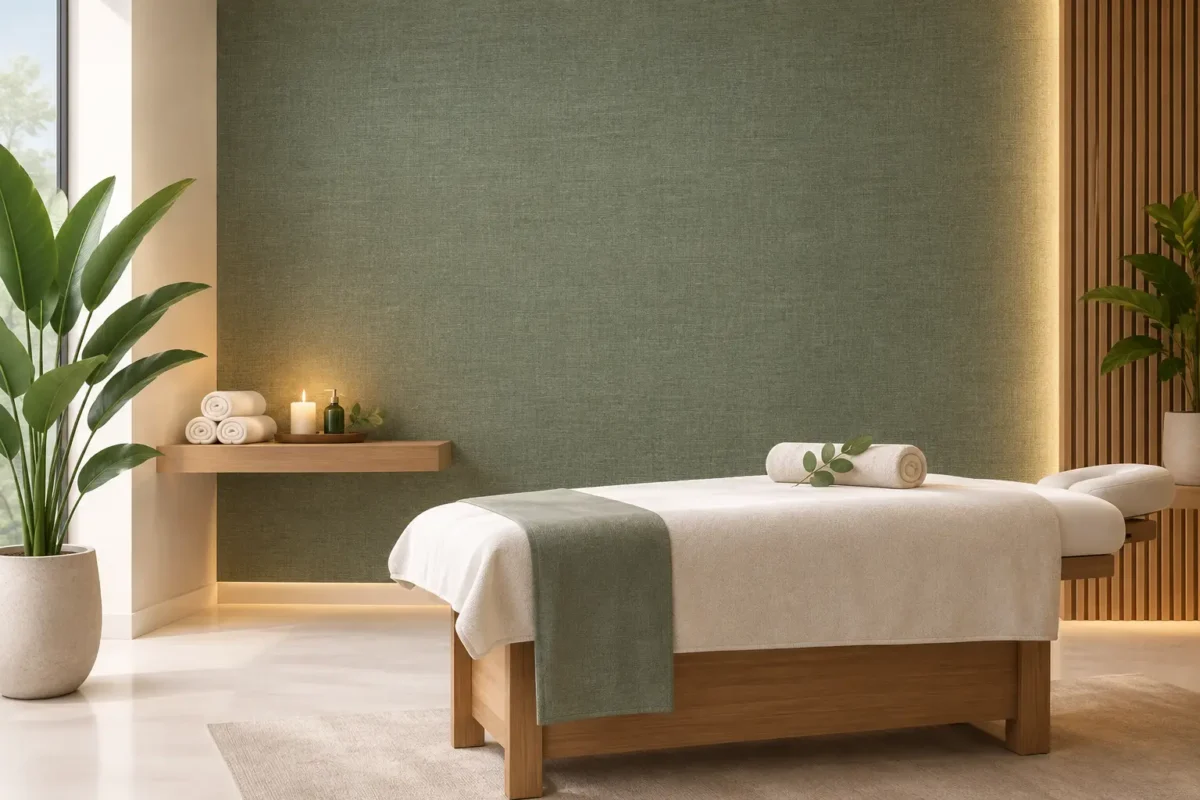
Healthcare interiors ask more from every finish. Walls must contribute to a reassuring patient experience while supporting practical cleaning routines. Soft neutrals, nature-inspired palettes, and controlled pattern can reduce the institutional feel of waiting rooms, recovery areas, consultation rooms, and family lounges.
Fabric-backed vinyl is particularly useful where a cleanable surface and enhanced wall protection are needed. However, hospital projects should be specified in line with the facility’s exact infection-control, fire-performance, and maintenance policies. Not every wallcovering is suitable for every clinical application, particularly in highly regulated or wet-service areas.
Designers should also think carefully about visual comfort. Overly busy patterns can feel unsettling for patients and distracting for staff. A gentle textile effect, a quiet botanical motif, or a custom mural with a clear focal point can bring character without adding visual noise. Color choices should work with lighting conditions at different times of day, not just under showroom lighting.
In offices, retail stores, showrooms, restaurants, and mixed-use developments, walls are part of the customer experience. They communicate whether a brand is precise, creative, premium, energetic, or understated. Fabric-backed wallcovering gives commercial interiors the freedom to make that statement with greater depth than a standard paint system.
For a reception zone, a branded custom print may create immediate recognition. In meeting rooms, acoustic-minded planning and visually soft wall finishes can make conversations feel more focused. Retail environments can use pattern to define departments, frame merchandising, or guide movement through a space. The material should support the operating model, not merely decorate the floor plan.
For large projects, consistency is essential. Lot coordination, panel layout, approved samples, and professional installation all affect the final result. A beautiful pattern can lose its impact if seams are poorly aligned or if the substrate has not been properly prepared.
A premium wallcovering performs best when the technical details are considered early. Start with the wall condition. Fabric-backed materials can help bridge minor surface variation, but they are not a substitute for proper substrate preparation. Walls should be dry, smooth, sound, and appropriately primed before installation.
Next, review the maintenance reality of the location. A quiet executive suite and a public elevator lobby require different levels of abrasion resistance and cleanability. Request the manufacturer’s care guidance, and make sure the facilities team understands which cleaning products are suitable. Aggressive chemicals or abrasive tools can damage even high-performance decorative surfaces.
Fire performance is another critical consideration. Commercial projects often require documentation to meet applicable local building codes and project specifications. Confirm the required test standards before final selection rather than treating them as an afterthought. The same applies to low-VOC requirements, environmental certifications, and any facility-specific policies.
Finally, review samples at scale and under the project’s actual lighting. Small swatches are useful, but they cannot fully reveal repeat, texture, color shift, or reflectivity across a full wall. A sample panel or site mock-up can prevent expensive surprises and gives all decision-makers a clear reference point.
Commercial wallcovering is only as good as its installation. Pattern matching, seam placement, corner treatment, adhesive selection, and substrate preparation all shape the appearance and service life of the finished wall.
This is especially important with directional textures, large repeats, metallic accents, and custom printed murals. A skilled installer plans panel positions before hanging begins, considers sightlines from entrances and seating areas, and avoids placing unavoidable joins where they will become a visual distraction.
At Decorating Depot, wallcovering selection can be supported by project-focused consultation, custom print capability, and professional installation experience. This approach is valuable when a space needs both a distinctive visual direction and confidence in material performance from specification through completion.
Fabric-backed wallpaper generally has a higher initial cost than basic paint, so it is worth evaluating against the full maintenance cycle rather than the first invoice alone. In high-traffic settings, fewer touch-ups, stronger wall protection, and a more consistently polished appearance can make it a sensible long-term investment.
It is not the answer for every wall. Areas with persistent moisture, damaged substrates, or unusually severe impact may require a different surface solution. But where design, durability, and maintenance must work together, fabric-backed commercial wallcovering offers an impressive balance.
Choose a finish that reflects the experience you want people to remember, then specify it with the same care you would give to lighting, flooring, or furniture. The wall is not background space. It is one of the largest and most visible surfaces in the room.