A clinic wall does more than complete the room. It sits behind anxious conversations, supports staff through demanding shifts, and shapes a patient’s first judgment of care. Commercial wallcoverings for clinics bring together the qualities these spaces need most: a calm visual presence, durable construction, and surfaces designed for frequent cleaning.
For healthcare interiors, paint can be a practical starting point, but it is not always the strongest long-term finish. High-touch corridors, waiting areas, consultation rooms, and treatment spaces experience scuffs, stains, impact from equipment, and repeated maintenance. A project-grade wallcovering can protect the wall while giving the clinic a more considered, reassuring identity.
A clinic environment must feel clean without becoming cold. Bright white walls can communicate order, yet an all-white scheme may also feel stark, clinical, or difficult to maintain. Conversely, highly decorative finishes can distract from wayfinding or make a compact treatment room feel visually busy. The right wallcovering balances atmosphere with function.
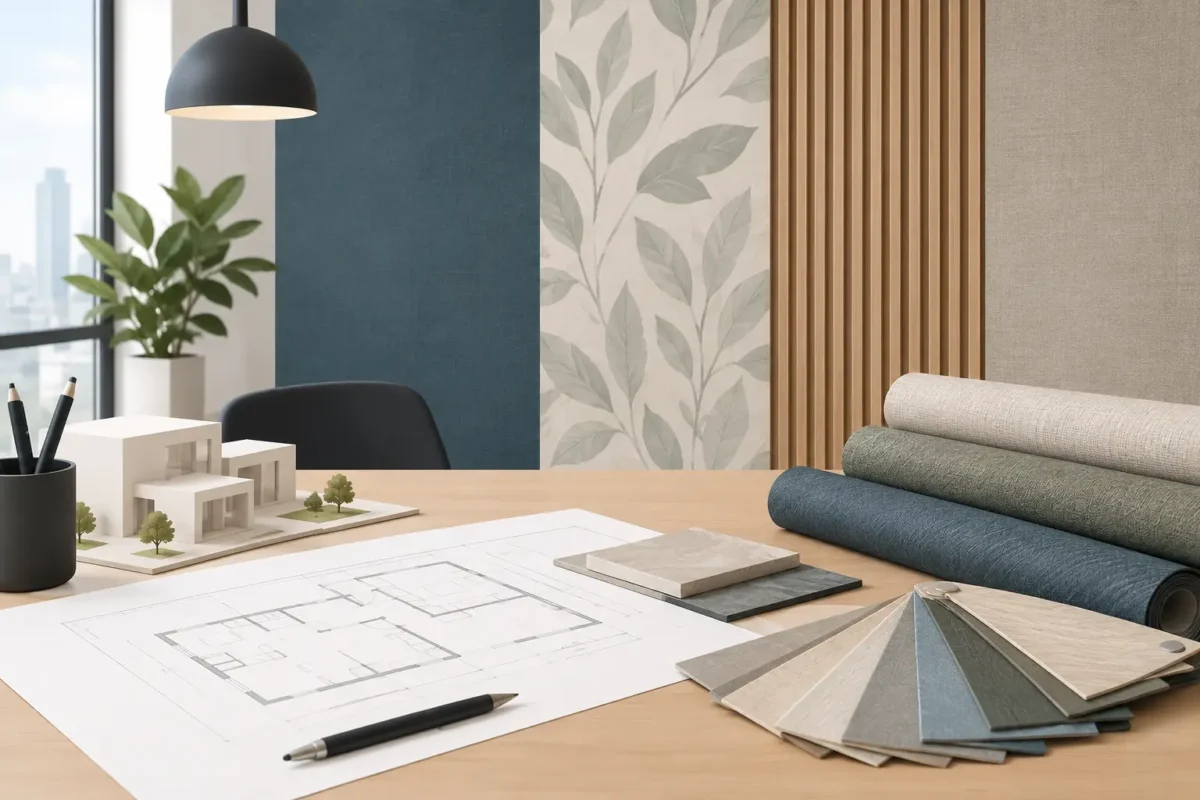
Commercial-grade materials are built for conditions that residential wallpaper is not expected to handle. Fabric-backed vinyl wallcoverings, for example, are widely specified in demanding commercial interiors because they offer strength, dimensional stability, and a surface that can withstand routine cleaning when maintained according to the manufacturer’s guidance. They also help disguise minor wall imperfections better than paint, an advantage in busy facilities where walls must remain presentable between refresh cycles.
Performance should be evaluated as part of the whole installation, not as a product label alone. Wall preparation, adhesive selection, seam treatment, substrate condition, humidity, and cleaning protocols all influence the final result. In spaces with elevated moisture or infection-control requirements, the specification should be confirmed with the project designer, contractor, and relevant local code requirements.
Not every room in a clinic needs the same material or visual treatment. A thoughtful specification uses the right finish where it delivers the most value.
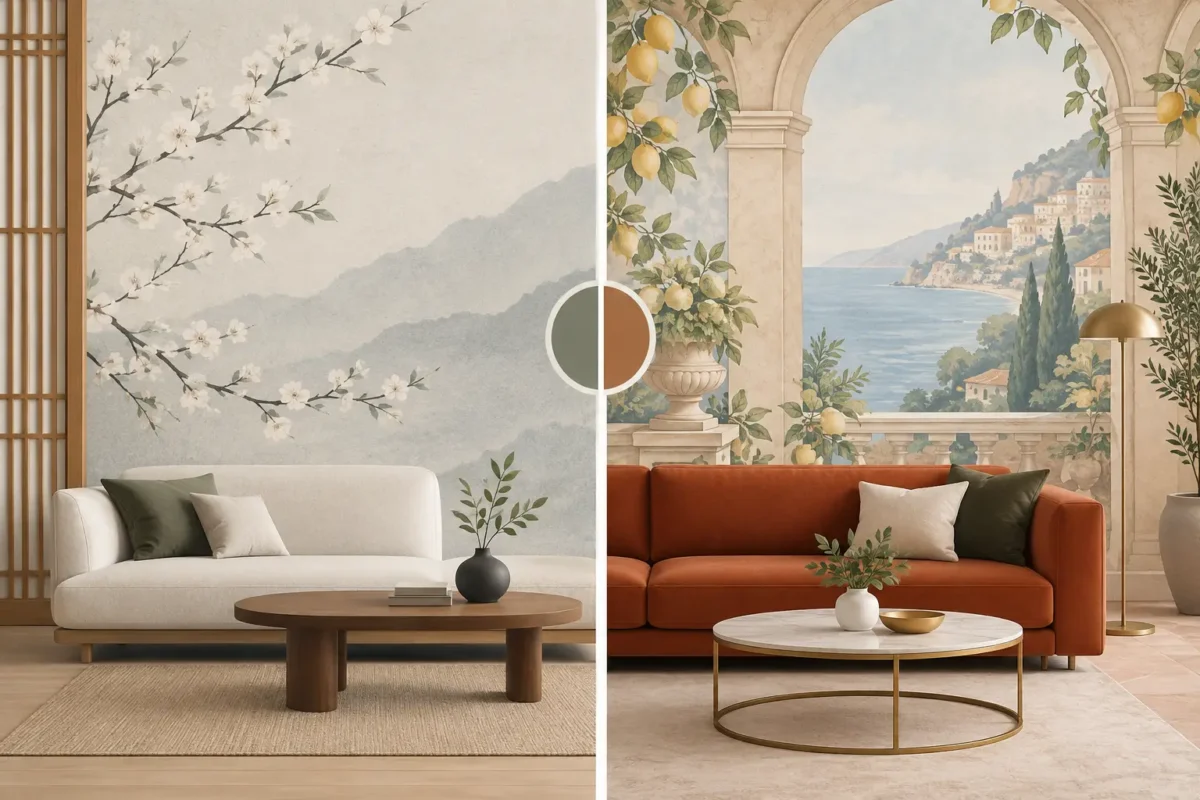
The waiting area is where design carries the greatest emotional weight. Patients may arrive concerned, uncomfortable, or short on time. Soft neutrals, warm stone effects, linen textures, muted botanical patterns, and low-contrast murals can make the setting feel composed rather than institutional.
This is also a high-traffic zone. Reception seating, bags, mobility aids, strollers, and cleaning equipment can all mark painted walls at lower levels. A durable commercial wallcovering creates a more resilient backdrop behind seating and along circulation paths. For a premium result, pair a refined texture with carefully considered lighting, signage, and reception finishes rather than relying on a loud feature wall alone.
Corridors are often the hardest-working walls in a clinic. They absorb contact from carts, wheelchairs, cleaning machines, and daily foot traffic. Here, a heavier commercial wallcovering with a cleanable finish is usually a stronger choice than delicate paper-based options.
Pattern can be functional in these spaces. Small-scale texture, mineral movement, and mid-tone colorways help reduce the visibility of everyday scuffs between maintenance cycles. Very pale solid finishes may look crisp on opening day, but they can reveal damage quickly. Very dark finishes can make narrow corridors feel enclosed. The best choice depends on natural light, ceiling height, traffic levels, and the clinic’s maintenance capacity.
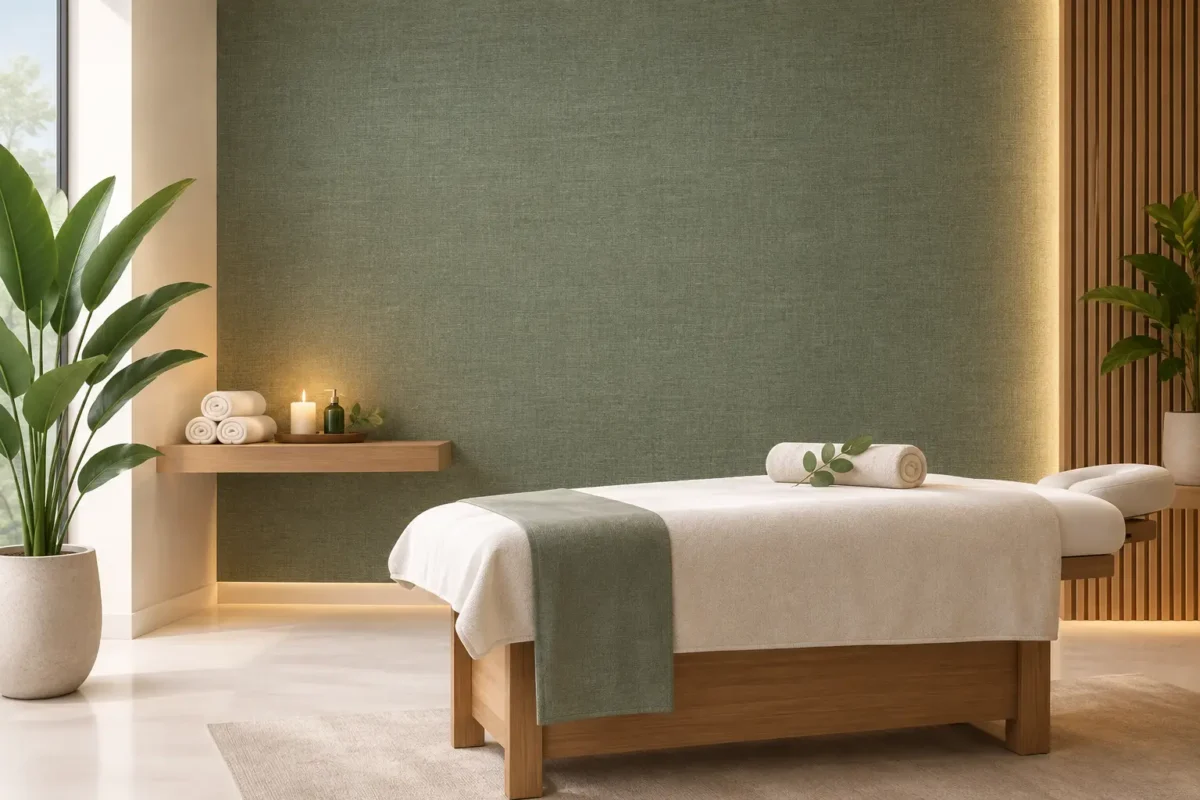
Consultation and exam rooms benefit from restraint. The wall finish should support trust and focus, not compete with medical equipment, monitors, or professional discussions. Subtle woven textures, gentle tonal patterns, and nature-inspired color palettes can add warmth while maintaining a clean, focused setting.
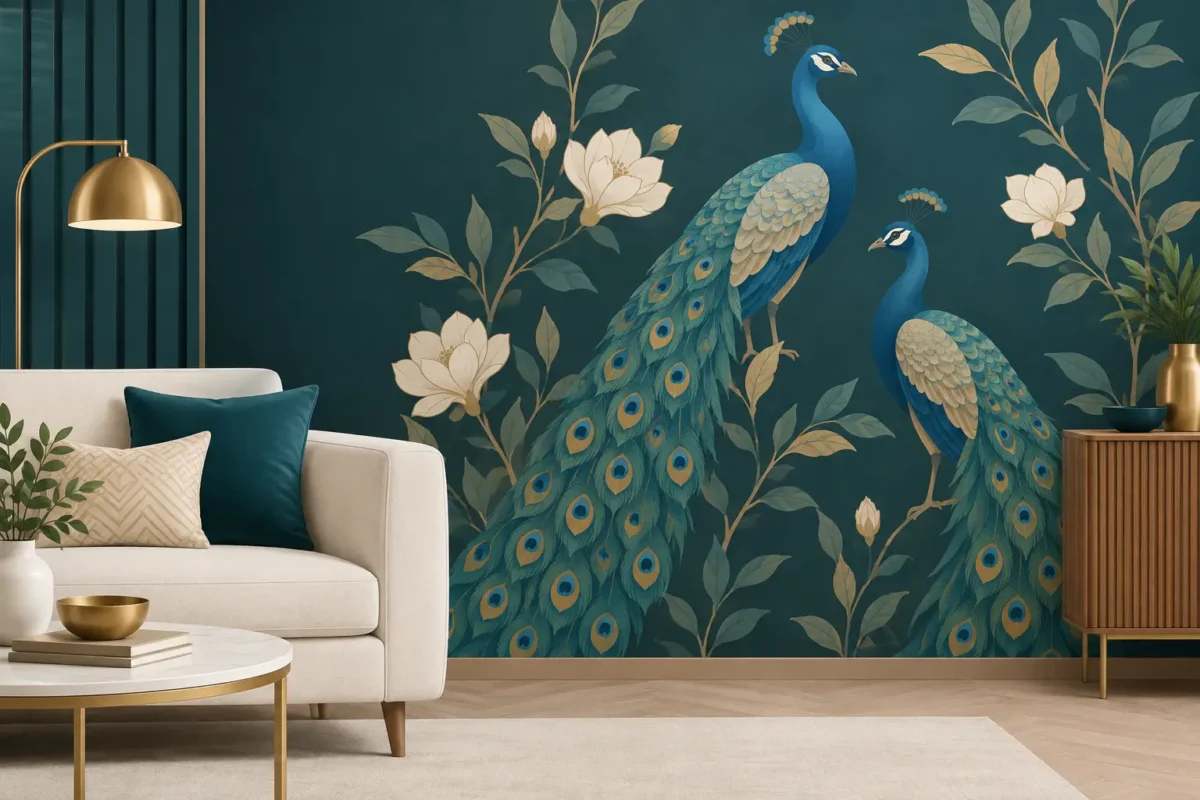
A custom mural may suit one carefully selected wall, particularly in pediatric, wellness, dental, or specialist clinics. The image should be calm at close range, appropriately scaled, and easy to live with over time. Oversized graphics with aggressive contrast can become tiring for staff who spend full days in the room.
Children’s clinics can be welcoming without becoming overly themed. Custom wallcoverings allow a space to use playful color, illustrated landscapes, animals, or educational motifs while keeping the design aligned with the clinic’s identity. A well-designed mural can also create a useful distraction during waiting periods or procedures.
The strongest pediatric designs leave room for children to grow. Instead of relying on a single character trend, consider imaginative scenes, gentle nature themes, abstract shapes, or local visual references. Commercial durability remains essential, especially near seating, play zones, and lower wall areas where contact is constant.
The phrase “commercial grade” should start the conversation, not end it. Ask for product documentation and assess whether the selected material matches the room’s use. Cleanability matters, but so does the cleaning agent. A finish that tolerates mild soap-and-water cleaning may not be suitable for every disinfectant used by a healthcare operator.
Fire performance is another central consideration. Confirm the wallcovering’s fire rating against the requirements for the specific project and jurisdiction. Do not assume that a material approved for an office or hotel will automatically satisfy a healthcare specification. The same care applies to low-emitting materials, inks, adhesives, and any indoor air quality standards required by the project.
For custom-printed wallcoverings, print quality and ink technology influence both appearance and practicality. High-resolution printing delivers sharper imagery and more believable textures, while eco-conscious ink options can support a considered material strategy. Before approving a large mural, review a physical sample or proof under the clinic’s actual lighting. Colors that feel soft in a showroom can appear cooler under bright clinical LEDs.
Wallcoverings can support navigation without turning every corridor into signage. Color zoning is one of the most effective approaches. A distinct yet coordinated palette can help separate departments, floors, or patient pathways, making a larger clinic easier to understand at a glance.
Use contrast carefully. Patients with low vision, older adults, and visitors under stress benefit from clear visual cues. A wallcovering can frame a reception point, identify a transition zone, or create a recognizable landmark near an elevator or turn. It should complement official wayfinding graphics, never replace them.
For multi-location practices, a consistent material palette can also strengthen brand recognition. Repeating a signature texture, color family, or mural style across clinics creates continuity while allowing each site to respond to its own layout and community.
Even the best wallcovering can fail when installed over an unsuitable wall or rushed into place without proper preparation. Existing paint must be assessed for adhesion. Moisture issues must be corrected before covering the wall. Uneven substrates, damaged gypsum board, and poorly prepared corners can lead to visible flaws, lifting seams, or premature wear.
Professional installation is especially valuable on large commercial projects, where pattern matching, panel sequencing, termination details, and schedule coordination affect both appearance and cost. Clinics cannot always close areas for extended corrective work, so getting the installation right the first time protects the project timeline.
At Decorating Depot, the value of a project-led approach is the ability to coordinate design selection, custom print possibilities, commercial-grade materials, and professional installation as one cohesive solution. That reduces the risk of a beautiful concept being separated from the technical details required to make it last.
A wallcovering should be selected with its future cleaning routine in mind. Request care instructions before final approval, then ensure facility teams understand which products and methods are permitted. Abrasive pads, harsh solvents, and untested disinfectants can damage even durable finishes over time.
It is wise to retain extra material from the same production batch for future repairs. This is particularly important for custom murals and directional patterns, where a small replacement patch can be difficult to match later. Planning for maintenance at the specification stage is not excessive caution – it is what keeps a clinic looking intentional years after opening.
The most successful clinic interiors make patients feel that every detail has been considered. Choose wallcoverings that carry that message quietly: warm enough to reassure, durable enough to endure, and precise enough to reflect the quality of care delivered inside.