A guest may never ask what fabric hangs at the window, but they will notice the consequences of getting it wrong. Early morning light cutting through a bedroom, a thin drape that feels insubstantial, or a faded curtain in a high-traffic suite can undermine an otherwise polished interior. Hotel grade curtains are designed to prevent those small failures while contributing to the comfort, privacy, and visual identity guests expect.
For hospitality operators, designers, and developers, curtains are not a finishing touch. They are a performance-driven surface that must withstand daily use, support safety requirements, and complement every surrounding material, from wallcoverings and carpets to upholstery and lighting.
Hotel grade curtains are specified for commercial hospitality environments rather than occasional residential use. The difference is not simply a heavier fabric or a more formal appearance. It is the combination of construction, compliance, durability, and installation detail required to perform across guestrooms, suites, lobbies, restaurants, meeting spaces, and serviced residences.
A residential curtain may look refined on installation day but lose its shape after repeated opening, closing, cleaning, and sun exposure. In contrast, a hospitality-grade system is selected with predictable use cycles in mind. Fabrics need to retain their color, drape, and structure. Tracks and hardware need to operate quietly and reliably. Linings and blackout layers must deliver the expected level of light control without making the window treatment feel bulky.
The right specification also depends on location. A guestroom needs privacy and dependable room darkening. A lobby may prioritize scale, texture, and daylight filtering. A restaurant may require a softer ambience while still meeting local fire and maintenance expectations. There is no single “best” curtain for every hotel zone.
The most successful hospitality curtain schemes begin with performance requirements, then move into color, texture, and pattern. This order helps teams avoid choosing an attractive fabric that cannot meet the demands of the space.
Fire safety is a central consideration in commercial interiors. Curtain fabrics may need to meet applicable fire-retardant standards based on the project location, building type, and authority requirements. Specify whether the fire-retardant treatment is inherent to the fiber or applied as a finish, as this can affect long-term performance and cleaning methods.
Documentation matters as much as the fabric itself. Project teams should request current test reports and confirm that the proposed material aligns with the consultant’s specifications. A beautiful drape without suitable compliance records can create unnecessary delays during approval or handover.
A layered window treatment gives hospitality spaces greater control. Sheers soften daylight, protect privacy during the day, and add visual depth. Dim-out fabrics reduce glare but may still allow a visible glow around the window. True blackout curtains are engineered to block most incoming light and are often the stronger choice for guestrooms where sleep quality is part of the guest experience.
Blackout performance depends on more than fabric. Light can enter through the top, sides, and center overlap of a curtain. A well-designed track layout, adequate fullness, return panels, and correct hem length are essential. For rooms facing bright streets, neighboring towers, or sunrise views, these details make a measurable difference.
Curtains in a hotel are handled more often than many designers initially expect. Housekeeping teams open and close them, guests pull them at different angles, and fabrics are exposed to sunlight, humidity, dust, and occasional stains. Look for commercial-grade textiles with suitable abrasion resistance, dimensional stability, and colorfastness for the window orientation.
Dark colors can create a dramatic atmosphere, but they may reveal fading more readily in sun-facing rooms. Pale fabrics feel fresh and spacious, yet may show marks sooner in public areas. The practical choice is often a medium-toned fabric with visual texture, as it adds richness while disguising minor wear between cleaning cycles.
Cleaning instructions should be clear before procurement. Some fabrics require professional dry cleaning, while others can tolerate more practical maintenance methods. Neither option is automatically superior. The right decision depends on the property’s operating model, housekeeping capacity, and replacement budget.
A premium curtain fabric can still feel disappointing on an undersized or poorly installed track. Hospitality systems should be quiet, smooth-running, and strong enough to support the curtain weight over long spans. Ceiling-mounted tracks are often preferred in guestrooms because they create a taller visual line and help reduce light leakage at the top.
For large windows, curved bays, or double-height spaces, custom-bent tracks and correctly positioned supports may be required. Motorized systems can add convenience in executive suites, luxury rooms, and high-accessibility environments, but they bring added coordination needs. Electrical provisions, controls, maintenance access, and staff training should be resolved early rather than added after construction.
Guestrooms call for calm, dependable comfort. A common approach is a sheer layer paired with blackout drapery, using a neutral or muted tone that works with the room’s headboard wall, carpet, and furniture. Textured solids and subtle woven patterns often age better than highly directional prints, particularly across a large room inventory.
In suites, curtains can take on a more expressive role. Richer textures, deeper colors, or custom detailing can distinguish the experience without compromising function. The priority remains consistent: the treatment should close fully, hang evenly, and feel substantial in hand.
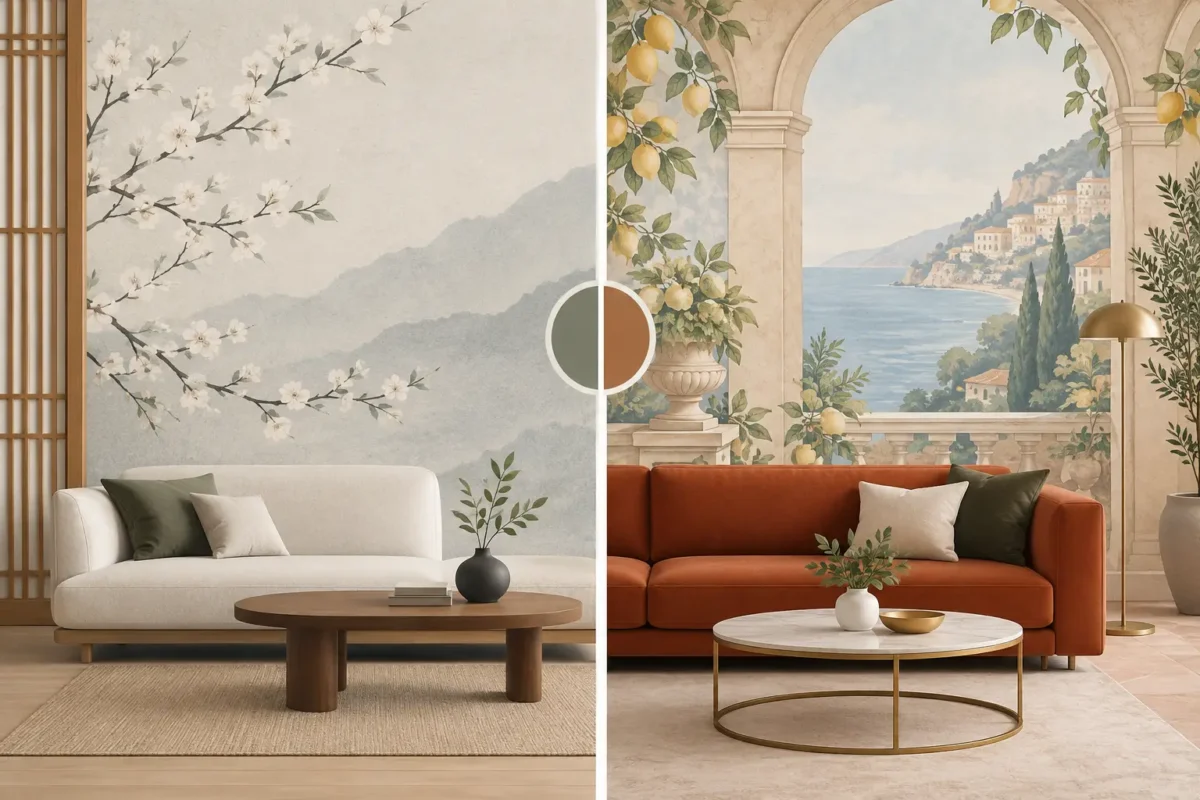
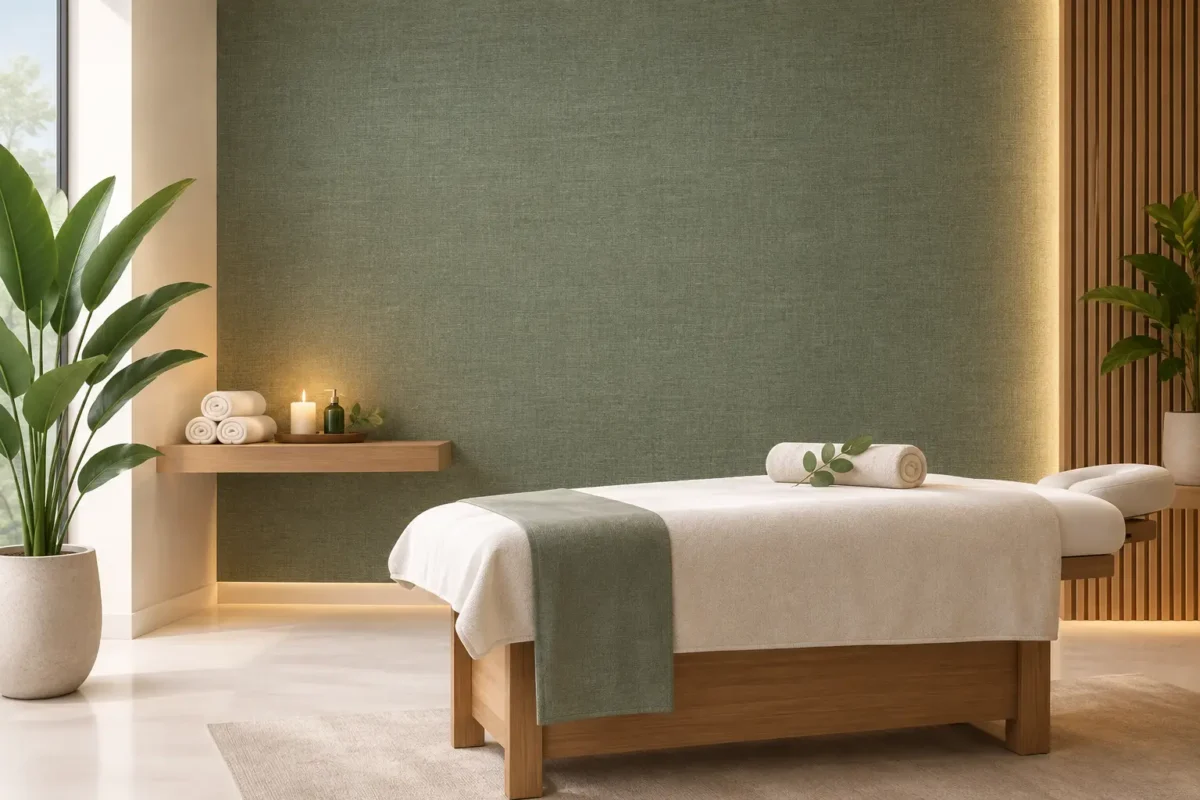
Public spaces allow greater freedom. A lobby may use tall, full-height drapes to soften acoustics, frame views, and introduce a sense of arrival. Restaurants and lounges can use filtered fabrics to create intimacy while preserving a connection to the exterior. Here, curtain color should be considered as part of the full surface palette. A strong wallcovering, bespoke mural, or feature wall can be balanced by restrained drapery, while a quiet wall finish can support a more tactile curtain fabric.
Meeting rooms and event spaces need flexibility. Blackout capability may be essential for presentations, while acoustic considerations can influence fabric weight and fullness. In these settings, the curtain system should also be easy for staff to operate quickly and consistently.
Window treatments look expensive when proportion is correct. They look compromised when fabric is too narrow, hems hover above the floor, or tracks stop short of the window edge. For hotel projects, measurement should account for finished ceiling levels, air-conditioning grilles, furniture clearances, window handles, and access for cleaning.
Fullness is particularly important. A curtain with insufficient fabric width appears flat when closed and can leave gaps that reduce privacy and blackout performance. The ideal fullness varies by fabric type, heading style, and intended look, but it should be calculated rather than guessed.
Installation quality is equally visible. Tracks must be level, brackets secure, curtain panels correctly labeled, and hems consistent across every room. On multi-room projects, a sample room approval is a smart safeguard. It allows the design team to assess the complete composition under real light before the specification is repeated throughout the property.
Before finalizing a selection, align the design intent with the property’s operational reality. Consider these four questions:
This approach prevents curtains from becoming an isolated purchasing decision. They should be specified alongside the wider interior scheme, particularly in hospitality projects where every visible surface shapes perception.
A refined hotel room is built through layers: the softness of the drapery, the tactility of the wall finish, the restraint of the lighting, and the confidence of details that work without demanding attention. When curtains are selected for both beauty and daily performance, guests may not name the difference, but they will feel it from the moment they close the room behind them.