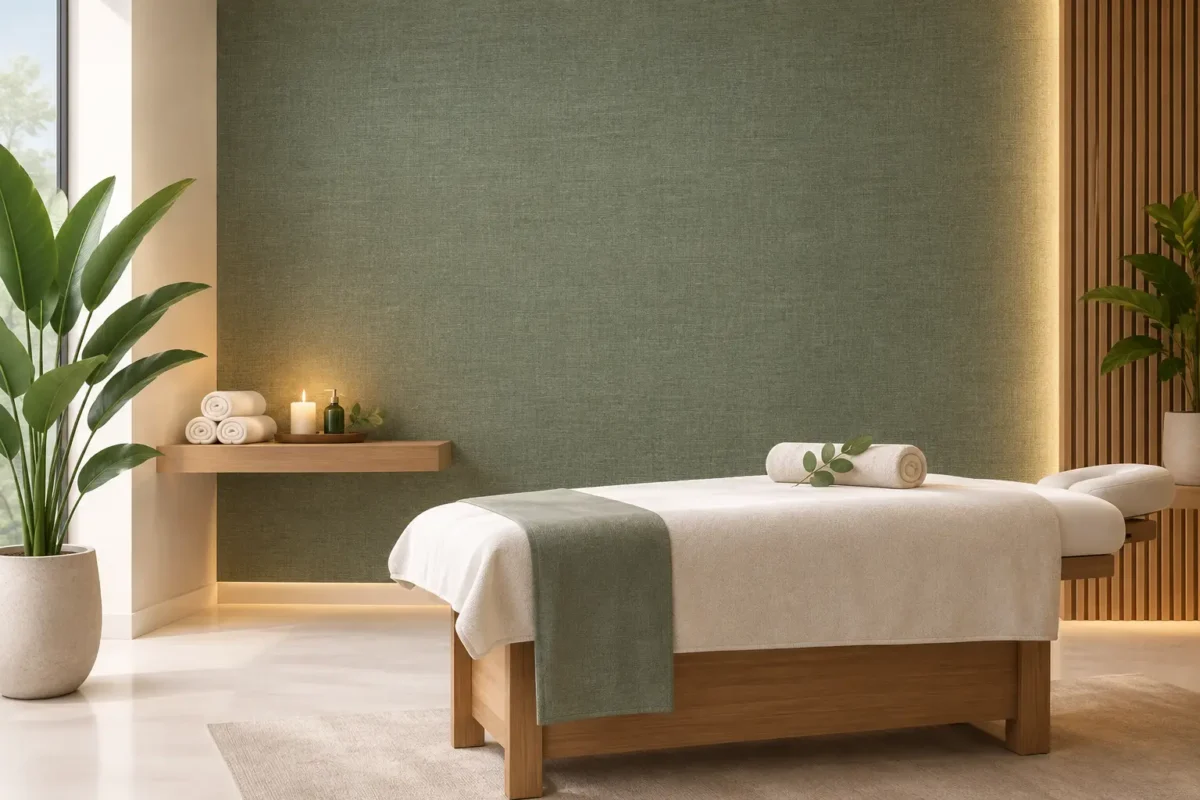
A hotel wall finish is never just a background. It frames the guest’s first impression at reception, guides movement through corridors, and gives every room its sense of comfort and character. The best wallpaper for hotels must do more than look exceptional under warm lighting. It must withstand luggage scuffs, frequent cleaning, changing occupancy, and the demands of a high-traffic commercial environment.
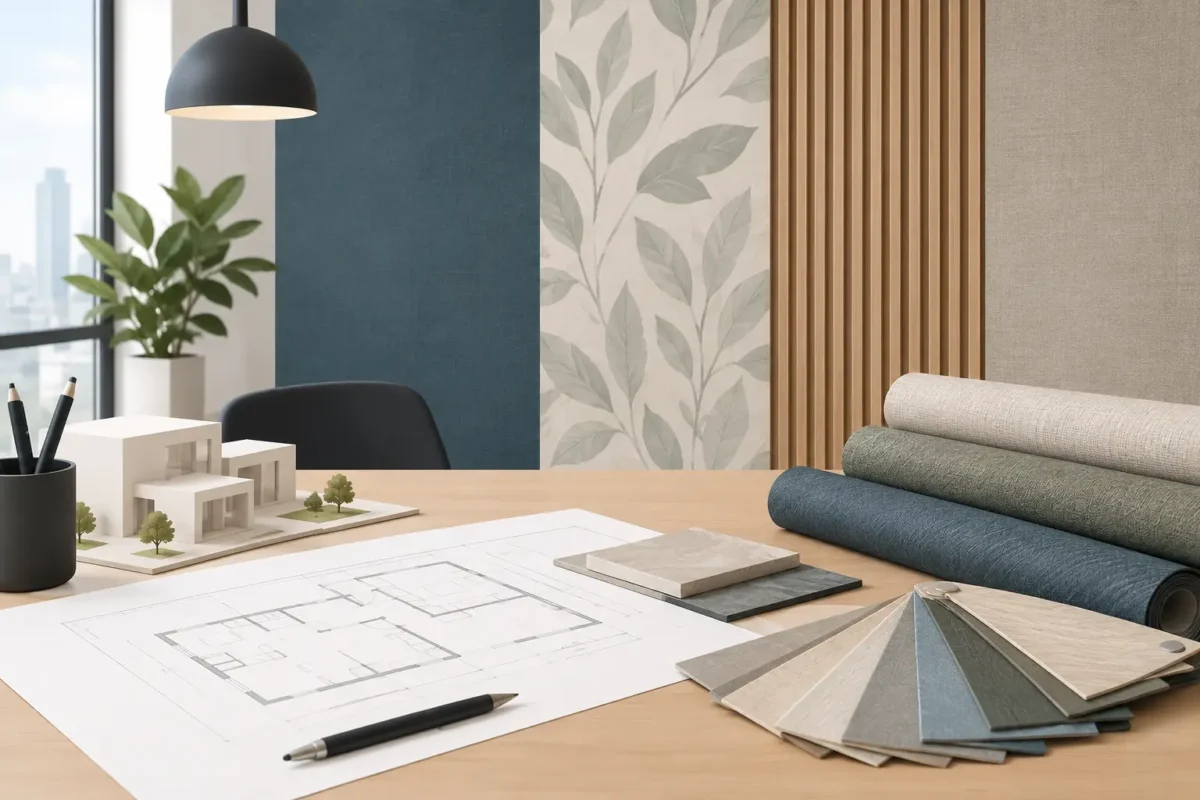
For hospitality projects, the right specification is a balance of visual identity and engineered performance. A delicate botanical print may be perfect for a boutique suite, while a textured, fabric-backed wallcovering may be the smarter choice for an elevator lobby. The material, pattern scale, installation method, and maintenance plan should all be considered before a design is approved.
Hotel wallpaper needs to support the experience of the space while reducing long-term operational pressure. A beautiful surface that marks easily or has visible seams after a few months can quickly become an expensive problem. For this reason, commercial-grade wallcoverings are often a stronger investment than standard residential wallpaper in public-facing areas.
The most suitable options generally combine durable construction, cleanable surfaces, color stability, and a design that suits the property’s positioning. In projects where regulations or operator standards require it, specify wallcoverings with the appropriate fire-performance documentation. It is also wise to confirm substrate preparation, adhesive compatibility, and installation requirements before ordering, particularly for large custom murals or heavily textured products.
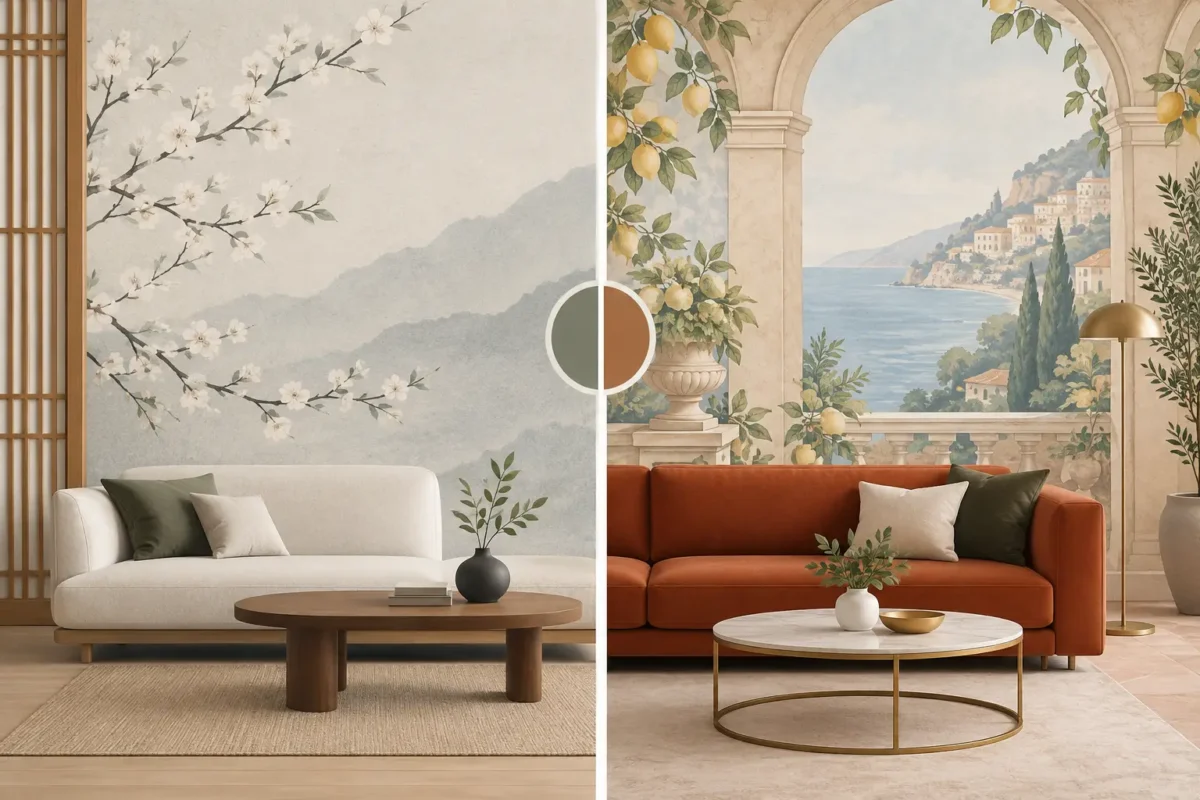
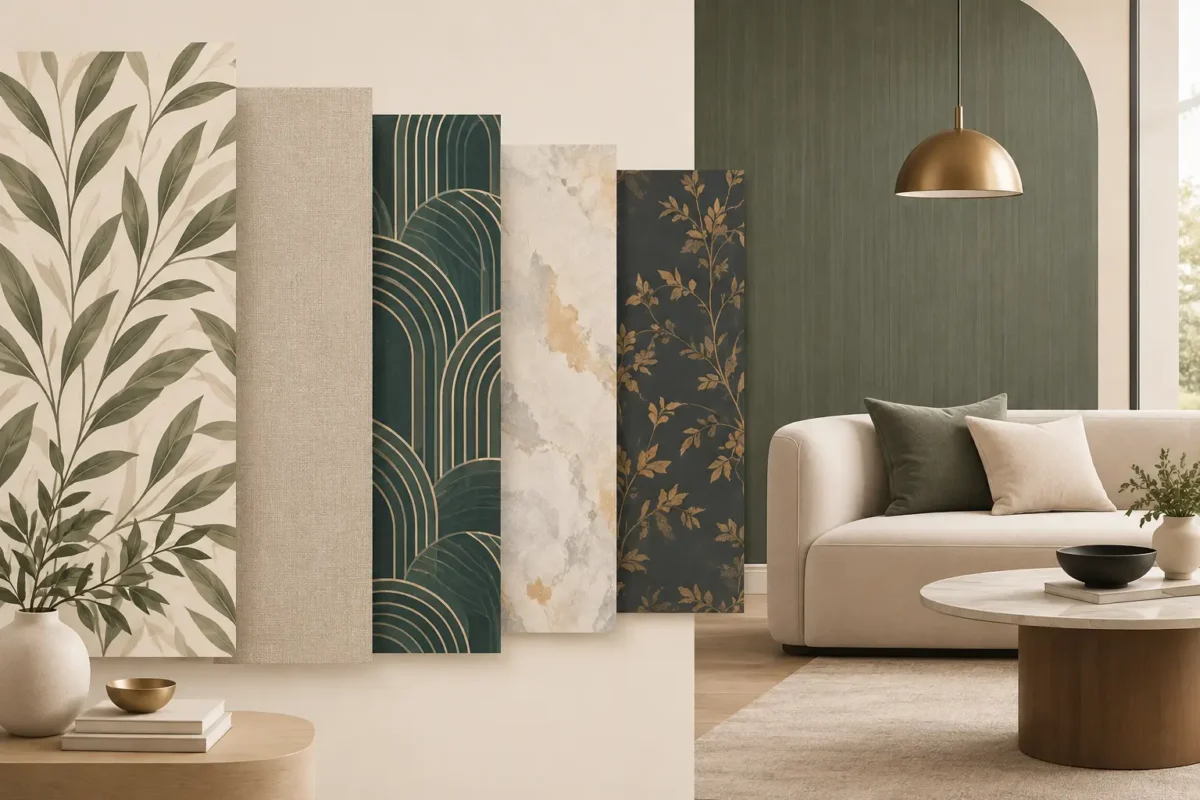
The aesthetic question is equally important. A luxury city hotel may use layered neutrals, metallic details, and architectural textures to create a polished atmosphere. A resort may call for organic fibers, tropical botanicals, or mural-scale landscapes that connect guests to the destination. There is no single best finish for every hotel. The right choice depends on where the wallcovering will be used and what the property wants guests to feel.
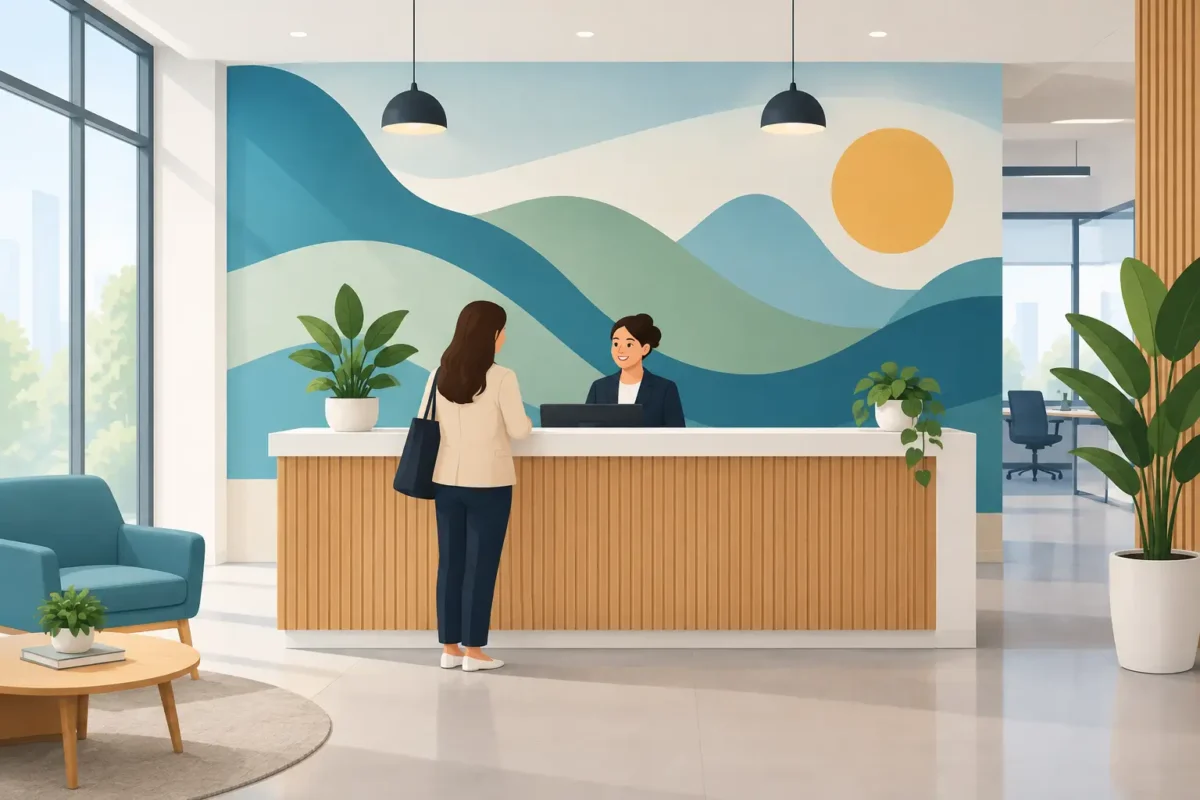
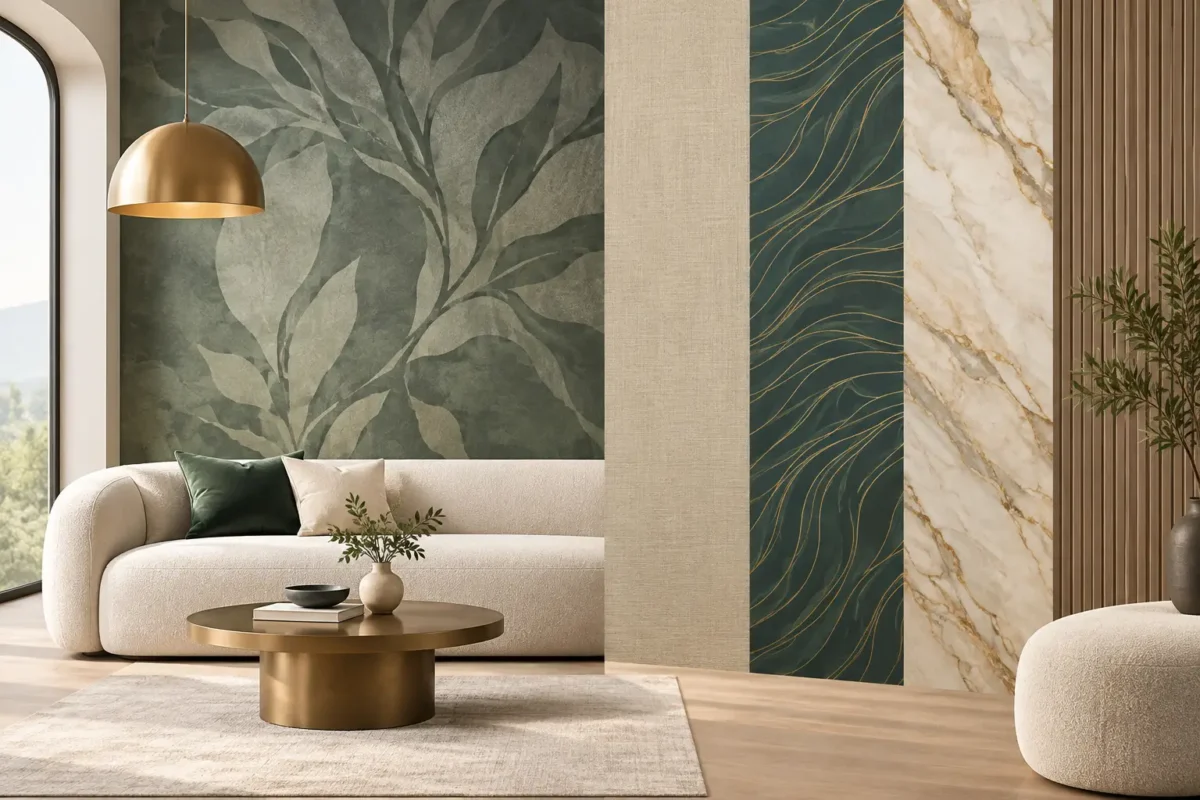
The lobby carries the greatest visual responsibility. It is where guests form an immediate opinion of the property, often within seconds of entering. This is the right setting for statement walls, oversized custom murals, refined linen effects, marble-inspired patterns, or elegant metallic accents.
Because reception spaces see constant contact and traffic, choose a finish with practical surface durability. Fabric-backed commercial wallpaper is particularly well suited to feature walls, concierge areas, and elevator approaches where a premium texture is desired without sacrificing resilience. Darker tones and layered patterns can also help conceal minor marks between maintenance cycles, although excessive darkness should be balanced with lighting and ceiling height.
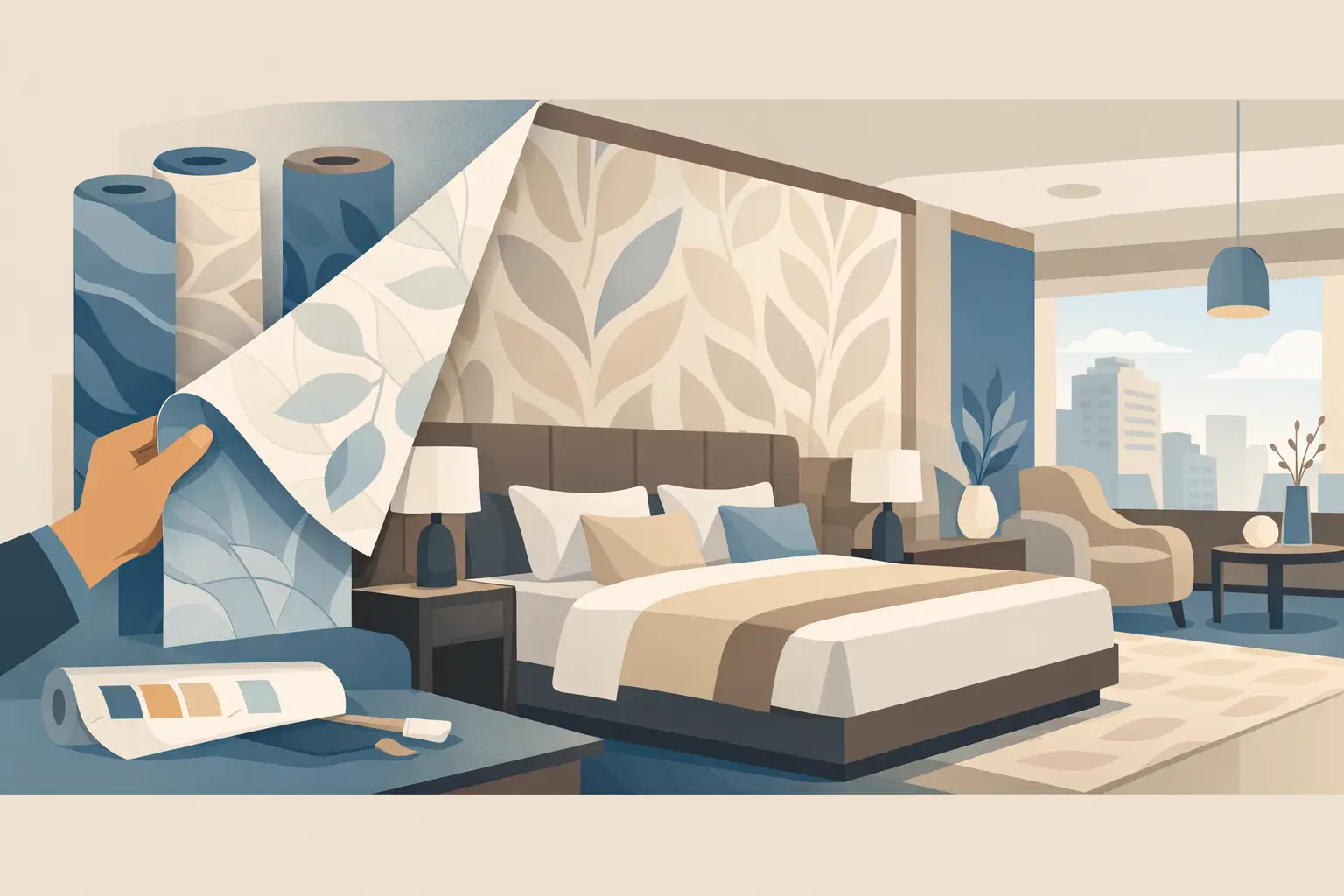
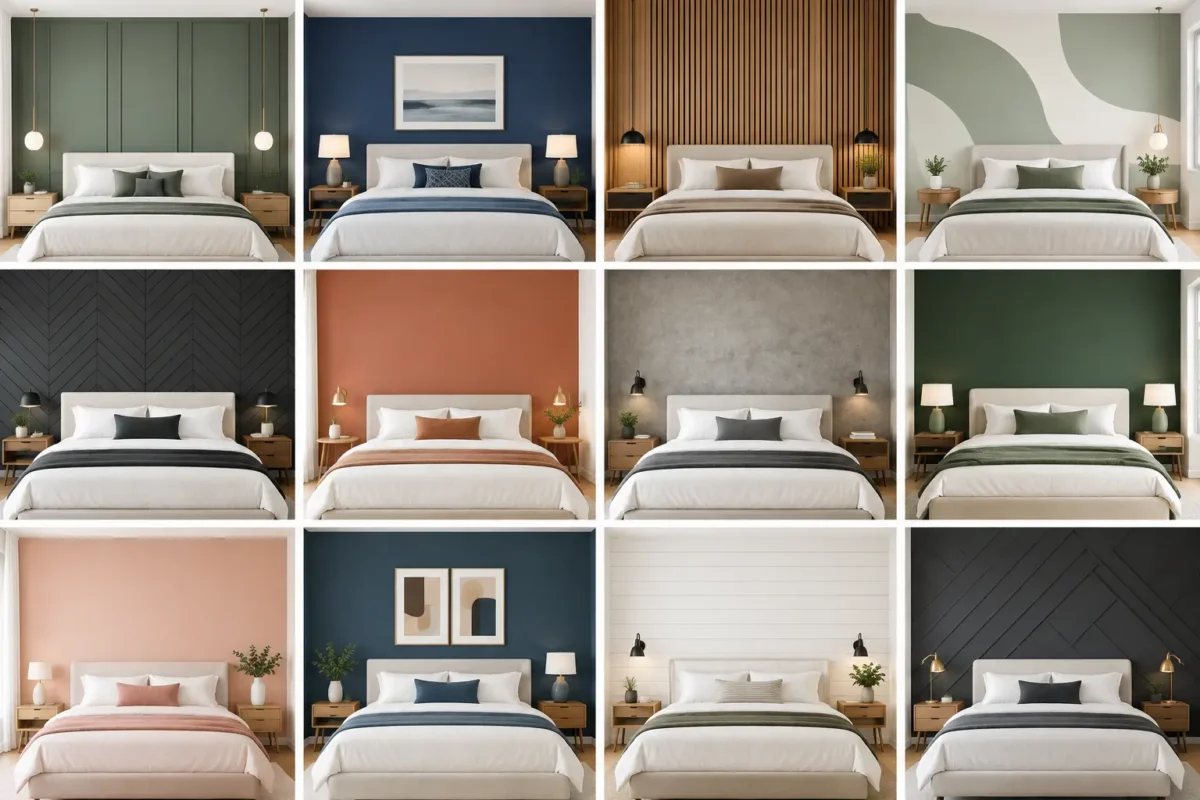
Guest room wallpaper should feel personal, restful, and considered. It needs to add depth without overwhelming a space where guests sleep, work, and unwind. Soft geometrics, understated florals, plaster effects, textile textures, and muted natural motifs work especially well behind beds, along entry walls, or as a full-room finish in larger suites.
In this setting, comfort matters as much as durability. Avoid designs with intense contrast or overly busy repeats directly behind the bed if the goal is a calm, restorative room. A subtle pattern with tactile visual depth can make a standard room feel more tailored while remaining flexible enough to work with changing furniture, artwork, and soft furnishings.
Hotel corridors are among the most demanding zones in the building. They experience rolling luggage, housekeeping equipment, guest traffic, and regular cleaning. They also tend to have limited natural light, which means the wallpaper must work hard visually without making the space feel narrow.
Commercial vinyl and fabric-backed wallcoverings are dependable choices here. Look for a scrubbable surface, good abrasion resistance, and a pattern that disguises everyday contact. Mid-scale geometrics, vertical textures, and layered linear designs can create a sense of rhythm while helping corridors appear longer or taller. Very pale solid colors can look sophisticated, but they show damage more readily in a busy passageway.
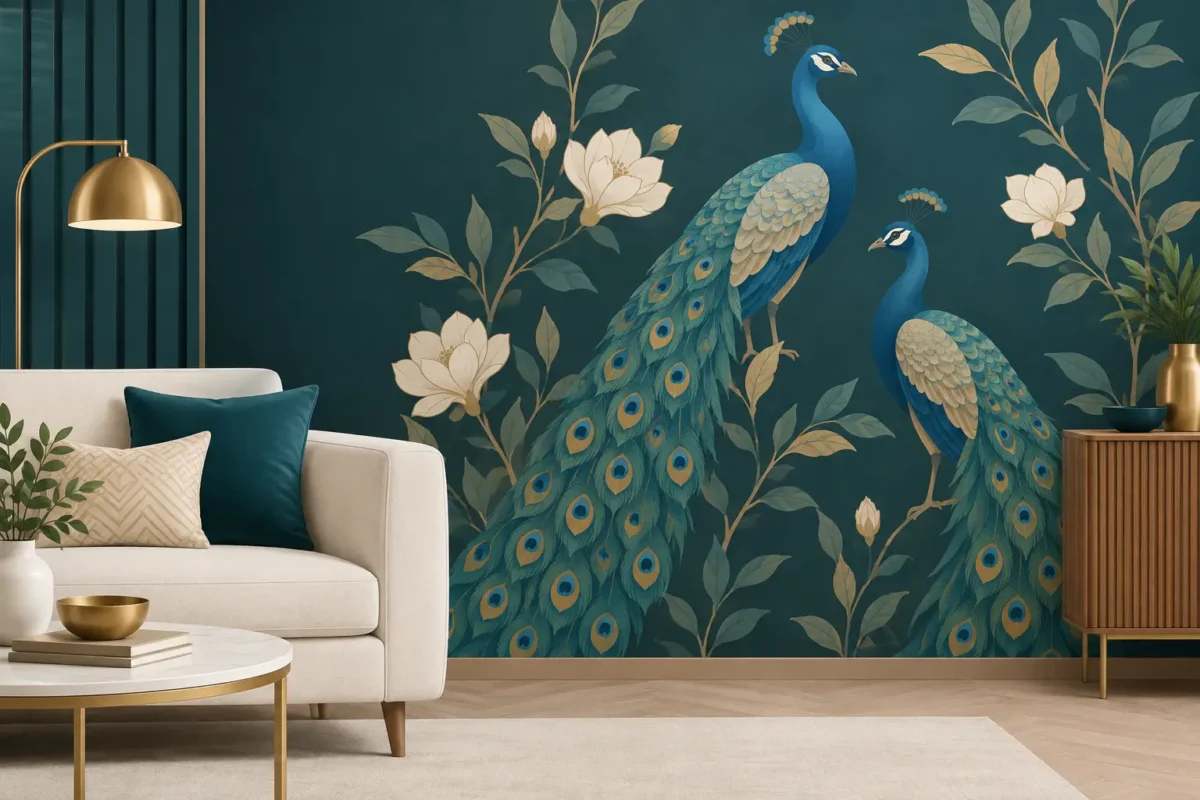
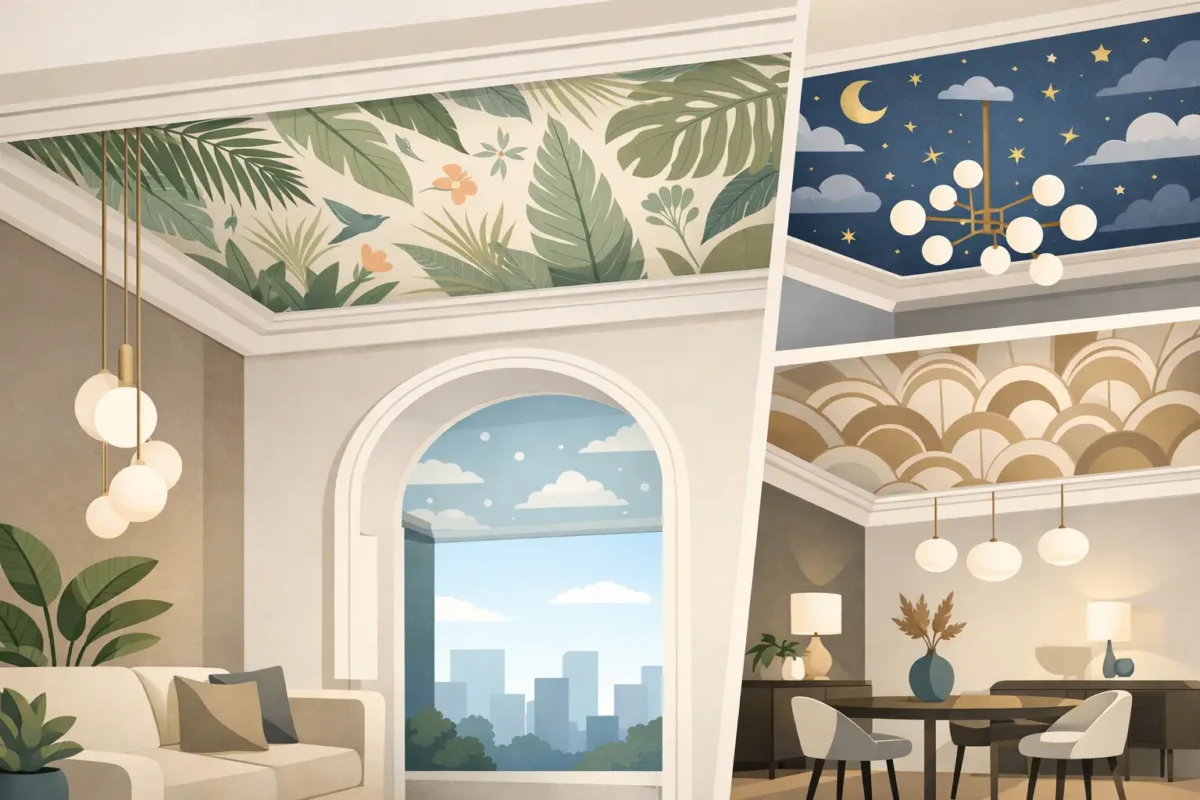
Hospitality dining spaces allow more expressive choices. A dramatic mural behind a banquette, a deep-toned botanical wall in a cocktail bar, or a custom branded pattern in a private event room can make the venue memorable and photographable. These spaces benefit from wallpapers that establish atmosphere quickly.
Practicality still applies. Consider proximity to food service, cleaning products, humidity, and furniture movement. A high-impact design should be selected with its light conditions in mind. Metallic finishes can bring warmth and glamour, while a matte textured surface may be more forgiving under bright daylight or direct spotlights.
The distinction matters. Decorative residential wallpaper may be suitable for low-contact guest room feature walls, private lounges, or short-term boutique applications. However, it is not automatically designed for the physical demands of public hotel areas.
Commercial wallcovering is built for more demanding use. Many project-grade options use a fabric backing and durable vinyl face, giving the material greater stability and resistance to wear. They are often easier to clean and more forgiving in high-traffic environments. The initial price can be higher, but replacement frequency, maintenance time, and the cost of closing off an area for repair should be part of the calculation.
For a hotel project, the smartest approach is often a mixed specification. Use commercial-grade wallpaper in corridors, lifts, reception zones, and other heavy-use areas. Reserve more delicate decorative papers, specialty finishes, or custom printed designs for protected feature walls where their visual impact can take center stage.
Pattern scale changes the perceived size of a room. Large murals and bold motifs can make a lobby feel distinctive, but they need sufficient viewing distance. In smaller guest rooms, a fine texture or smaller repeat is often more successful, creating richness without visual clutter.
Color should support wayfinding as well as mood. Different floors, room wings, or amenity zones can use related color families to help guests orient themselves naturally. This approach is more refined than relying on signs alone and gives the property a cohesive design language from arrival to checkout.
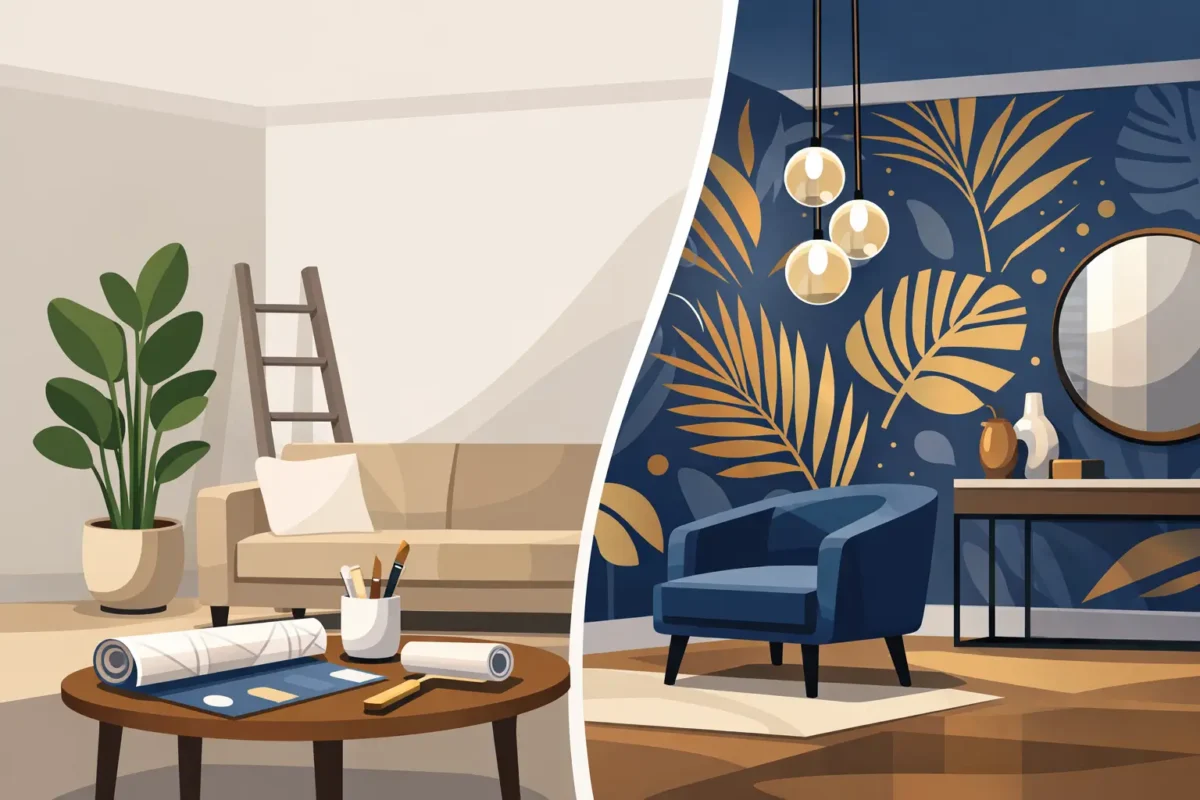
Custom wallpaper offers another advantage: it allows the property’s story to become part of the interior. A heritage hotel might reinterpret archival illustrations. A coastal resort might commission an abstract shoreline mural. A contemporary business hotel might use a subtle geometric derived from its architecture. The strongest custom designs do not place a logo repeatedly on the wall. They translate the brand into an atmosphere guests can remember.
Even the finest wallcovering can fail visually if the walls are poorly prepared or the installation is rushed. Uneven substrates, inadequate priming, moisture issues, and misaligned seams can affect the finished result. Hotels should plan installation around project sequencing, allowing wall surfaces to be properly prepared before wallpaper is applied.
For murals and directional patterns, accurate panel mapping is essential. Every panel should be checked against the approved design before installation begins, especially when the artwork crosses corners, doors, or built-in joinery. Ordering extra material for future repairs is also practical. A reserved batch helps maintain color and pattern consistency if a section needs replacement later.
Professional installation protects both the material and the design intent. At Decorating Depot, project guidance can bring wallpaper selection, custom print capability, technical advice, and installation planning into one coordinated process. That clarity is valuable when a hotel project involves multiple room types, large wall areas, or tight opening schedules.
Before finalizing a wallpaper, ask how the hotel team will clean it and how often. Request care recommendations for the exact product, not just the product category. Some surfaces tolerate routine wiping well, while specialty papers and textured finishes need gentler treatment.
It is also worth considering where damage is most likely to occur. In corridors, chair rails, wall protection, or a more durable lower-wall finish may extend the life of the design. In guest rooms, placing a feature wall behind the bed rather than beside a luggage bench can preserve the wallpaper while still creating a strong focal point.
The best hotel interiors are not simply designed for opening day. They are designed to look composed after thousands of arrivals, departures, celebrations, and everyday moments. Choose wallpaper that gives each space a distinctive point of view, then support it with the right grade, preparation, and installation. That is how a wallcovering becomes part of the guest experience rather than another surface waiting for replacement.