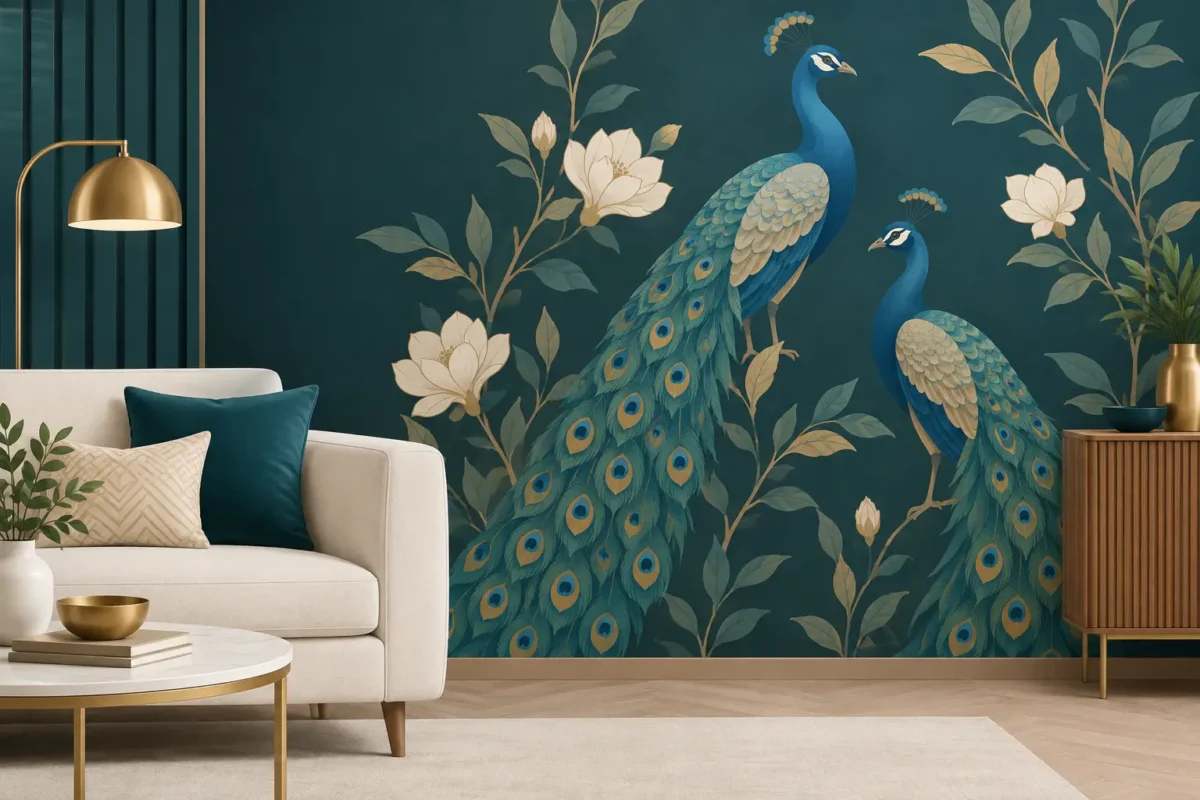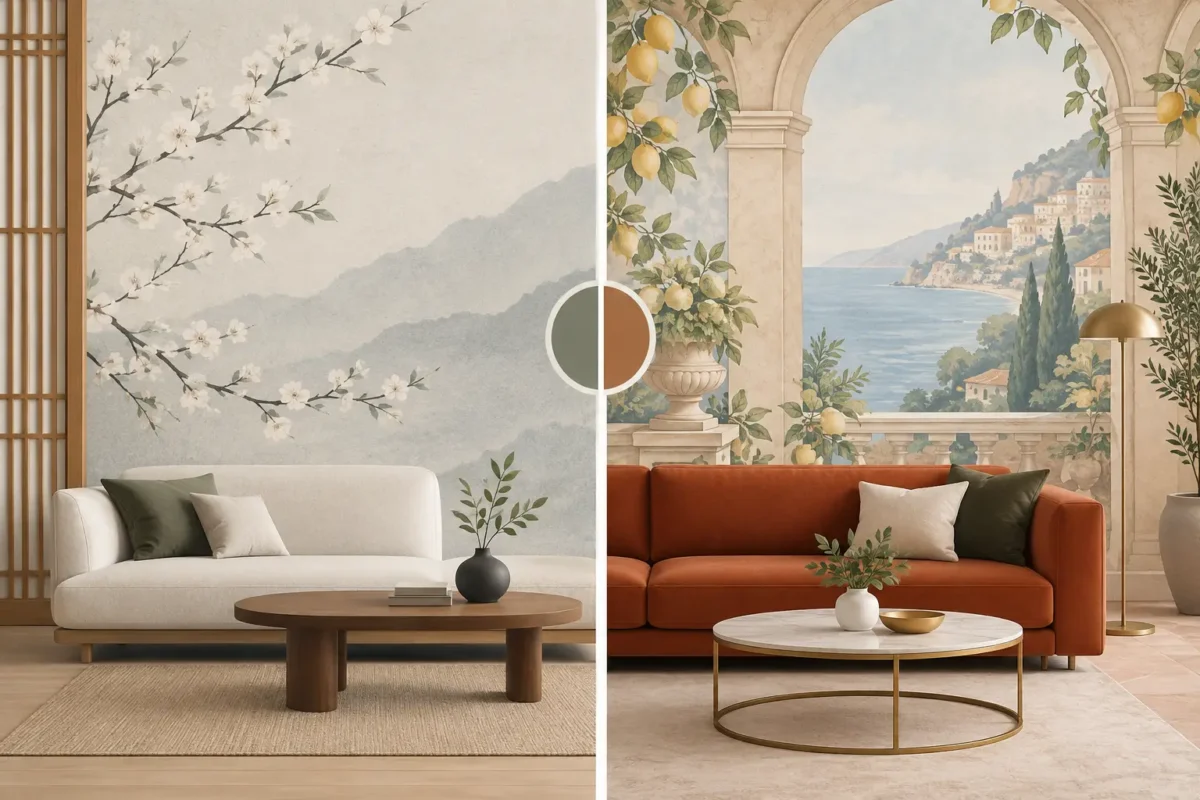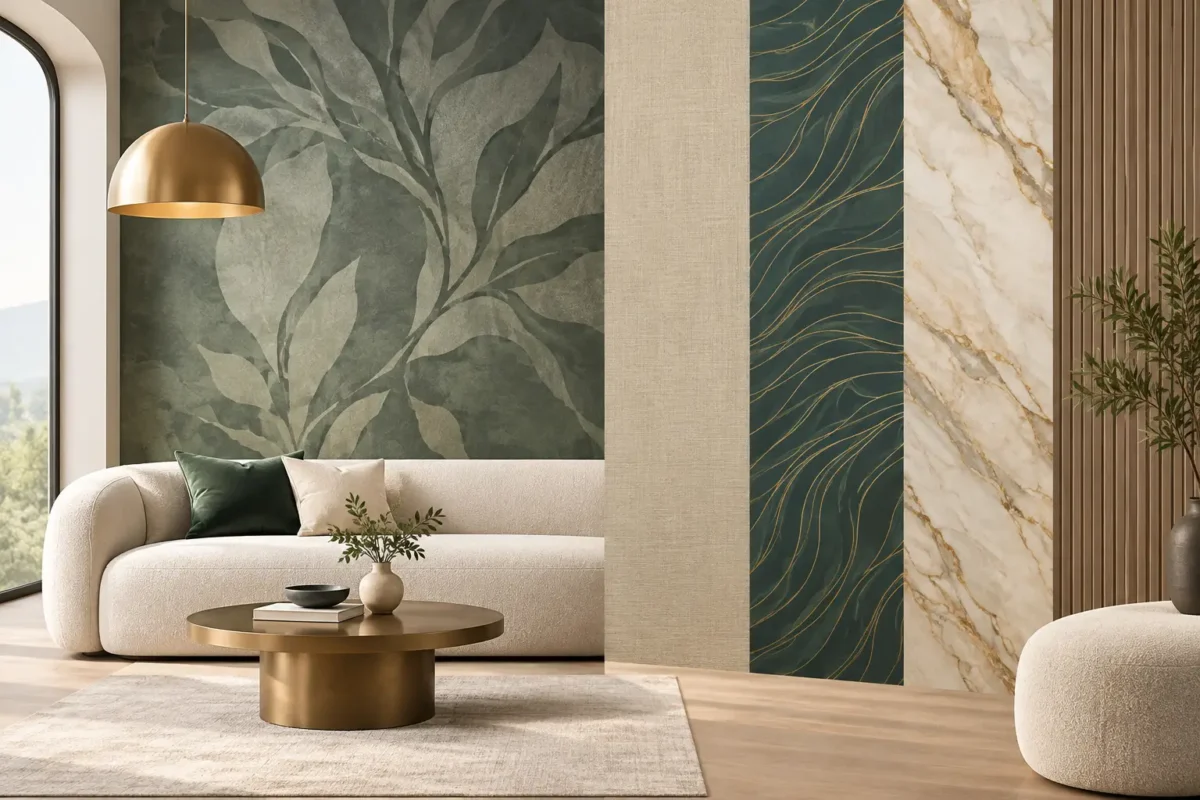
A feature wall should do more than fill an empty surface. It should give a room a focal point, reinforce its character, and make the entire space feel more considered. Knowing how to plan a feature wall starts with one decision: identify what the room needs to emphasize, rather than choosing a pattern or color in isolation.
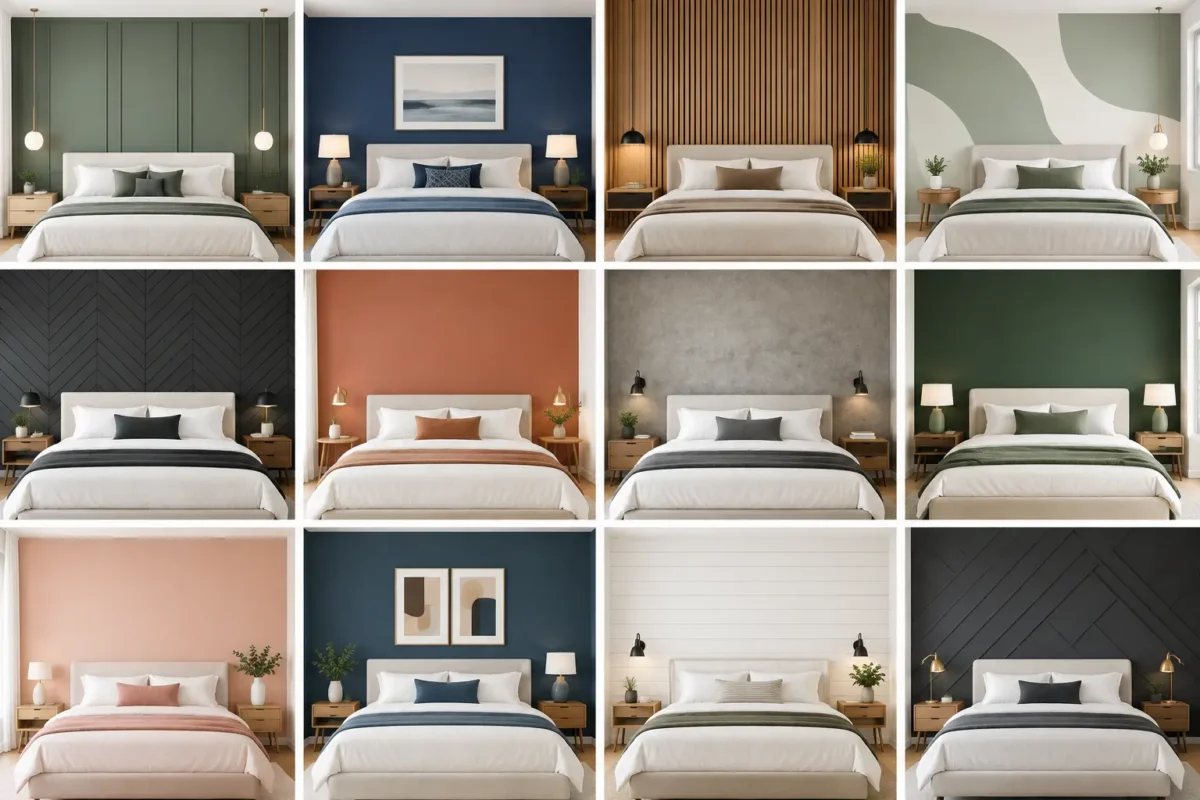
In a living room, that may be the wall behind a sofa or fireplace. In a bedroom, it is often the wall behind the headboard. In a hotel lobby, reception area, retail setting, or office, the strongest feature wall may be the surface guests see first. Once the wall has a clear purpose, every later choice – from mural scale to material performance – becomes easier to evaluate.
The best feature walls feel connected to architecture, furniture placement, and how people move through the space. Before selecting a wallcovering, stand at the main entrance and consider the room from its most frequently viewed angle. A wall that is visually prominent without competing with windows, doors, or built-in cabinetry is often the strongest candidate.
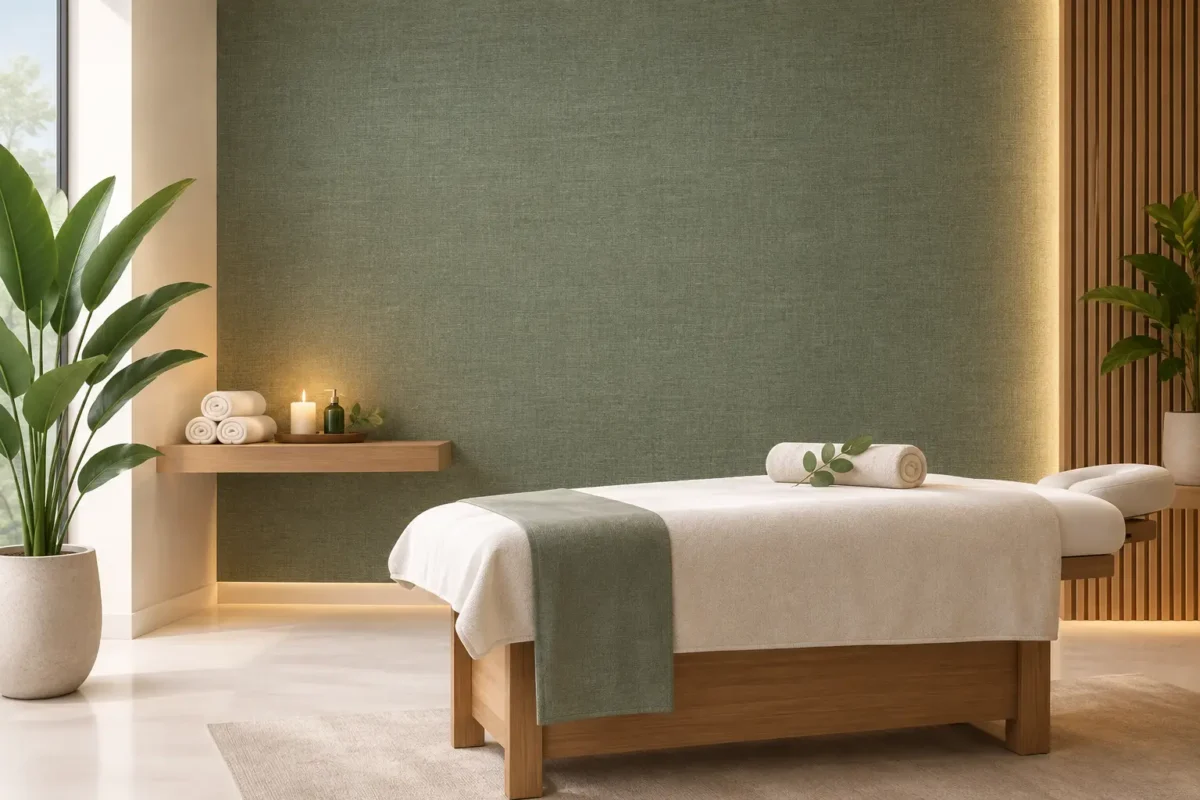
A feature wall is not always the largest wall. In fact, a smaller, well-framed surface can create more impact than a large wall interrupted by multiple openings. Consider the wall’s proportions, ceiling height, and existing focal points. If the room already has a dramatic fireplace, extensive shelving, or a panoramic window, a highly patterned wallcovering may create unnecessary competition. A more textured finish, refined grasscloth effect, or tonal custom print may be the better choice.
Function also matters. A wall behind a dining table may benefit from a finish that creates atmosphere under evening lighting. A corridor may need a durable, easy-to-maintain material that can withstand daily contact. In hospitality and commercial environments, performance requirements such as fire retardancy, cleanability, and abrasion resistance should guide the specification from the beginning, not be treated as an afterthought.
Every feature wall should have a role. It may add depth to a minimal room, bring warmth to a cool material palette, frame a branded moment, or introduce a sense of place through a custom mural. Defining this role prevents the common mistake of selecting a beautiful wallpaper that does not belong in the wider scheme.
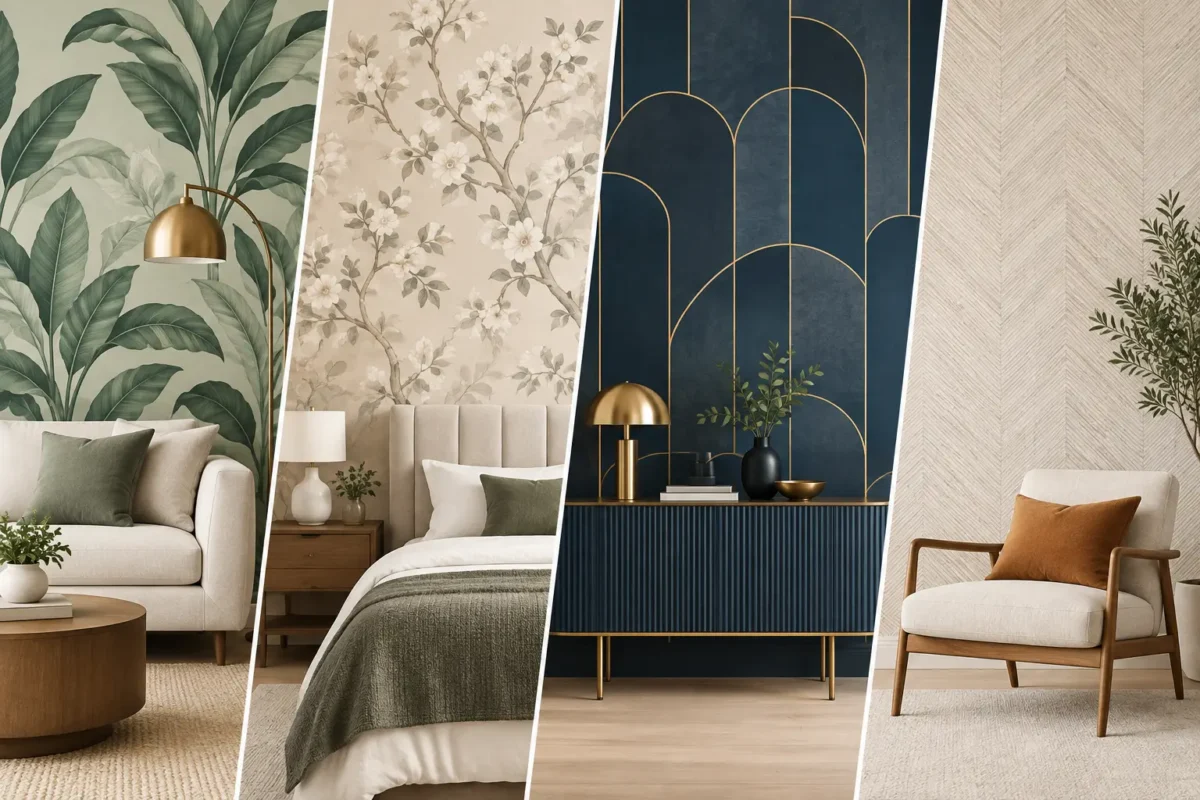
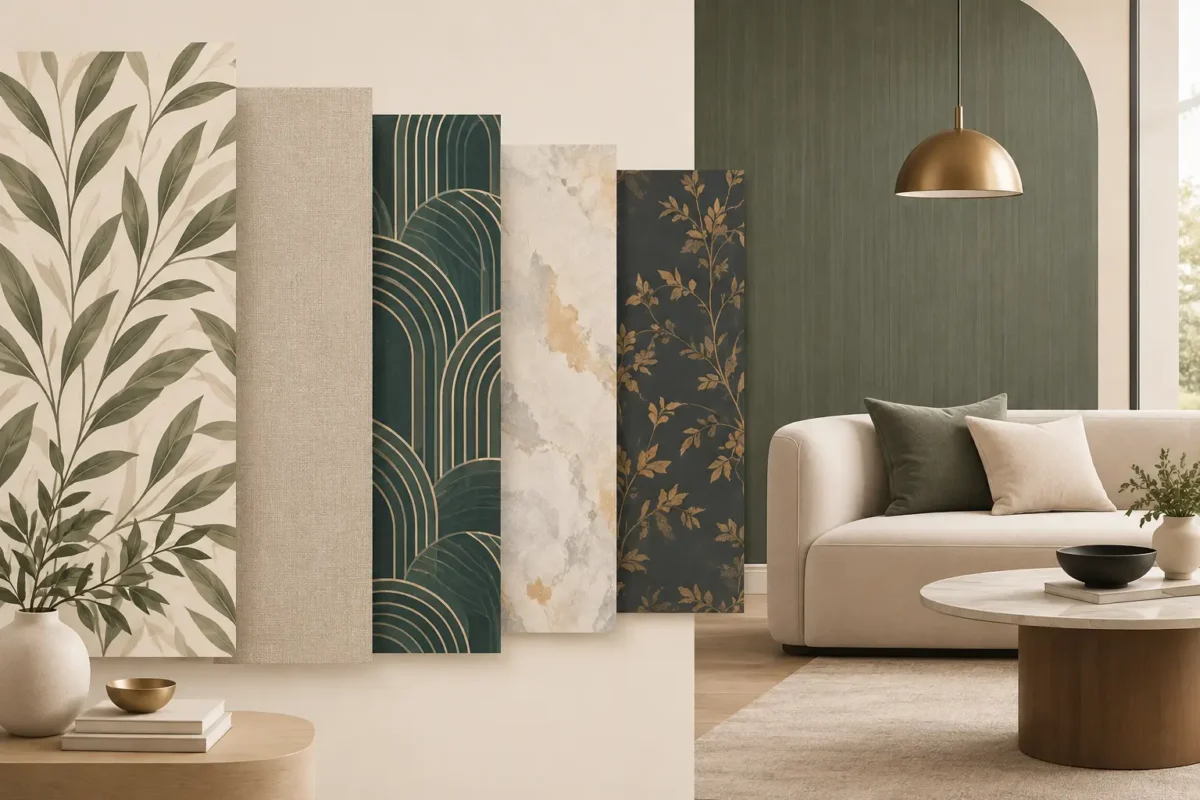
For a calm, residential interior, a soft botanical, linen-inspired texture, or muted landscape mural can create visual interest without overwhelming the room. For a restaurant, boutique, or office reception, bolder geometric patterns, deep color, metallic accents, or a bespoke printed design can establish a stronger identity. The right choice depends on how long people will spend in the room and how much visual energy the space can comfortably hold.
Scale is one of the most overlooked elements of feature wall planning. A pattern that looks refined on a sample can appear busy when repeated across a full wall. Conversely, a mural with delicate detail may disappear in a large open space if it lacks sufficient contrast and composition.
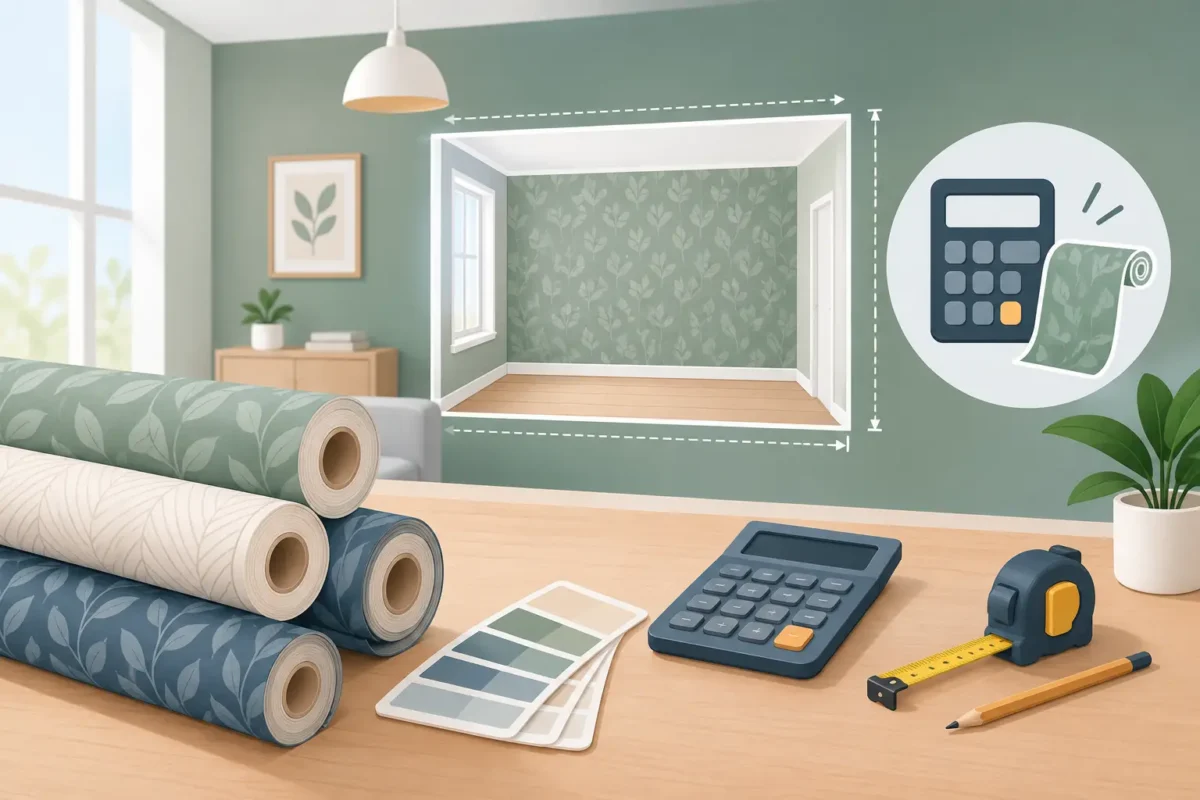
Measure the complete wall, including its height and every obstruction. Record the location of electrical outlets, switches, air-conditioning units, doors, and fixed furniture. These details affect where mural artwork should sit, how wallpaper seams will align, and whether a pattern can be centered properly.
For murals, ask where the focal point of the artwork should land. A scenic design should not place its strongest visual element behind a tall cabinet or directly across a door frame. For repeating wallpaper, consider the pattern repeat and whether a central motif needs to be aligned with the bed, sofa, reception desk, or dining table. Professional planning at this stage protects the finished result from awkward cuts and visual imbalance.
Large patterns generally suit generous walls and rooms viewed from a distance. Smaller-scale designs can work beautifully in compact spaces, but they need restraint. A dense print in a narrow room can feel enclosing unless balanced with simple furnishings, clear lighting, and quieter adjacent surfaces.
A feature wall is experienced differently from across a room than from two feet away. In a bedroom, occupants see the wall both up close and from the doorway. In a lobby or retail store, the first view may be from a much greater distance. Choose designs with the right level of detail for that viewing distance.
Texture-led wallcoverings are especially effective where close inspection matters. They add dimension and softness without demanding attention from every corner of the room. Custom murals are often strongest where there is enough uninterrupted wall area for the artwork to read as one complete composition.
A feature wall should not introduce a completely unrelated color story. Pull from elements already present in the room: upholstery, flooring, timber finishes, stone, artwork, drapery, or cabinetry. This does not mean every color must match. It means the feature wall should create a deliberate relationship with the rest of the interior.
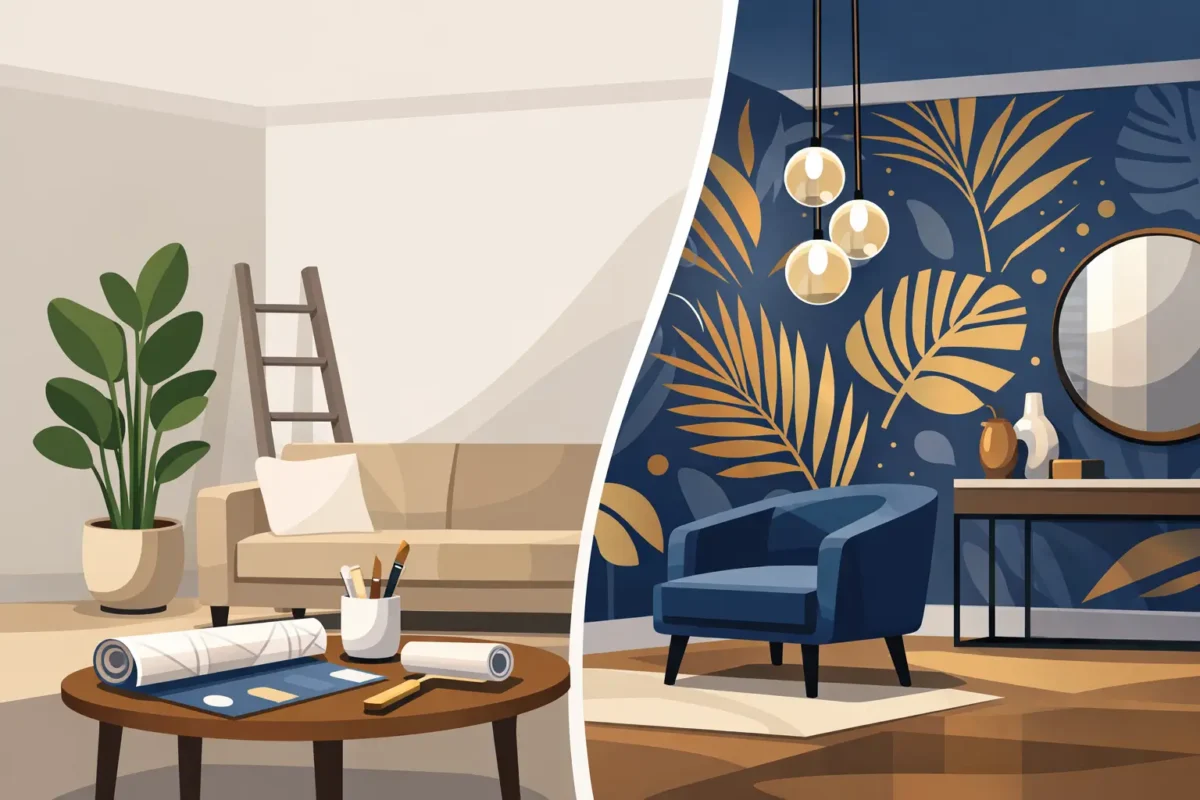
A deep navy wallcovering, for example, can feel sophisticated beside warm oak, brushed brass, and cream textiles. A pale neutral mural may add dimension to a space built around natural stone and soft gray furnishings. If the room lacks contrast, a richer tone or stronger pattern can provide the needed visual anchor.
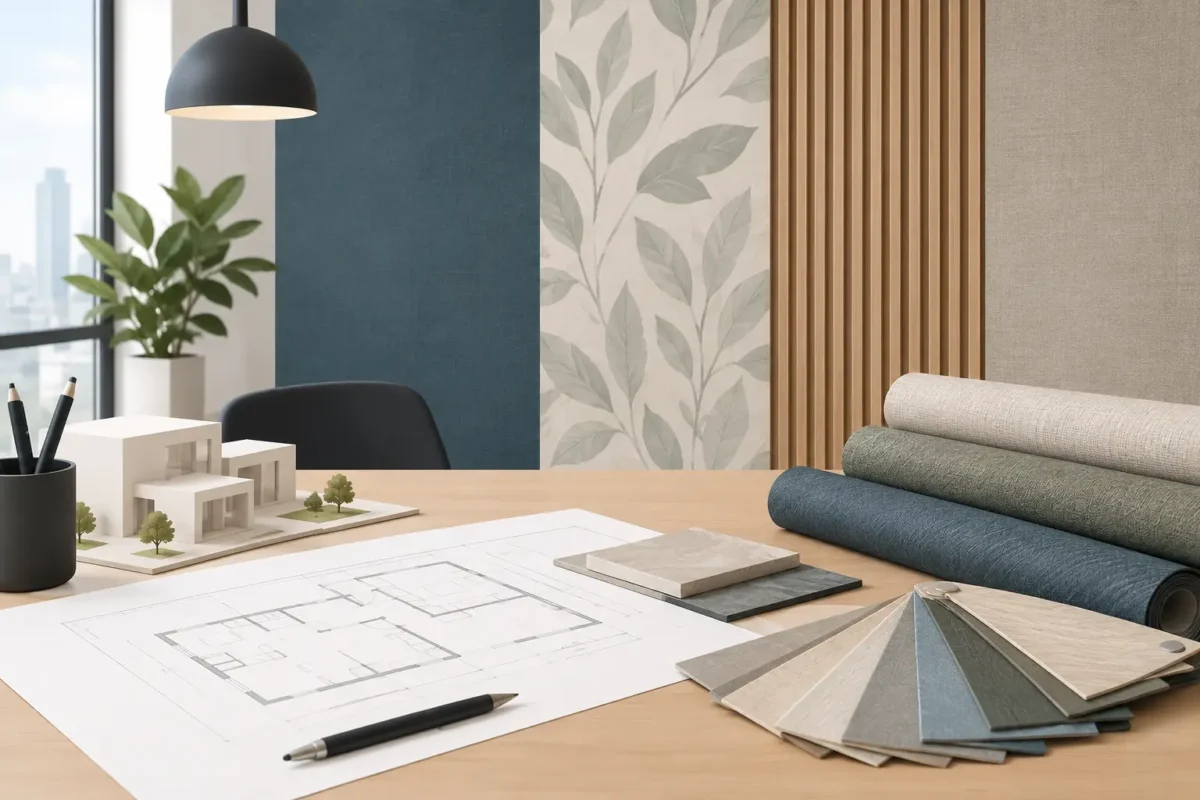
Material selection should be equally intentional. Standard decorative wallpaper may suit a low-traffic bedroom or private residence. Fabric-backed commercial wallcovering is often a more appropriate choice for hotels, offices, restaurants, and shared residential areas because it is engineered for greater durability and maintenance. Custom print wallpaper offers another level of control, allowing a design, image, color palette, or brand element to be tailored to exact wall dimensions.
The finish should reflect the practical conditions of the space. High-touch areas need surfaces that can be maintained confidently. Humid environments require suitable material selection and careful substrate preparation. Where project specifications apply, verify fire-performance requirements before approving a design direction.
Lighting can elevate a feature wall or expose every flaw in it. Natural daylight changes throughout the day, often shifting the apparent warmth, depth, and contrast of a color. View samples in the actual room whenever possible, not only under showroom lighting.
Artificial lighting deserves the same attention. Wall washers can emphasize texture and make embossed or fabric-effect wallcoverings feel more dimensional. Spotlights can enhance a mural’s focal area, while poorly placed directional lighting may highlight seams, uneven walls, or surface imperfections. A darker wallcovering may look dramatic under warm ambient light but overly flat under cool, intense downlights.
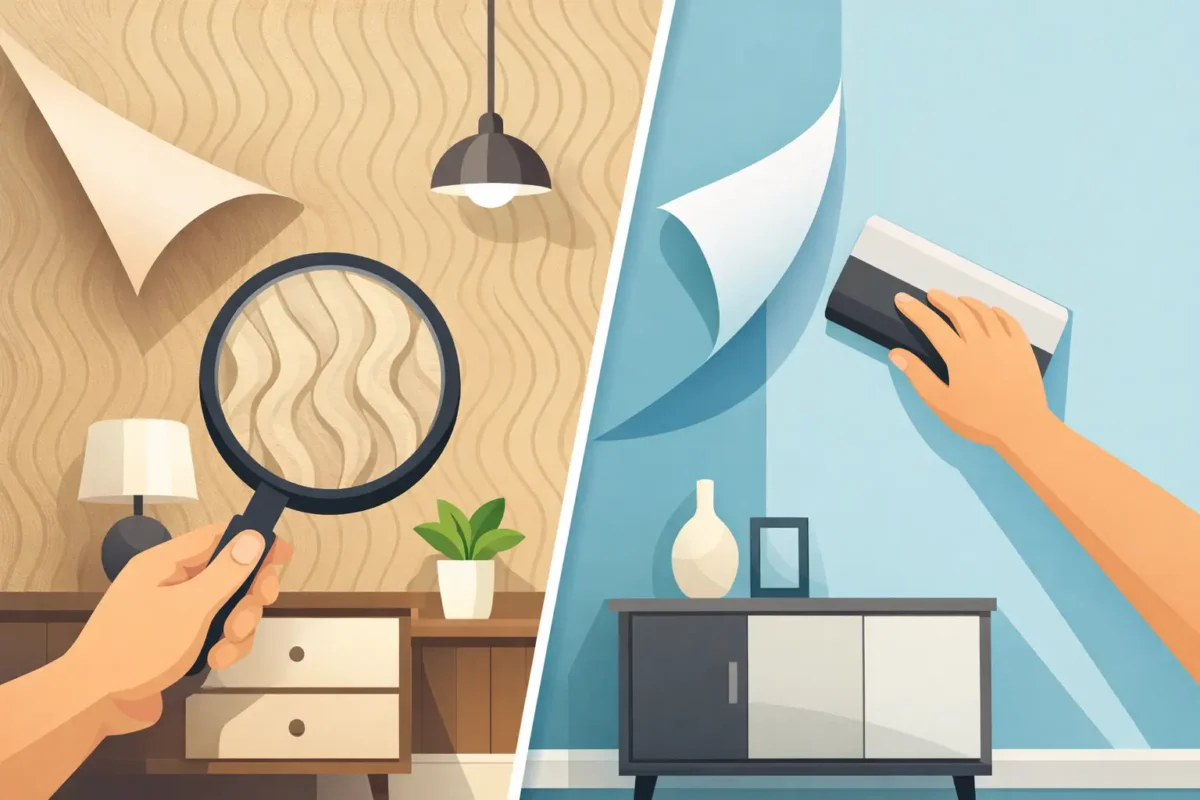
Installation planning is where a statement wall becomes a finished interior rather than a promising concept. Walls should be dry, smooth, clean, and properly primed. Existing cracks, uneven patches, moisture issues, and loose paint need to be addressed before installation begins. A premium wallcovering cannot conceal a poorly prepared substrate indefinitely.
Confirm the installation method and panel layout before printing or ordering. This is particularly important for custom murals, where panel sequencing, bleed, artwork placement, and final dimensions must be precise. Experienced installers can advise on seam placement, pattern matching, corner treatment, and how to work around fixtures without disrupting the design.
The first mistake is choosing a design before considering the room’s scale. The second is treating the wall as separate from furniture, lighting, and circulation. The third is overlooking technical requirements until the material has already been selected.
It is also wise to avoid placing a feature wall on a surface that will be largely hidden by oversized storage, heavy drapery, or competing artwork. If the wallcovering itself is expressive, give it room to be seen. In many cases, fewer accessories create a more luxurious result.
Finally, do not underestimate the value of sampling. Review color, texture, sheen, and pattern scale against the real flooring and furnishings. For custom work, approve artwork at the correct proportion and confirm the final wall measurements after site conditions are complete. These small decisions protect both the visual impact and the investment.
A well-planned feature wall gives a room a point of view. Let the architecture set the stage, choose a finish that performs as beautifully as it looks, and allow the design enough space to make its statement with confidence.