A statement wall can establish a room’s identity, but premium curtains determine how that identity feels from morning through evening. They soften architectural lines, frame the view, control daylight, and introduce the tailored texture that makes an interior look considered rather than merely furnished. For homes, hospitality spaces, offices, and retail environments, curtains are not an afterthought. They are a visible, functional surface with the power to elevate every finish around them.
The right choice is not simply about selecting a beautiful fabric. Curtain design must respond to the wallcovering, window proportions, orientation, privacy needs, cleaning requirements, and the way people use the space. A sheer that looks exceptional in a private lounge may not offer enough glare control for a west-facing meeting room. A dramatic blackout drapery may suit a hotel suite but overpower a compact apartment if the fullness, track placement, and color are wrong.
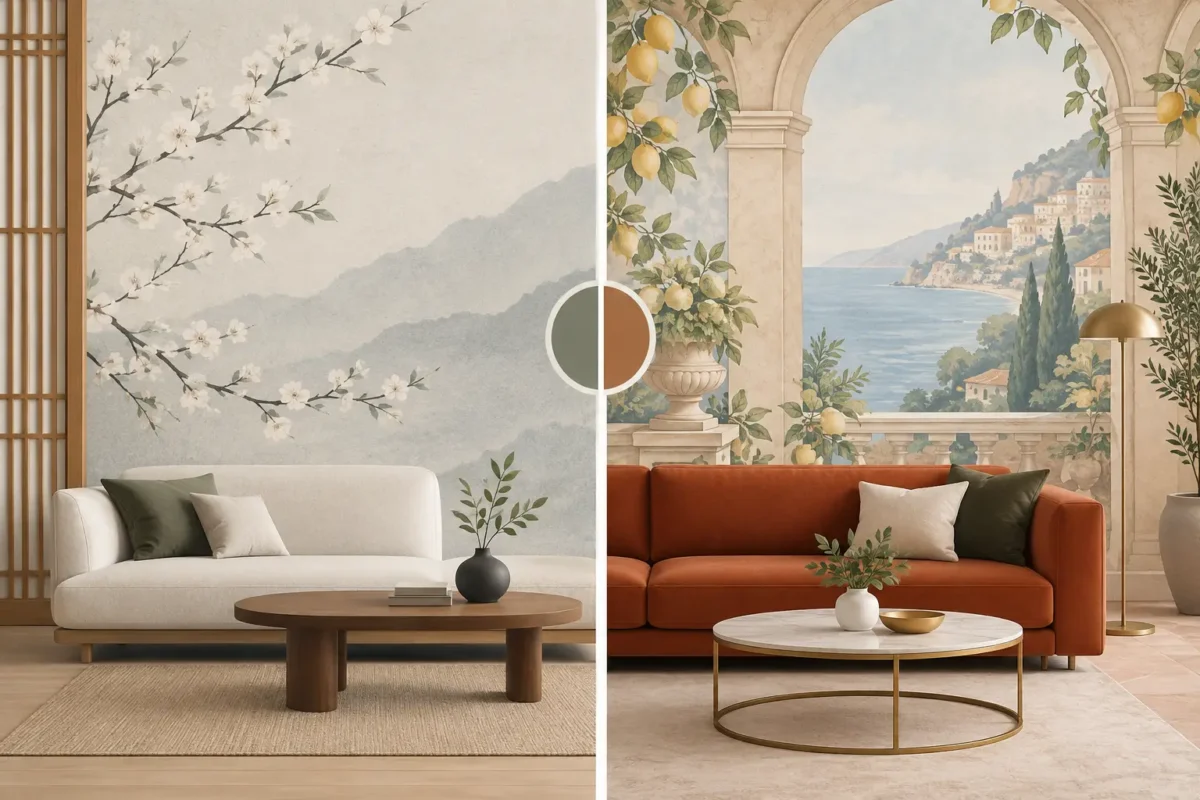
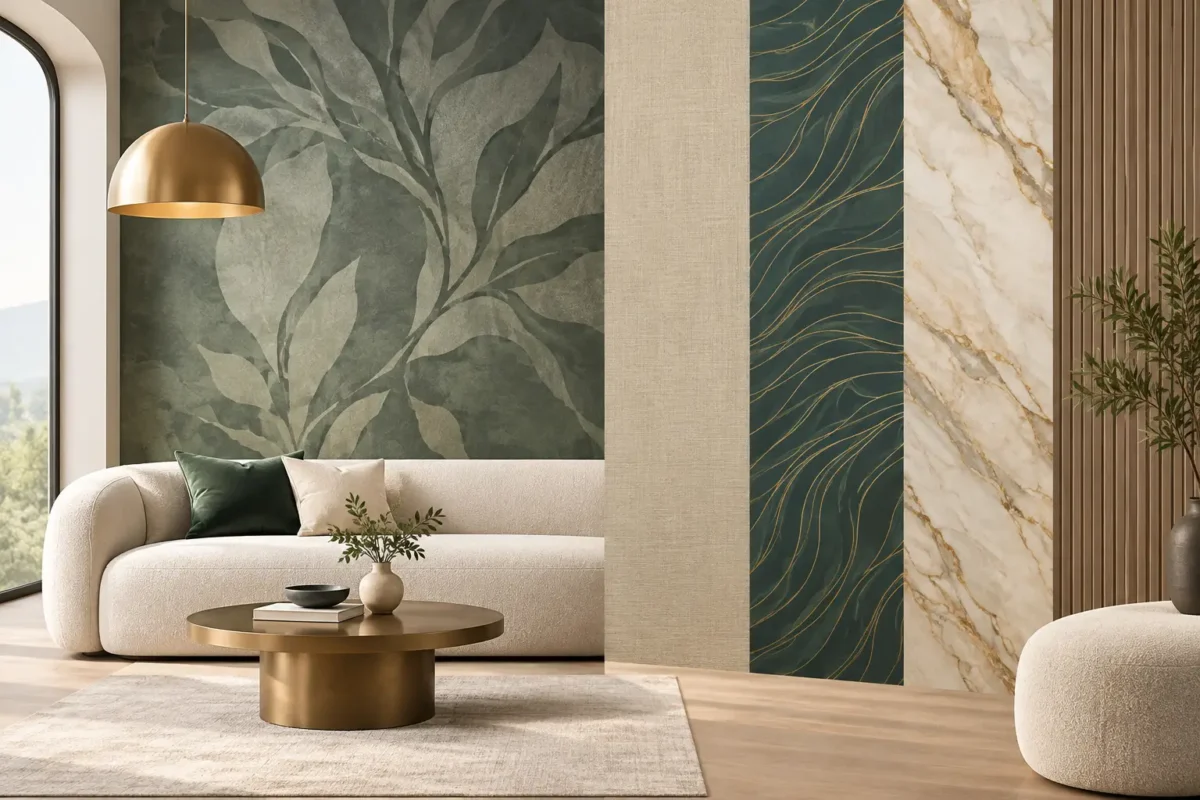
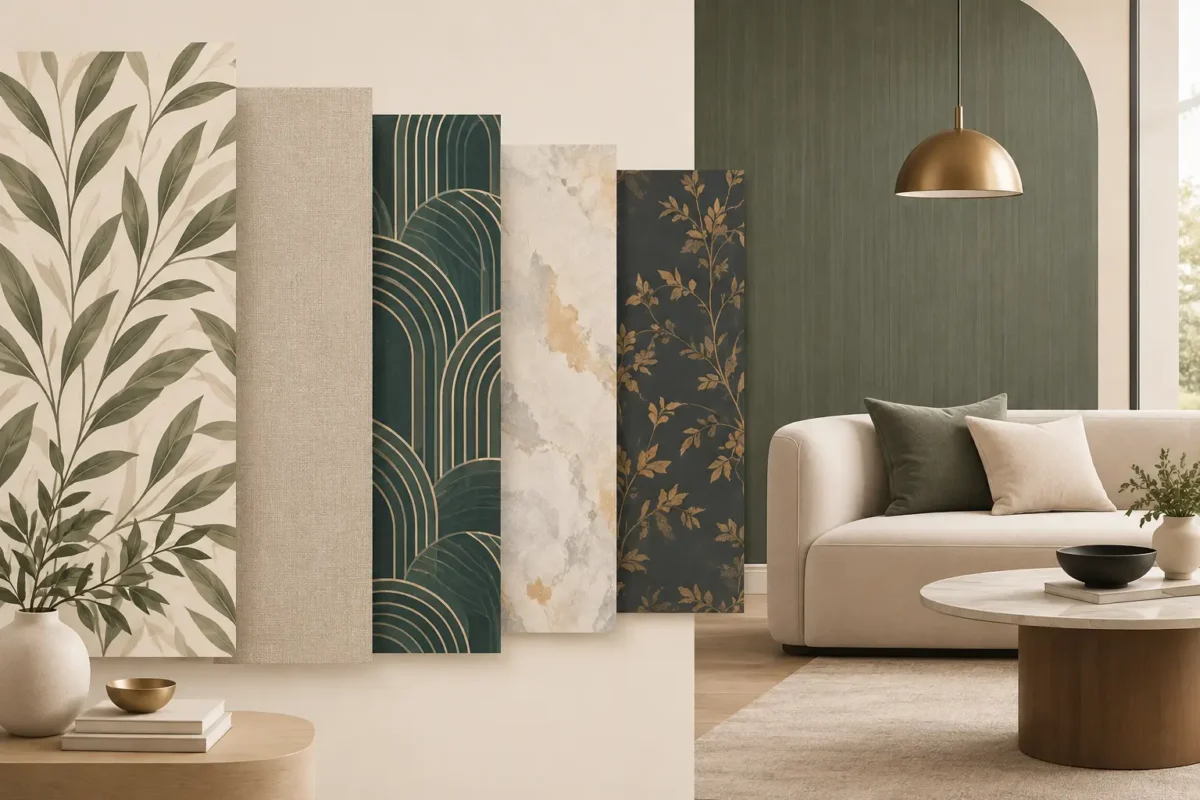
Curtains occupy a large visual plane, often from ceiling to floor. That scale means their color, texture, and drape can either support the design direction or compete with it. In a room with a custom mural, textured wallpaper, or richly patterned European wallcovering, curtains create the necessary balance. They can quiet the composition with a tonal neutral, echo a key shade from the wall design, or add depth through a contrasting weave.
Their impact is also practical. Well-specified window treatments help manage natural light, reduce unwanted visibility, improve comfort near glazing, and contribute to a more polished acoustic environment. In bedrooms and hotel rooms, blackout capability supports rest. In offices, filtered daylight helps reduce screen glare. In retail and hospitality settings, layered curtains can create a warmer, more intimate atmosphere after dark.
Premium does not always mean heavy, ornate, or highly decorative. It means the fabric, construction, lining, hardware, and installation are selected to perform well and look refined over time. A simple linen-look drapery with precise pleating and a clean ceiling-mounted track can feel more luxurious than an elaborate fabric installed with poor proportions.
Before choosing a color or pattern, consider what the window must do. This is the decision that prevents attractive curtains from becoming an everyday frustration.
Sheer curtains diffuse strong sunlight and soften the boundary between indoors and outdoors. They are especially effective in living rooms, lounges, lobbies, and dining spaces where daylight is welcome but direct sun and daytime visibility need moderation. Their translucent finish gives a room movement and softness while allowing architectural details and views to remain present.
The weave matters. Fine, open sheers admit more light and create an airy effect, while denser voile or textured sheer fabrics provide more privacy and a stronger visual presence. For street-facing rooms, a sheer alone may be adequate during the day but rarely provides full privacy at night when interior lights are on.
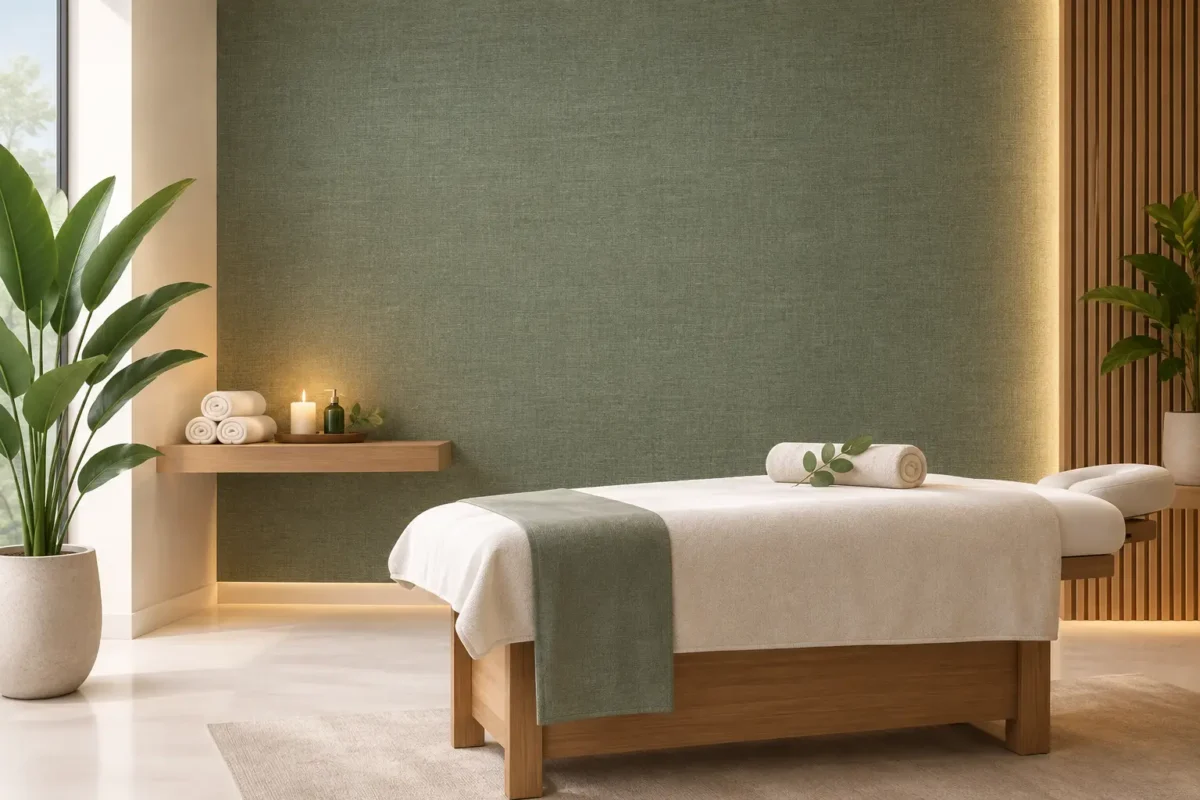
Blackout curtains are designed for spaces where darkness and privacy are essential. Bedrooms, nurseries, media rooms, hotel suites, and treatment rooms benefit most. Depending on the fabric and lining, blackout curtains can also help reduce the intensity of heat and light passing through the window.
Dim-out fabrics offer a middle ground. They substantially reduce light without creating complete darkness, making them suitable for executive offices, guest rooms, and multipurpose spaces. The final result depends on more than the fabric itself. Light can enter around the sides, above the track, and between panels. For stronger room darkening, specify adequate overlap, a well-positioned track, and curtains that extend beyond the window width.
For many premium interiors, the strongest solution is a dual-layer system: sheers for the day and drapes for the evening. This combination allows occupants to adjust privacy and light without sacrificing the room’s visual quality. It is particularly valuable in hospitality projects and residences with large windows, where daylight conditions change significantly throughout the day.
Fabric is where performance and personality meet. The ideal choice depends on the visual concept, location, maintenance expectations, and amount of daily use.
Natural-looking linen and linen-blend fabrics bring relaxed sophistication to residences, boutique hospitality interiors, and spaces with organic wallcoverings. Their texture pairs beautifully with grasscloth effects, botanical murals, stone-inspired finishes, and warm neutrals. However, pure natural fibers may crease, fade, or react differently to humidity than engineered blends. A high-quality blend can deliver a similar look with greater stability and easier care.
Velvet and dense woven fabrics add depth, acoustic softness, and a more formal presence. They work well with darker palettes, metallic details, classic interiors, and richly layered hotel environments. Because these materials carry visual weight, they should be balanced with the wall finish. A heavily patterned wallpaper and deep velvet curtains can be striking, but only when one element is allowed to lead.
For commercial projects, performance fabrics deserve close attention. High-traffic environments may require materials with improved durability, easy-clean properties, colorfastness, and fire-retardant specifications. A reception area, restaurant, clinic, or hotel requires more than a fabric that photographs well. It needs a finish that holds its appearance under regular use, maintenance, and changing light conditions.
Walls and windows should be designed as one composition. When selecting curtains alongside wallpaper, start by identifying the dominant visual element. If the wallpaper carries a bold graphic print, panoramic mural, or strong texture, a solid or subtly textured curtain will often create the best balance. Choose a tone that appears within the wall design rather than matching it exactly. This gives the room cohesion without making every surface feel uniform.
If the walls are quiet, curtains can carry more character. A tailored stripe, muted geometric, or tactile weave can add dimension to a simple painted wall or understated commercial wallpaper. In rooms with custom murals, curtain placement is particularly important. Ceiling-mounted tracks and wide stacking areas help keep the mural visible when the curtains are open.
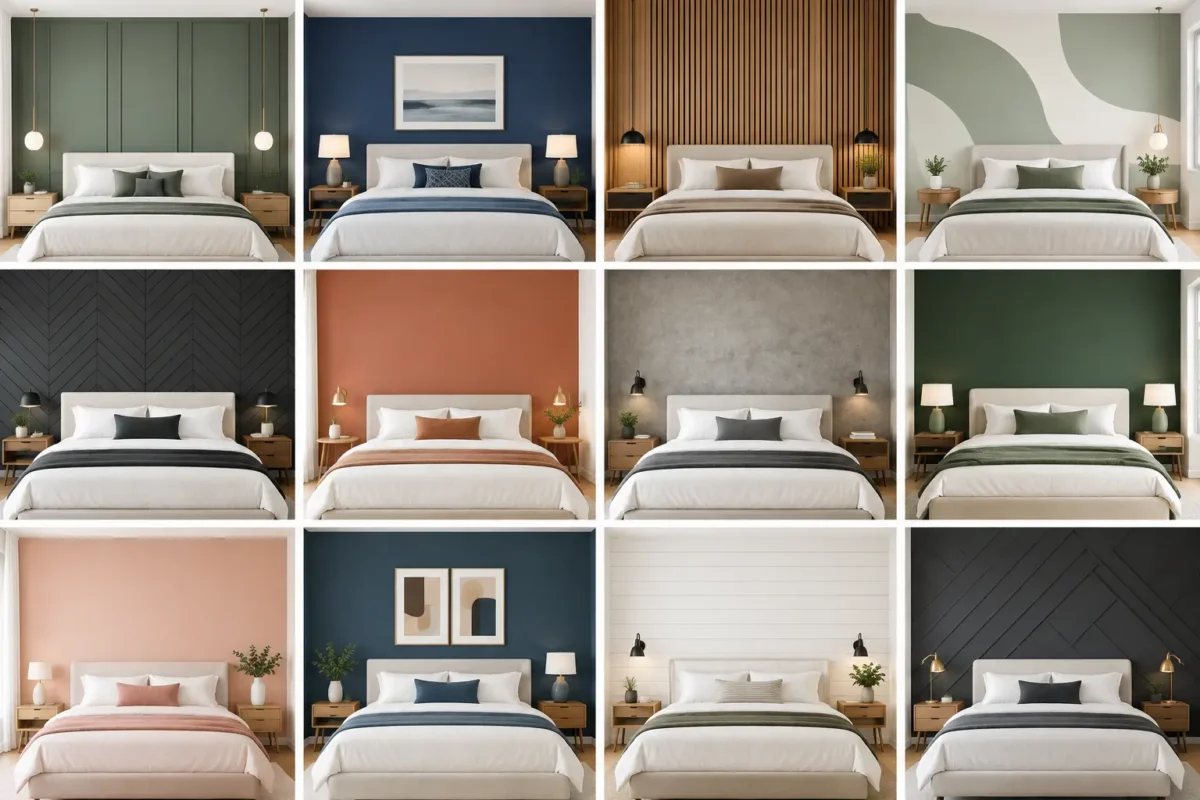
Color should also be judged in the room, not only from a small sample. Daylight changes across the day, and textured fabrics reflect light differently from smooth wallcoverings. Warm gray curtains may look elegant beside a taupe wallpaper in the showroom but lean cooler against blue daylight at home. Sampling near the actual window is the more reliable approach.
Even exceptional fabric can look ordinary if the curtain is too short, too narrow, or hung at the wrong height. Full-height curtains generally create the most refined result because they draw the eye upward and make ceilings appear higher. Ceiling-mounted tracks are particularly effective in contemporary interiors, apartments, hotel rooms, and commercial spaces where a clean architectural line is desired.
Curtain fullness affects both appearance and function. A panel that is too flat can look sparse when closed, while excessive fullness may feel bulky and reduce the available window opening. The ideal ratio depends on fabric weight and heading style. Lightweight sheers usually need more fullness to achieve a soft wave, while heavier drapery fabrics can perform well with less.
Heading style should support the design language. Wave headings create a clean, modern rhythm. Pinch pleats suit more formal, classic, and hospitality-led interiors. Ripplefold systems offer a polished appearance for large expanses of glass and are often favored for their consistent folds. Hardware should remain discreet where the fabric and wall finish are the focus, or become a deliberate accent in interiors with exposed metal detailing.
Professional measurement and installation are central to the final result. Window treatments must account for wall returns, air-conditioning units, cornices, furniture clearance, window handles, and how far the curtains need to stack when open. These details are easy to overlook and difficult to correct after fabrication.
A beautiful curtain should remain beautiful after repeated opening, closing, cleaning, and sun exposure. In family homes, consider washable or low-maintenance materials where children, pets, or frequent entertaining create more wear. In hospitality and commercial settings, confirm cleaning recommendations and performance requirements before finalizing the fabric.
Motorized curtain systems can be worthwhile for tall windows, wide glazing, hard-to-reach tracks, and spaces that require consistent light management. They offer convenience, but they also require early coordination for power supply, controls, and track access. For a small, easily reached bedroom window, manual operation may be the smarter and more cost-effective choice.
At Decorating Depot, window treatments can be considered alongside wallpaper, murals, and other decorative surfaces so color, scale, material, and installation work together from the beginning. That coordinated approach is especially valuable when a project needs both expressive design and dependable execution.
The most successful curtain choice is the one that still feels right after the sun moves, the lights come on, and the room is being used as intended. Begin with function, select fabric with the wall finish in view, and give proportion and installation the attention they deserve. The result is not just a dressed window, but a more complete interior.