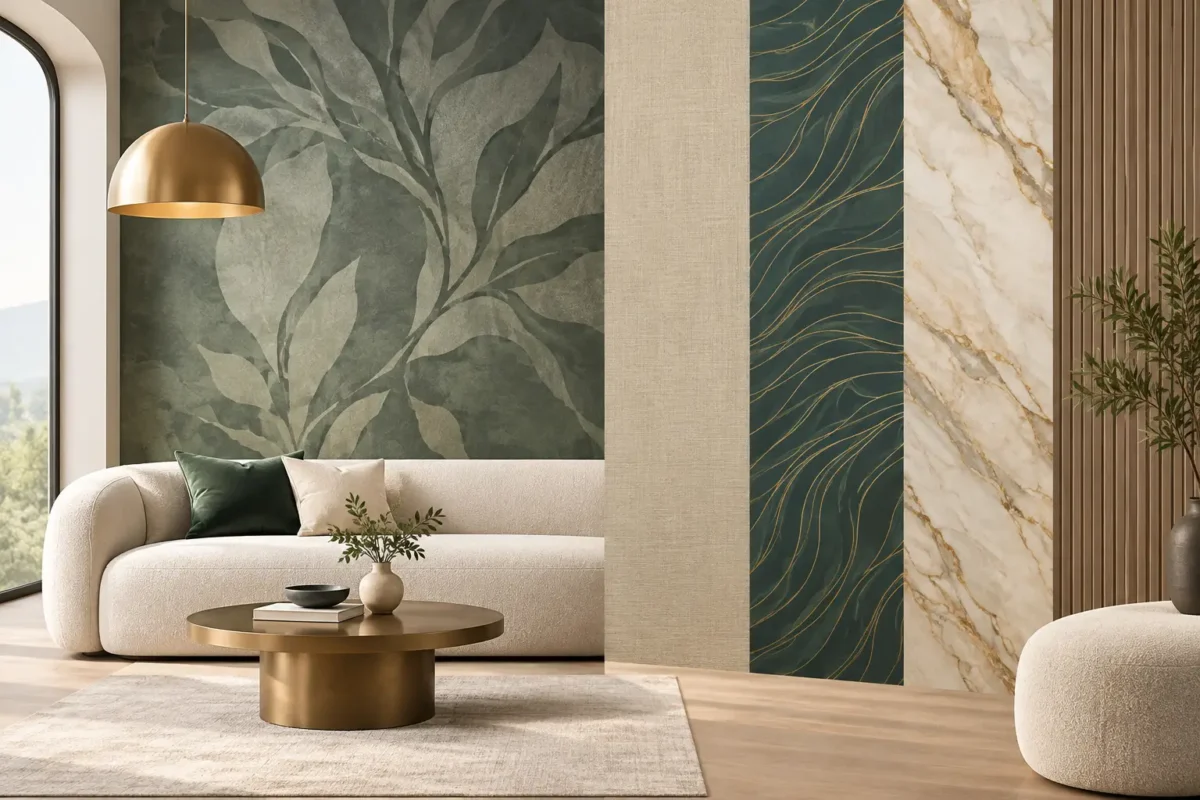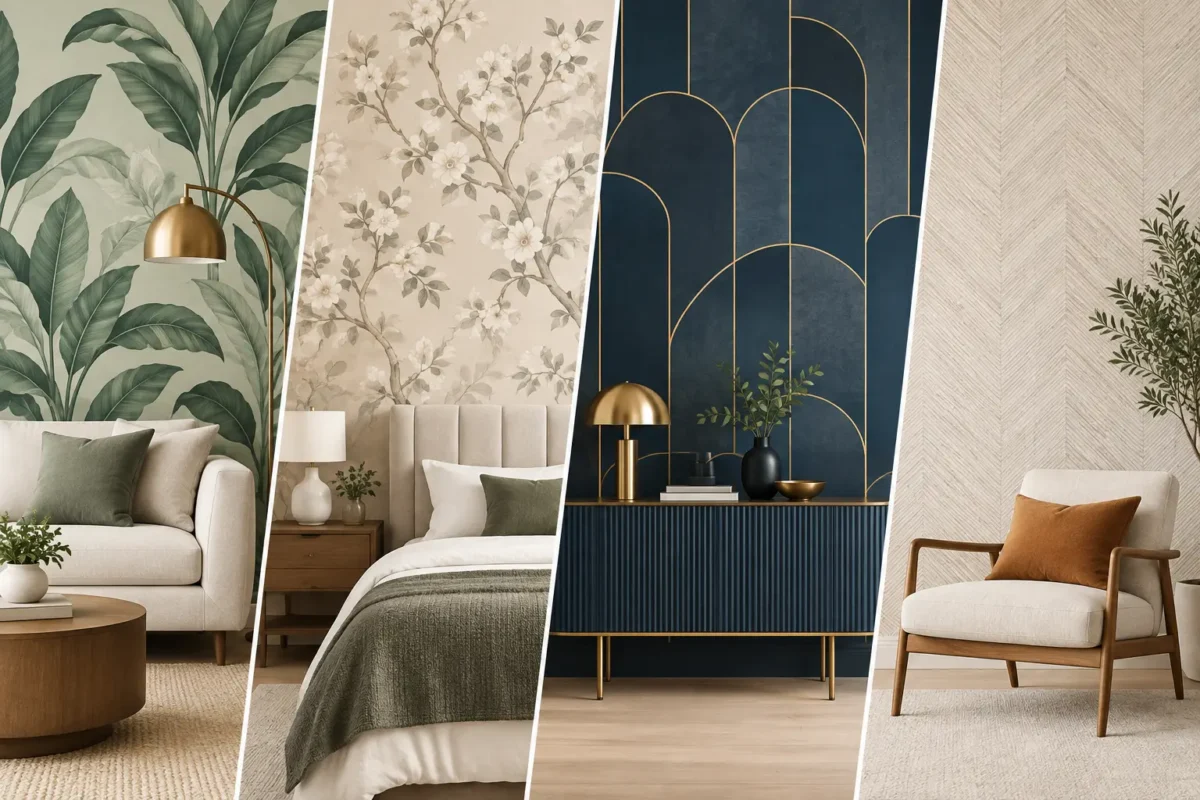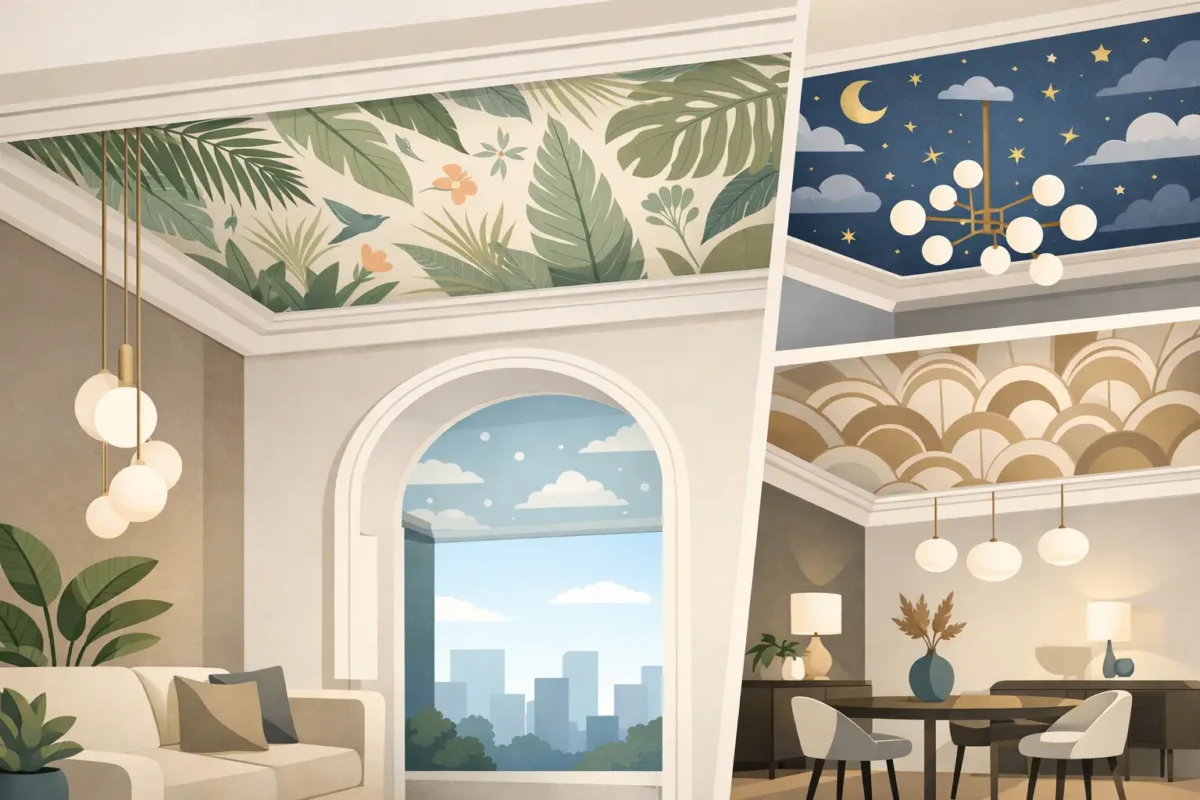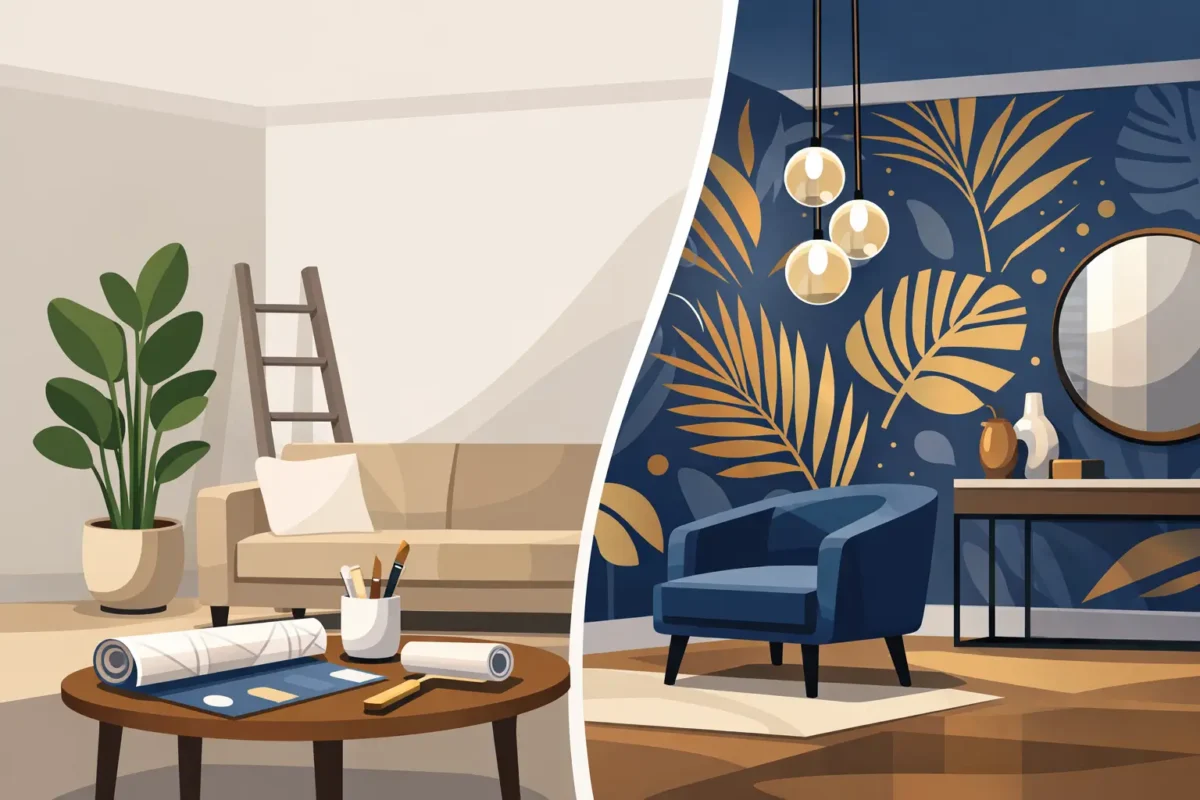
A blank feature wall is not simply an empty surface. In a residence, hotel lobby, retail store, or office, it is an opportunity to establish atmosphere, identity, and visual hierarchy. When comparing murals vs framed wall art, the real question is not which option is better in every setting. It is which one delivers the right level of impact, flexibility, and performance for your space.
A mural can turn an entire wall into a destination. Framed art creates focus, rhythm, and the freedom to evolve. Both can feel refined and highly considered, but they work in very different ways once scale, lighting, wall condition, maintenance, and installation are part of the decision.
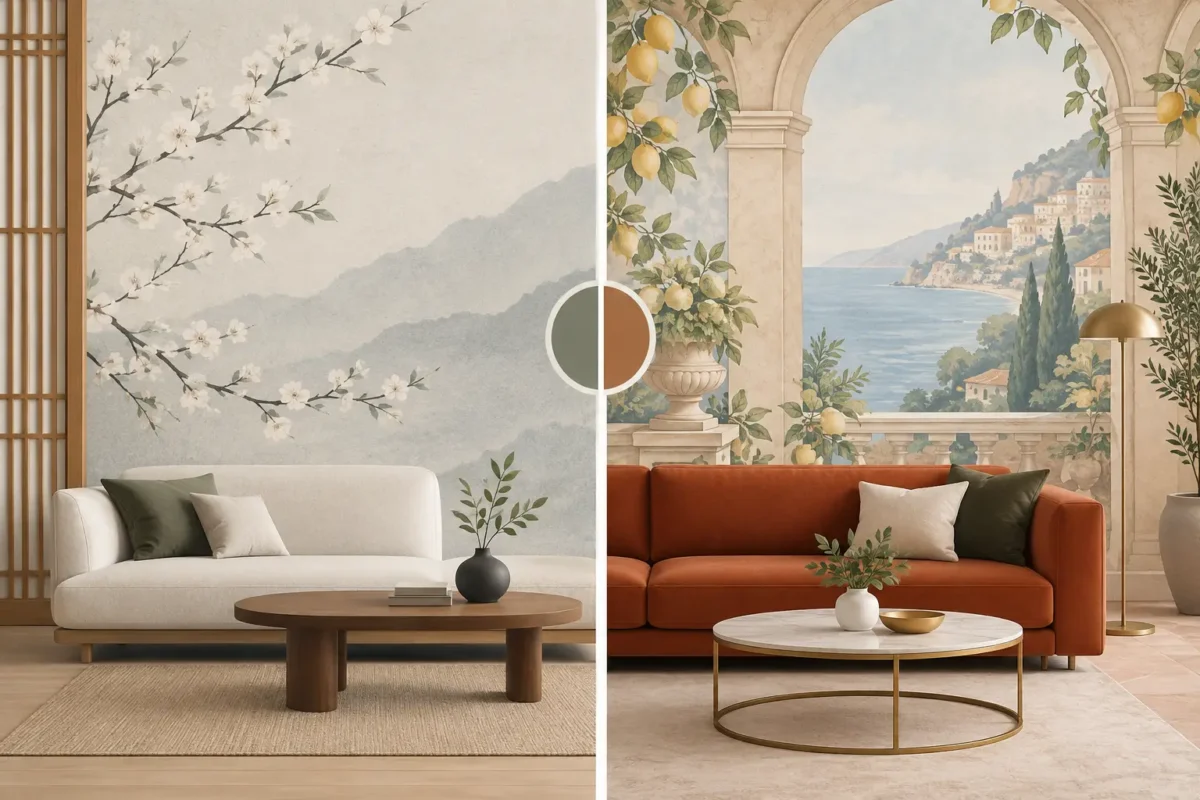
The most immediate distinction is scale. A custom mural is designed for the architecture around it. It can span from wall to wall, wrap around a corner, frame a bed, extend behind a reception counter, or establish a dramatic backdrop in a dining area. Because it occupies a large visual field, it changes the perceived proportions of a room. A landscape can add depth to a compact space, while a textured mural can bring warmth and dimension to a long corridor.
Framed wall art works through composition rather than immersion. A single oversized canvas may create a strong focal point, while a set of coordinated pieces can bring balance to a living room, meeting space, or hospitality suite. The wall remains visible around the artwork, allowing paint color, paneling, stone, or wallpaper to remain part of the design story.
For spaces where the wall itself needs to make a statement, murals usually have the advantage. For interiors where artwork should complement other premium finishes rather than dominate them, framed art often provides the more measured solution.
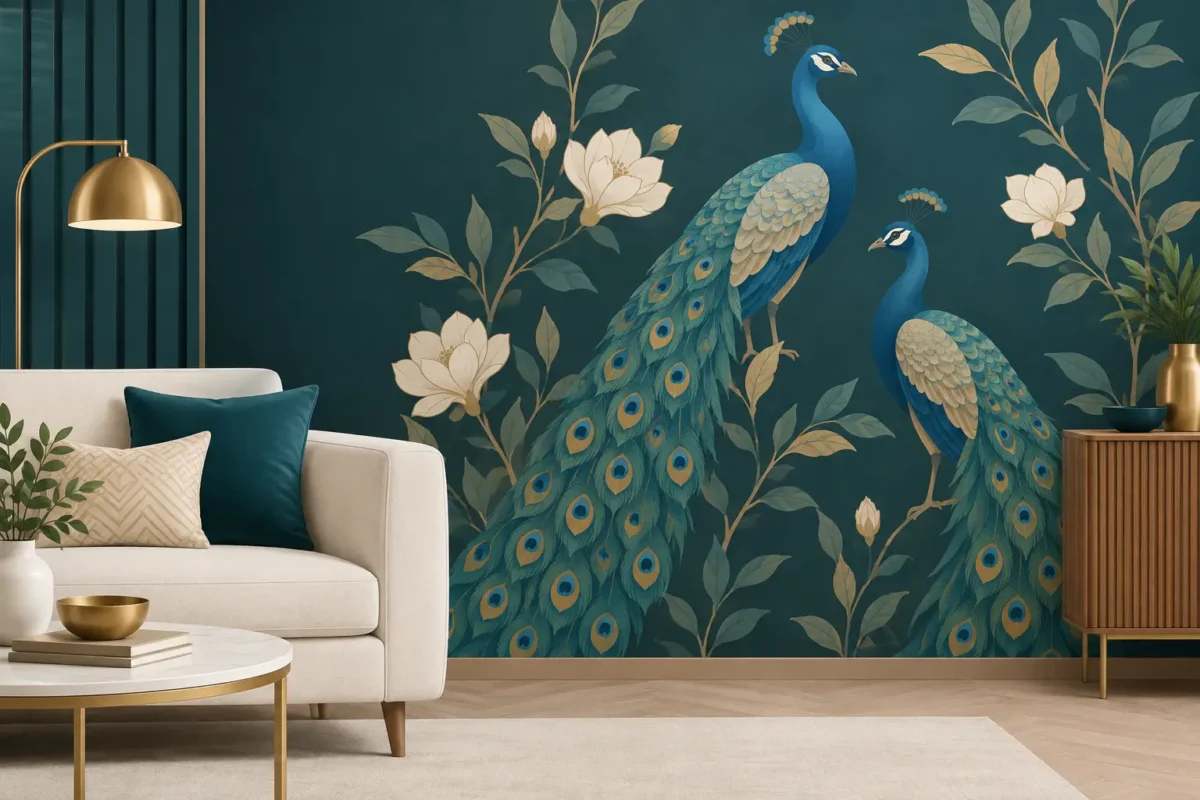
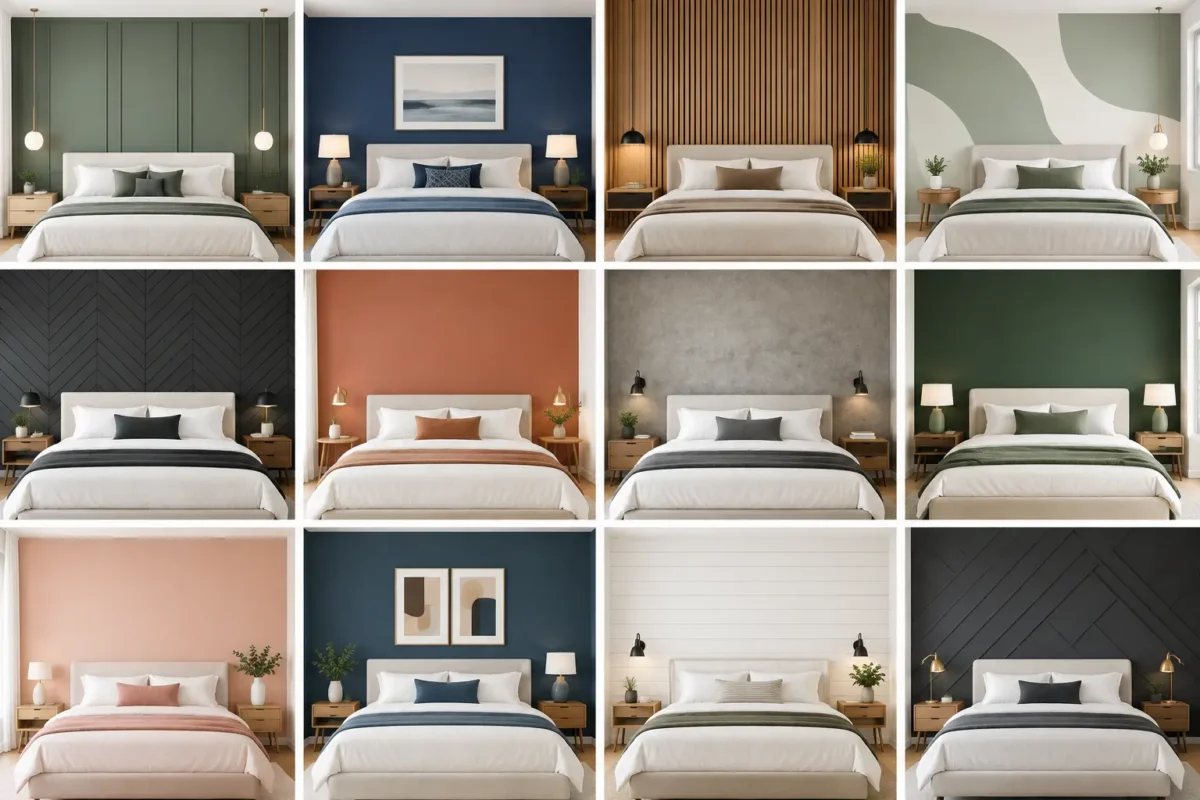
Murals are especially effective when a space needs a clear point of view. In hospitality, this may be a botanical feature wall that gives guests a memorable arrival experience. In retail, it may be a brand-aligned graphic that supports visual merchandising. In a home, a soft watercolor landscape or abstract composition can make a bedroom feel composed without adding multiple decorative elements.
Customization is one of the strongest reasons to choose a mural. The design can be sized to the exact wall dimensions, adjusted around doors or built-in cabinetry, and personalized with colors that coordinate with furnishings and flooring. This avoids the common problem of choosing a ready-made artwork that feels too small, too generic, or disconnected from the room.
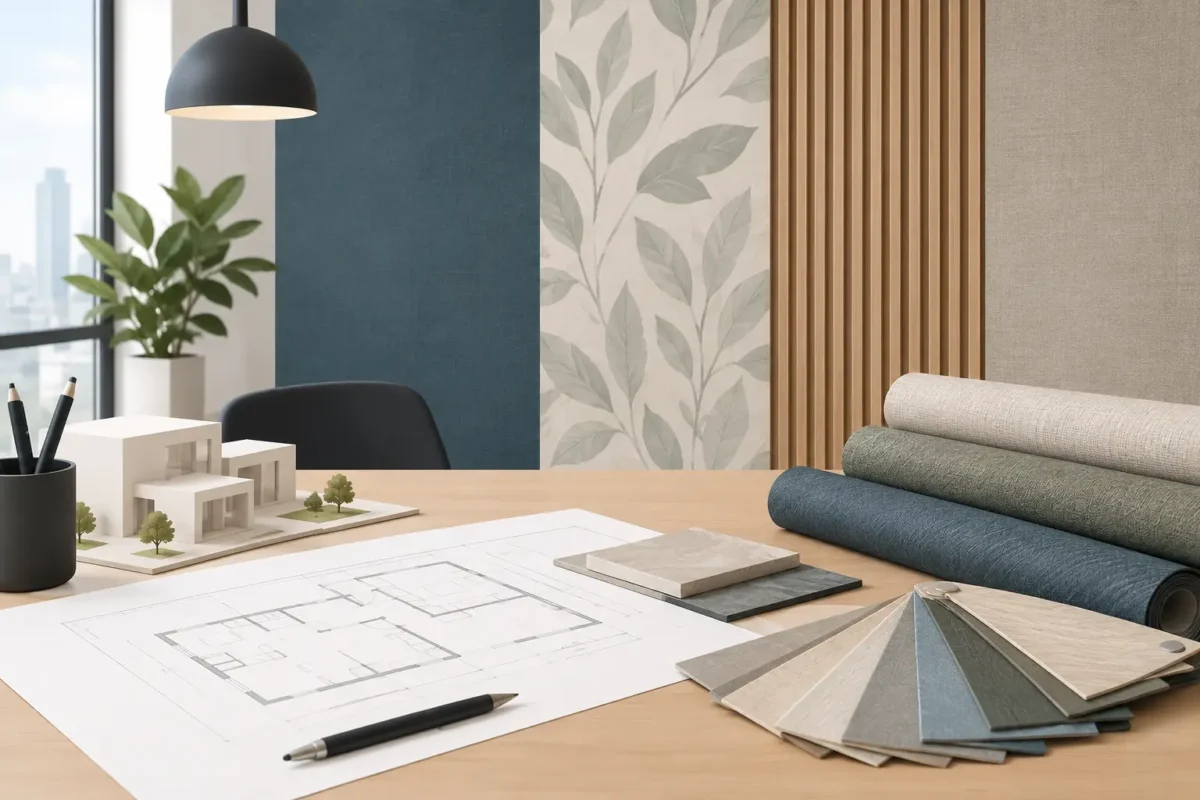
Material selection matters as much as the image. A project-grade wallcovering can offer a more polished and durable result than a decorative print alone. Depending on the application, commercial-grade and fabric-backed options can support high-traffic environments, while fire-retardant specifications and easy-clean surfaces help meet practical requirements for offices, hotels, healthcare-adjacent spaces, and public-facing interiors.
Professional printing also affects the final impression. Fine detail, color depth, and consistency across large panels require reliable production technology. Eco-friendly ink and precise panel matching help ensure that a mural looks intentional from close range as well as across the room.
A mural does ask for commitment. Replacing it is more involved than moving a frame, and the installation quality is highly visible. Seams, wall preparation, pattern alignment, and trimming around switches or architectural details all need experienced handling. For a permanent feature wall or a long-term commercial environment, that commitment often pays off in a finish that feels fully integrated with the space.
Framed wall art is a strong choice when flexibility is part of the brief. It can be repositioned, refreshed seasonally, or changed as a business evolves. This is particularly valuable for rental properties, show units, private residences with changing collections, and offices that may undergo frequent rebranding or reconfiguration.
It also offers a practical answer for walls with many interruptions. Windows, display shelving, electrical panels, wall lights, and multiple door openings can make a full mural feel fragmented. In these settings, one well-proportioned canvas or a carefully arranged art grouping can create visual order without forcing a design across complicated architectural conditions.
Framed pieces bring physical depth, too. A canvas frame lifts artwork from the wall and creates a shadow line that can feel tailored and gallery-like. This layered effect works beautifully with textured wallpaper, timber finishes, or painted walls. In a residential setting, it can make a room feel collected rather than decorated all at once.
The trade-off is that framed art has less power to transform an undistinguished wall by itself. A small frame on a large wall can appear lost, no matter how beautiful the image is. Scale must be planned carefully. As a general design principle, artwork over a sofa, console, or bed should relate to the width of the furniture beneath it, rather than floating as an isolated object.
The best choice often becomes obvious when you consider how the room is used. A narrow hallway benefits from the visual continuity of a mural, especially one with a light palette, subtle texture, or receding perspective. A formal dining room may suit a large framed canvas that creates an elegant focal point while leaving space for decorative lighting and wall finishes to perform.
In reception areas, murals can establish a strong first impression and create a distinctive backdrop for a logo or concierge desk. In executive meeting rooms, framed art can be preferable when the desired mood is quieter, more flexible, and less brand-forward. For restaurants and cafés, the decision depends on the concept: an immersive mural can support a themed experience, while a rotating art arrangement may encourage repeat interest.
Lighting should also shape the decision. Murals benefit from even wall washing that reveals color and texture across the full surface. Framed art can be highlighted with picture lights or directional spotlights, creating a more theatrical focal point. Before specifying either option, assess daylight, glare, ceiling height, and the viewing distance from key seating or circulation areas.
A wall finish should be selected for how it will perform after opening day, not only how it looks in a design presentation. High-traffic commercial interiors need materials that resist scuffs, tolerate routine cleaning, and maintain color over time. A well-specified mural wallcovering can provide a durable, continuous finish with fewer exposed edges than multiple framed pieces.
Framed wall art has its own maintenance considerations. Glass may reflect light or require regular cleaning, while canvases can collect dust and may be vulnerable in areas with high humidity or frequent contact. Frames need secure fixing, particularly in hospitality and public spaces where safety and durability are non-negotiable.
Budget should be evaluated as a complete installation, not simply as a product price. A mural may involve wall preparation, custom sizing, printing, and professional installation. Framed art involves artwork production, frame selection, hardware, placement, and sometimes lighting. A premium result comes from getting these details right, whichever route you choose.
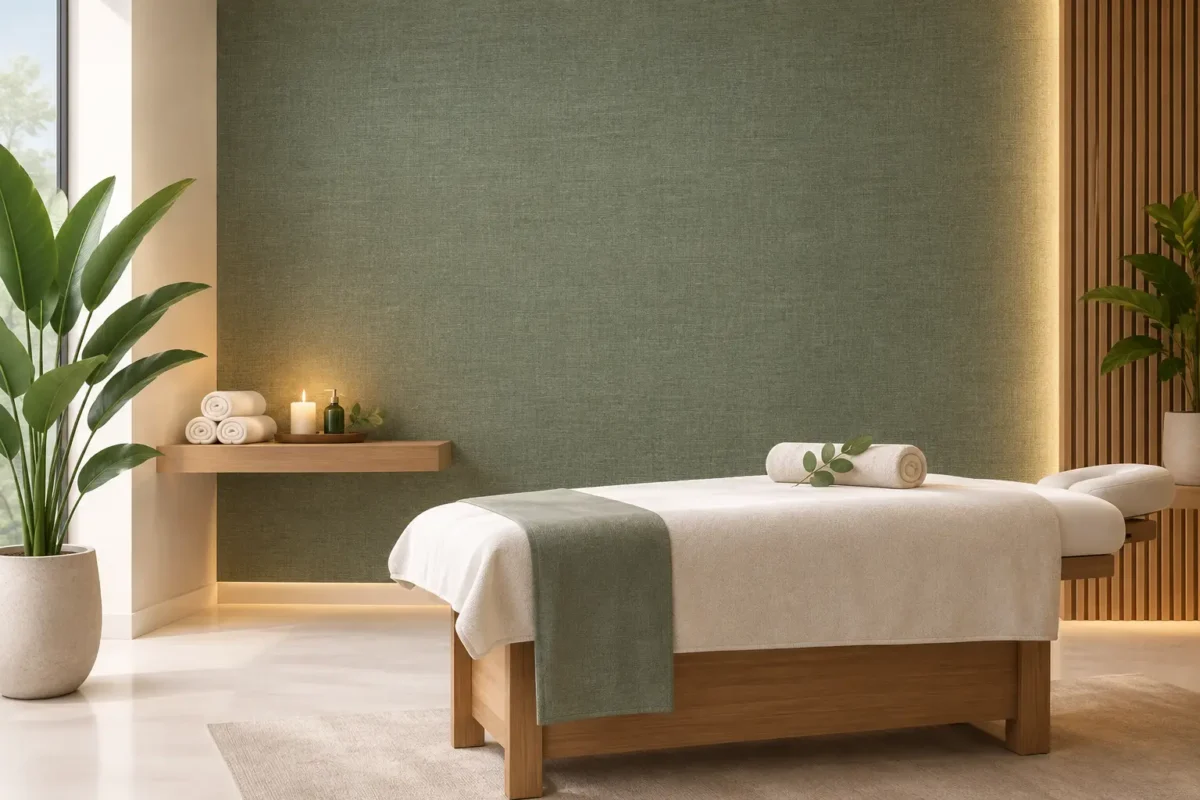
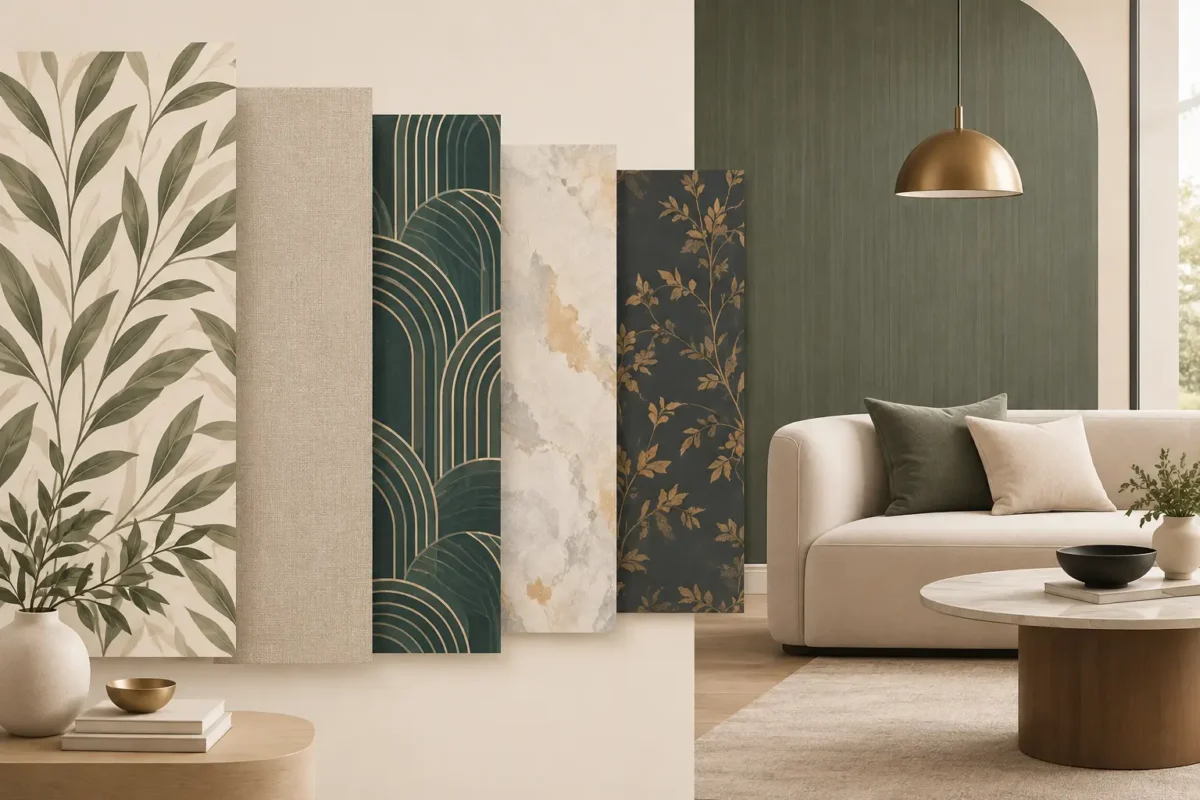
Murals and framed art do not need to compete. Many of the most layered interiors use both. A mural may anchor the main feature wall, while complementary framed canvases bring cohesion to adjacent rooms. A quiet textured wallcovering can also provide the ideal backdrop for art, giving the space depth without competing for attention.
The key is to avoid visual duplication. If the mural is bold, framed pieces nearby should be edited and restrained. If the art collection is the focal point, choose a mural or wallcovering with a softer pattern, tonal texture, or understated color palette. This creates hierarchy, which is what makes an interior feel polished rather than overcrowded.
The right wall treatment should make the room feel more purposeful the moment someone enters. Choose a mural when the architecture calls for immersion, customization, and lasting visual impact. Choose framed wall art when adaptability, depth, and curated restraint matter most. With the right material, scale, and professional installation, either choice can turn a plain wall into a defining part of the space.