Scuffed corners, constant touch points, rolling luggage, moving chairs, and busy hallways all ask more from a wall finish than a quiet bedroom ever will. Choosing the right wallpaper for high traffic areas is less about trend and more about performance – the surface has to keep its finish, clean well, and still look polished after repeated daily use.
That is where material quality matters. In entryways, corridors, reception spaces, restaurants, retail stores, elevators, and family homes, wallpaper is not simply decorative. It becomes part of the working interior. The best specification brings together engineered durability, cleanability, installation quality, and a design language that still feels elevated.
High traffic environments create a specific set of stresses. Walls are brushed by bags, touched by hands, bumped by carts, marked by shoes, and exposed to more frequent cleaning. In commercial settings, there may also be stricter requirements around fire performance, maintenance cycles, and long-term appearance retention.
Standard decorative wallpaper can work beautifully in lower-use rooms, but it is not always built for repeated abrasion or frequent wipe-downs. Wallpaper for high traffic areas needs a tougher construction. That usually means stronger backing, denser surface layers, better resistance to scratching and impact, and finishes designed to be cleaned without quickly wearing out the pattern or texture.
This is also why installation cannot be treated as an afterthought. Even a premium wallcovering can fail early if seams are poorly aligned, adhesive is mismatched, or the wall substrate is not properly prepared. In busy spaces, small flaws become visible faster.
Not every wallpaper category performs the same way. Some are selected for softness and visual depth. Others are specified because they are built to withstand commercial use.
For many designers, architects, and commercial operators, fabric-backed vinyl is the benchmark choice for demanding interiors. It combines a vinyl face with a fabric substrate, creating a wallcovering that is durable, dimensionally stable, and easier to maintain than many lighter residential papers.
This material is especially well suited for hotel corridors, office common areas, retail interiors, clinics, and busy residential zones. It handles regular cleaning better than delicate finishes and tends to offer stronger resistance to impact and wear. It also comes in a wide design range, from subtle linen effects to metallic textures and tailored contemporary patterns.
Solid vinyl and other commercial-grade vinyl constructions are also strong contenders. These products are practical for family homes, children’s spaces, stairways, and selected business environments where easy maintenance is a priority.
The advantage is straightforward: the surface can usually be wiped clean more easily than paper-based alternatives. The trade-off is aesthetic. Some lower-grade vinyl products can look flat or overly synthetic, which is why specification should focus on premium collections with convincing texture, refined embossing, and proven performance data.
When branding, wayfinding, or a signature visual statement matters, custom print wallpaper can still be suitable for high-traffic settings – if it is produced on the right commercial substrate. This is often the best route for hospitality features, branded offices, retail concepts, and residential focal walls that need custom scale or artwork.
The key is not the print alone, but the base material and ink technology behind it. A high-quality substrate paired with stable, eco-conscious printing can deliver visual impact without giving up durability. For projects that want both originality and performance, this balance matters.
One of the biggest mistakes in specification is assuming all busy spaces need the same finish. They do not. A hotel corridor, a family mudroom, and a luxury boutique all have different demands.
In homes, the highest-use zones are usually entryways, hallways, stairwells, kids’ rooms, dining areas, and sometimes powder rooms. These spaces benefit from wallpapers with scrub-resistant or washable surfaces, moderate texture that can disguise minor marks, and colors or patterns that do not show every touch.
Very delicate metallics, raised natural fibers, or pale flat matte finishes may still work in a high-end home, but only if the traffic level is moderate and expectations are realistic. Beauty should match lifestyle.
Offices, clinics, retail stores, education spaces, and public-facing environments often need stronger specifications. Here, durability, code compliance, and maintenance efficiency typically outweigh purely decorative concerns. Fabric-backed commercial wallpaper is frequently the safest choice because it supports long-term performance while still allowing the space to feel designed rather than purely functional.
Hotels, serviced residences, restaurants, lounges, and reception areas need both atmosphere and resilience. Guests notice finish quality immediately, but operations teams care just as much about maintenance. In these settings, wallcoverings should deliver a premium look while tolerating luggage impact, housekeeping routines, and frequent contact.
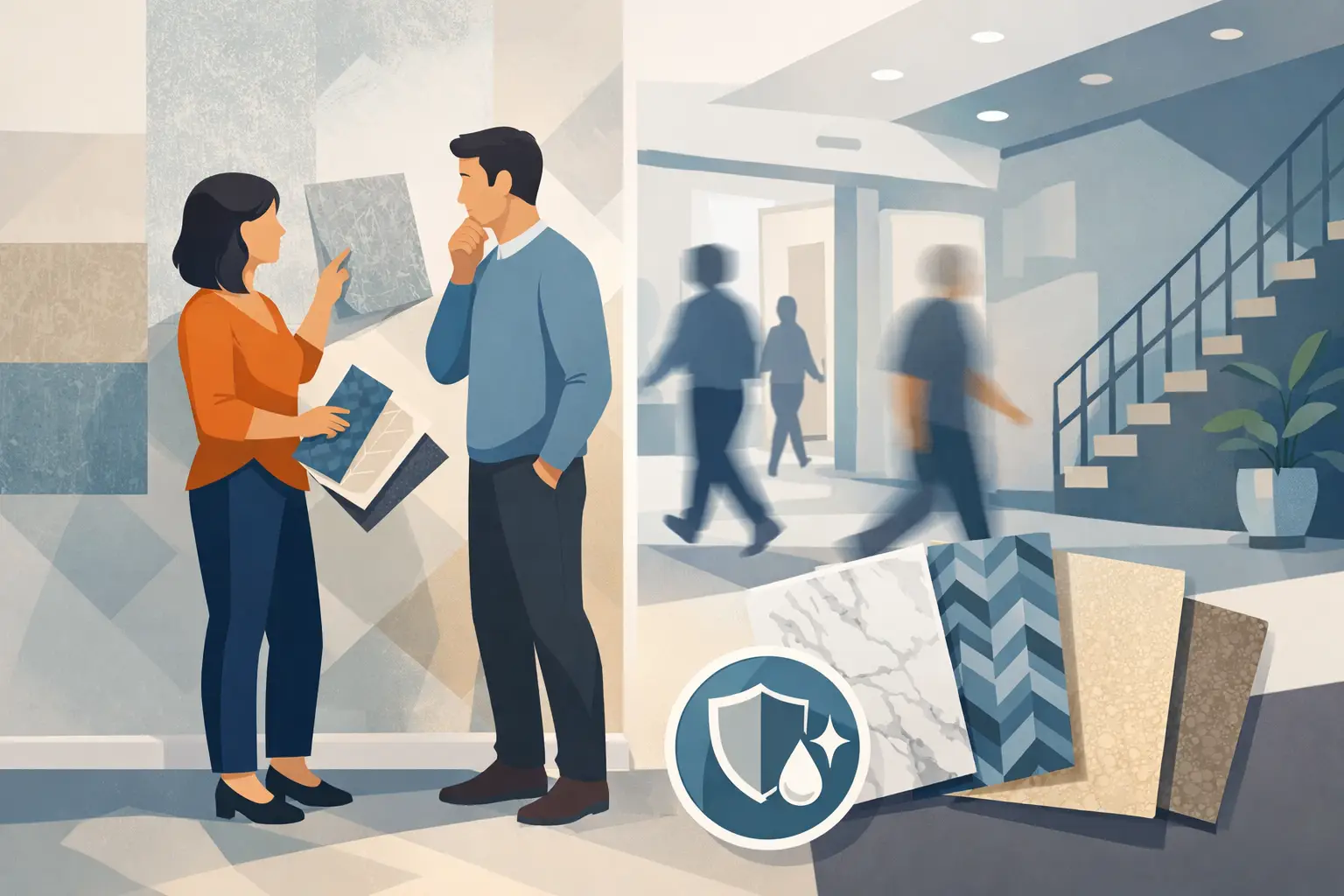
The smartest selection process starts with use, not pattern. A wallcovering that looks perfect in a sample book may not be right once the space is occupied every day.
Start by asking how the wall will actually be used. Will people brush past it constantly? Will the surface need routine cleaning? Is there a risk of carts, chairs, suitcases, or children’s activity? Will the wall sit in direct view under strong lighting, where every seam and mark becomes obvious? These questions narrow the field quickly.
Then look at cleanability. Washable and scrubbable are not interchangeable terms, and that distinction matters. Some wallpapers can handle a light wipe. Others are made for more frequent maintenance. For commercial projects, this should be confirmed in the product specification rather than assumed.
Texture is another practical decision. A well-chosen embossed finish can conceal minor scuffs better than a perfectly smooth surface. At the same time, very deep or delicate textures may trap dirt or become harder to clean in food service or family settings. The right answer depends on where the product will be installed.
Color and pattern also affect longevity. Mid-tone palettes, layered neutrals, stone looks, textile effects, and softly patterned surfaces often age better in busy spaces than very dark solids or stark bright whites. They maintain a refined appearance while being more forgiving in day-to-day use.
Durability does not have to mean generic walls. That assumption belongs to older commercial interiors. Today, project-grade wallpaper is available in finishes that feel tailored, architectural, and distinctly premium.
Textile-inspired patterns add warmth without the fragility of real fabric. Stone and plaster effects create depth while remaining practical. Contemporary geometrics can sharpen retail or workplace environments. Bespoke murals can turn transitional zones into memorable brand moments. The point is not simply to protect the wall, but to elevate the experience of the space.
For design-led projects, this is where curated selection matters. Large product libraries and custom capabilities make it easier to align the visual story with the technical brief. A corridor can feel luxurious. A clinic can feel calm rather than clinical. A retail wall can reinforce brand identity while standing up to constant customer movement.
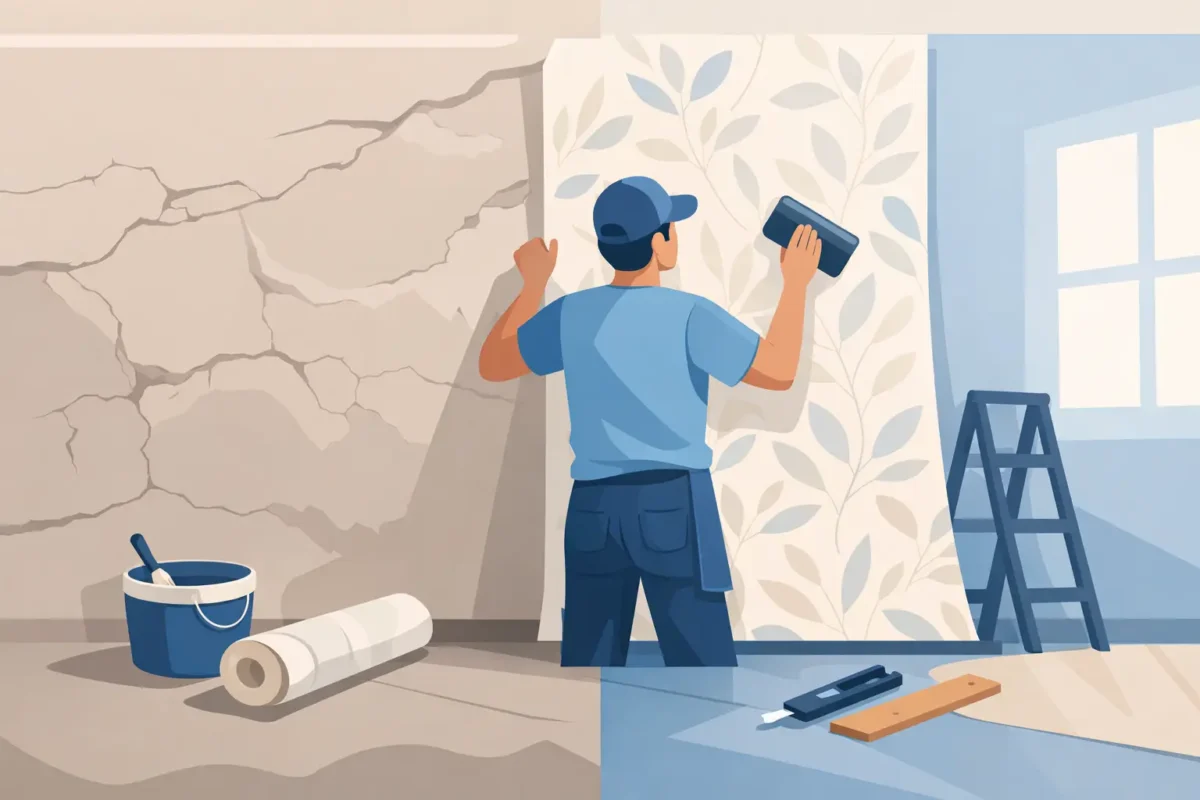
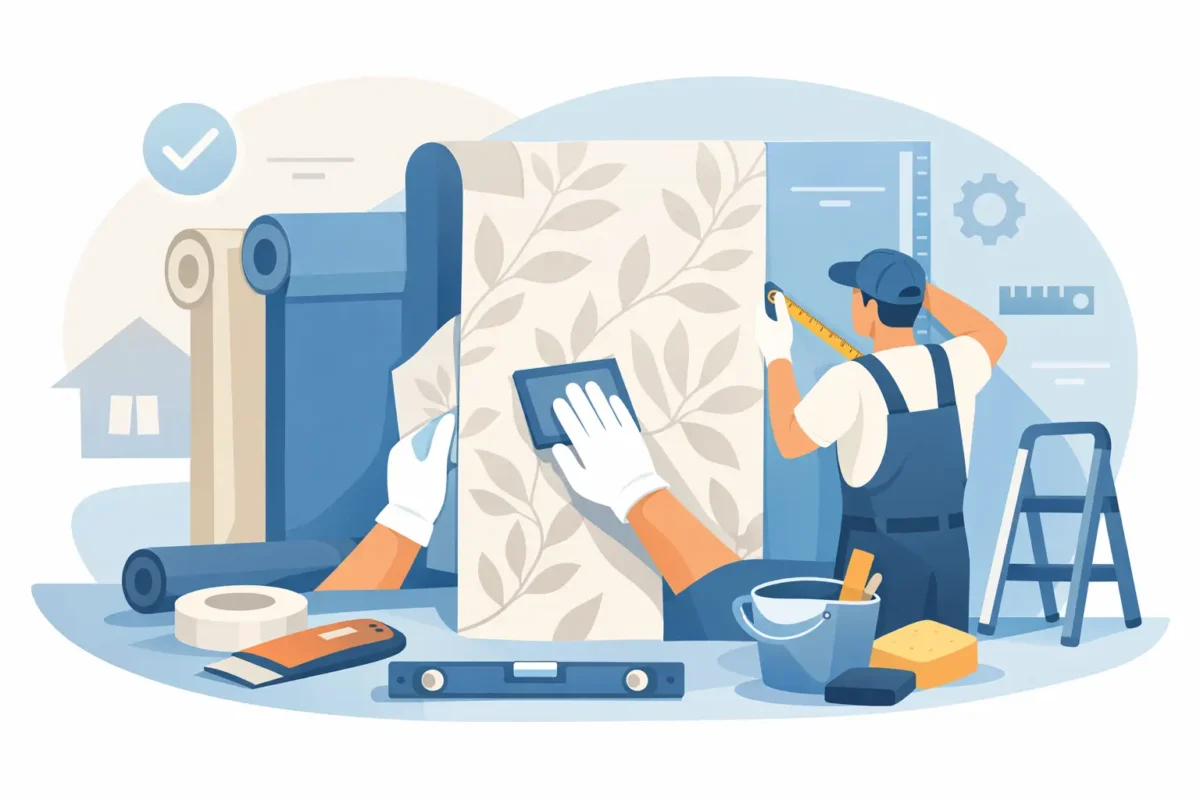
Even the best wallpaper for high traffic areas can underperform if it is installed poorly. Wall preparation, moisture conditions, substrate smoothness, adhesive choice, seam handling, and finishing details all affect the final result.
In premium residential and commercial work, professional installation protects both appearance and lifespan. Clean seams, correct alignment, and proper surface preparation help prevent lifting, bubbling, premature wear, and visible imperfections. This is especially important in large-format custom murals and commercial wallcoverings, where errors are expensive and highly visible.
It is also worth thinking beyond the day of installation. A well-executed project should support easier maintenance over time, with surfaces that remain secure and visually consistent under real use. That is one reason many clients prefer a full-service wallcovering partner rather than sourcing product and installation separately.
Decorating Depot approaches these projects with that broader view – combining design range, commercial-grade materials, custom production, and installation expertise so the finished wall performs as beautifully as it looks.
Paint still has its place, especially in spaces that need frequent color refreshes at a lower upfront cost. But in high-traffic areas, premium wallpaper often delivers better long-term value. It can resist wear more effectively, introduce texture and depth that paint cannot replicate, and reduce the flat, easily marked appearance that busy walls often develop.
The upfront investment is usually higher, and that should be acknowledged. But for many homes, hospitality spaces, and commercial interiors, the return is visible in durability, finish quality, and design impact. The wall does more work, and it looks better while doing it.
A busy space should not force a compromise between elegance and endurance. With the right material, the right specification, and the right installation, your walls can hold their finish under pressure and still set the tone for the entire room. Choose a surface that is built for real use, and the design will keep earning its place long after the opening reveal.