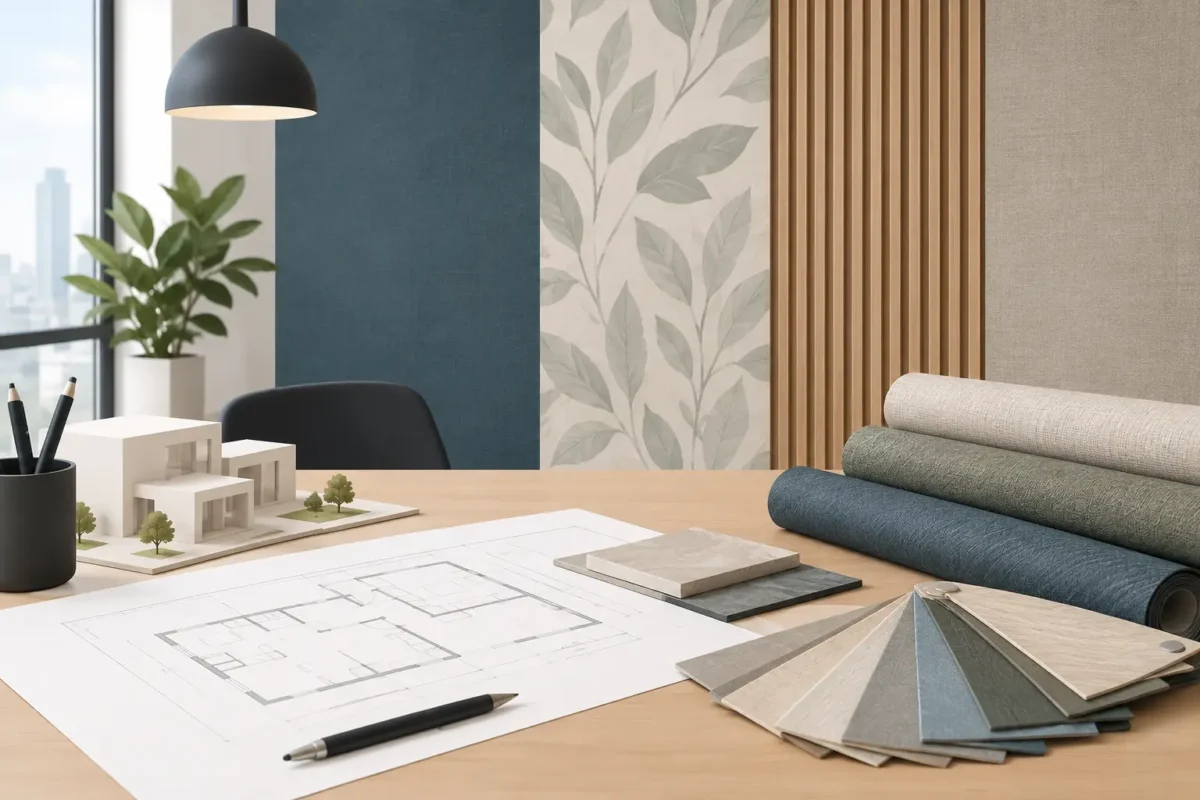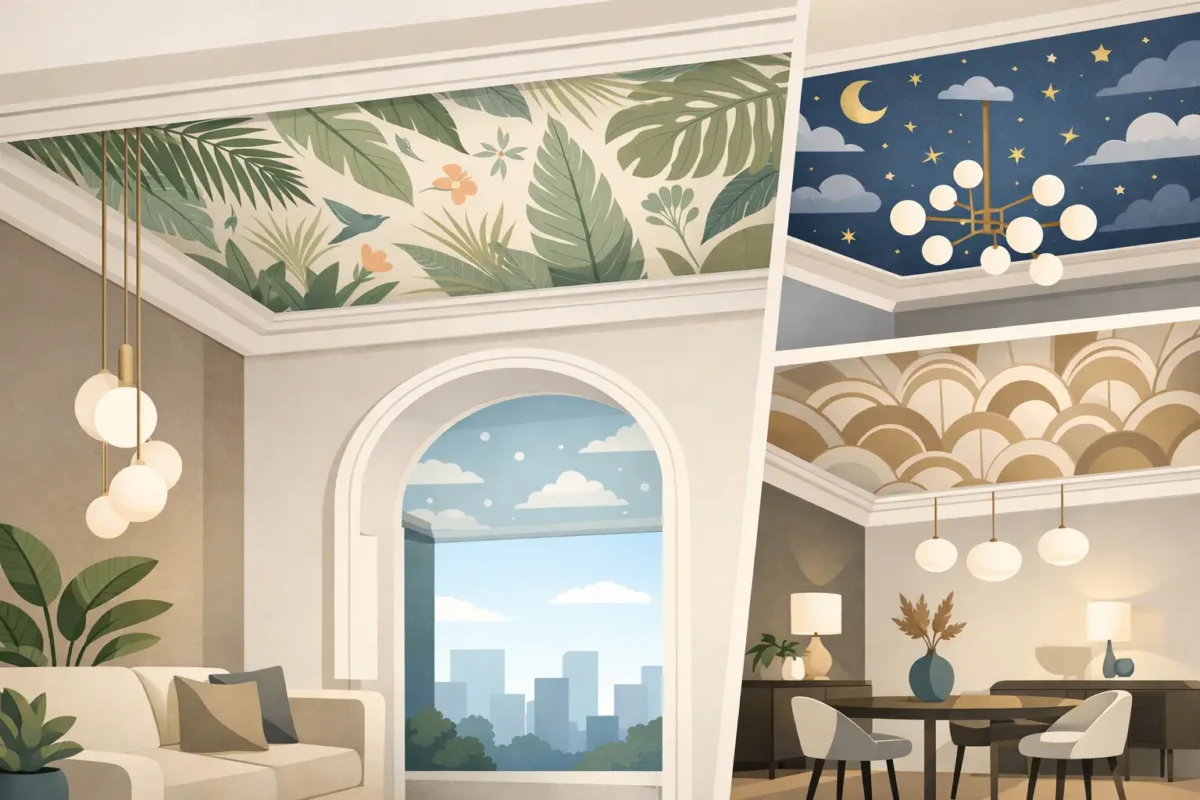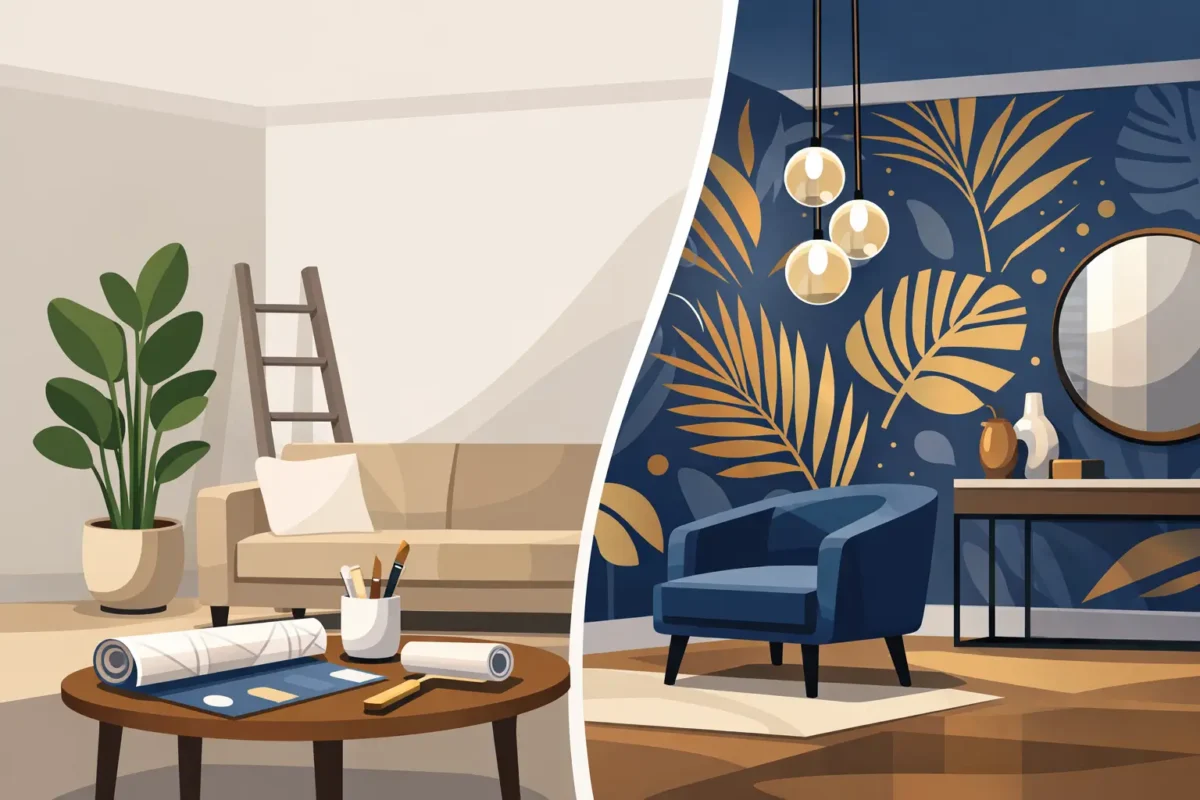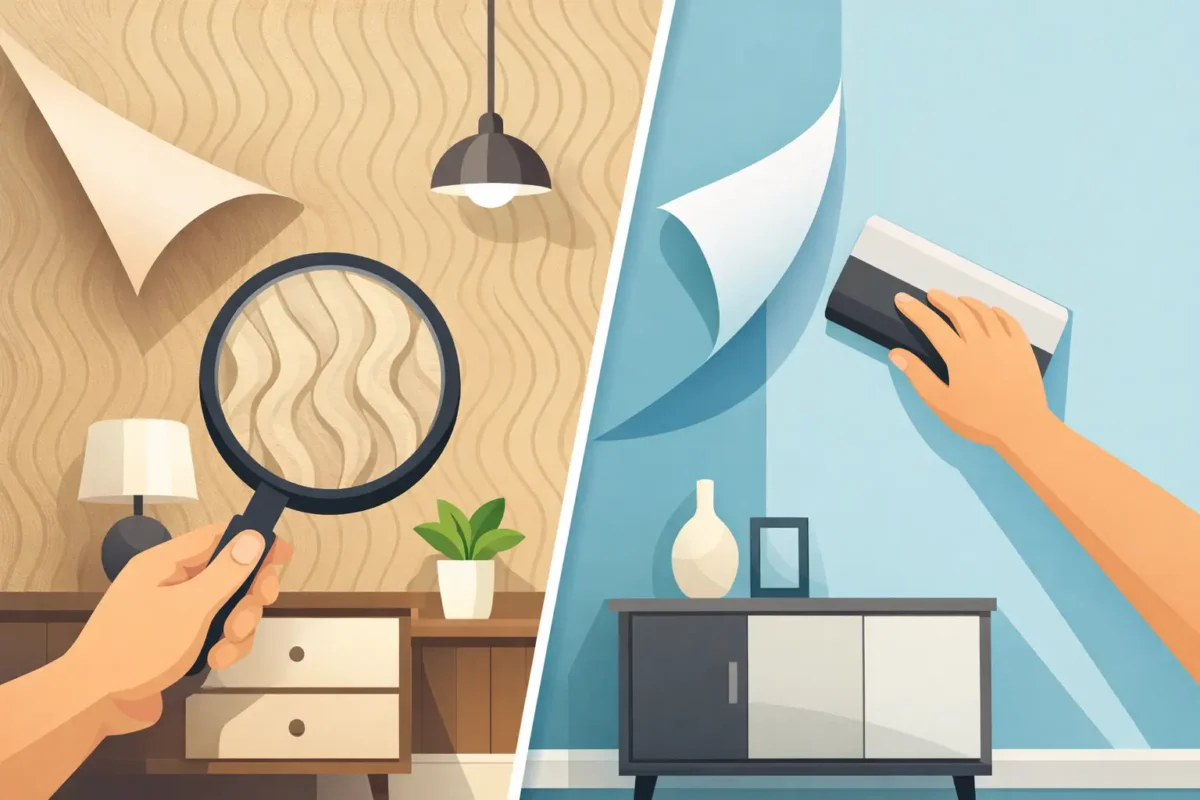
A wall finish can set the entire direction of a room. It can make a hotel lobby feel unmistakably local, give a retail store a recognizable identity, or bring depth and character to a home without adding structural complexity. In the conversation around digital wallpaper printing vs traditional wallpaper, the best choice is rarely about which method is universally better. It is about selecting the right finish, production process, and material performance for the space you are creating.
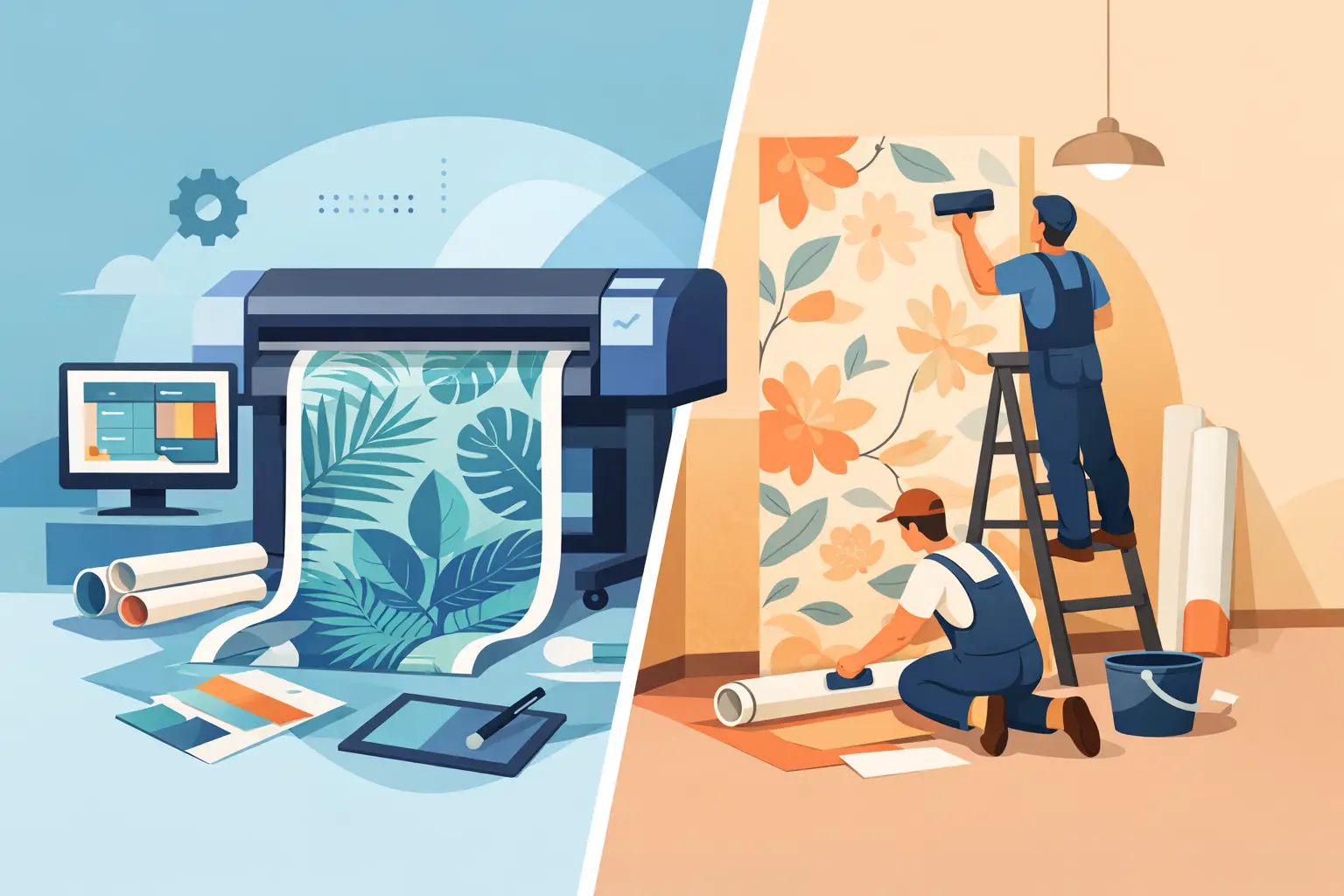
Traditional wallpaper remains a compelling choice for refined, repeatable patterns and established designer collections. Digital printing introduces something different: the ability to produce highly detailed, personalized wallcoverings at the exact scale and quantity a project requires. Understanding where each excels leads to better design decisions and more dependable results on site.
Traditional wallpaper is commonly manufactured through established techniques such as rotary screen printing, gravure printing, or surface printing. These methods use engraved cylinders, screens, or rollers to apply color in repeat patterns across large production runs. The result can be exceptionally consistent, with specialized inks, textured effects, metallic details, and recognizable heritage finishes.
Digital wallpaper printing uses high-resolution inkjet technology to print an image or pattern directly onto a selected wallcovering substrate. Instead of creating screens or cylinders for each color, the design is produced from a digital file. This makes it possible to print murals, large-scale graphics, artwork, photography, custom patterns, and branded environments with impressive color depth and precision.
The distinction matters because production method influences more than appearance. It affects lead time, minimum order quantity, customization, repeat accuracy, material options, and the way a finished wallcovering performs in a residential or commercial setting.
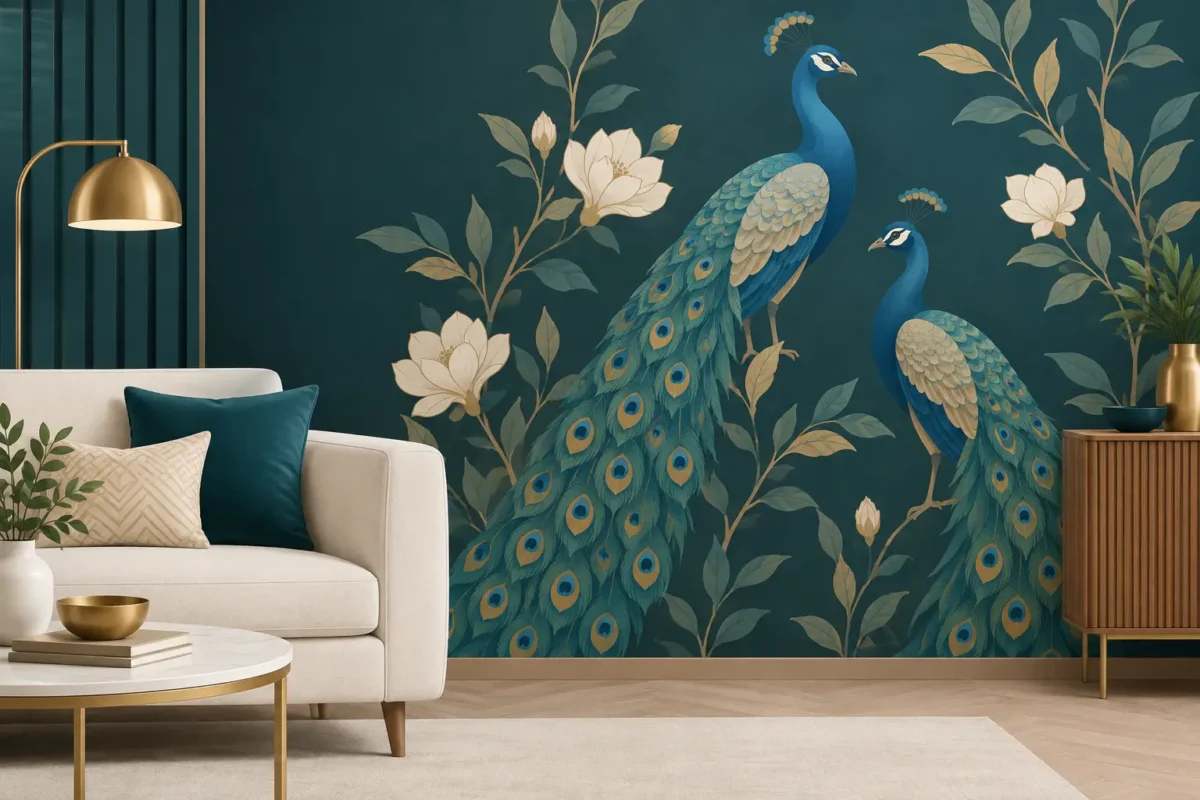
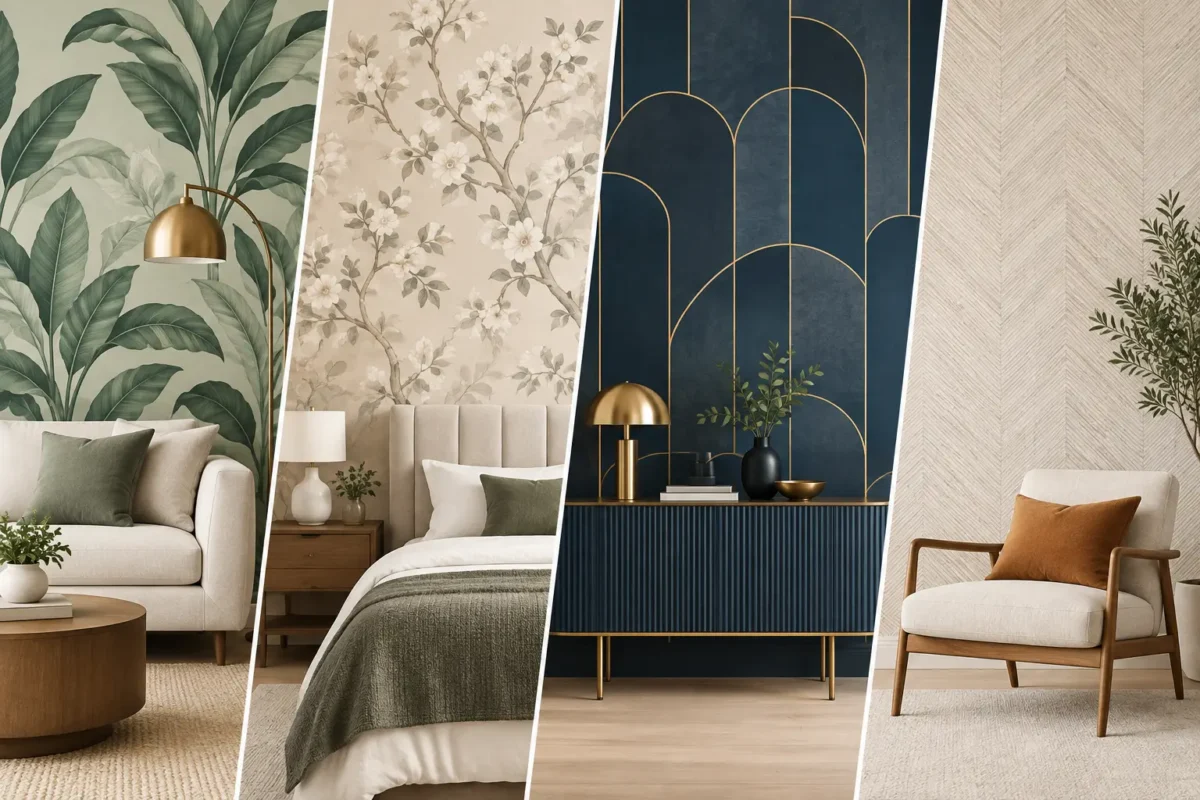
Digital printing is the clear choice when the wall itself needs to tell a specific story. A custom mural can be sized around architectural features, aligned with furniture layouts, extended across multiple panels, or tailored to a brand palette. Designers can adapt a botanical illustration for a feature wall, turn a hand-drawn concept into a hospitality backdrop, or create a one-of-a-kind children’s room without being limited to an existing repeat.
Scale is one of its most valuable advantages. A pattern that looks beautiful in a small sample may feel too busy when repeated across a large lobby wall. With digital production, the motif can often be enlarged, reduced, recolored, or repositioned before printing. This creates greater control over the final visual impact.
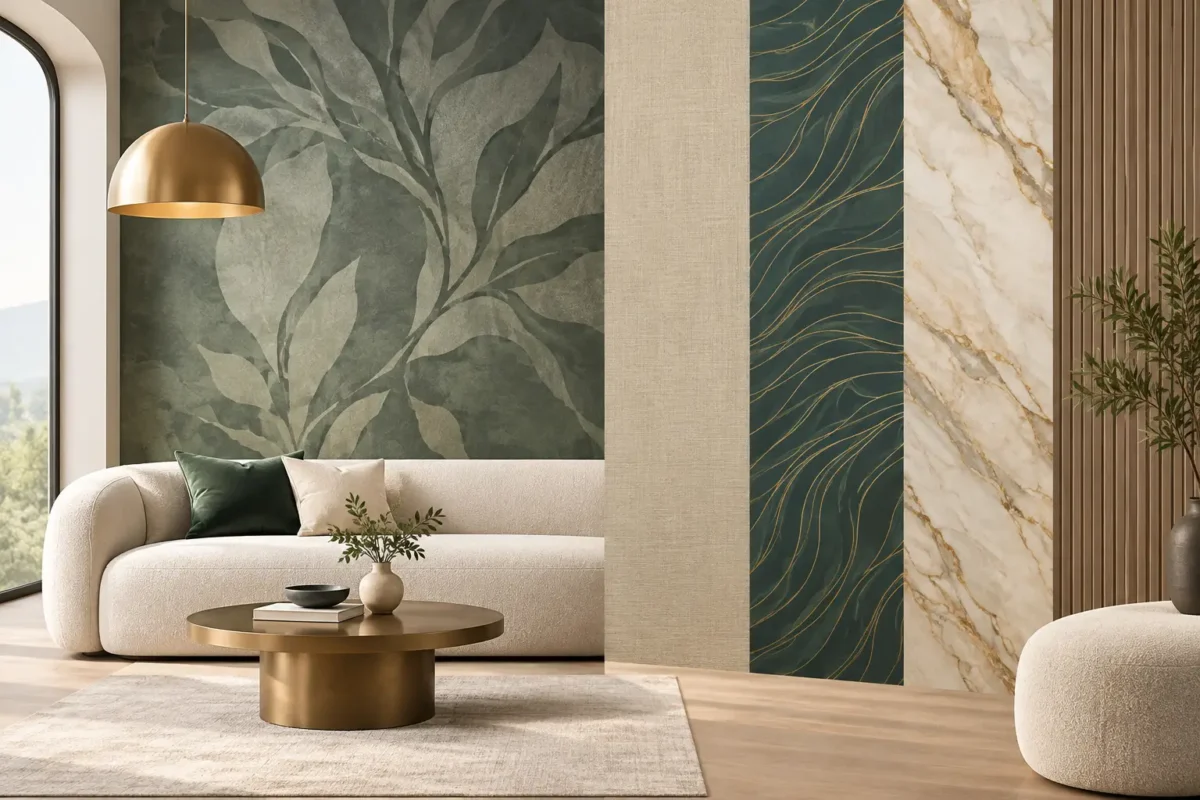
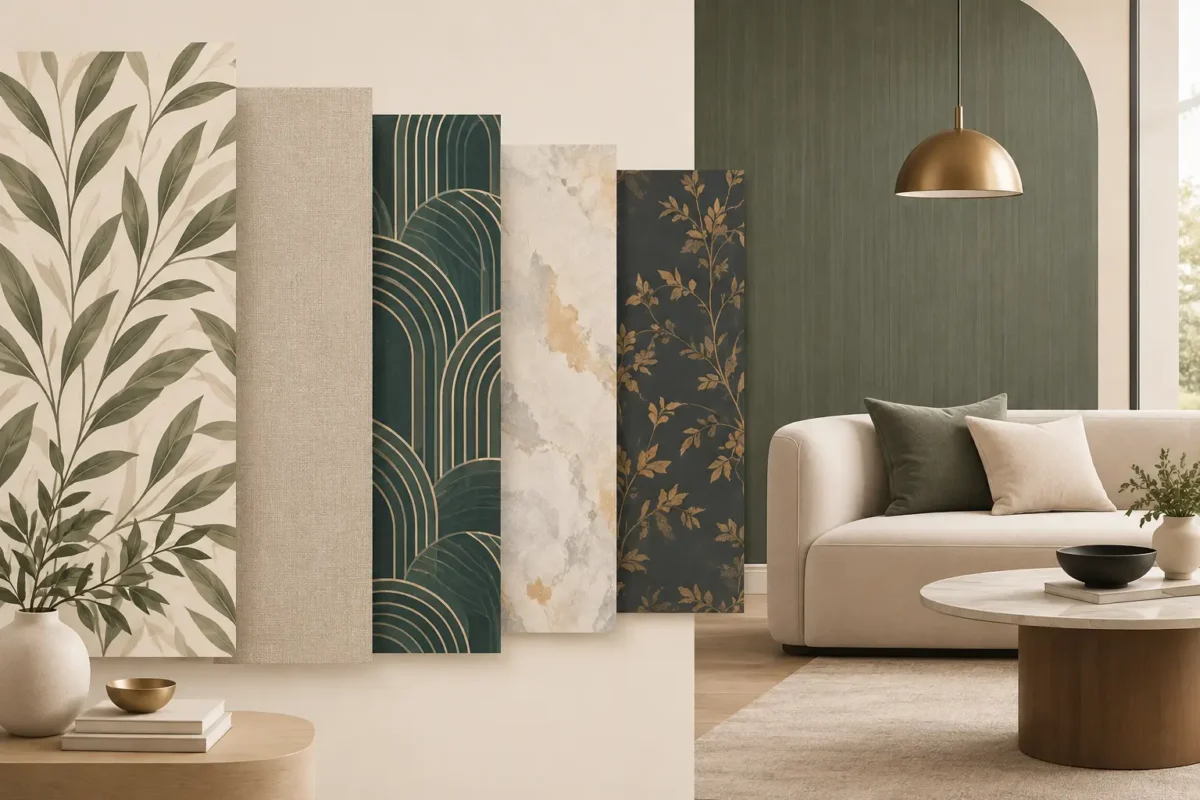
Traditional wallpaper offers a different kind of design value. Curated collections often carry the confidence of established European, Italian, or Korean design language, from subtle linen-inspired textures to intricate damasks and contemporary geometric repeats. These papers are developed as complete collections, with carefully considered palettes and finish details that can be difficult to reproduce through standard digital artwork alone.
For projects that need a proven, elegant pattern with a highly consistent repeat, traditional wallpaper may be the more direct route. For a space requiring visual identity, personalization, or a mural without visible repetition, digital printing is usually the stronger specification.
A digital print is only as impressive as the printer, ink, artwork, and substrate behind it. High-quality Canon printing technology can deliver fine detail, smooth tonal transitions, rich color, and sharp imagery that holds up at both close viewing distance and across a room. This is essential for photographic murals, watercolor effects, detailed linework, and large-format graphics where weak resolution becomes immediately visible.
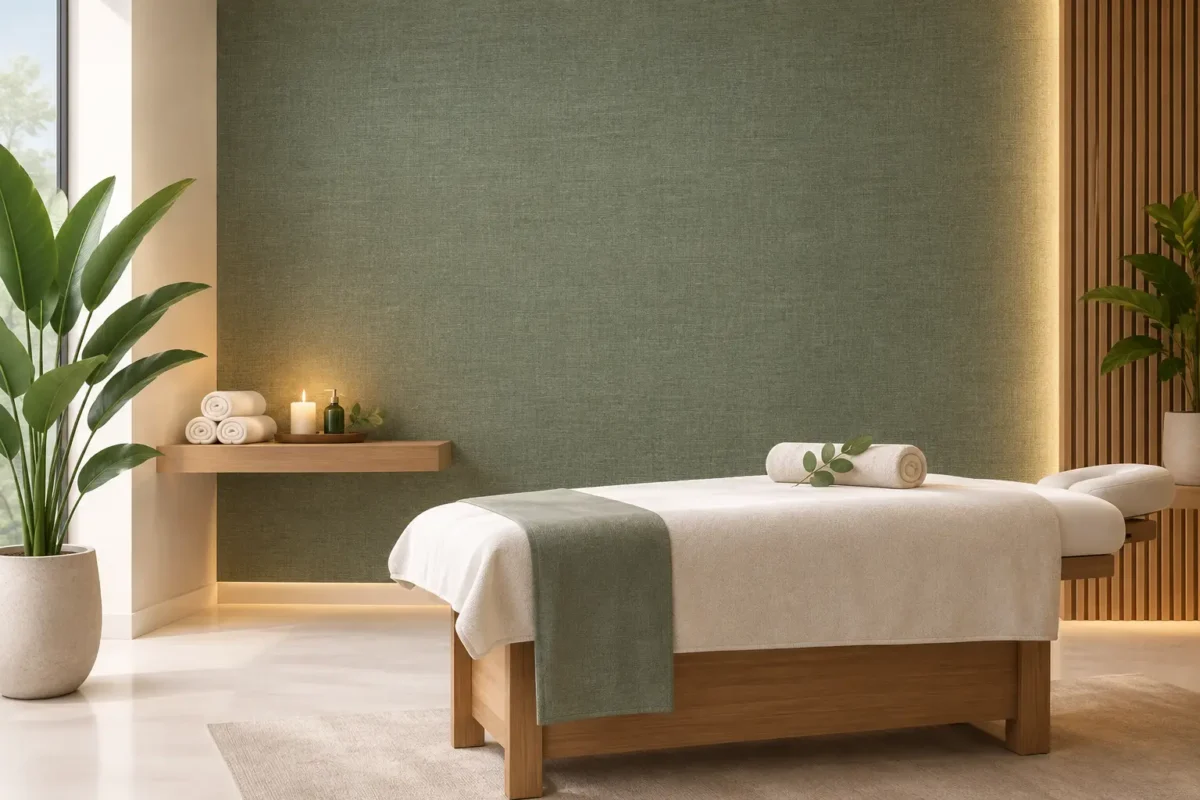
Yet print quality should not be judged by resolution alone. The wallcovering base changes the character of the image. A smooth matte surface may suit a contemporary gallery wall or crisp corporate graphic. A lightly textured substrate can soften the image and create a more tactile, decorative result. Fabric-backed commercial wallcoverings provide another level of substance, pairing visual impact with the durability needed for demanding interiors.
Traditional wallpaper can offer finish effects that feel especially dimensional: embossed surfaces, woven appearances, pearlescent accents, raised inks, and specialty metallic treatments. If the design brief centers on tactile luxury rather than a custom image, a premium traditional collection may achieve the desired effect with less artwork development.
The practical question is simple: should the finish be the statement, or should the image be the statement? In the best projects, both are considered together.
For offices, hotels, restaurants, retail environments, and high-traffic residential areas, performance must carry equal weight with style. A visually striking wallcovering that scuffs easily or cannot be maintained properly is not a premium solution.
Digital wallpaper can be specified on project-grade materials designed for greater durability, cleanability, and dimensional stability. Depending on the selected substrate and project requirements, options may include fabric-backed constructions, washable surfaces, protective finishes, and materials with fire-retardant ratings. These details should be confirmed for each product rather than assumed across every digitally printed wallcovering.
Traditional commercial wallpaper is also available in highly durable formats, particularly vinyl and fabric-backed options intended for contract interiors. In some applications, its established manufacturing process and specialized surface treatments make it an excellent choice for corridors, guestrooms, meeting rooms, and other areas where frequent cleaning is expected.
Neither approach eliminates the need for correct specification. A humid bathroom, a sun-exposed reception wall, and a busy restaurant entrance each create different demands. Adhesive selection, wall preparation, panel layout, and professional installation all influence the lifespan and appearance of the finished surface. Even the finest material cannot compensate for an uneven wall or poorly aligned seams.
Traditional wallpaper can be cost-effective when selecting from an in-stock or readily available collection, especially for standard repeat designs. However, custom color changes, special orders, or imported collections may involve longer lead times and minimum quantities.
Digital printing removes the setup costs associated with screens and cylinders, making short runs and one-off murals more commercially practical. It can also reduce unnecessary material ordering because panels are produced to the dimensions of the wall. For a single feature wall, a branded office installation, or a limited hospitality concept, this can be a meaningful advantage.
That said, digital printing is not automatically the lower-cost option. Complex artwork preparation, premium substrates, protective coatings, extensive site measurement, and installation requirements can all affect the final budget. A strong quotation considers the complete wall solution, not only the cost per square foot.
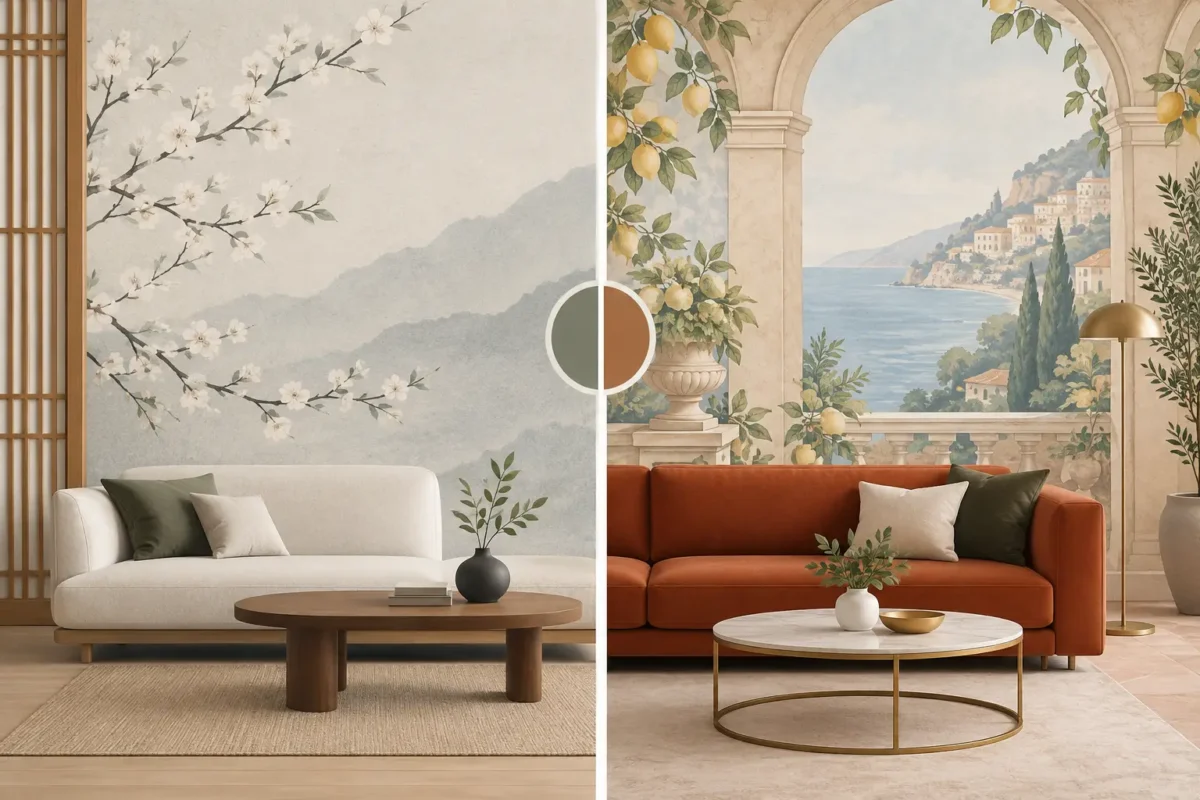
Start with the role the wall needs to play. If it must express a brand, feature a location-specific scene, display original artwork, or fit a nonstandard dimension, digital printing provides the flexibility to make the design truly site-specific. It is particularly effective for statement walls, custom murals, retail storytelling, hotel concepts, and personalized residential interiors.
Choose traditional wallpaper when the project calls for a recognized collection, a refined repeating pattern, or specialty textures developed through conventional manufacturing. It is often ideal for layered interiors where a wallcovering should support the furnishings, lighting, and architecture rather than become the central artwork.
For larger developments, the strongest solution may include both. A hotel might use durable traditional wallcovering throughout guestrooms and corridors, then introduce a custom digital mural at reception. A corporate office may use subtle textured wallpaper in meeting rooms while reserving digitally printed graphics for reception zones and collaboration spaces. This approach creates visual hierarchy without compromising operational performance.
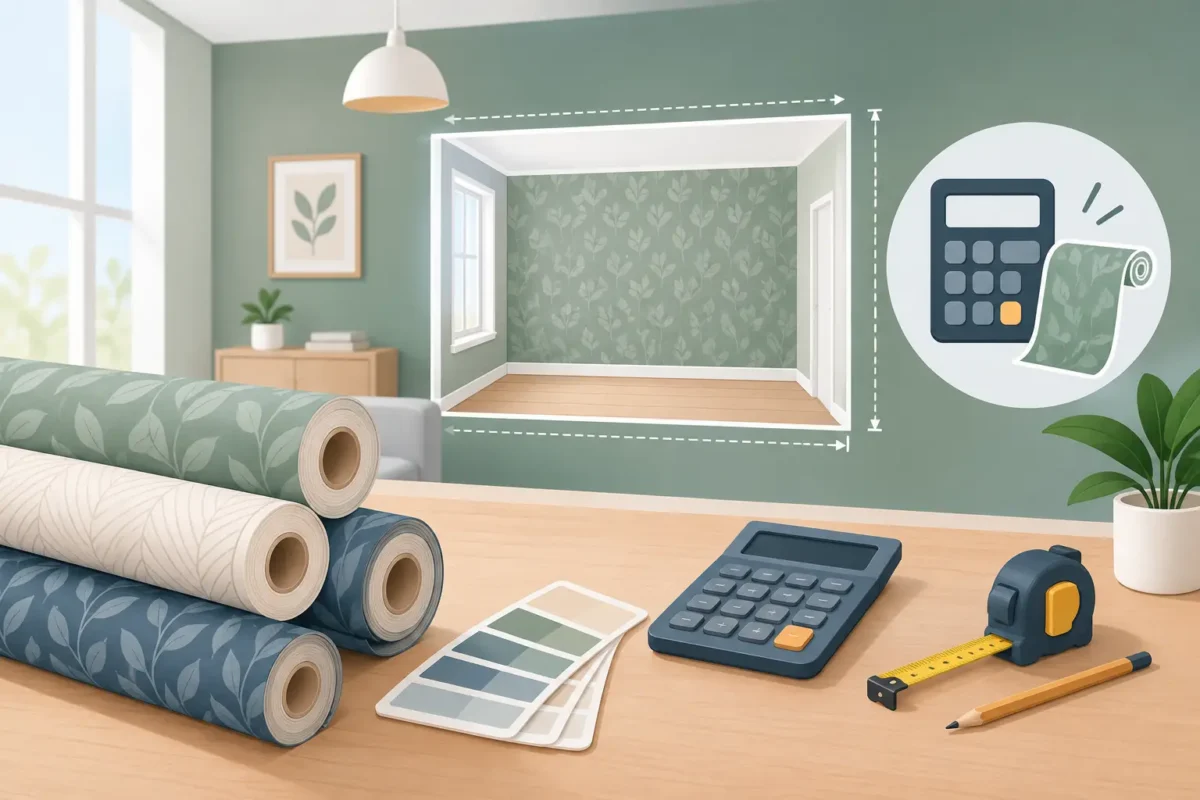
Before production begins, confirm the wall measurements, surface condition, lighting exposure, required safety standards, maintenance expectations, and installation access. Reviewing a physical sample is equally valuable. It reveals texture, sheen, color behavior, and scale in a way a screen never can.
The right wallcovering should feel intentional from the first glance and dependable long after installation. Digital wallpaper printing brings exceptional freedom to create a surface that belongs only to your project. Traditional wallpaper brings the depth of established design collections, specialty finishes, and repeatable elegance.
At Decorating Depot, the most effective choice begins with the space itself: its purpose, its traffic, its light, and the impression it should leave. When design vision is matched with the right substrate, print quality, and professional installation, a wall becomes more than a backdrop. It becomes part of the experience people remember.