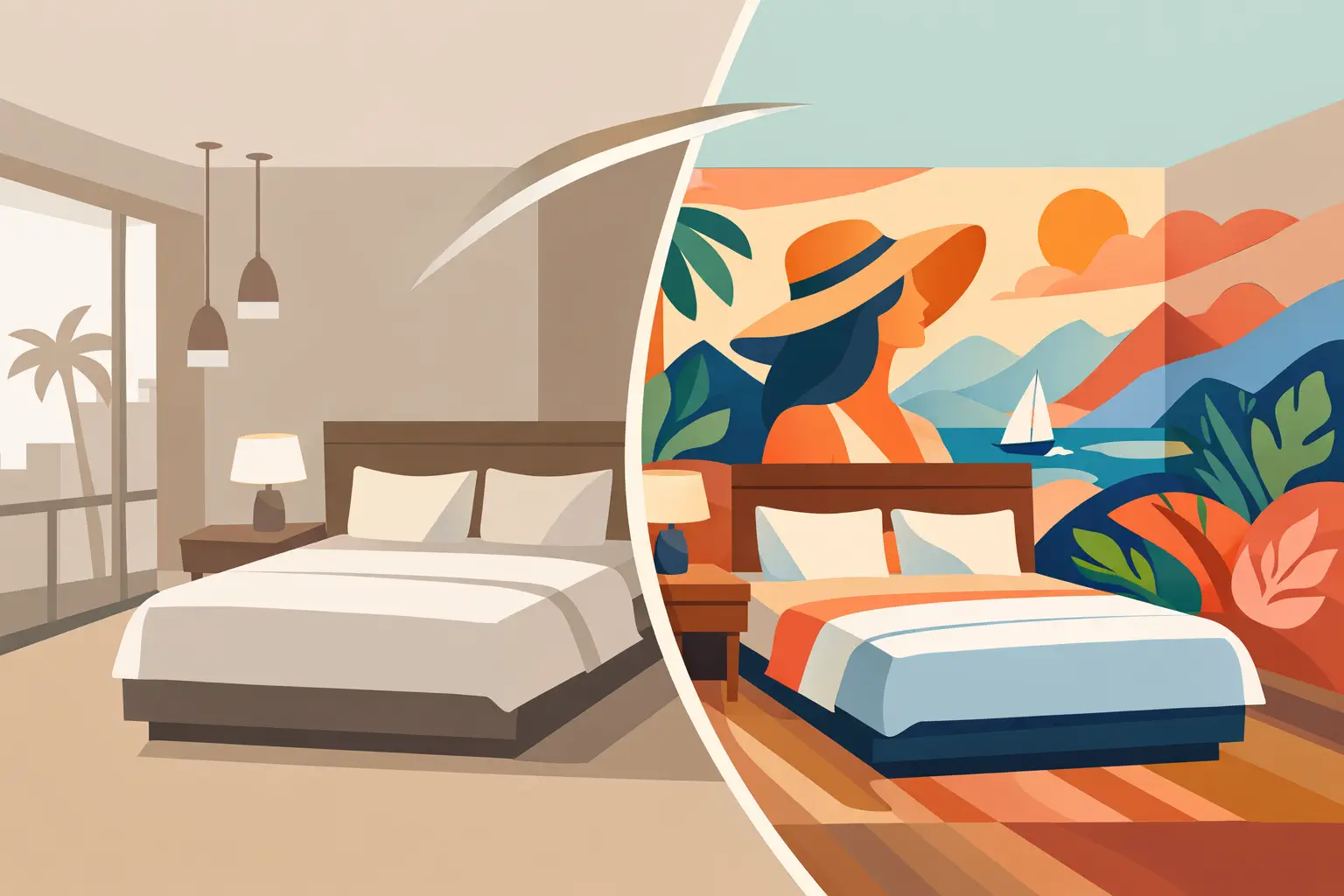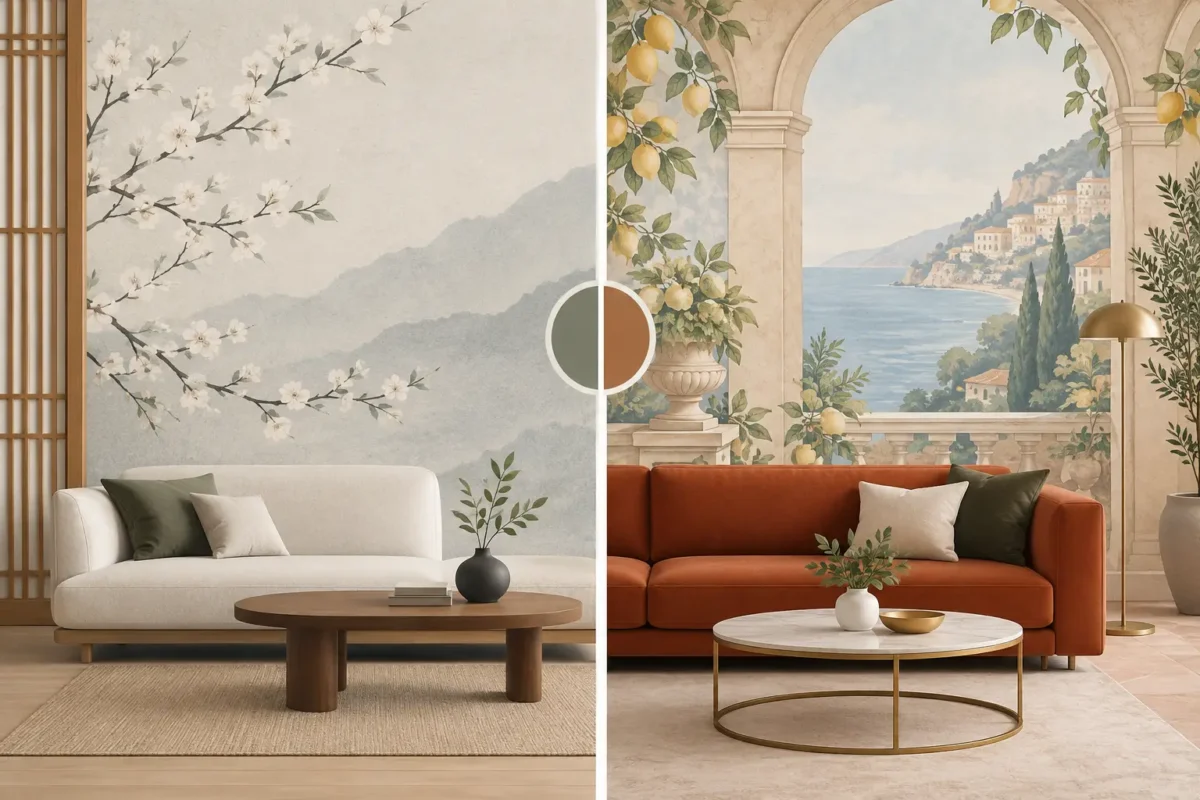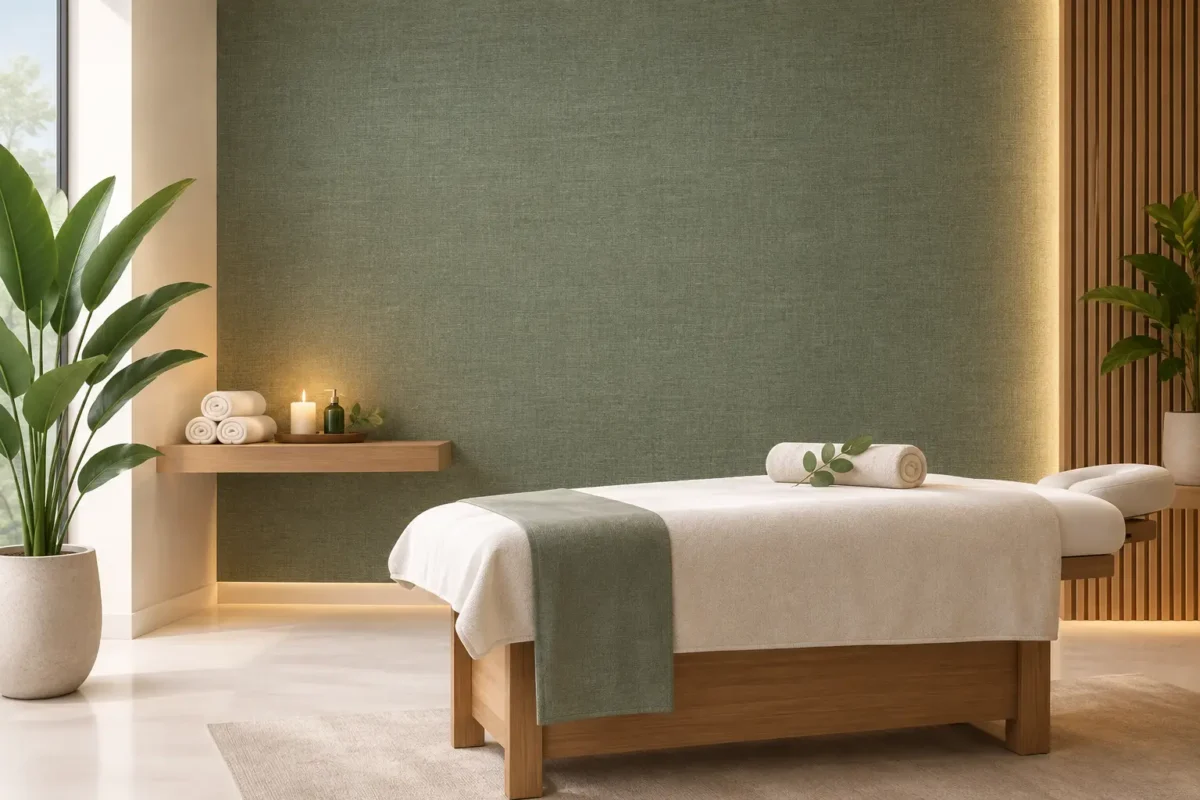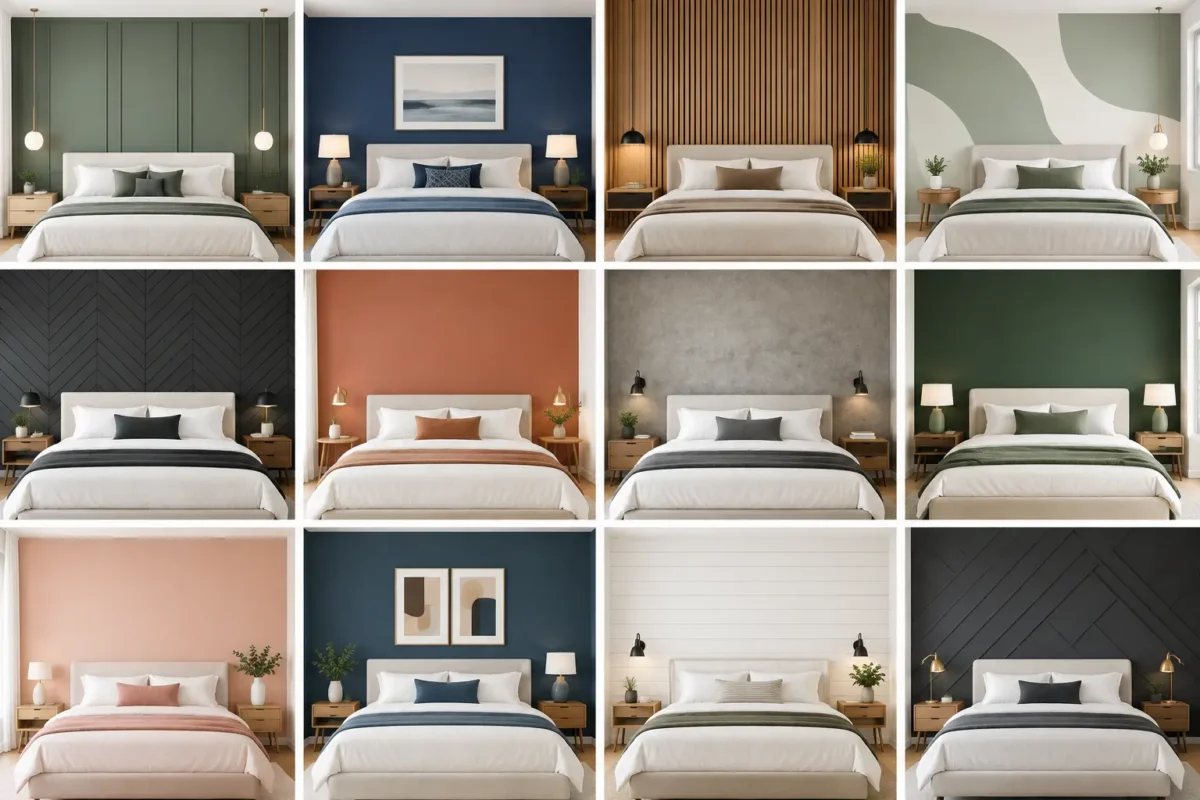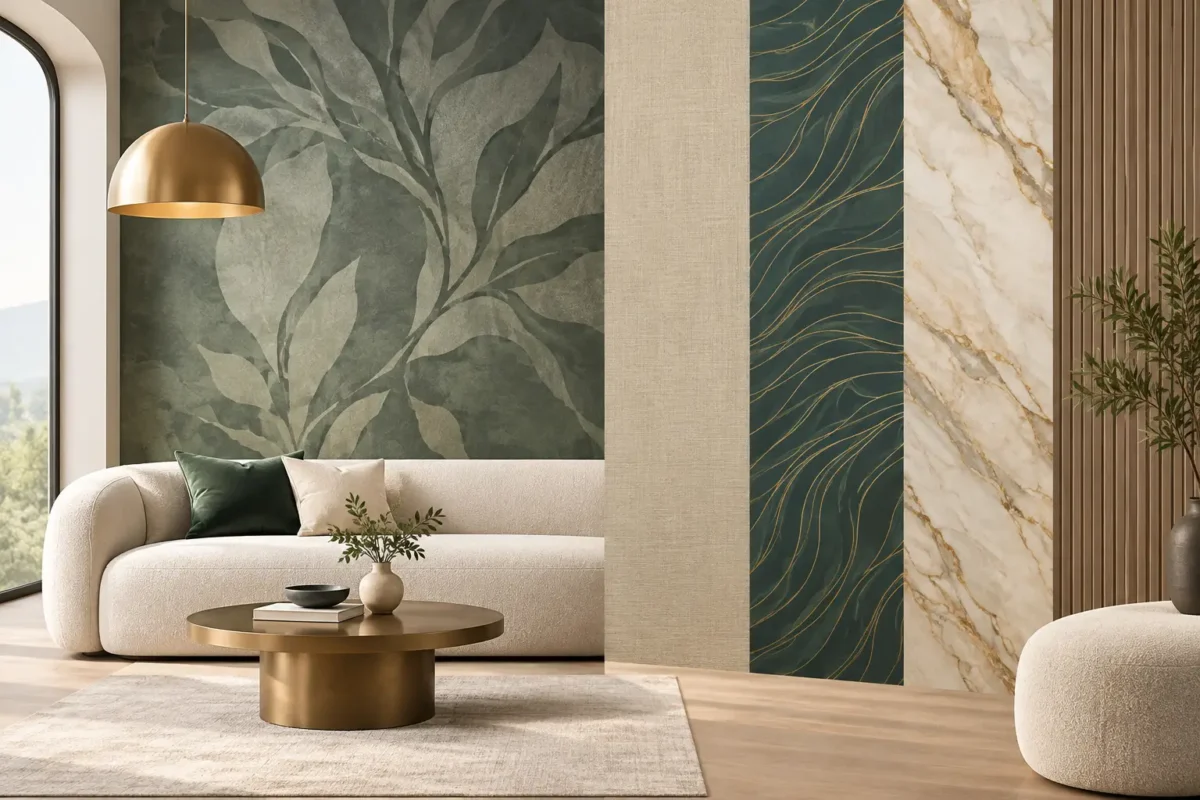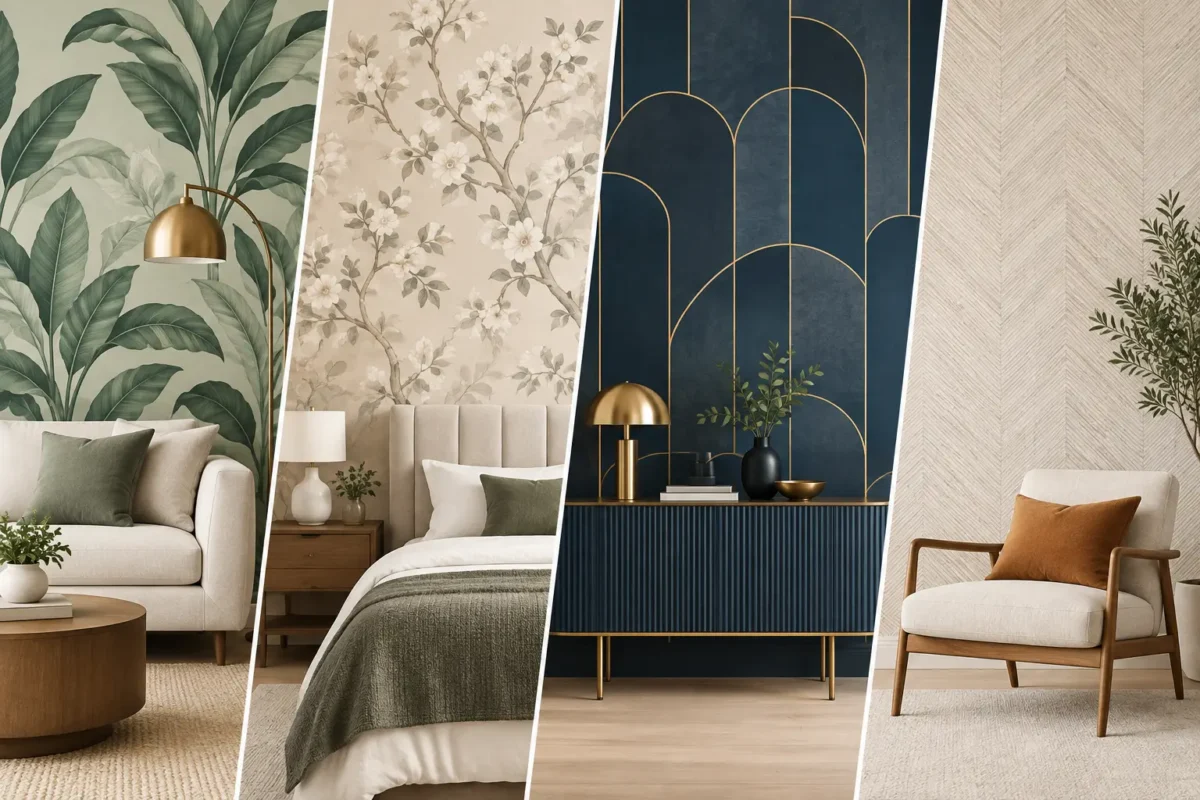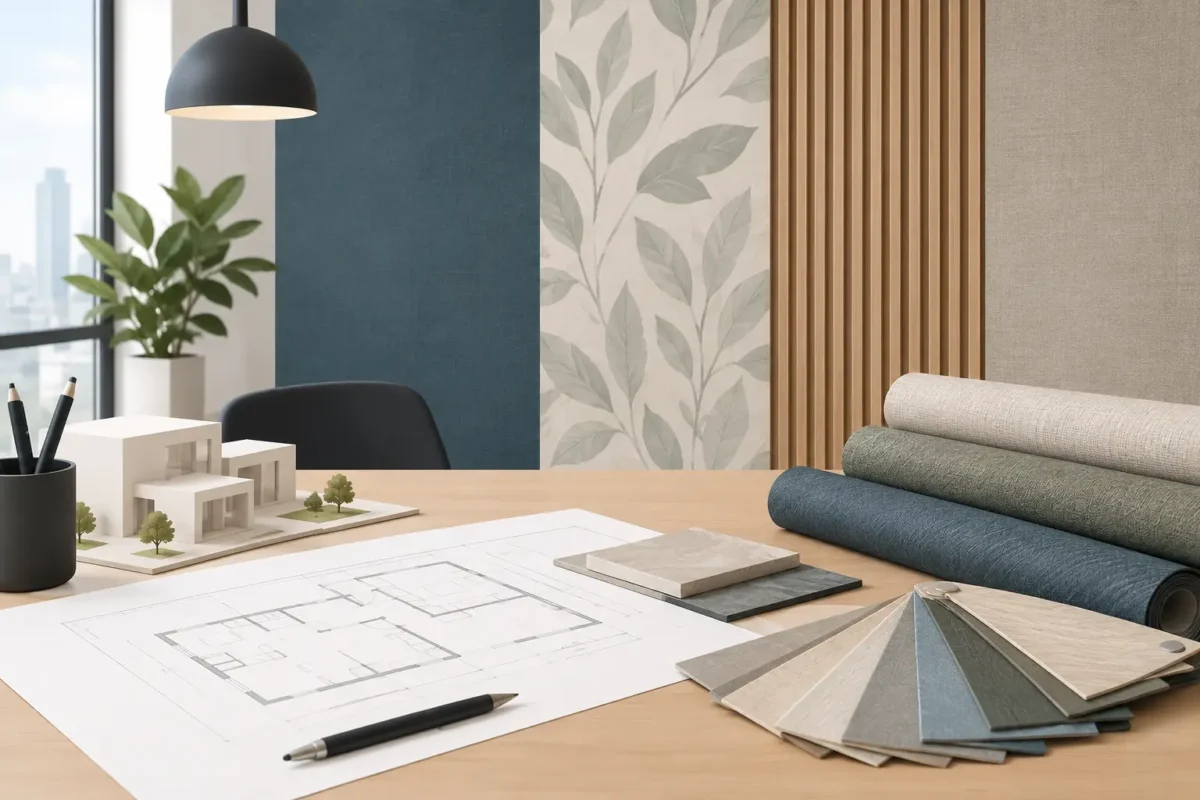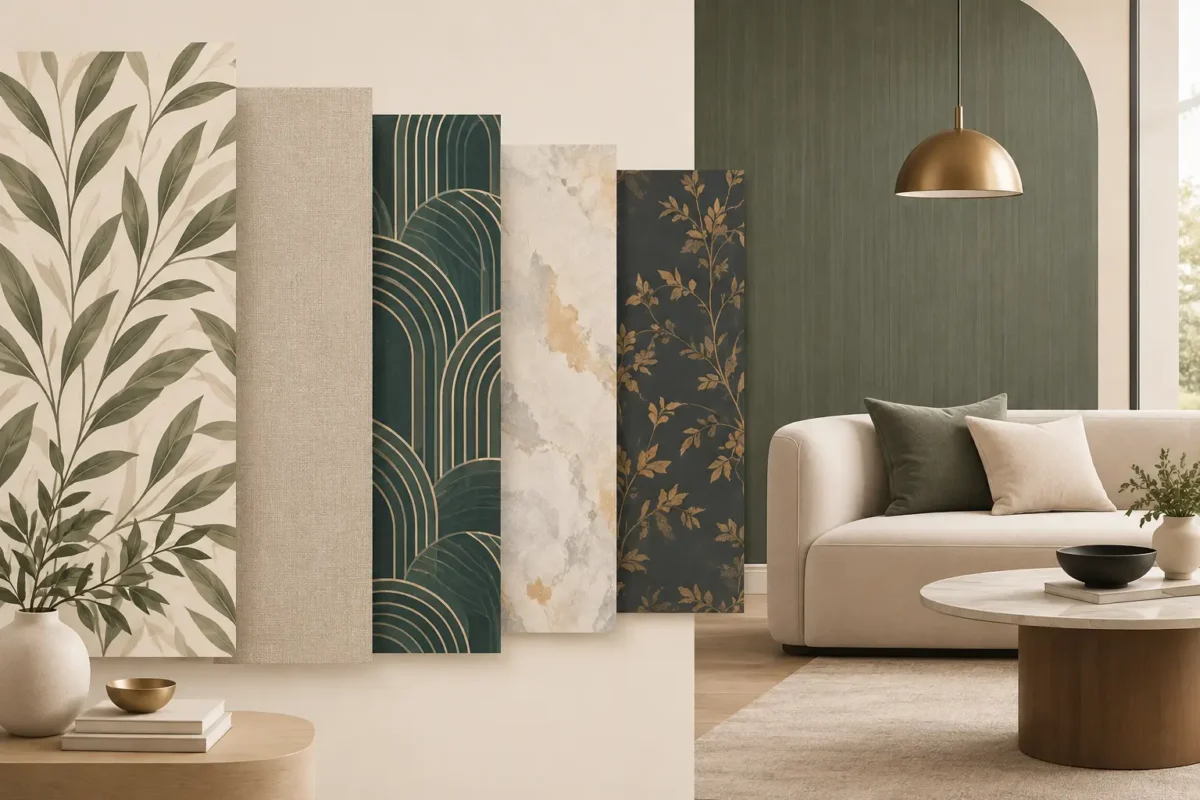
A boutique hotel mural transformation example is rarely just about covering a blank wall. It is about turning the first ten seconds of a guest arrival, elevator ride, corridor walk, or suite entry into a branded experience that feels worth remembering and sharing.
For boutique hospitality, the right mural does more than add color. It establishes atmosphere, supports the hotel’s story, creates a visual landmark, and gives a compact property the presence of a much larger destination. The most successful projects pair expressive design with materials engineered for guest traffic, frequent cleaning, and professional installation.
Consider a small urban boutique hotel with a lobby that was polished but forgettable. The space featured neutral stone-look flooring, dark timber joinery, warm lighting, and a reception desk set against a plain painted wall. The finishes were high quality, yet the arrival experience lacked a focal point. Guests checked in, looked down at their phones, and moved directly toward the lifts.
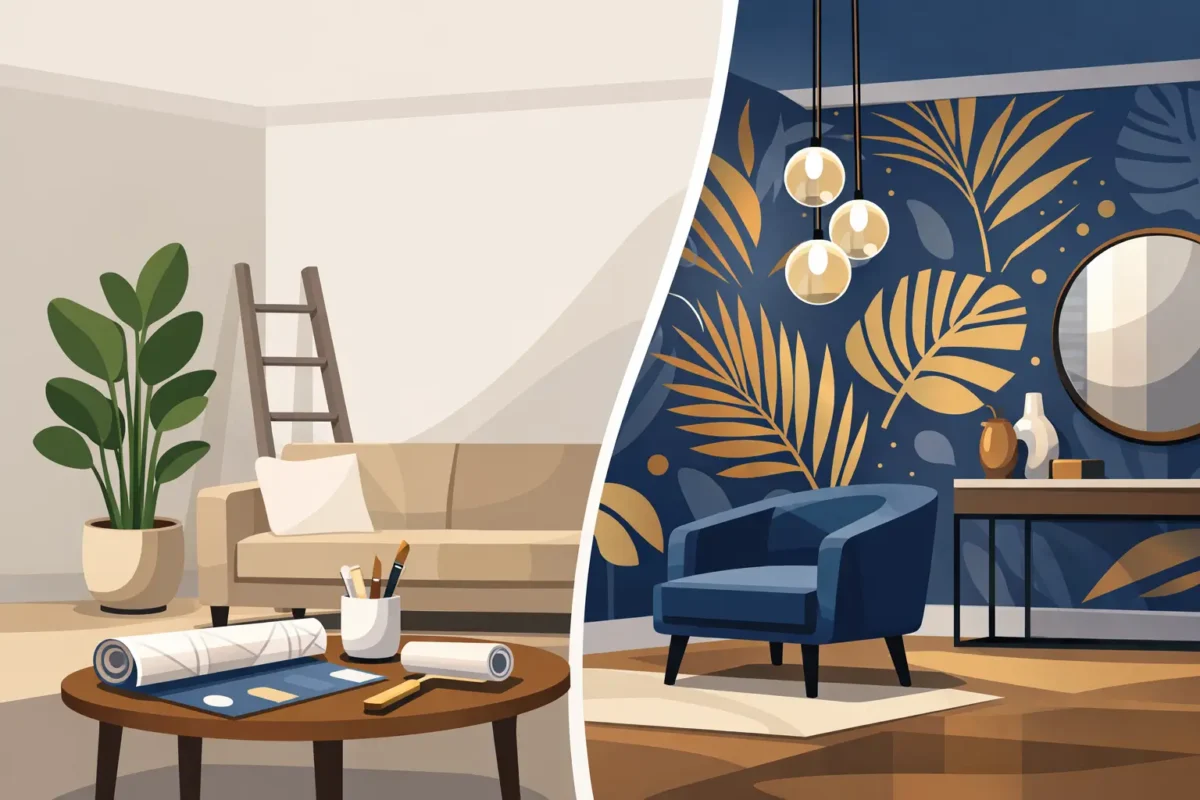
The design goal was not to fill the room with decoration. It was to create one defining feature that gave the property an identity from the moment the doors opened. The hotel’s concept drew on its neighborhood’s old shopfronts, tropical planting, and evening social energy. Rather than using a generic leaf pattern, the design team developed a layered mural that combined hand-drawn botanical forms, softened architectural linework, and a deep midnight-blue ground.
This was a deliberate choice. Bright, highly literal imagery can date quickly in hospitality settings. A more considered composition allowed the mural to feel local without becoming a souvenir backdrop. It also worked with the existing timber, brass, and stone finishes instead of competing for attention.
The mural was planned across the full reception wall, including the area behind the concierge point. Its scale was essential. A small framed artwork would have looked decorative, but a full-height wallcovering gave the lobby a stronger sense of volume and purpose.
The selected artwork used a restrained palette of indigo, muted emerald, clay, and warm ivory. These tones gave the wall visual depth while keeping the reception area calm enough for day-to-day operation. Fine metallic details were considered, but the final specification favored printed tonal effects. This reduced glare under hotel lighting and made touch-up or replacement less complicated in the future.
Custom print wallpaper was the right solution because the wall dimensions did not suit a standard repeat. The artwork could be precisely scaled to the ceiling height, reception counter, wall lights, and adjacent door openings. Key details were positioned where guests would see them, while less detailed areas sat behind operational equipment.
That level of planning is where a mural becomes an interior surface solution rather than a decorative afterthought. The visual composition must work around real conditions: service panels, corners, skirting, signage, security devices, and furniture that may later shift during operations.
Paint can provide a clean background, but it cannot deliver the same depth, texture, or controlled detail as a high-resolution custom mural. A hand-painted wall may appear appealing at first, yet it can introduce inconsistency, longer site time, and difficulty when a section needs repair.
A professionally printed mural offers a controlled result. The hotel can approve the artwork before production, match the print to the design concept, and achieve consistent color across the full wall. With advanced Canon printing technology and eco-friendly ink, custom imagery can maintain sharp detail and rich tonal variation without creating an overpowering visual effect.
The trade-off is that a mural requires stronger upfront coordination. Measurements must be exact, artwork needs sufficient resolution, and the wall must be properly prepared. For a feature wall with lasting commercial value, that investment is usually justified.
Hotel walls work harder than residential walls. Luggage brushes past corners, housekeeping cleans surfaces regularly, guests lean against lift lobbies, and maintenance teams may need access to concealed panels. A beautiful mural that scuffs easily or lifts at the seams will weaken the intended premium experience.
For this transformation, a commercial-grade wallcovering specification would be preferable to a lightweight decorative paper. Fabric-backed commercial wallpaper provides added dimensional stability and a more substantial finish for high-use areas. Depending on the project’s requirements, the specification may also include fire-retardant performance, washable surfaces, and strong resistance to everyday wear.
The choice depends on location. A low-contact suite headboard wall may allow for a more delicate textured finish, while a lobby, restaurant entrance, or public corridor should prioritize durability and maintenance. In humid environments, adhesive selection and wall condition also deserve close attention. No mural material performs well if it is installed over an unprepared substrate.
A large mural can be visually precise in a digital proof and still fail on the wall if installation is rushed. Pattern alignment, panel sequencing, trimming around fixed elements, and edge finishing all affect the final result.
In this example, installers would begin by checking wall flatness, moisture conditions, and the placement of electrical points. The mural panels would then be aligned from the most visible central area, ensuring the hero elements remain balanced behind the reception desk. Corners, returns, and cutouts would be handled carefully so the artwork appears continuous rather than fragmented.
Professional installation also protects the investment after handover. Correct adhesive, clean seams, and properly finished edges help the mural remain polished under daily hotel use. This is especially valuable for operators who cannot afford frequent closures for cosmetic repairs.
Once the lobby mural established the hotel’s visual language, the same concept could be adapted rather than repeated throughout the property. Repetition without variation can make a boutique hotel feel themed. Instead, the design should evolve by location.
In the elevator lobby, a cropped section of the botanical linework could create continuity on a smaller scale. Guest corridors might use a quieter tonal pattern from the same artwork, helping long hallways feel more considered without becoming visually busy. In selected suites, a softer colorway could sit behind the bed, giving each room a distinctive point of view while preserving a coherent brand identity.
This approach also helps with budget control. The statement mural receives the largest share of creative and production investment, while complementary wallcoverings carry the concept through secondary spaces. The hotel gains a complete design language without treating every wall as a separate custom project.
After the mural transformation, the lobby no longer depended on furniture or seasonal styling to create impact. The wall itself became the hotel’s signature visual. It gave guests an immediate cue that the property was curated, place-aware, and intentional.
The effect was practical as well as aesthetic. The reception desk became easier to locate, photography moments emerged naturally, and the lobby felt more finished during quieter periods when fewer guests were present. For a boutique hotel, these details matter because the property is selling character as much as accommodation.
A mural should not be selected only because it photographs well. It needs to support the guest experience at different times of day, under artificial and natural light, from close range and across the room. It must also work for staff who use the space every day.
The strongest hotel murals begin with a clear concept, not a trend board. Before approving a design, ask what the hotel wants guests to feel, what local or brand story the space should communicate, and which wall genuinely deserves emphasis. A mural can make a small lobby feel more expansive, but it cannot fix poor lighting, cluttered wayfinding, or an awkward layout.
It is equally wise to request material guidance early. The artwork, substrate, maintenance routine, fire requirements, and installation schedule should inform the specification together. Decorating Depot supports this process with custom mural production, project-grade wallcoverings, showroom consultation, and professional installation expertise.
A well-designed mural gives a boutique hotel something more valuable than a fashionable feature wall: a lasting visual signature that guests recognize before they have even collected their room key.