A beautifully upholstered wall should never be treated like a painted surface. Knowing how to clean fabric wallpaper starts with respecting its fibers, finish, and installation method. A little extra care preserves the depth, softness, and tailored character that make textile wallcoverings such a distinctive choice for residences, boutique hotels, executive offices, and refined retail interiors.
Fabric wallpaper may be made from linen, silk, cotton, rayon, grasscloth blends, or woven synthetic fibers. Some products are true textile wallcoverings, while others are fabric-backed vinyl designed for demanding commercial settings. They can look similar from a distance, but their cleaning requirements are very different. The wrong cleaning method can leave a watermark, flatten the weave, lift a seam, or permanently alter the color.
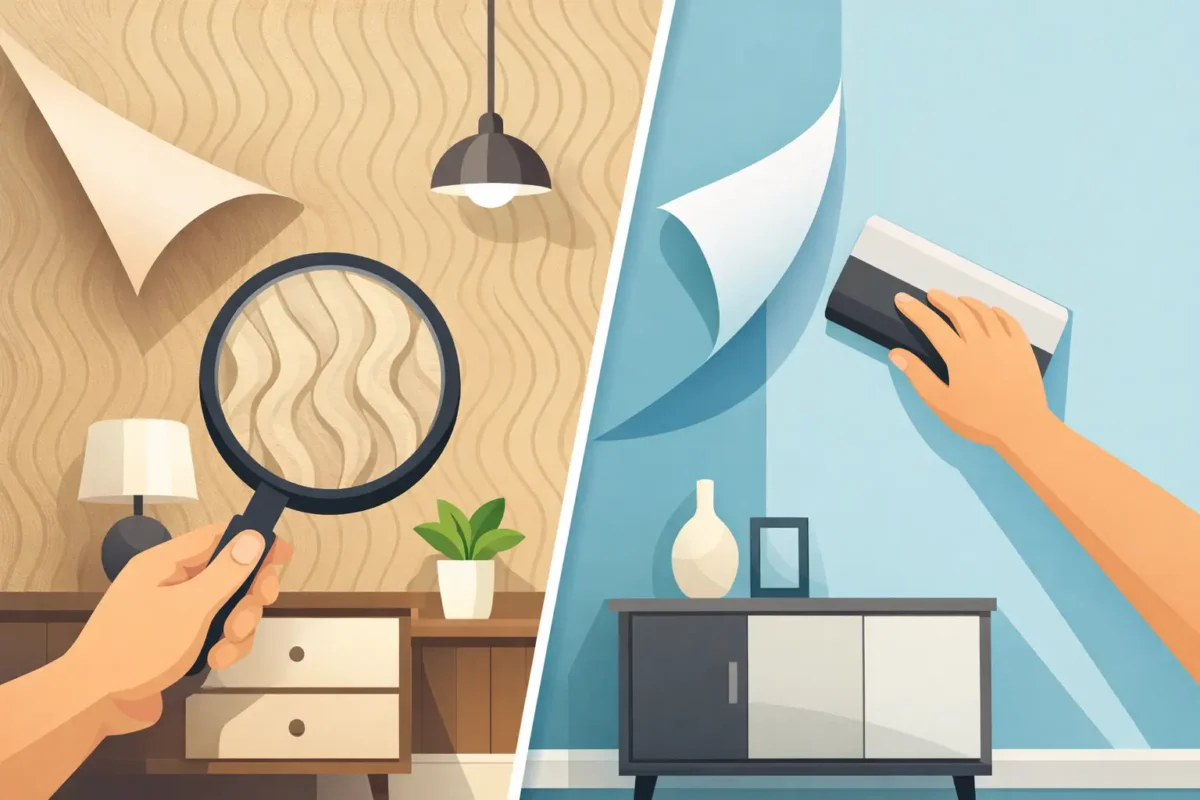
Before reaching for any cloth or cleaning solution, confirm exactly what is on the wall. The product specification, installation record, or a sample from the project will give the clearest answer. If those are unavailable, begin with a cautious visual assessment.
True fabric wallcoverings have a tactile woven surface and often show natural variation in thread, color, or texture. They are usually more sensitive to moisture. Silk, linen, and untreated natural fibers should be considered dry-clean-only unless the manufacturer specifically states otherwise. Grasscloth and other natural woven coverings also tend to absorb moisture unevenly, making spot cleaning risky.
Fabric-backed vinyl is different. Its visible surface is vinyl, with fabric serving as the backing material. This commercial-grade option is generally more durable, more stain resistant, and often washable. It is a practical choice for hospitality corridors, workspaces, restaurants, healthcare-adjacent areas, and other interiors where easy maintenance is a priority.
When in doubt, treat the wallcovering as delicate. A professional installer or wallcovering supplier can identify the material and advise on the approved maintenance method. That small check is far less costly than replacing a full wall after an unsuccessful cleaning attempt.
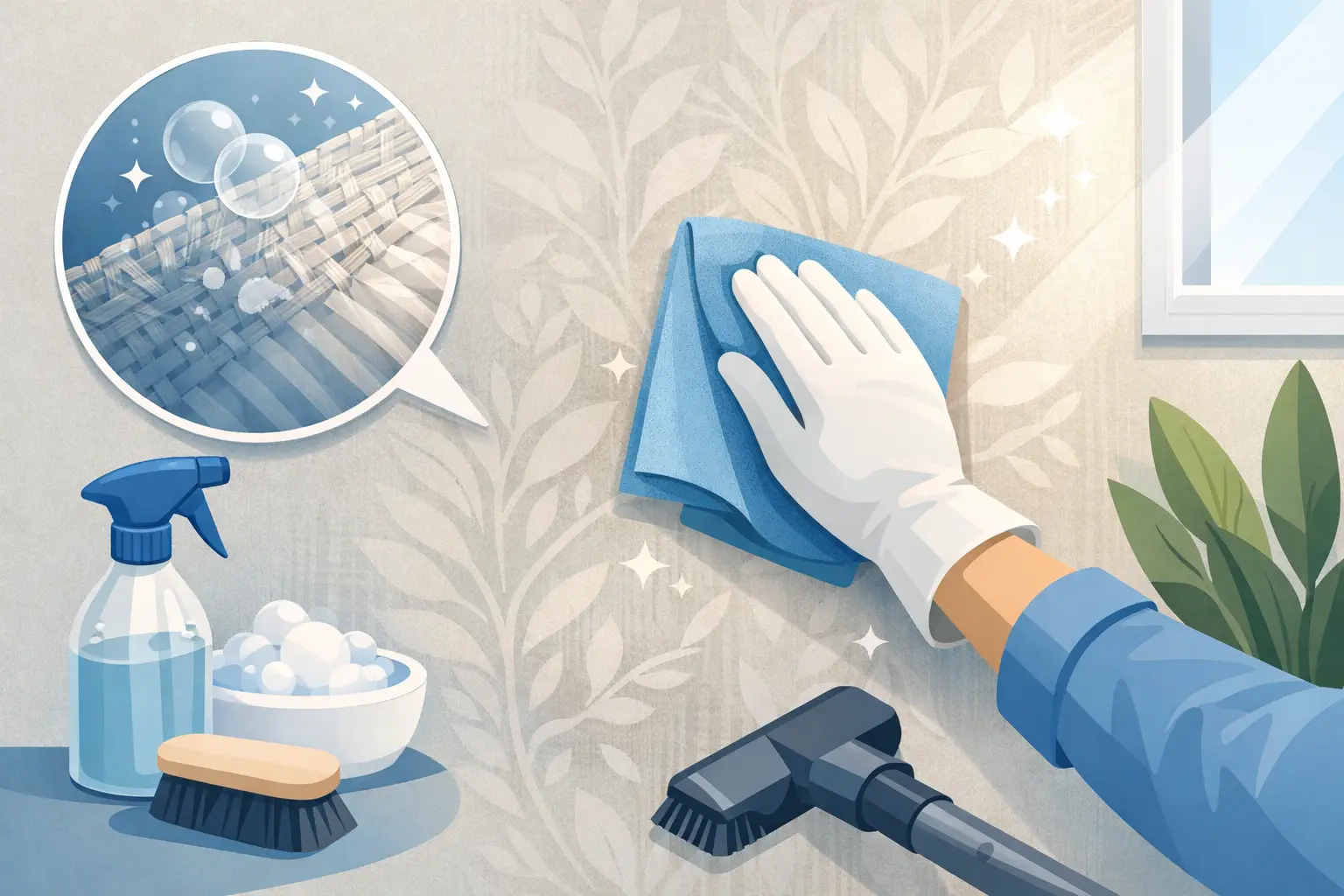
For routine care, keep the process dry and gentle. A soft microfiber cloth, a clean feather duster, or a vacuum with a soft brush attachment will handle most dust without disturbing the surface. Use the vacuum at low suction and make slow downward passes, following the direction of the weave where possible.
For a small mark on a washable fabric-backed vinyl, prepare a clean white microfiber cloth and a second dry cloth. White is essential because colored towels may transfer dye when damp. Use only a small amount of clean water or a mild, manufacturer-approved detergent solution.
Avoid abrasive sponges, magic erasers, stiff brushes, bleach, solvent cleaners, furniture polish, and aerosol sprays. These products can damage the coating, leave a residue that attracts dust, or create a visibly different patch on the wall.
Start with dry dust removal. Dust is not merely a cosmetic concern – over time, it settles into textured fibers and makes a wallcovering appear duller than its original design. For homes, light dusting every few weeks is usually sufficient. In hotels, restaurants, lobbies, and high-traffic commercial spaces, a scheduled monthly maintenance routine may be more appropriate.
Work from the top of the wall downward. Hold a soft duster lightly against the surface rather than pressing into it. If vacuuming, use the brush attachment with minimal suction and keep the head moving. Do not vacuum over loose edges, lifted seams, or areas where the fabric has begun to fray.
For a fresh dry mark, such as surface dust or a light scuff on a durable wallcovering, gently blot with a clean, dry white cloth. Do not rub in circles. Rubbing can push soil deeper into fibers and create a shiny, flattened area that catches the light differently from the surrounding wall.
If the manufacturer confirms the wallcovering is washable, test first in a concealed location. Behind a cabinet, near a baseboard, or in another low-visibility area is ideal. Lightly dampen the cloth rather than applying liquid directly to the wall. The cloth should feel barely moist, never wet enough to drip.
Blot the affected area using small, controlled motions. Follow immediately with a dry cloth to absorb residual moisture. Allow the test spot to dry completely before cleaning the visible mark. Check for color transfer, darkening, edge lifting, texture changes, or a water ring. If any of these appear, stop and return to dry cleaning methods or seek professional advice.
The most successful stain treatment is usually the least aggressive one. Address spills promptly, but avoid panic-cleaning. On true textile wallpaper, blot a fresh spill immediately with a dry white cloth. Do not add water unless the care instructions permit it. Oil-based spills, ink, makeup, and food stains may require specialist cleaning, especially on silk, linen, or handwoven surfaces.
For washable vinyl-faced wallcoverings, a mild diluted detergent may be suitable for small marks. Apply it to the cloth, not the wall, and use a minimal amount. Rinse by blotting with another cloth lightly dampened with plain water, then dry the area completely. Leaving soap behind can produce a sticky film and attract future dirt.
Water rings are one of the most common problems with absorbent fabric wallcoverings. They occur when moisture spreads beyond the original spot and dries unevenly. Trying to blend the ring with more water usually makes the damage worse. A wallcovering professional may be able to assess whether a localized repair, panel replacement, or decorative adjustment is the best solution.
Never use a stain remover intended for carpets or upholstery without written approval for the exact wallcovering. A product that performs well on a sofa can wick through wallpaper fibers, affect adhesive, or leave a visible tide mark on a vertical surface.
Cleaning should always account for the construction behind the finished wall. Wallpaper seams and edges are more vulnerable than the center of a panel. Moisture can soften adhesive, particularly in humid rooms or spaces with fluctuating air-conditioning. Clean near seams with an almost dry cloth and avoid pulling outward on the material.
High-touch areas deserve proactive protection. Around door frames, light switches, elevator lobbies, reception counters, and seating zones, fingerprints and body oils can accumulate faster than dust. In commercial interiors, selecting a fabric-backed vinyl or another high-performance wallcovering at the specification stage can reduce long-term maintenance without compromising the visual warmth of textile design.
For true fabric wallpaper in these locations, regular dry dusting and careful behavioral design matter. A console table, wall sconce placement, or adjusted circulation route can reduce contact with the surface. This is especially useful in luxury residential spaces where the material itself is chosen for its natural texture and visual depth.
A professional assessment is worthwhile when the stain is large, old, oily, or located on a premium natural fiber wallcovering. It is also the right route when marks extend across multiple panels, when seams are lifting, or when mildew is present. Cleaning mildew from the surface alone does not solve the underlying moisture issue, which may involve condensation, a plumbing leak, or inadequate ventilation.
Professionals can determine whether the wallcovering can be stabilized, cleaned in place, repaired with a spare panel, or replaced selectively. For custom murals and project-grade installations, retaining offcuts or an extra roll after installation can make future repairs far more precise. Pattern, lot number, and installation direction all matter when replacing even a small section.
At Decorating Depot, material selection is part of the long-term design conversation. A statement wall should suit the room’s visual ambition, but it should also match the level of daily use, cleaning expectations, and technical demands of the project.
Fabric wallpaper rewards preventive care. Control direct sunlight with appropriate window treatments where possible, especially for natural fibers that can fade over time. Maintain stable indoor humidity, address spills early, and avoid placing humidifiers directly beside textile wallcoverings. In kitchens and bathrooms, use materials rated for those conditions rather than assuming every fabric-look finish will perform the same way.
The goal is not to make a fabric wallcovering look scrubbed. It is to preserve its original texture, color, and quiet sense of craft. With a light-touch cleaning routine and the right material for the space, your walls can continue to make a polished statement long after installation.