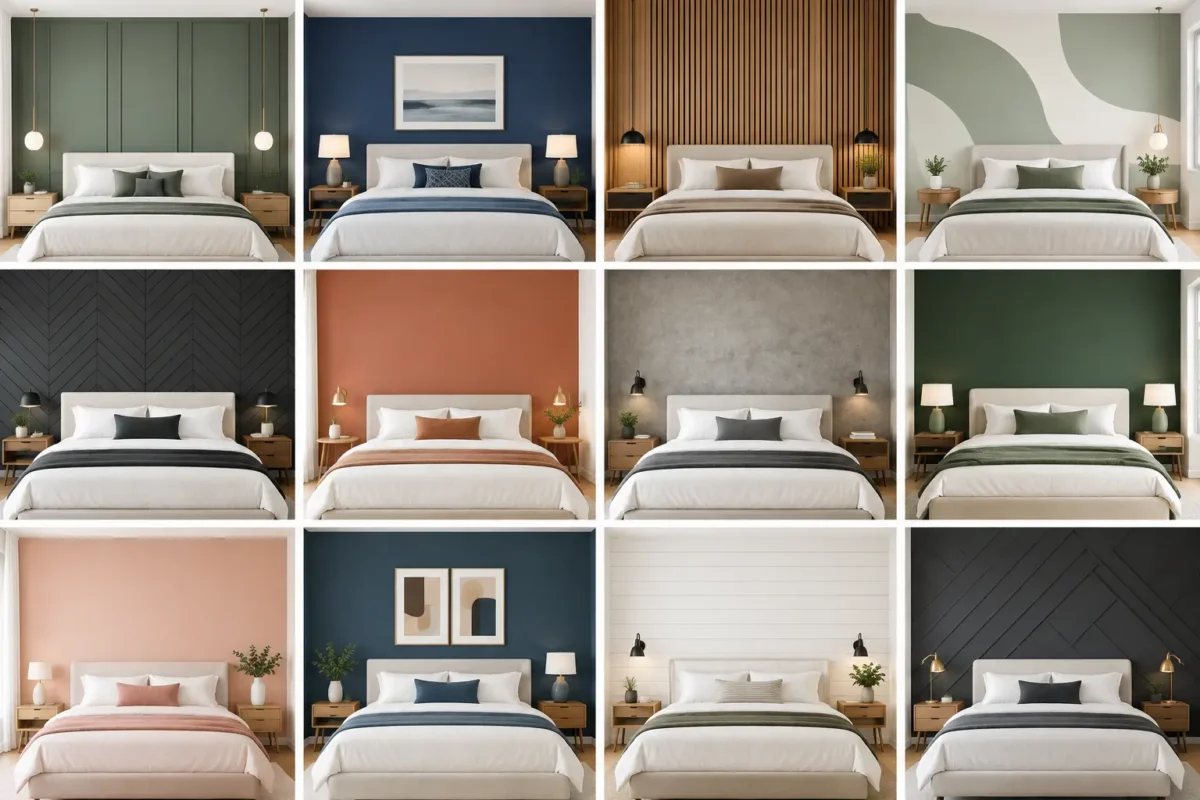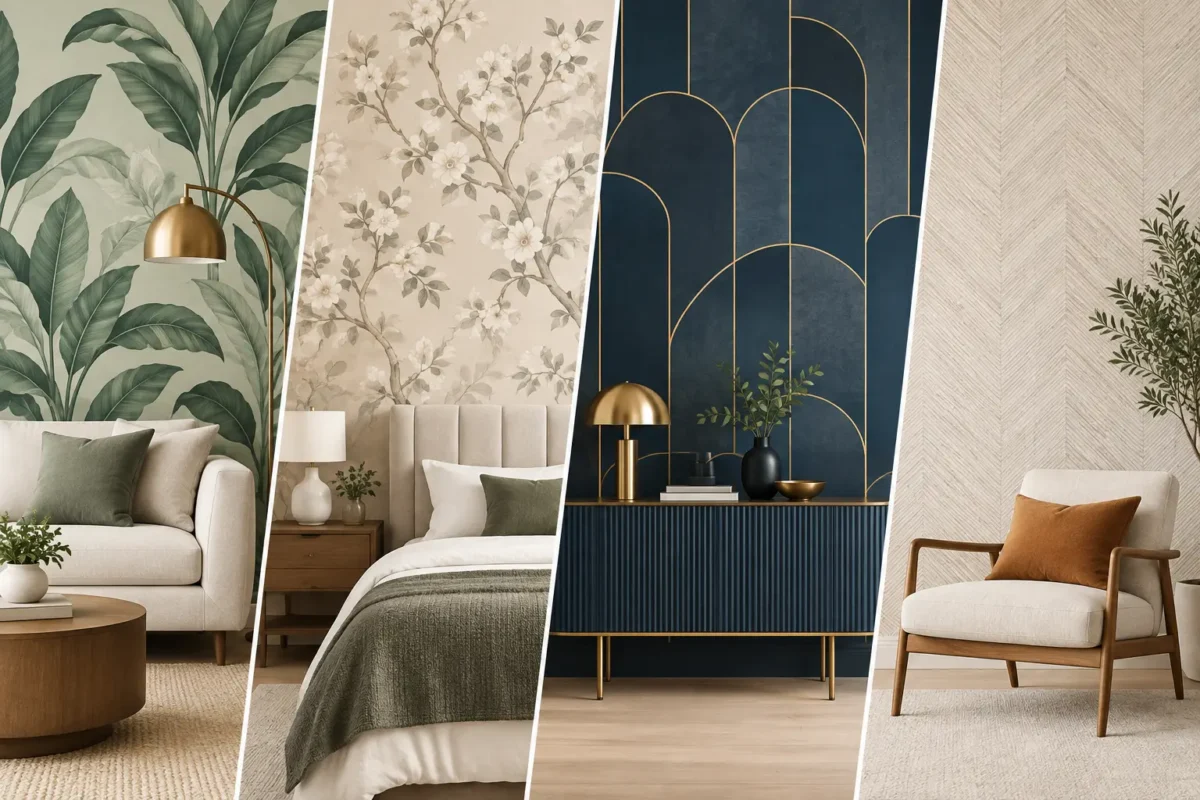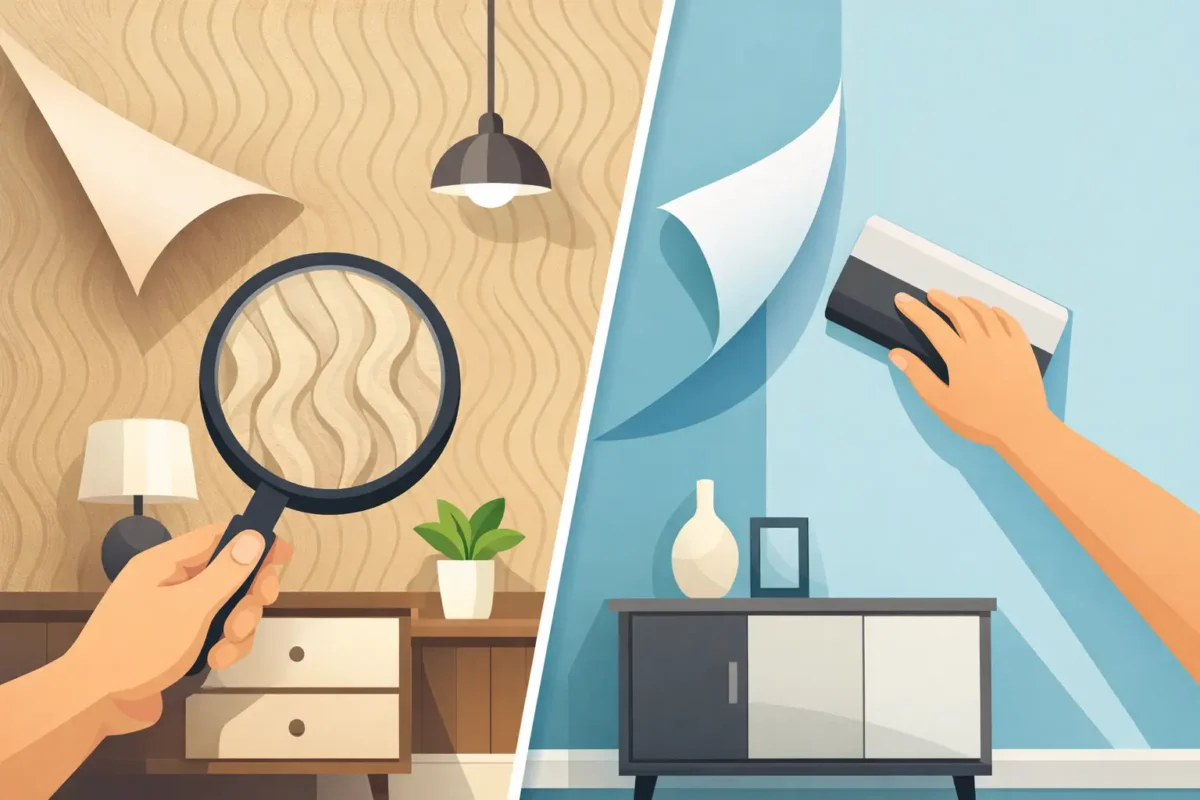
A wall finish can change the perceived value of a room before anyone notices the furniture. In the decision between textured wallpaper versus flat wallpaper, the better choice is rarely about trend alone. It comes down to how the space is used, how much light it receives, the level of visual impact required, and the maintenance standards the project demands.
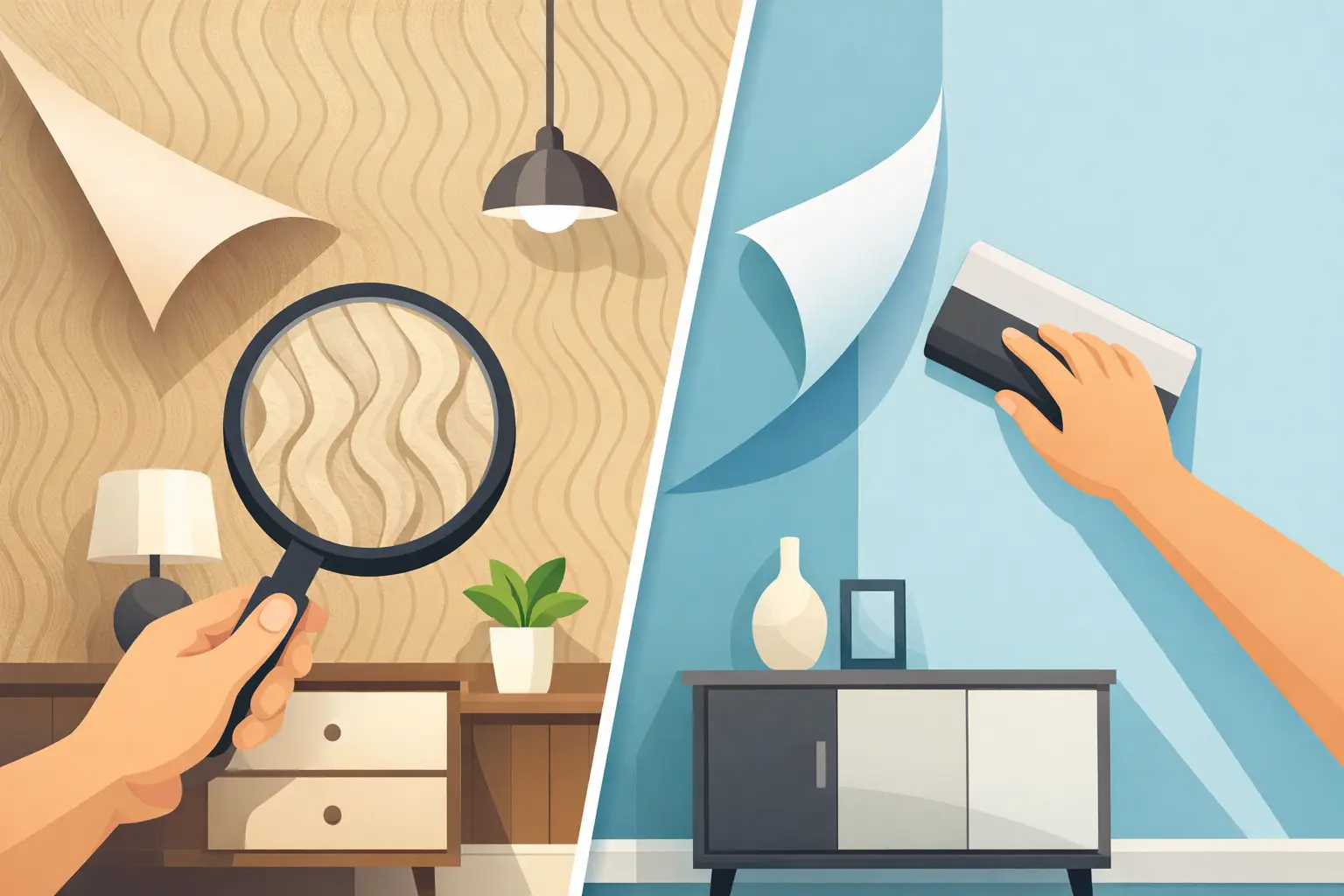
Flat wallpaper delivers crisp pattern, clean color, and a refined architectural finish. Textured wallpaper adds tactile depth, shadow, and material character. Both can look exceptional when specified well. The difference is in the atmosphere they create and the performance expectations they need to meet.
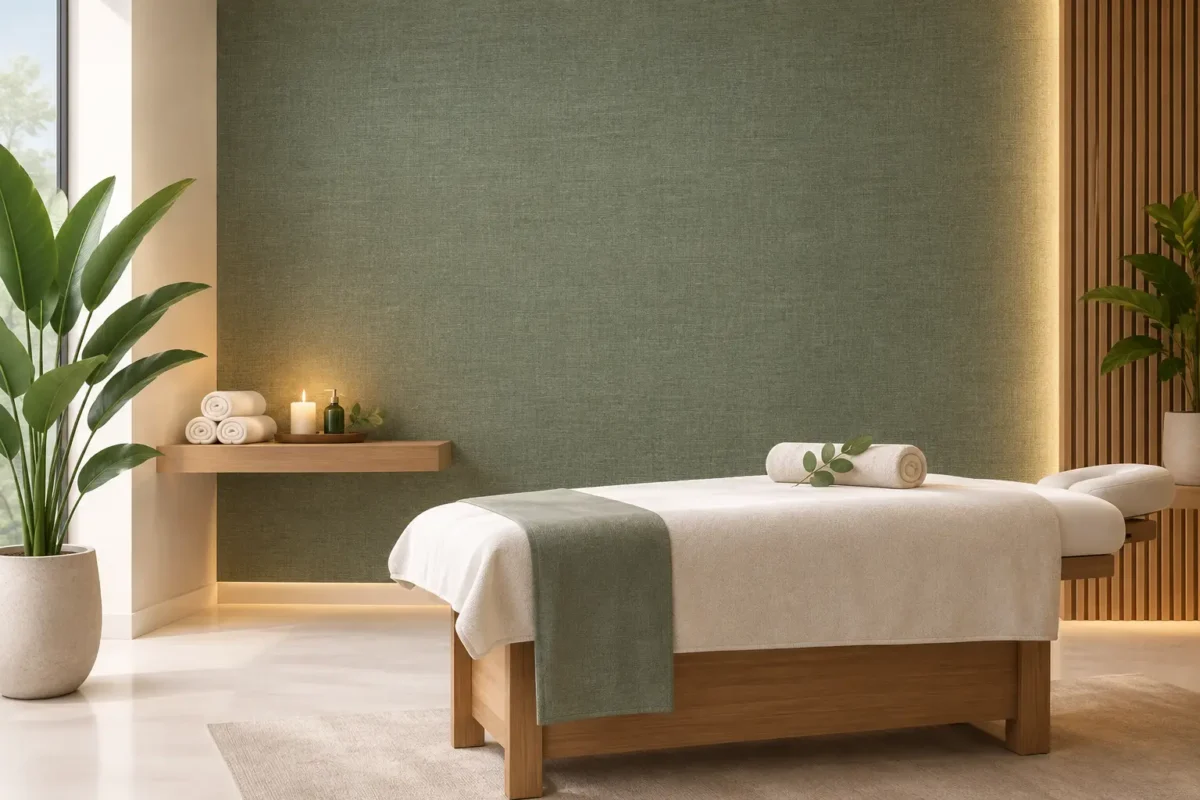
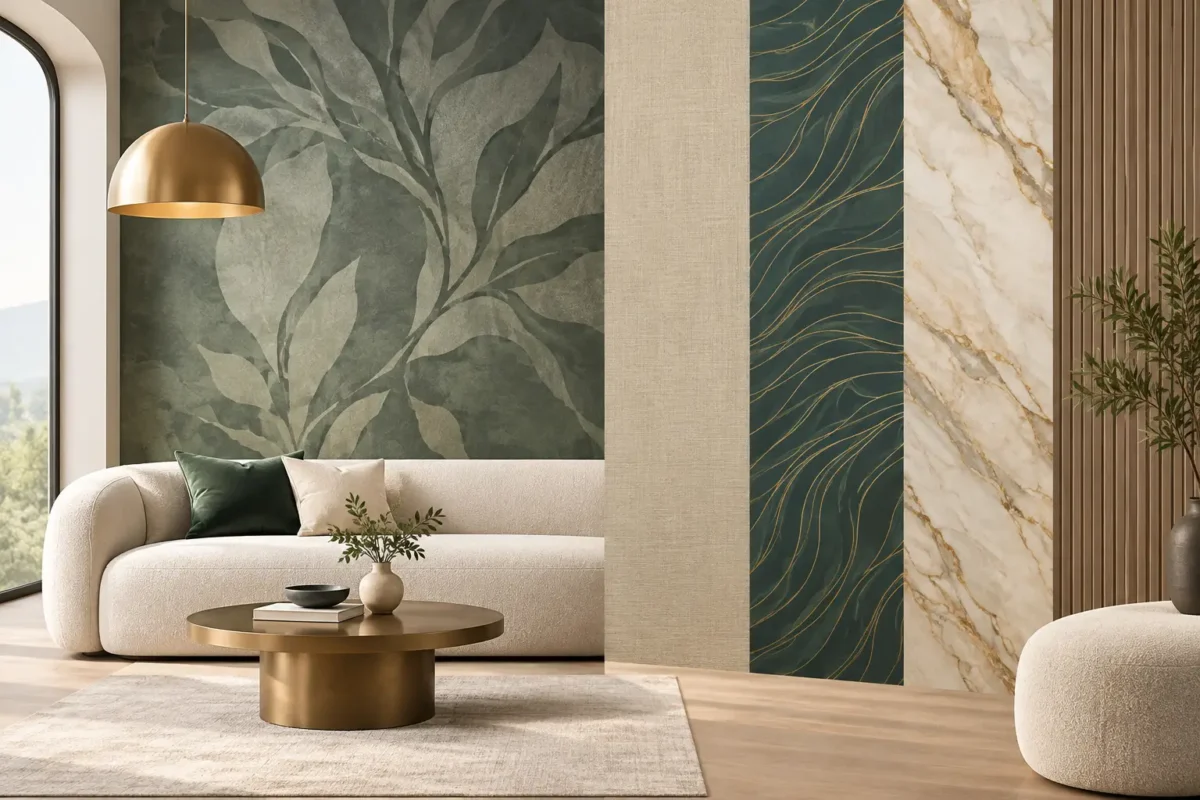
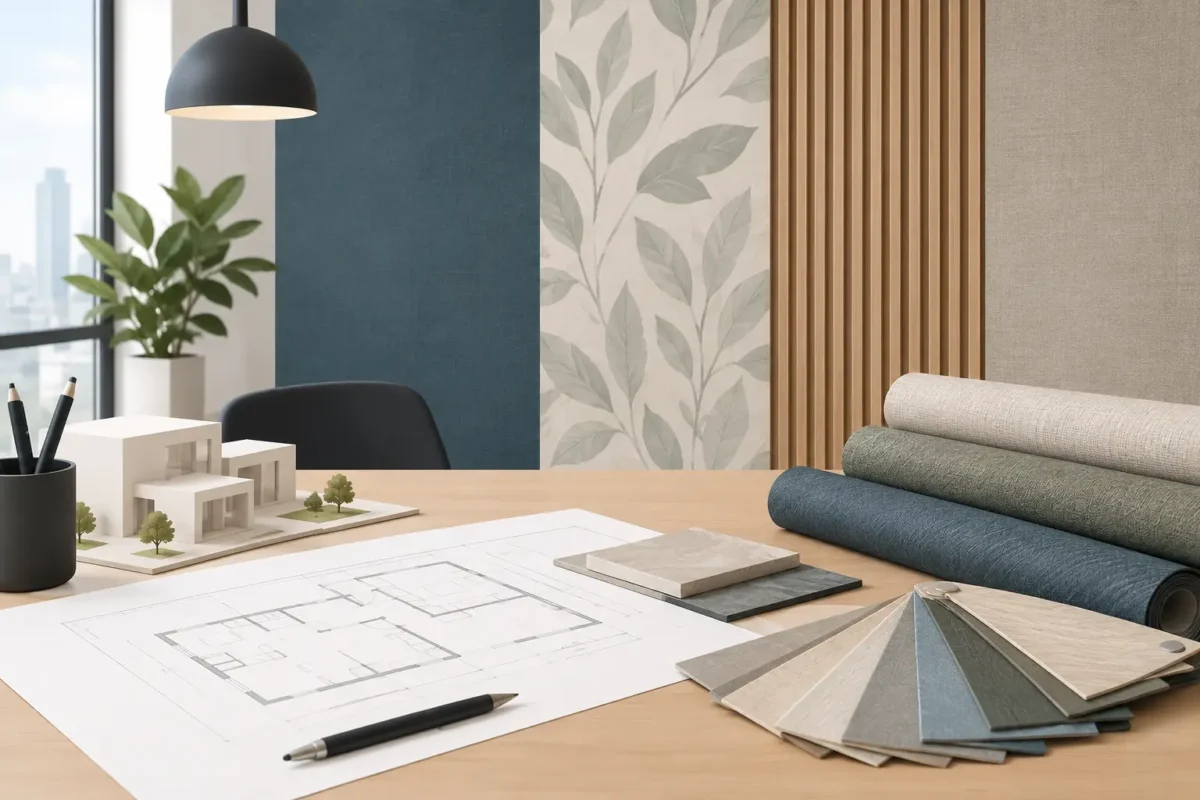
Textured wallpaper has a physical surface treatment. It may resemble linen, silk, plaster, grasscloth, woven fabric, concrete, stone, or fine embossing. As light moves across the wall, its raised or irregular surface creates subtle variations in tone. This gives a room dimension that paint and smooth wallcoverings cannot easily replicate.
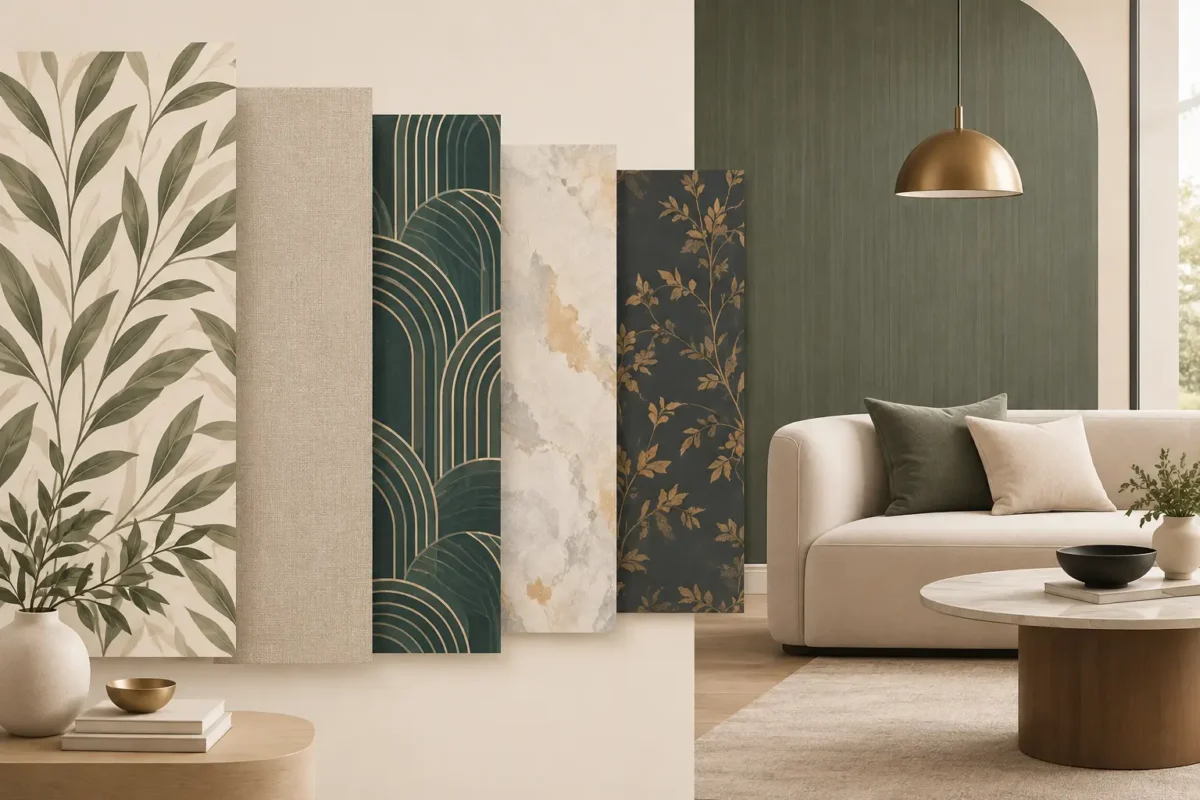
Flat wallpaper has a smooth finish, even when its design suggests texture. A printed marble, wood grain, brushstroke, or fabric pattern can be highly realistic, but the wall remains visually consistent from different angles. That consistency is an advantage when a project calls for sharp graphics, bold murals, delicate metallic details, or an uninterrupted field of color.
For a residence, textured wallpaper often brings warmth to bedrooms, lounges, dining rooms, and entryways. It makes a wall feel considered rather than merely covered. In hospitality and high-end retail settings, it can support a layered, memorable guest experience without overwhelming the rest of the interior.
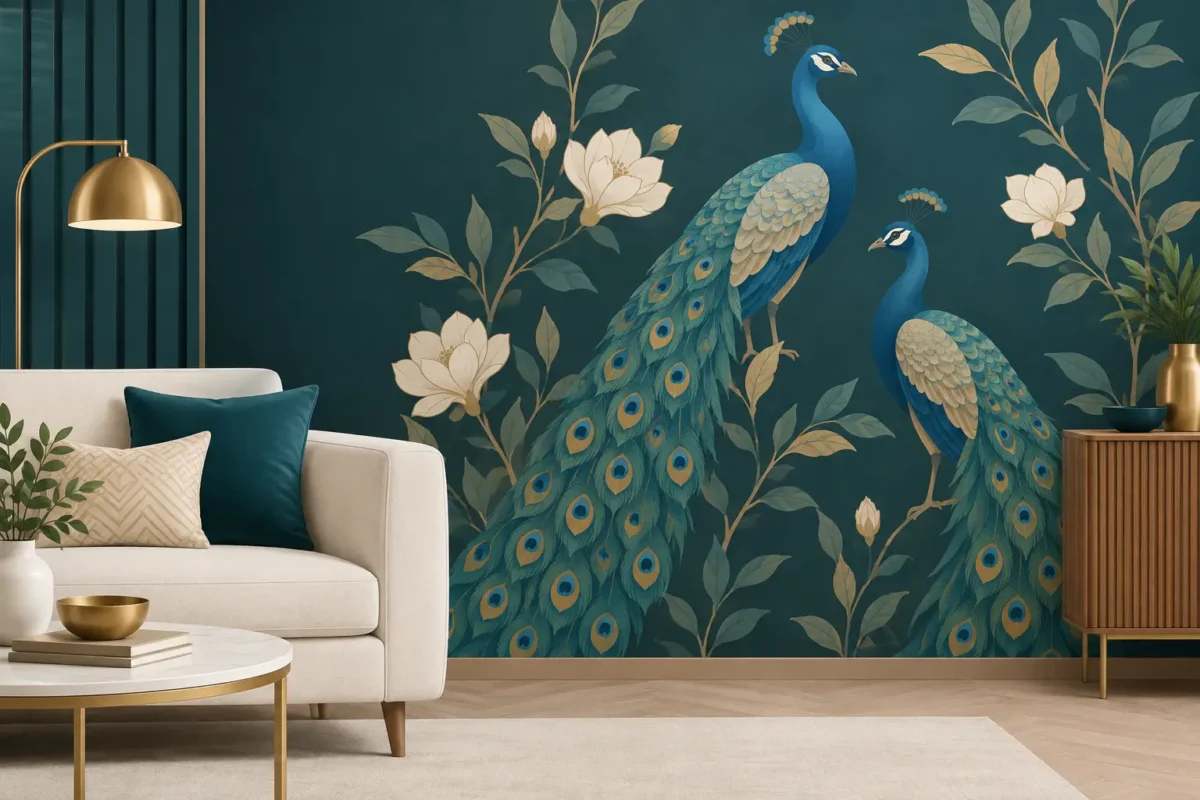
Flat wallpaper is particularly effective for contemporary homes, branded commercial spaces, children’s rooms, corridors, and feature walls where pattern clarity matters. It is also the natural choice for custom murals, where photography, artwork, and brand graphics need to remain precise from edge to edge.
Texture is most successful when the room needs visual depth but not a busy pattern. A quiet woven effect behind a reception desk, for example, can make the entire space feel more polished while allowing the signage and furniture to remain the focus. A soft linen texture in a bedroom can create the same sense of calm as upholstered elements, without adding another bulky material to the room.
It also helps walls feel less flat in large, open interiors. Tall ceilings, broad hotel lobbies, executive meeting rooms, and expansive living areas can appear stark when finished only in smooth paint. A textured wallcovering catches ambient light and breaks up that expanse with a more tailored finish.
There is a practical benefit as well. Certain embossed or fabric-backed wallcoverings can visually soften minor wall irregularities that would be obvious beneath paint or a smooth, light-colored paper. This does not eliminate the need for correct wall preparation, but it can be more forgiving where existing surfaces are not perfectly uniform.
The trade-off is that texture is inherently more visible. In a compact room with heavy furnishings, patterned tiles, dramatic curtains, and detailed artwork, another layer of texture may feel excessive. The strongest interiors use contrast with restraint. If the room already has plenty of tactile materials, a flat wallpaper may provide the cleaner balance.
Lighting changes textured wallpaper more dramatically than flat wallpaper. Side lighting from windows, wall washers, or decorative sconces will emphasize an embossed pattern and its shadows. This can be beautiful in a lounge or hotel suite, but it may reveal every variation more clearly than expected.
Requesting a full-size sample and viewing it at different times of day is worthwhile. Warm evening lighting can make a textile-inspired surface feel rich and intimate. Strong cool daylight may make the same texture appear sharper or more pronounced. For commercial environments, assess it under the actual lighting specification, not only showroom lighting.
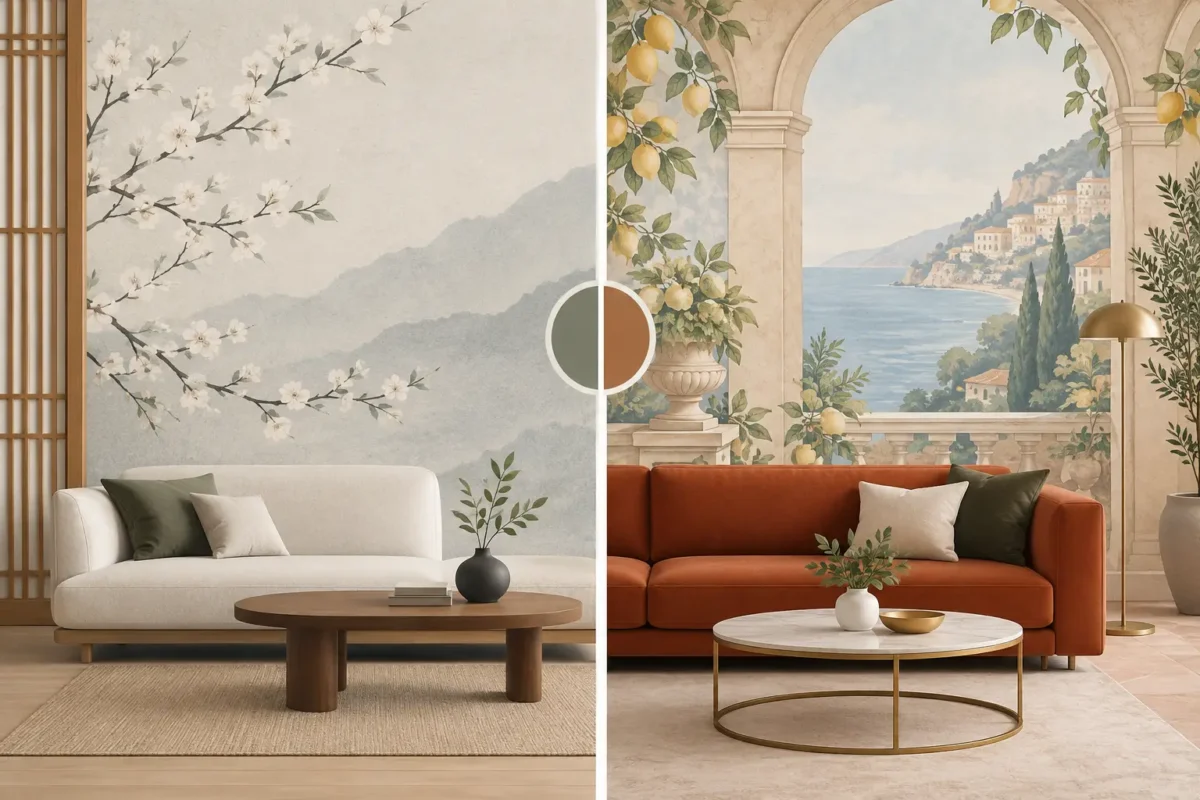
Flat wallpaper offers control. Its smooth face gives printed designs an even, intentional appearance, making it ideal for spaces where the wallcovering carries a clear visual message. Think of a panoramic mural in a reception area, a botanical print in a café, or a geometric design in a retail fitting room. The artwork reads exactly as designed.
It is also well suited to minimalist interiors. A subtle plain finish in a carefully selected neutral can look exceptionally refined, especially alongside natural stone, timber, glass, and sculptural lighting. Smooth wallpaper does not compete for attention. Instead, it creates a clean backdrop that lets proportion, material, and furniture lead.
Maintenance can be simpler with a flat, washable vinyl or commercial-grade wallcovering because there are fewer recessed details where dust may collect. For offices, clinics, restaurants, lift lobbies, and active family areas, this matters. The material specification remains more important than surface appearance, however. A high-performance textured vinyl can be highly cleanable, while a delicate flat paper may be better reserved for low-contact spaces.
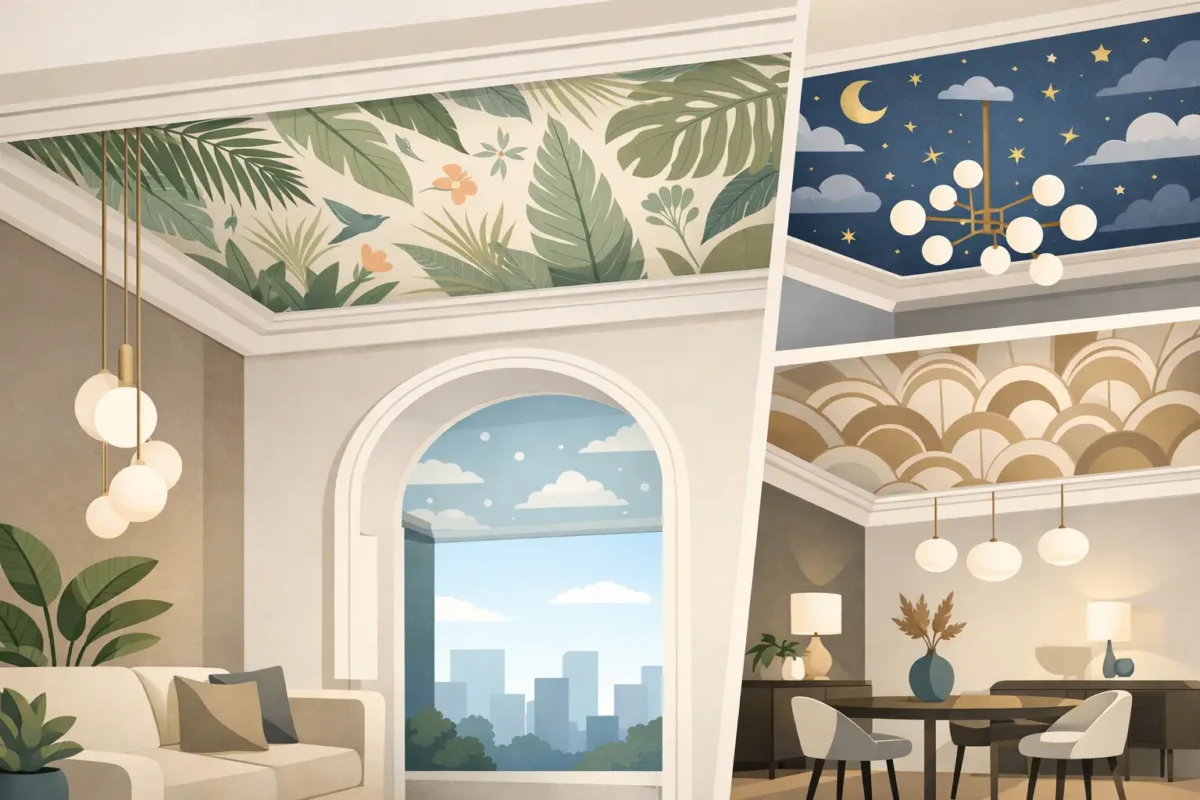
Flat finishes also offer broad flexibility for custom printing. Modern production can reproduce detailed imagery, branded color palettes, oversized artwork, and bespoke dimensions with exceptional accuracy. For projects that require a distinct identity rather than an off-the-shelf look, a smooth custom wallcovering gives designers a precise canvas.
The question is not simply whether textured or flat wallpaper is more durable. Durability depends on the substrate, protective finish, adhesive system, installation method, and location. Residential non-woven wallpapers can provide excellent performance in bedrooms and living spaces. Fabric-backed vinyl wallcoverings are designed for more demanding applications such as hotels, offices, healthcare-adjacent spaces, and retail interiors.
Textured surfaces need cleaning methods appropriate to their finish. Fine dust can settle into a deeper emboss or woven pattern, so regular gentle vacuuming with a soft brush attachment may be recommended. Avoid aggressive scrubbing, especially on natural or delicate finishes. In high-touch areas, select a texture specifically engineered for washability and stain resistance rather than assuming all textured products perform the same way.
Flat wallpapers are generally easier to wipe when they have a suitable protective surface, but printed designs still require proper care. Harsh chemicals, abrasive sponges, and excessive moisture can damage inks, seams, or coatings. For commercial projects, confirm cleaning protocols before material approval, particularly where sanitization is frequent.
Installation quality affects both options. Texture can make seams less noticeable when the pattern is forgiving, while a strongly directional weave or linear design demands exact alignment. Flat murals and geometric prints require equally precise panel placement because even a small mismatch can interrupt the design. Professional installation is not an optional finishing touch. It is what protects the investment in the wallcovering itself.
For bedrooms, living rooms, private dining spaces, and boutique hospitality, textured wallpaper is often the stronger choice when the goal is warmth, depth, and a quiet sense of luxury. Choose subtle texture for a calm interior, or a more pronounced embossed finish when the wall is intended to be the focal point.
For corporate offices, retail environments, restaurants, and large residential feature walls, flat wallpaper often gives greater freedom with branding, graphics, and custom artwork. It also works well where regular cleaning is expected and a smooth, modern presentation suits the design brief.
In corridors, guest rooms, and other high-use spaces, performance should lead the decision. A commercial-grade, fire-rated, washable wallcovering may be available in both textured and flat styles. The right specification should respond to local code requirements, traffic levels, cleaning needs, and the expected lifespan of the interior.
At Decorating Depot, material selection can be aligned with the full project, from a single statement wall to a coordinated hospitality or commercial installation. The most effective choice considers sample scale, lighting, wall condition, and technical requirements together rather than treating wallpaper as a final decorative layer.
Choose textured wallpaper when the room needs depth, softness, or a material-led finish that changes gently with the light. Choose flat wallpaper when the design depends on crisp imagery, a clean surface, easy care, or precise custom expression. Neither is automatically more premium. Premium results come from selecting the right surface for the room, then specifying a quality material and installing it with care.
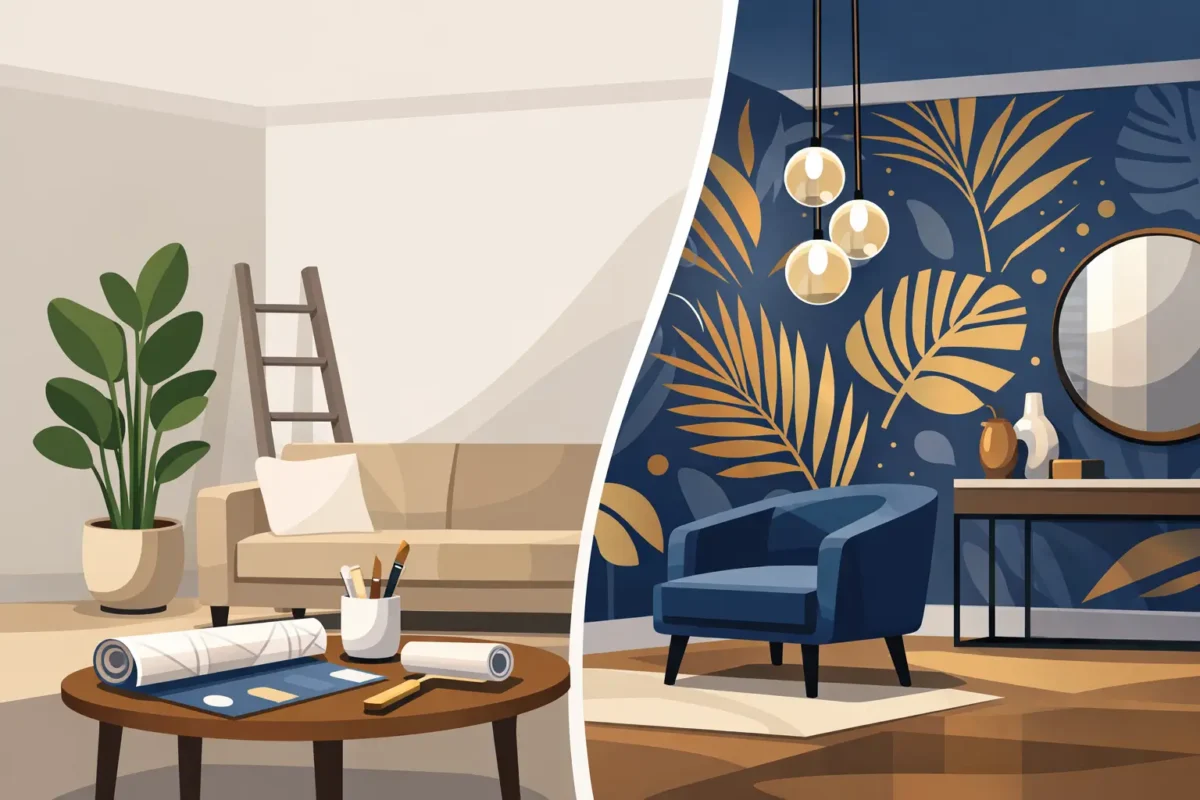
A well-chosen wallcovering should do more than fill an empty wall. It should give the space a clearer identity, support how people use it, and still look considered long after the first impression.