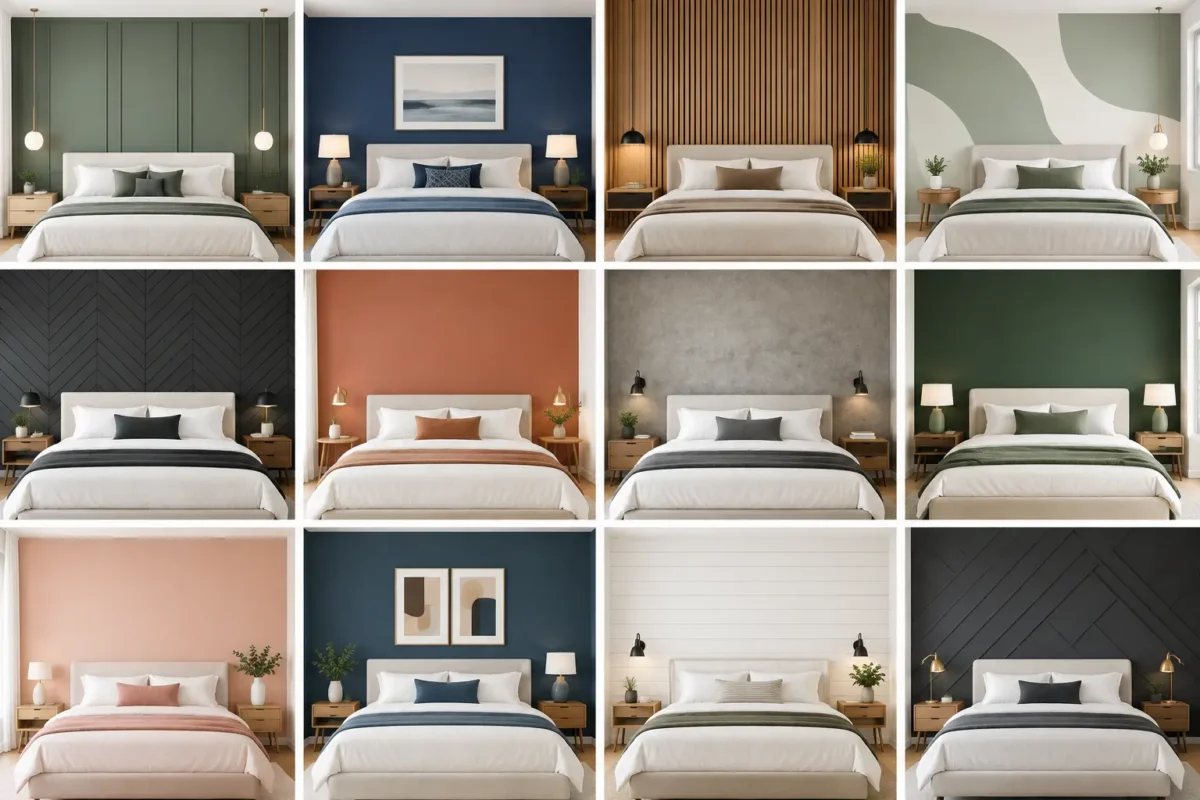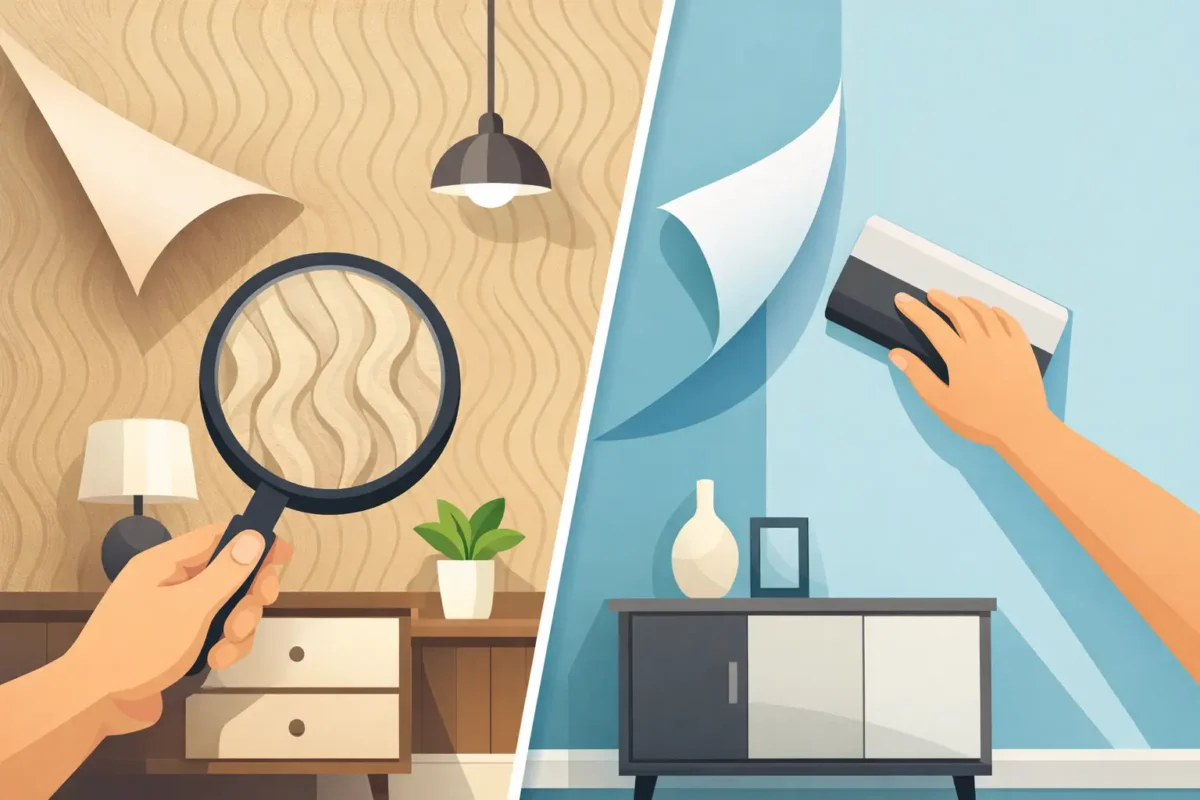
A wall no longer needs to fade quietly into the background. The strongest wallpaper trends are giving rooms a point of view: a textured neutral that makes a living room feel tailored, a panoramic mural that gives a hotel lobby a signature moment, or a tailored geometric that reinforces a brand’s identity in a workplace.
The shift is not simply toward bolder pattern. It is toward surfaces with greater intention. Homeowners and design professionals are selecting wallcoverings for their ability to shape atmosphere, add material depth, solve practical project requirements, and create spaces that feel distinctly considered. Paint still has a place, but wallpaper now offers a broader design vocabulary, especially where color alone cannot deliver enough character.
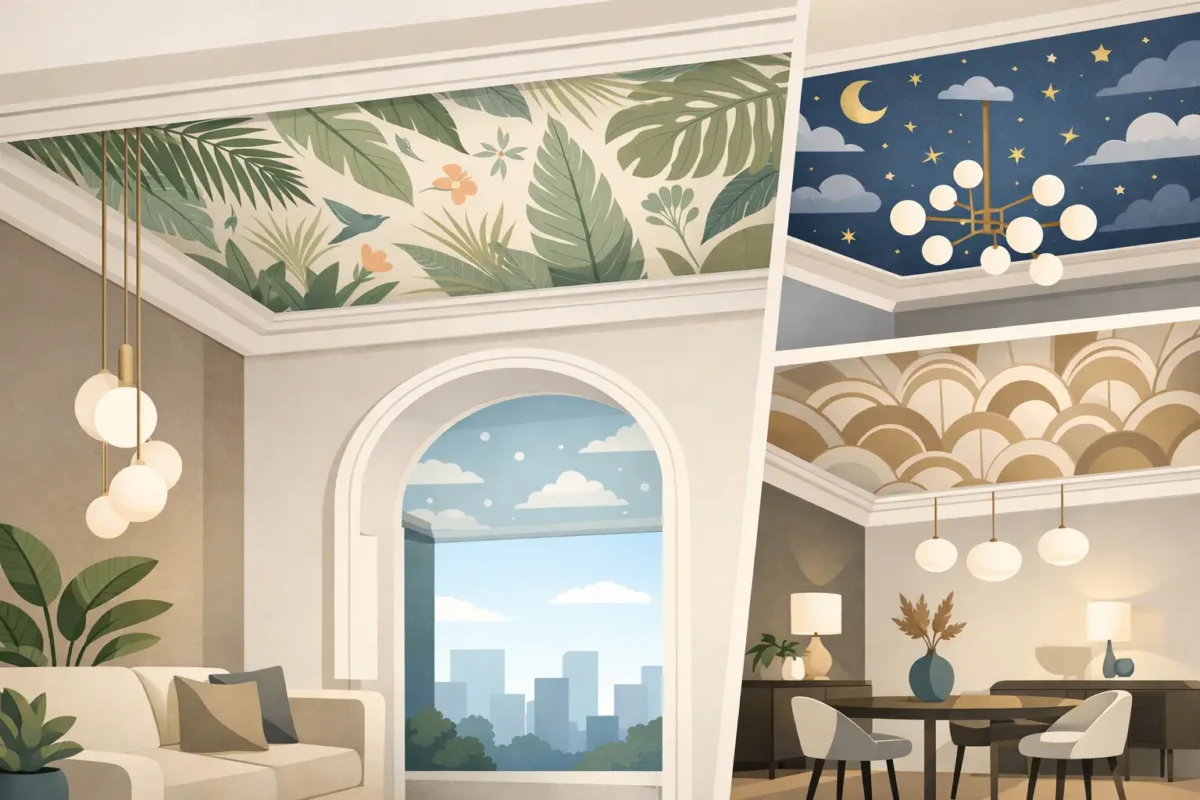
For years, wallpaper was often reserved for one statement wall. That approach remains effective, particularly in compact rooms or spaces with a strong architectural focal point. But current projects are using wallcoverings more confidently across full rooms, ceilings, corridors, and transitional spaces.
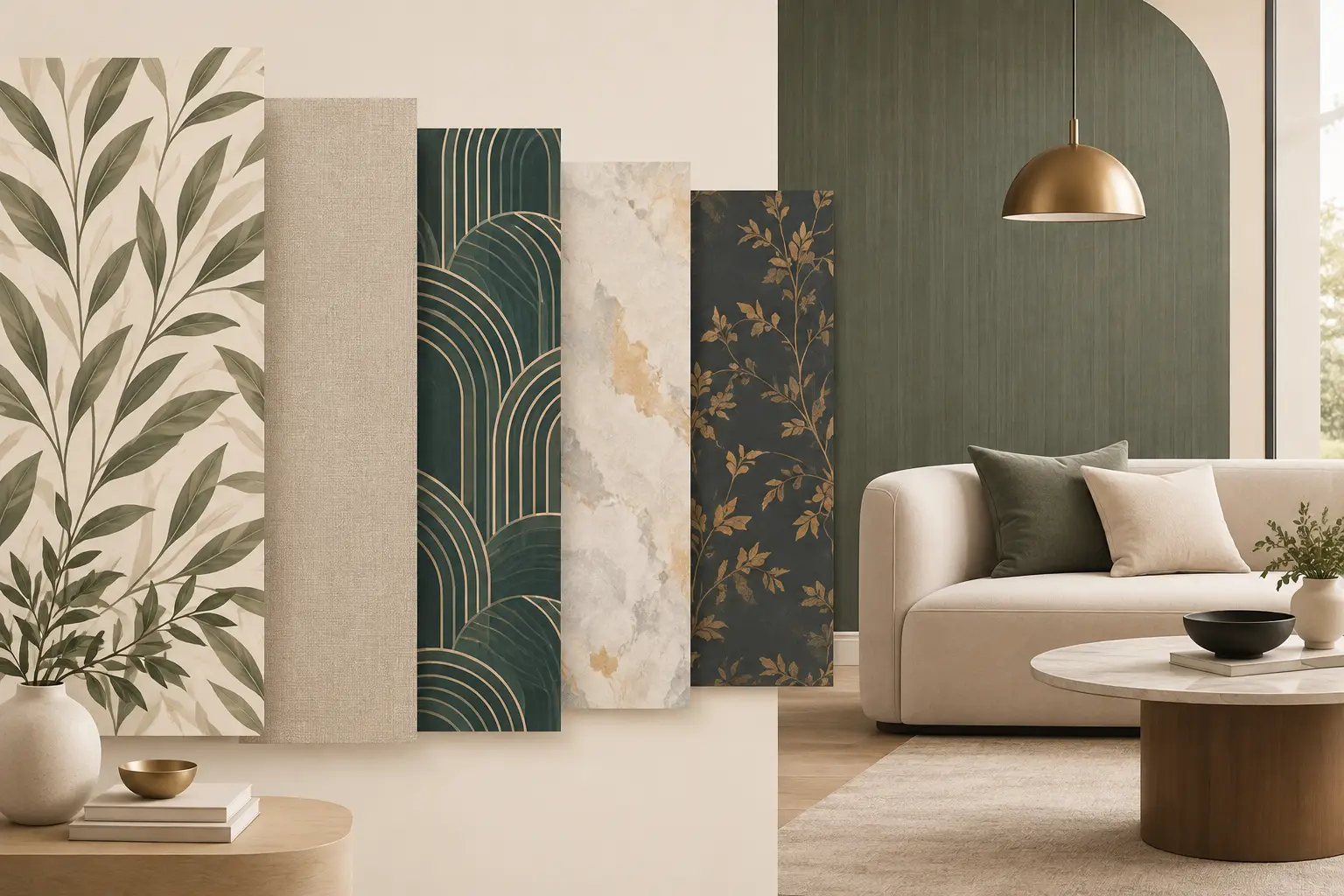
This does not mean every surface should be loud. A full-room installation works best when the pattern, scale, and finish are chosen with the room’s proportions in mind. Fine grasscloth effects, woven textures, soft mineral finishes, and low-contrast botanicals can envelop a room without making it feel busy. In larger spaces, full-height murals and more expressive prints create a sense of arrival that a painted wall rarely achieves.
For commercial and hospitality interiors, continuity is especially valuable. A wallcovering can carry a visual language from reception through meeting rooms, guest corridors, or retail zones. It makes a space feel designed as a whole rather than assembled one room at a time.
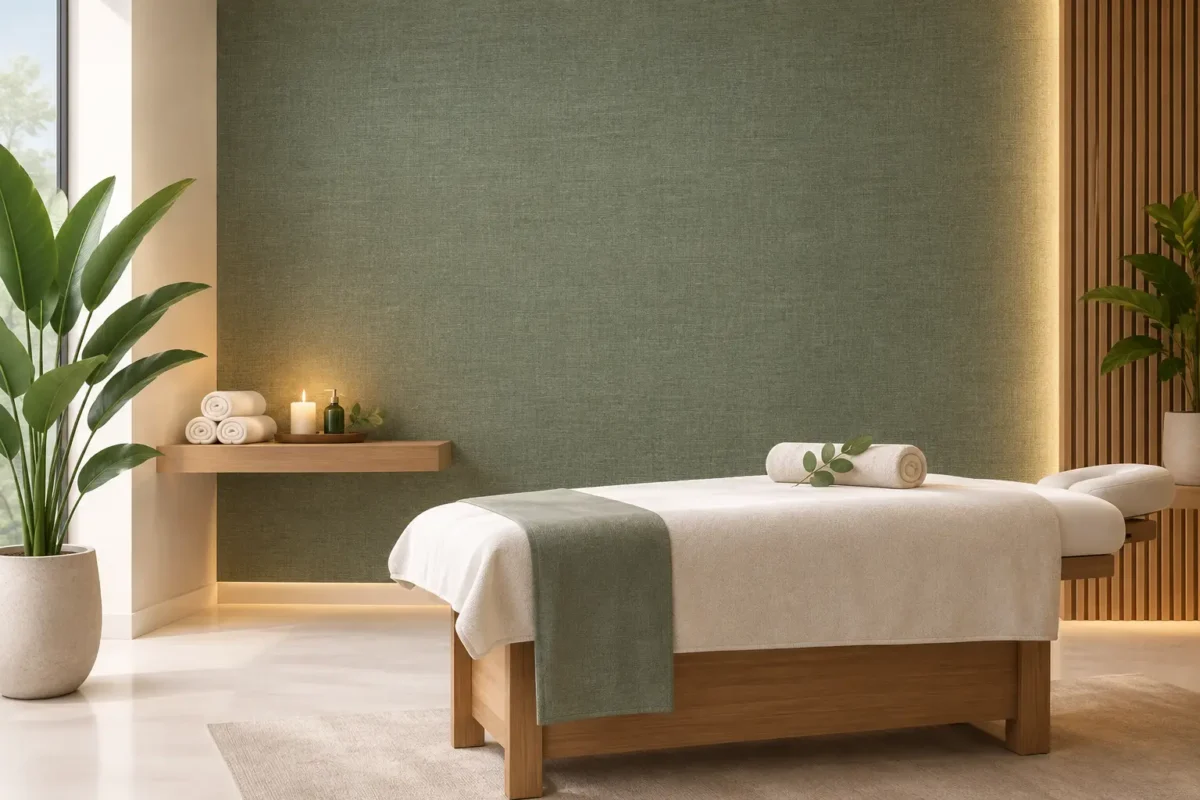
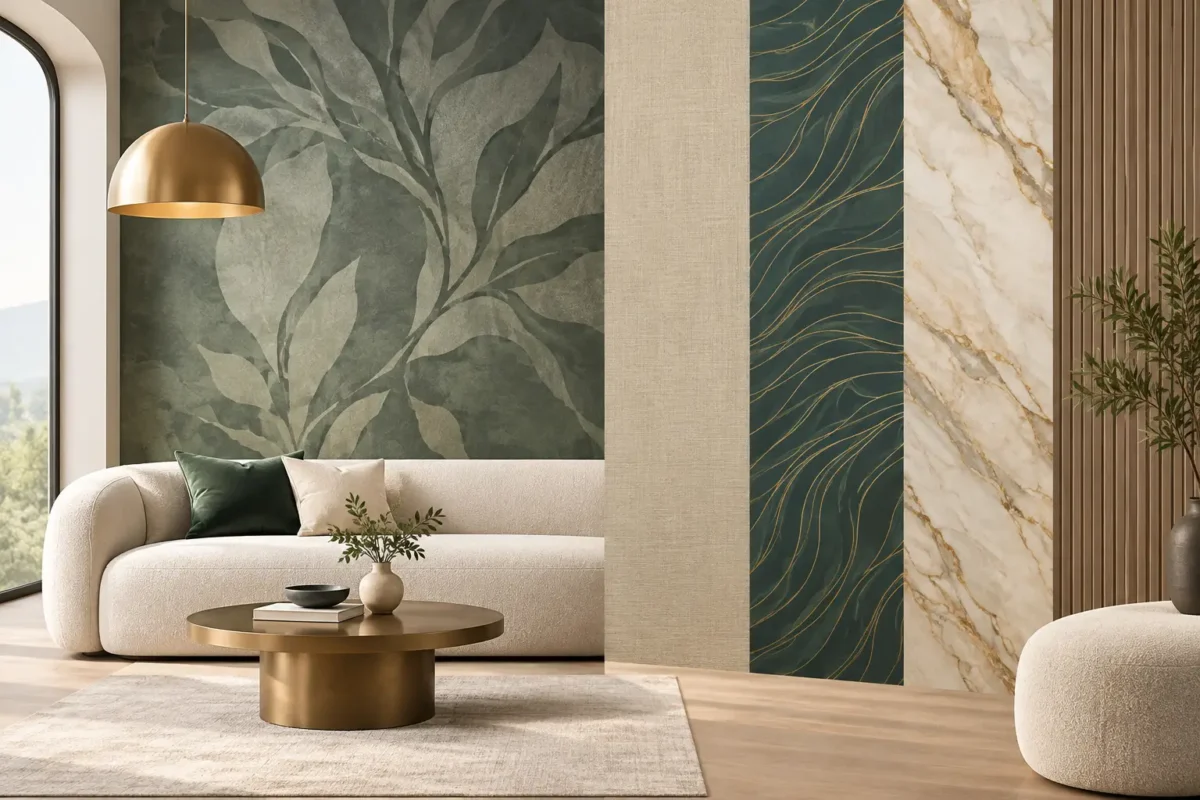
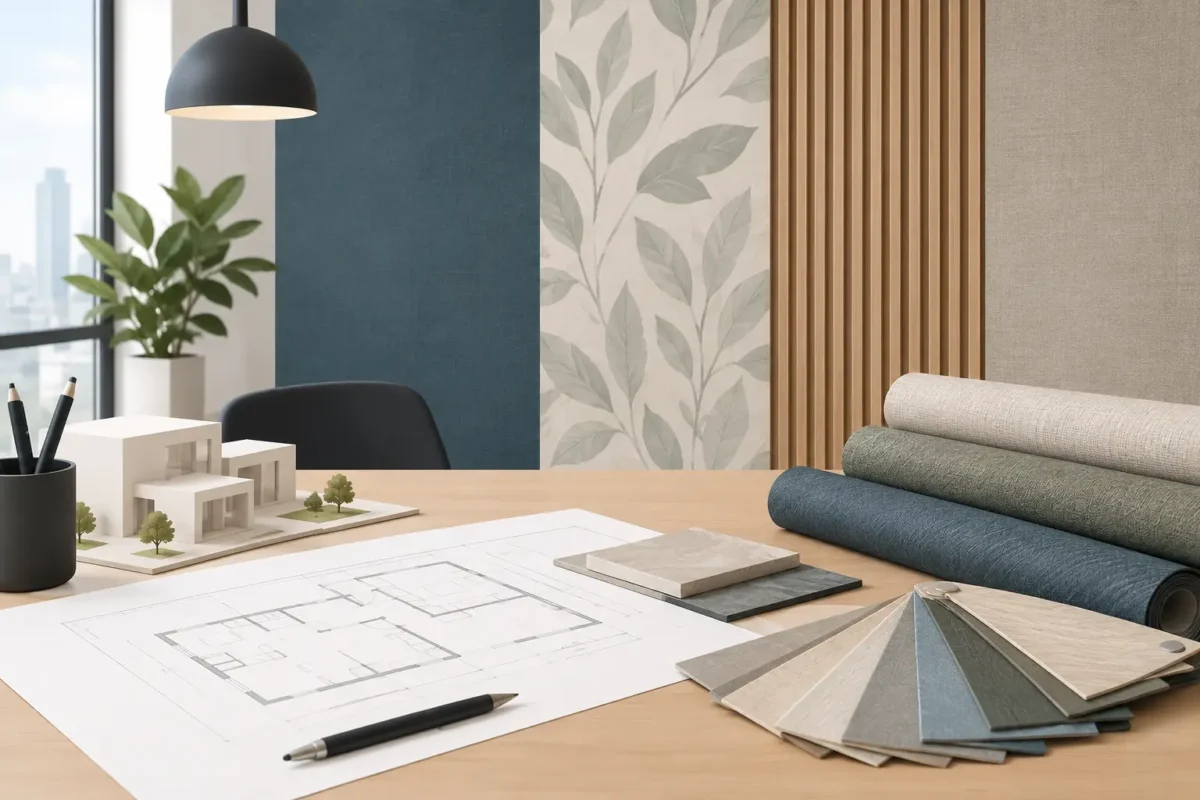
Texture is one of the most influential directions in wallcovering design. Linen looks, woven textiles, plaster effects, suede finishes, raffia-inspired patterns, and softly irregular paper textures add visual warmth while remaining refined. They are particularly suited to interiors that favor natural stone, timber, brushed metals, and upholstered furniture.
The appeal is partly practical. A textured wallpaper can bring depth to a large blank wall without demanding the attention of a large-scale print. It also helps a room feel layered under changing daylight and evening lighting, which is valuable in residences, restaurants, and lounges.
The trade-off is that texture needs to coordinate with the rest of the material palette. If floors, cabinetry, upholstery, and window treatments already have pronounced grain or pattern, a quieter wallcovering may provide better balance. Texture should enrich the composition, not compete with it.
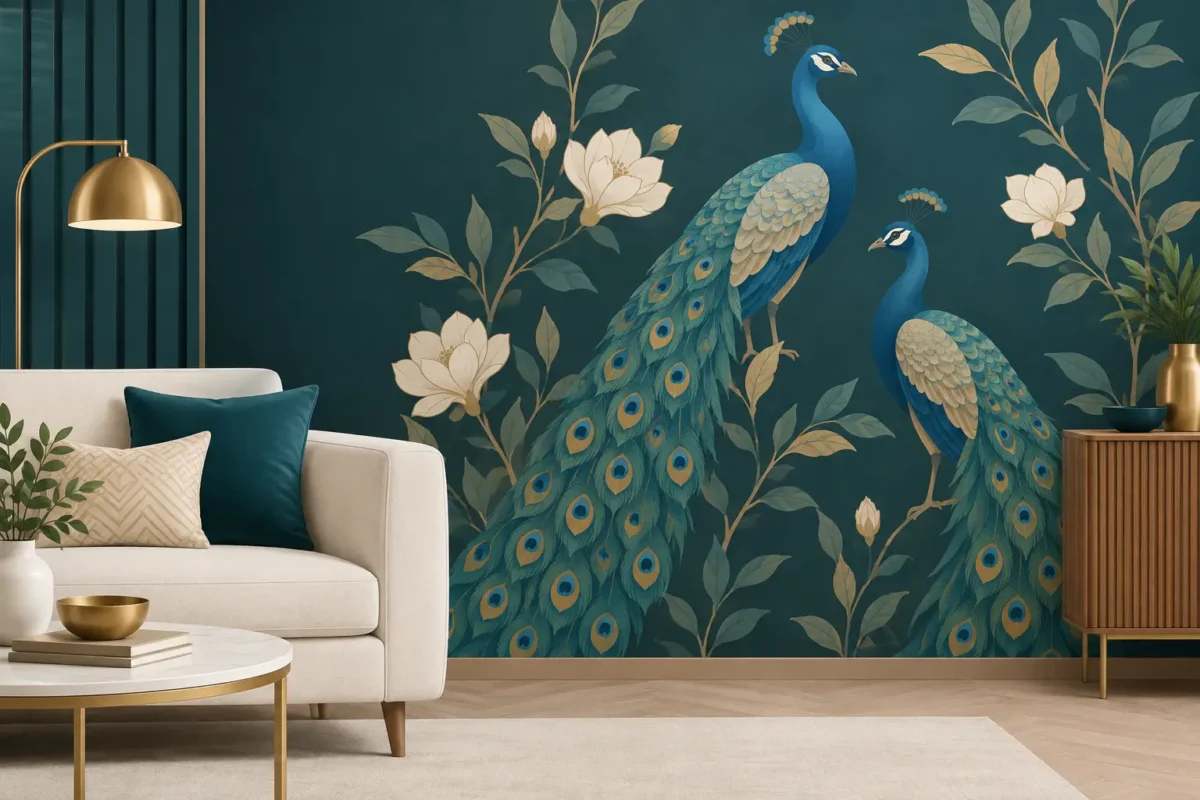
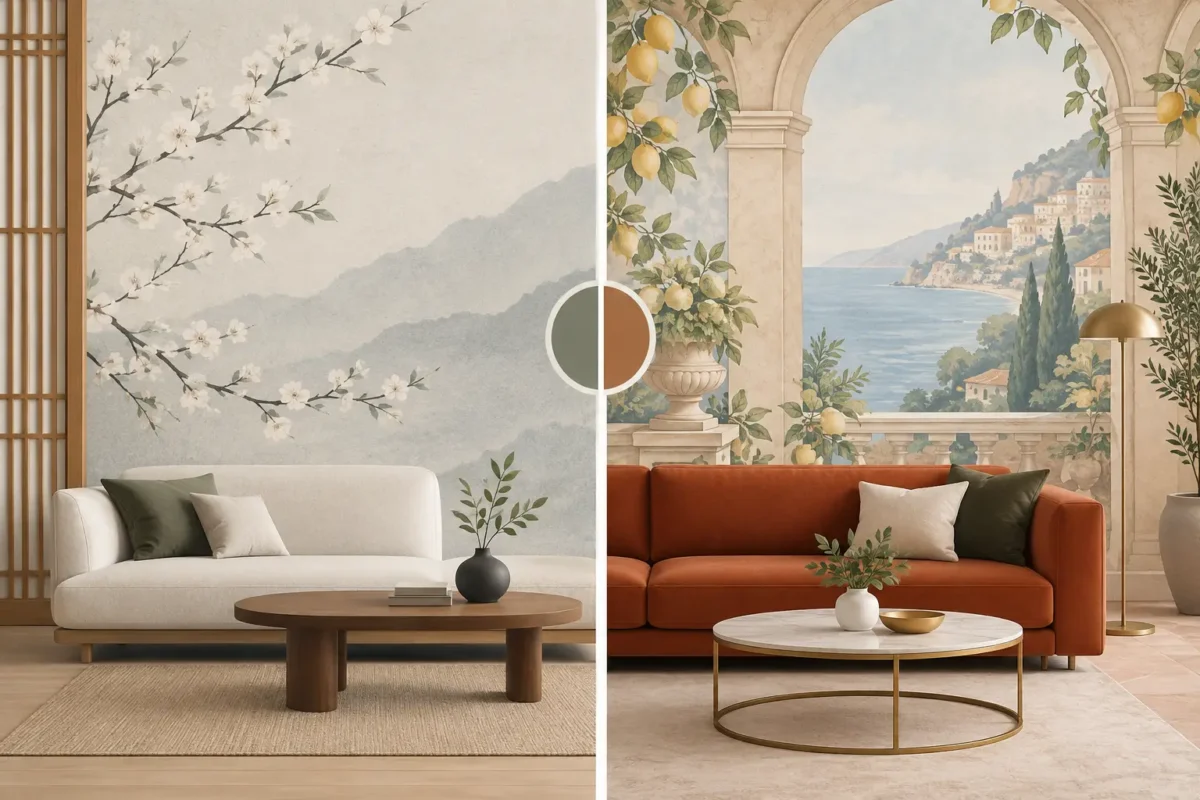
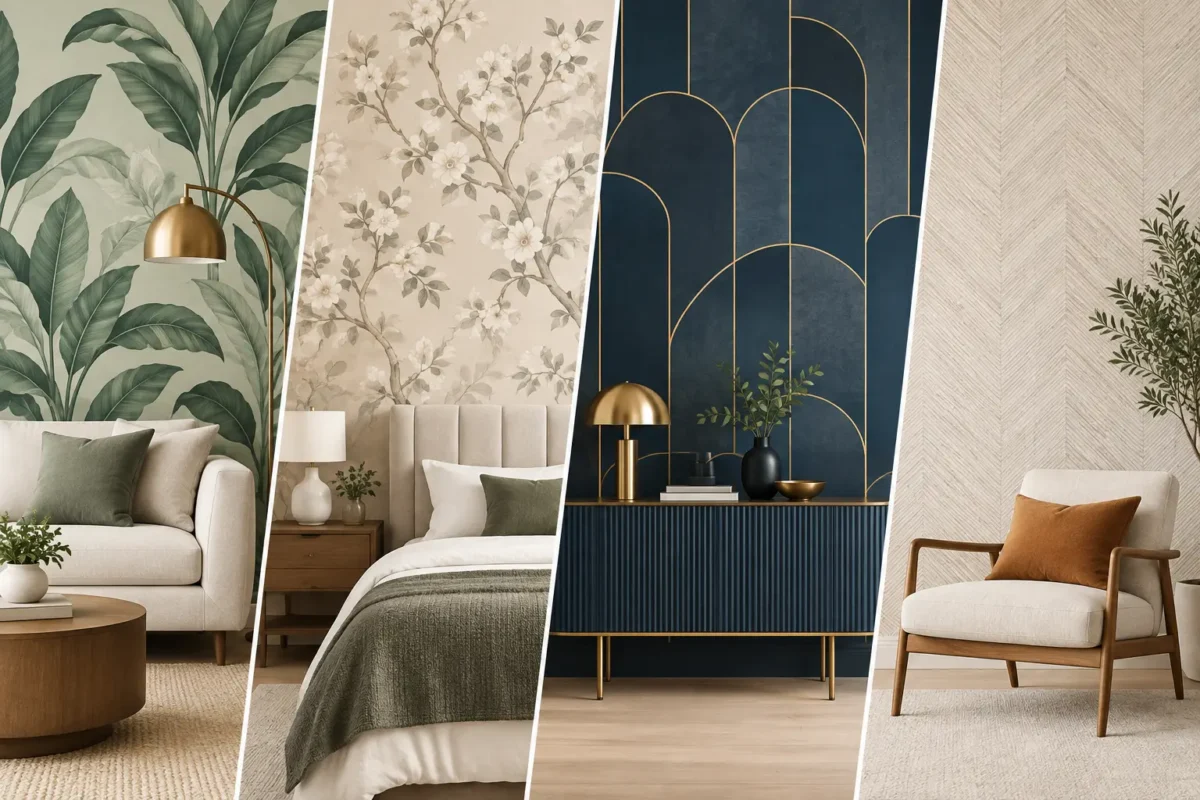
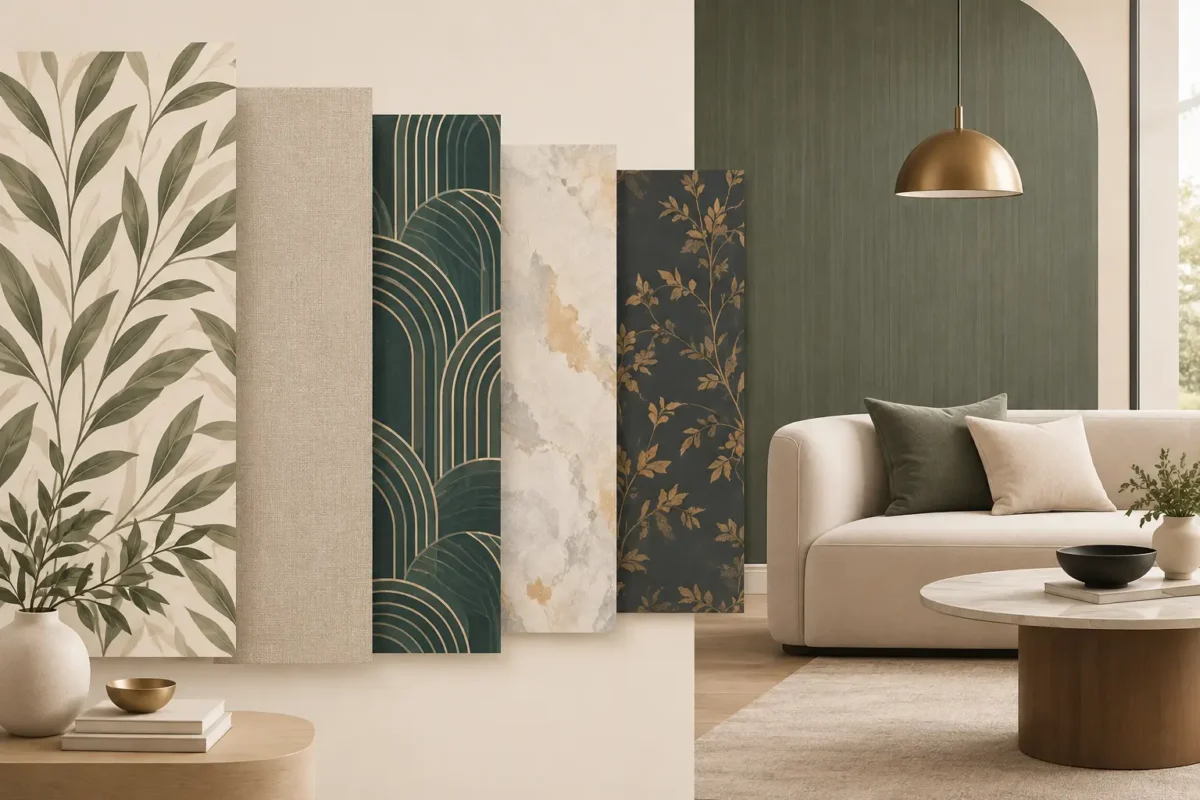
Botanicals remain a defining category, but the look has matured. Instead of predictable floral motifs, designers are choosing atmospheric forests, hand-painted branches, oversized leaves, misty landscapes, birds, and abstract interpretations of natural forms. The most compelling designs feel artistic rather than decorative for decoration’s sake.
Muted greens, clay tones, warm taupes, deep blue-grays, and earthy neutrals are frequently paired with these motifs. They introduce a connection to nature without forcing a room into a strictly rustic or tropical style. A delicate botanical can suit a serene bedroom, while a dark, layered jungle scene can give a restaurant or boutique hotel a memorable identity.
Scale matters. Large motifs need visual breathing room and generally perform best on uninterrupted walls. Smaller rooms can still use them, but a custom-sized mural or a carefully cropped composition often produces a more polished result than a repeating pattern that feels compressed.
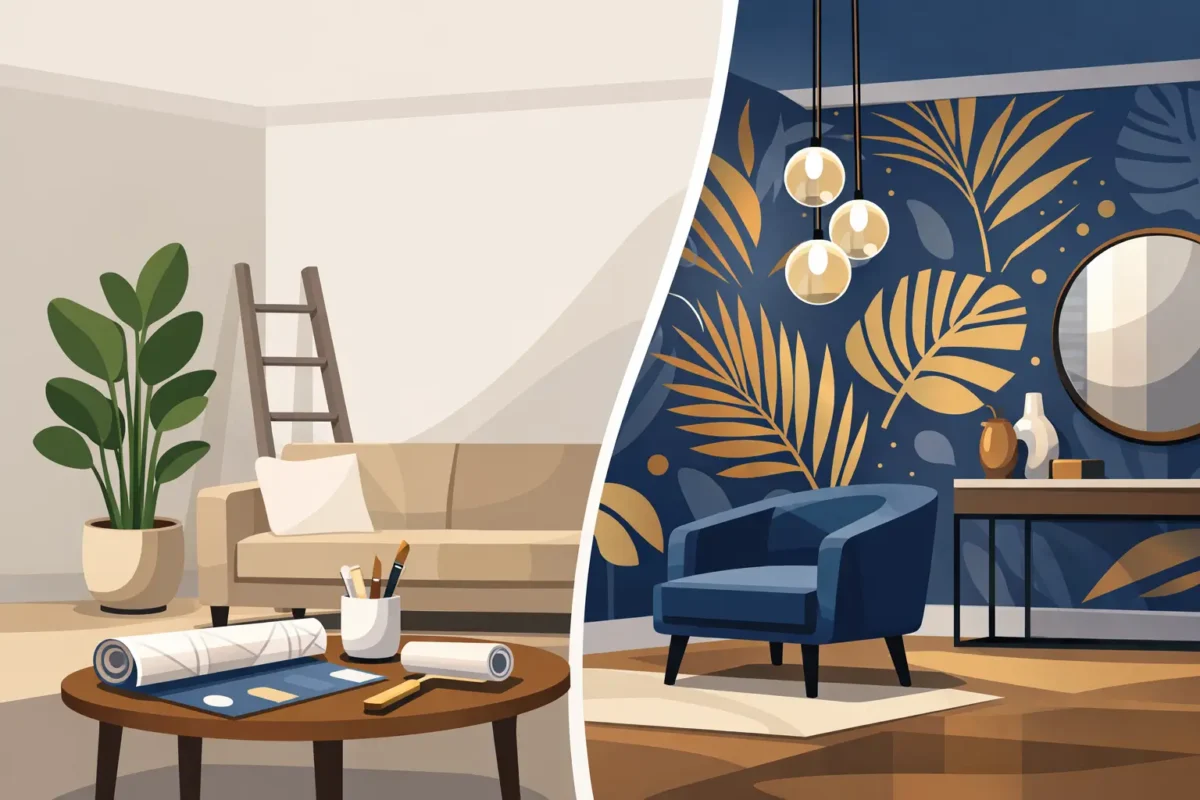
Among the most transformative wallpaper trends is the move toward custom murals. A mural can establish a setting in seconds: an abstract horizon behind a bed, a city-inspired composition in a corporate reception area, a soft watercolor landscape in a wellness space, or a branded graphic within a retail environment.
Unlike off-the-shelf artwork, a custom print can be sized to the exact wall dimensions and adapted around doors, windows, furniture, and architectural details. This precision changes the final result. The focal point remains intentional instead of appearing cropped by circumstance.
Advanced digital printing also expands the creative options. Original artwork, licensed imagery, brand graphics, and bespoke patterns can be produced with detailed color control and eco-friendly ink options. For projects that require a strong visual signature, custom murals offer more freedom than a standard repeat pattern.
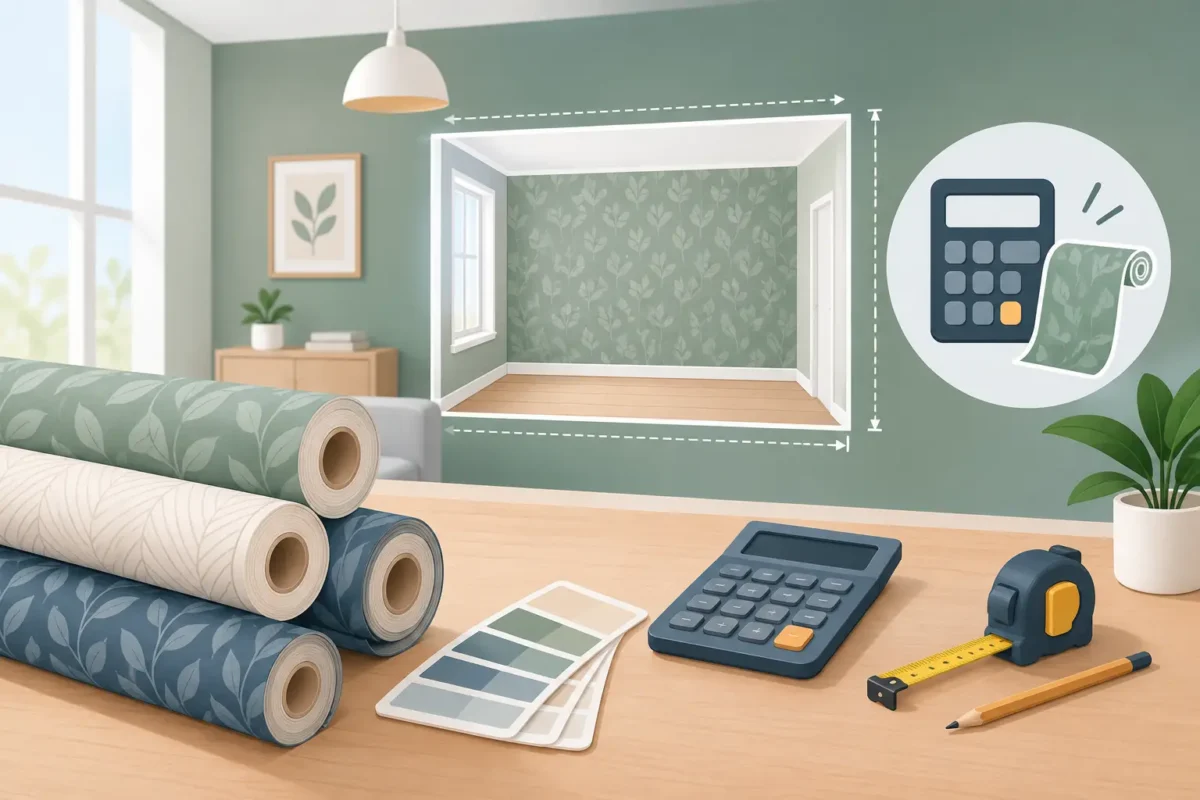
Still, custom does not automatically mean complicated. The key is having accurate site measurements, a clear understanding of viewing distance, and a professional team that can advise on image resolution, panel layout, substrate selection, and installation. A beautiful design deserves equally disciplined execution.
Minimal interiors are becoming warmer and more dimensional. Stark white and cool gray are giving way to oat, sand, mushroom, tobacco, terracotta, olive, and softened charcoal. These shades work because they are flexible: they can support contemporary architecture, classic furniture, Japandi-inspired spaces, and relaxed luxury alike.
Wallpaper gives these colors another layer of appeal. A warm neutral in a woven, metallic, plaster, or fabric-effect finish catches light differently from painted drywall. The result is understated but never empty.
This is an excellent direction for clients who want a premium interior without a highly visible pattern. In a condominium living room, executive office, or hospitality suite, a quiet textured wallpaper can make the room feel finished while allowing art, furniture, and lighting to carry their own presence.
Geometric wallpaper is also evolving. Sharp high-contrast grids are being joined by curved lines, arches, irregular stripes, layered forms, and tonal compositions. These patterns feel more architectural and less rigid, making them easier to live with over time.
A subtle geometric can bring order to a study, office, or retail setting. More expressive versions can energize a café, children’s space, or creative workplace. When selecting one, consider what the pattern needs to do. Horizontal movement can visually widen a room, vertical rhythms can emphasize height, and rounded forms can soften spaces dominated by straight-lined joinery.
The best wallcovering choice is never based on appearance alone. In high-touch or high-traffic environments, material performance is a design decision. Lobbies, corridors, restaurants, clinics, offices, and hospitality projects may require fabric-backed commercial wallpaper, washable surfaces, higher abrasion resistance, and specified fire-retardant properties.
These requirements should be addressed early, not after a design has been approved. A residential paper may look beautiful in a sample book but be unsuitable for a busy public-facing wall. Conversely, commercial-grade wallcoverings are available in sophisticated textures and patterns that do not compromise the intended aesthetic.
When evaluating a material, assess four practical factors: the wall condition, expected traffic, cleaning needs, and project compliance requirements. A professional recommendation should account for all four, along with humidity, direct sun exposure, and the complexity of the installation area.
Trends should be used as direction, not as a shortcut. The most successful interiors borrow from what is current while remaining faithful to the building, the people using it, and the desired lifespan of the design.
Start with the atmosphere the room needs to create. A home office may benefit from a calm, structured texture that supports concentration. A dining room can carry deeper color and more visual drama because it is used differently and often enjoyed in lower evening light. A hotel corridor needs durable material and a pattern that repeats gracefully across distance.
Then consider permanence. If you enjoy frequent seasonal changes, use a strong print in a smaller room, powder room, niche, or one focal wall. For major open-plan areas, investment properties, and commercial locations, a layered neutral or timeless mural concept is often the wiser long-term choice.
Finally, view samples in the actual space. Light can shift a color dramatically from morning to evening. Place the sample beside flooring, cabinetry, fabrics, and paint colors before finalizing the selection. This simple step prevents expensive surprises and gives the installation a more cohesive result.
Decorating Depot approaches wallcoverings as both a creative finish and a technical surface solution, bringing together extensive design choice, custom production, project-grade materials, and professional installation expertise. Whether the goal is a quietly luxurious residence or a high-impact commercial setting, the right wallcovering should look exceptional on day one and continue performing beautifully long after the project is complete.
Choose the trend that gives your space a stronger identity, then specify the material and installation quality that allow that identity to endure.