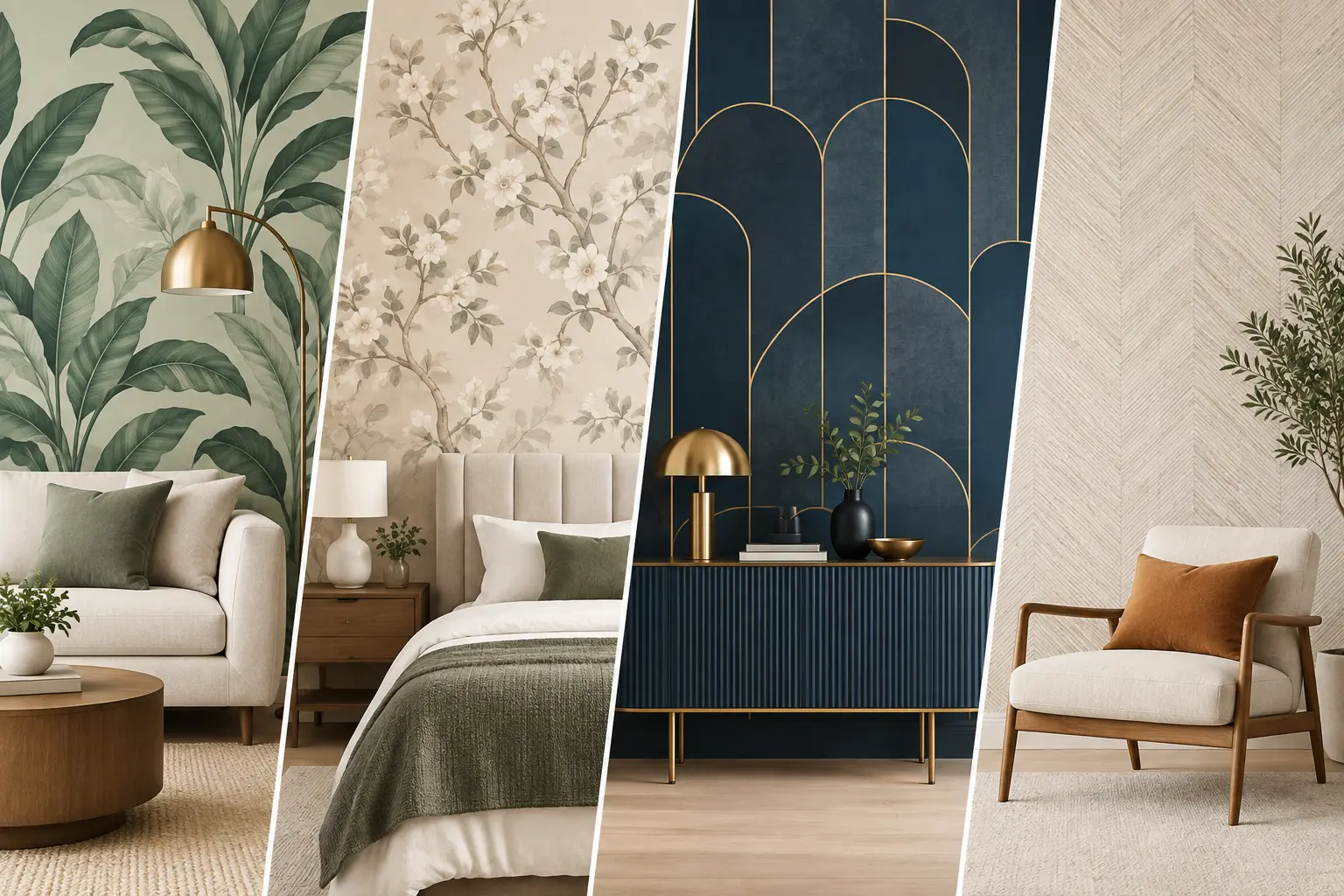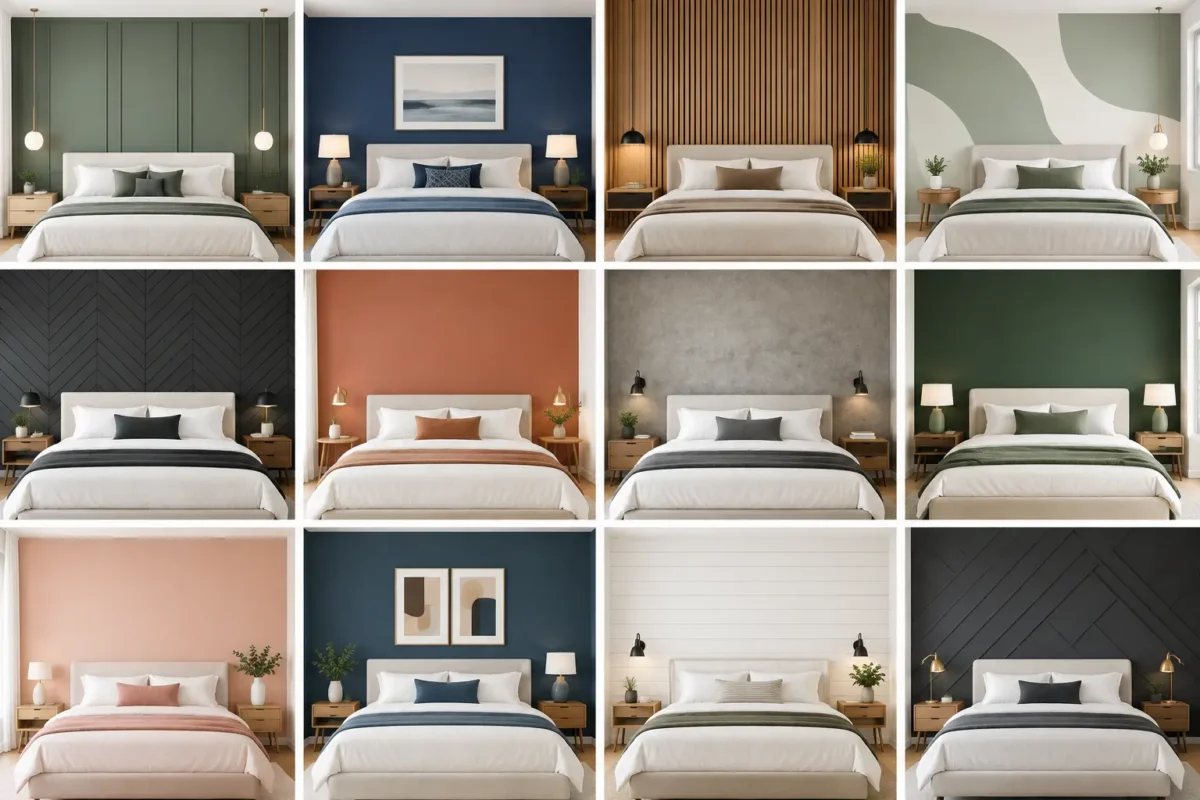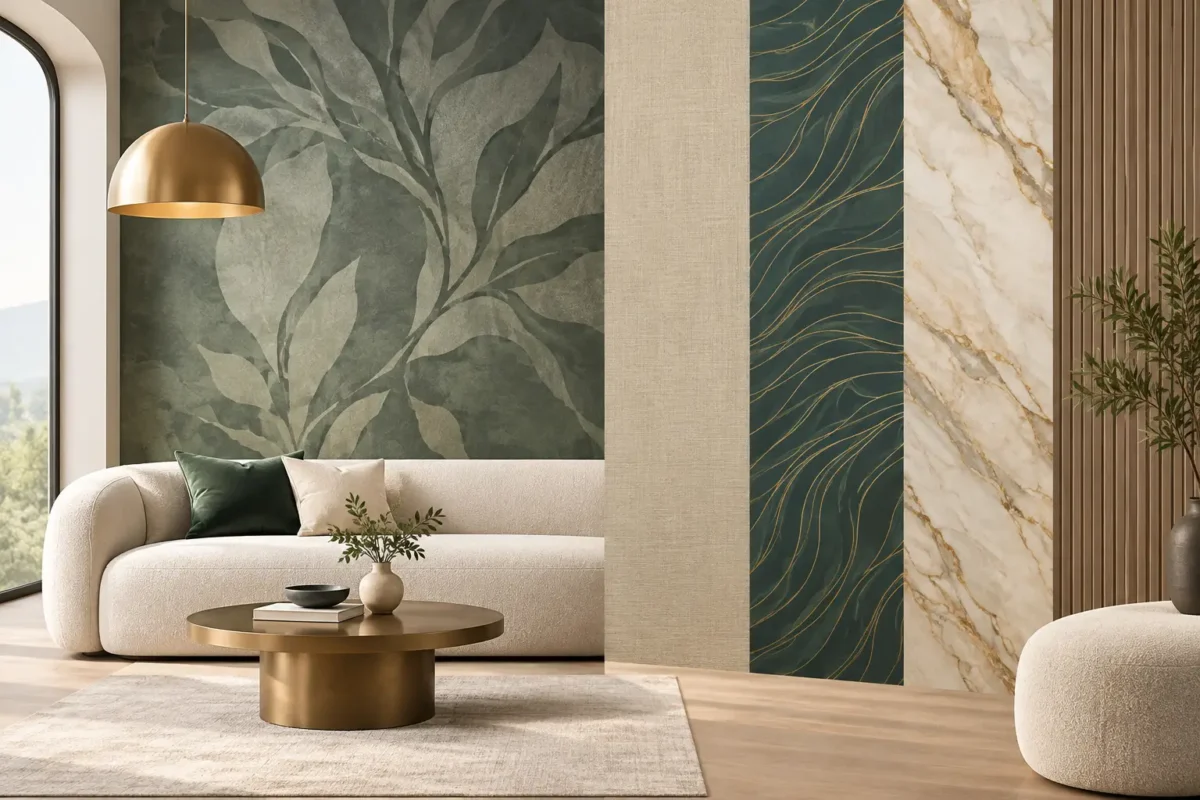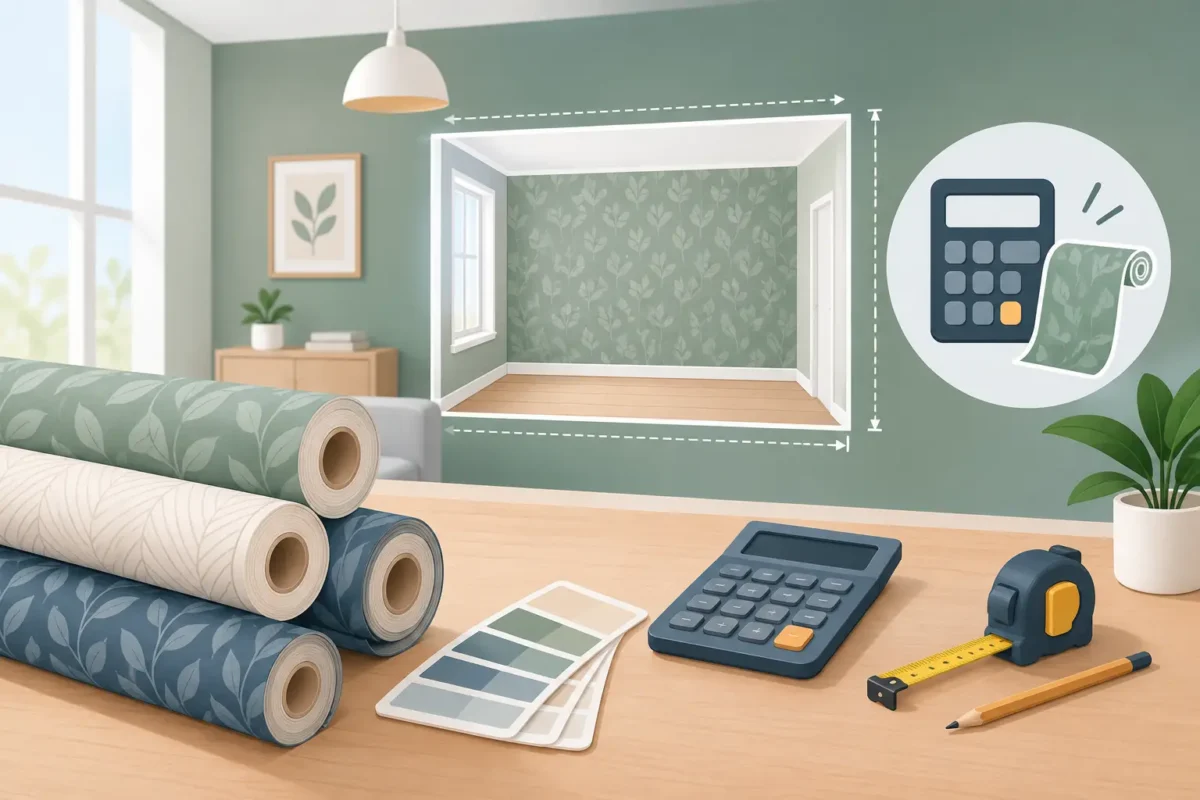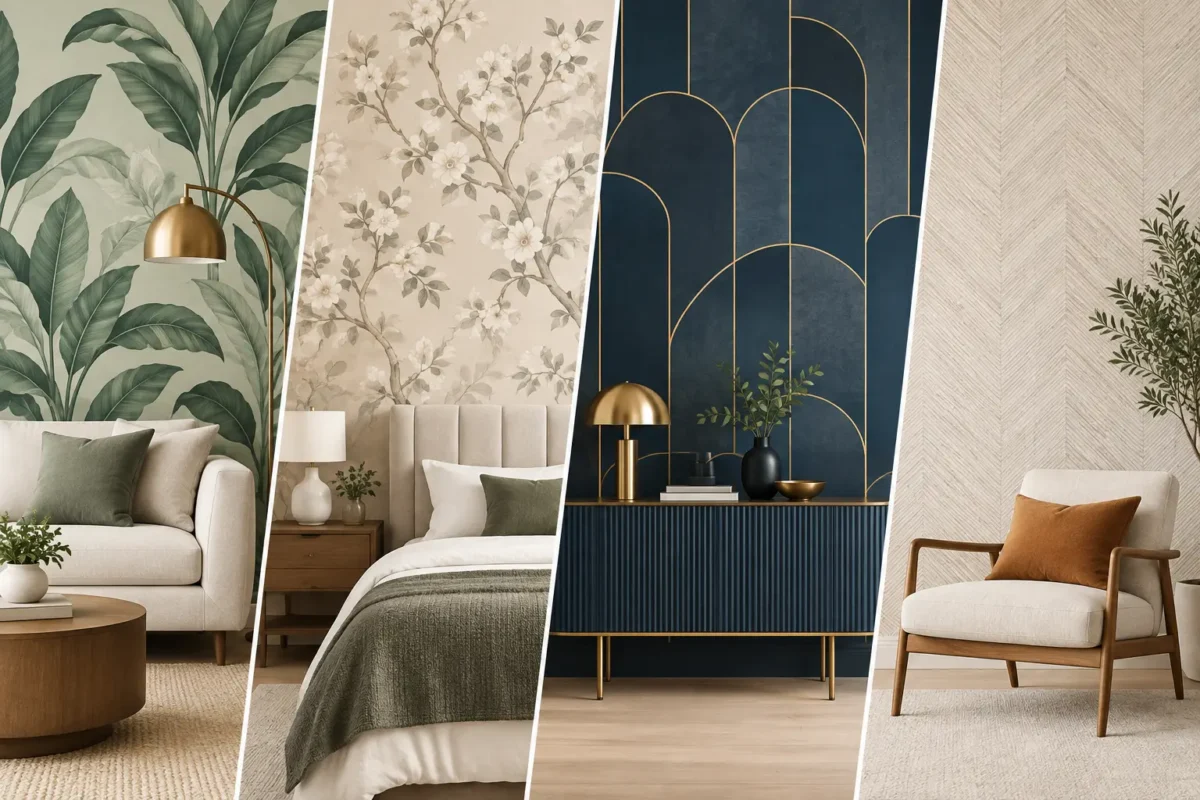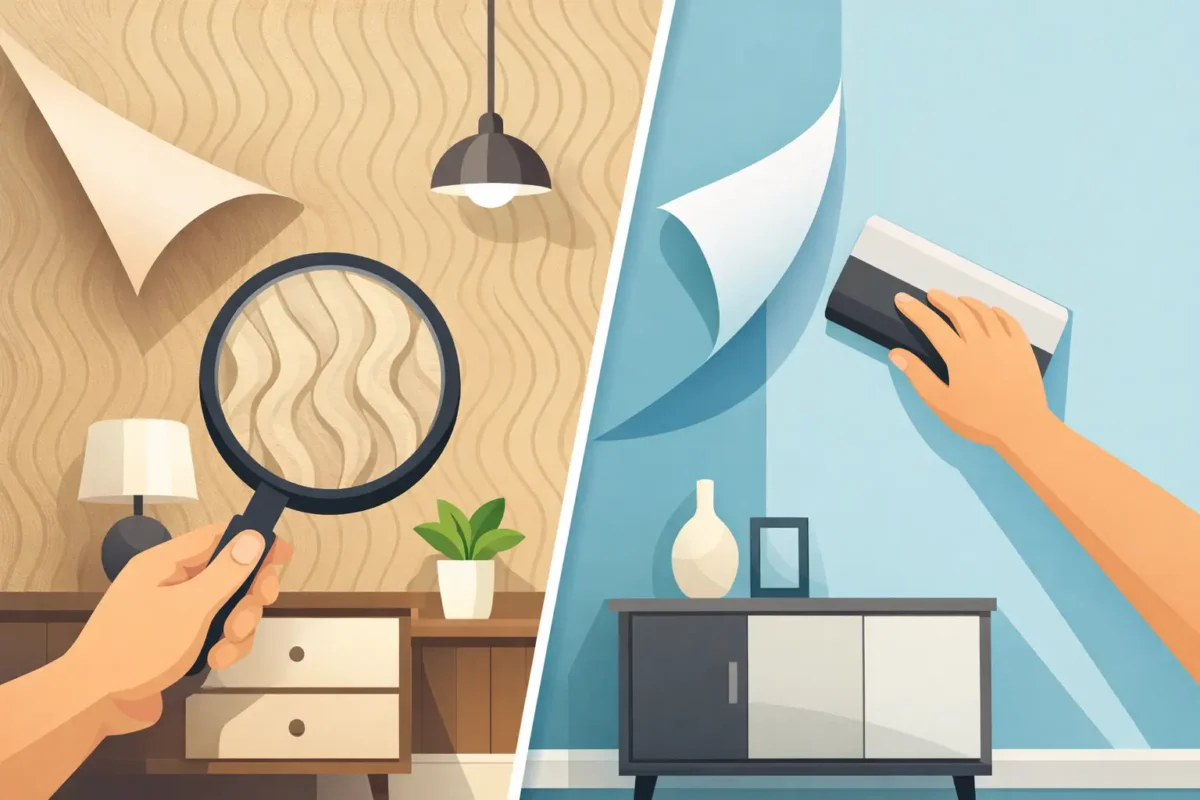
A wall can do far more than complete a room. It can establish a hotel’s sense of arrival, give a retail store a recognizable identity, soften a high-rise residence, or bring visual depth to an otherwise restrained office. The top designer wallpaper styles are defined not only by pattern, but by their ability to suit the scale, lighting, function, and performance requirements of a space.
For homeowners and project professionals alike, the strongest choice is rarely simply the boldest print. It is the wallcovering that creates the intended atmosphere while standing up to real use, maintenance demands, and installation conditions. From quiet textured finishes to fully bespoke murals, these are the styles shaping more considered interiors.
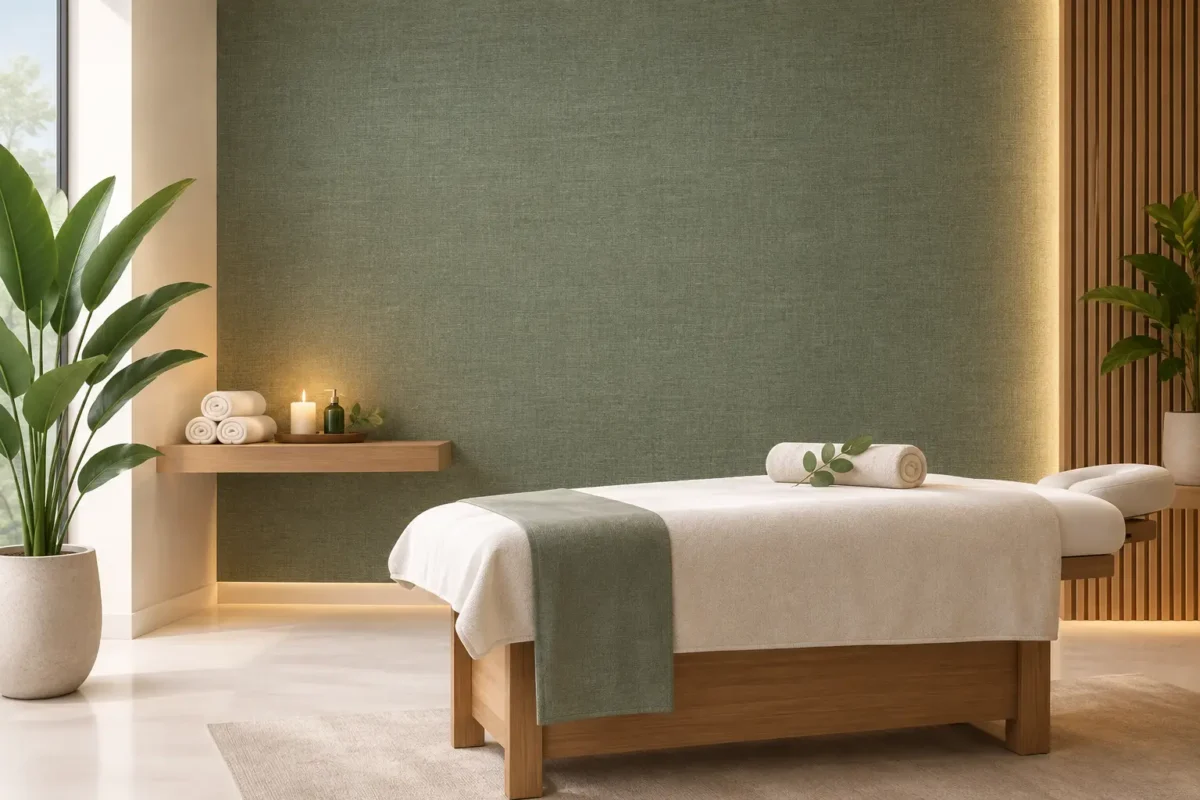
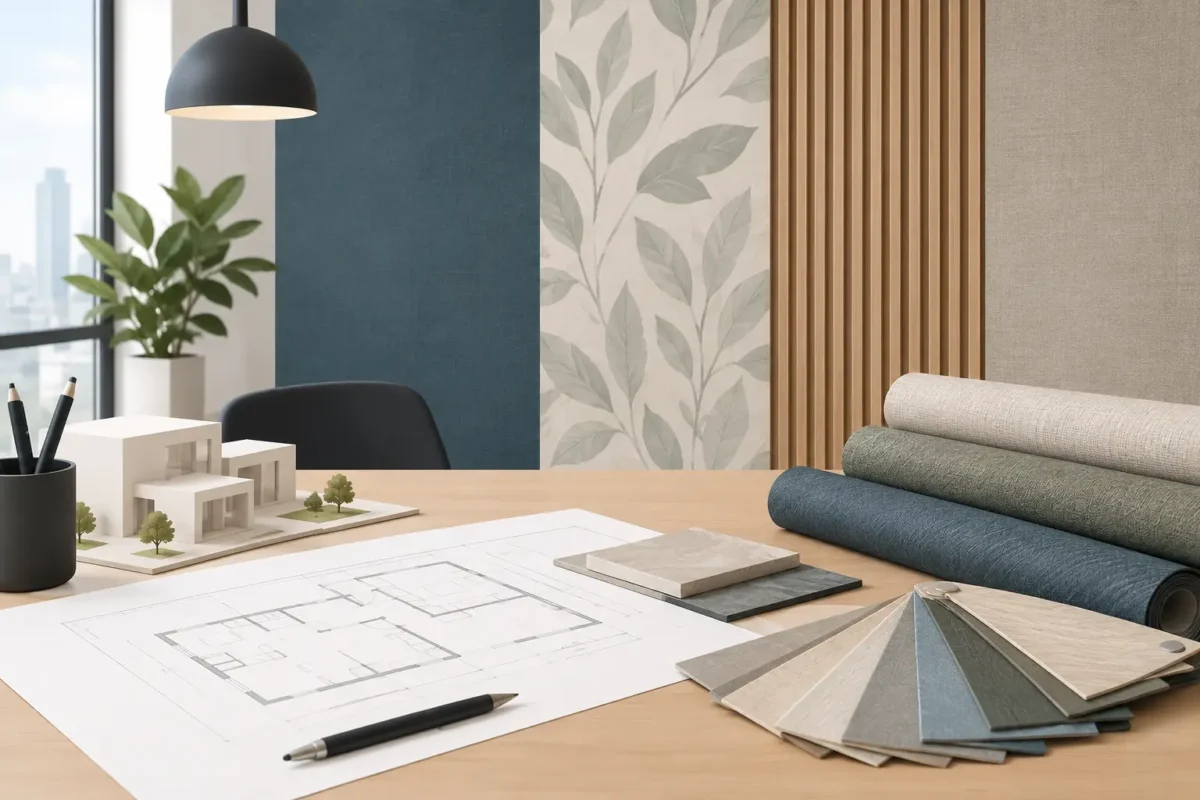
Textured neutral wallpaper is a foundation material for refined interiors. Think linen weaves, grasscloth-inspired effects, fine plaster, raw silk, concrete, or softly mottled mineral surfaces. These designs create dimension without competing with furniture, artwork, or architectural details.
This style works particularly well in living rooms, bedrooms, executive offices, corridors, and hospitality suites where the desired result is calm but never flat. Warm sand, stone, taupe, charcoal, and soft gray remain versatile choices, while deeper tobacco and clay tones bring more intimacy to large rooms.
The key trade-off is visual subtlety. A fine texture can look exceptional in person but may disappear in a poorly lit room or on a distant feature wall. Requesting a larger sample and viewing it under the project’s actual lighting will help reveal the true depth of the finish.
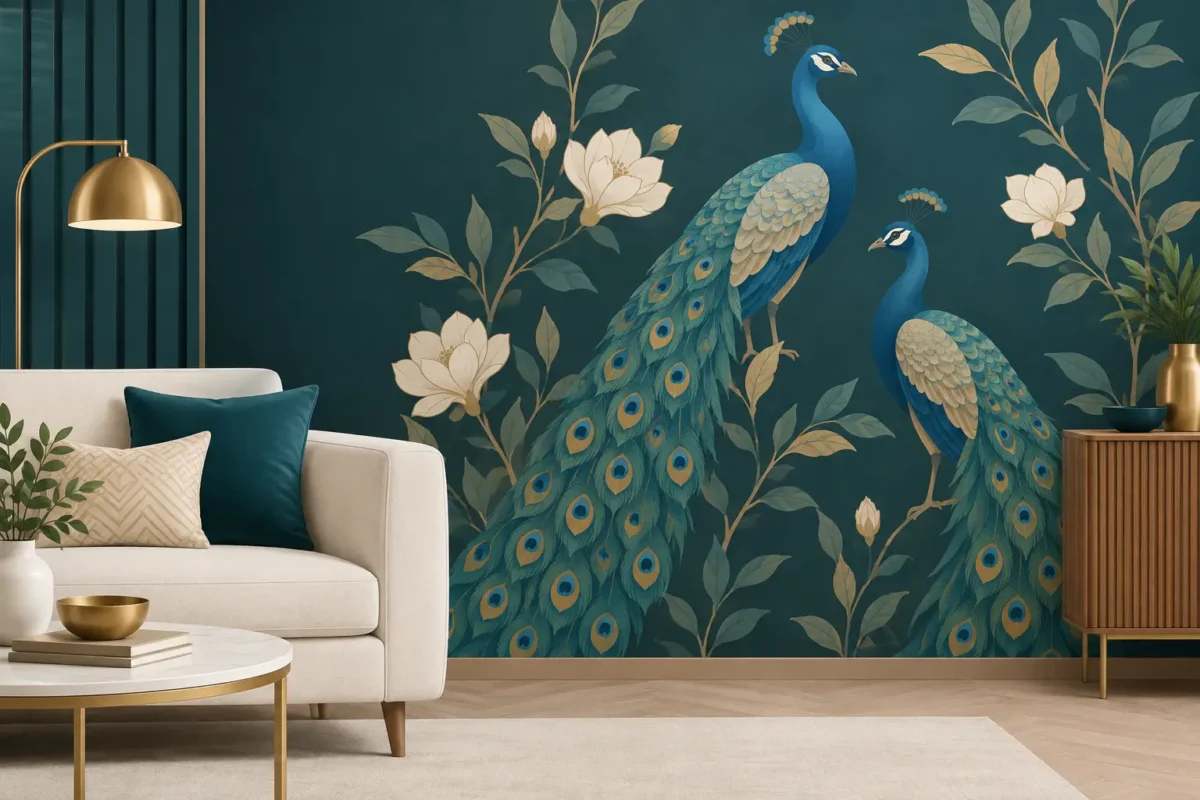
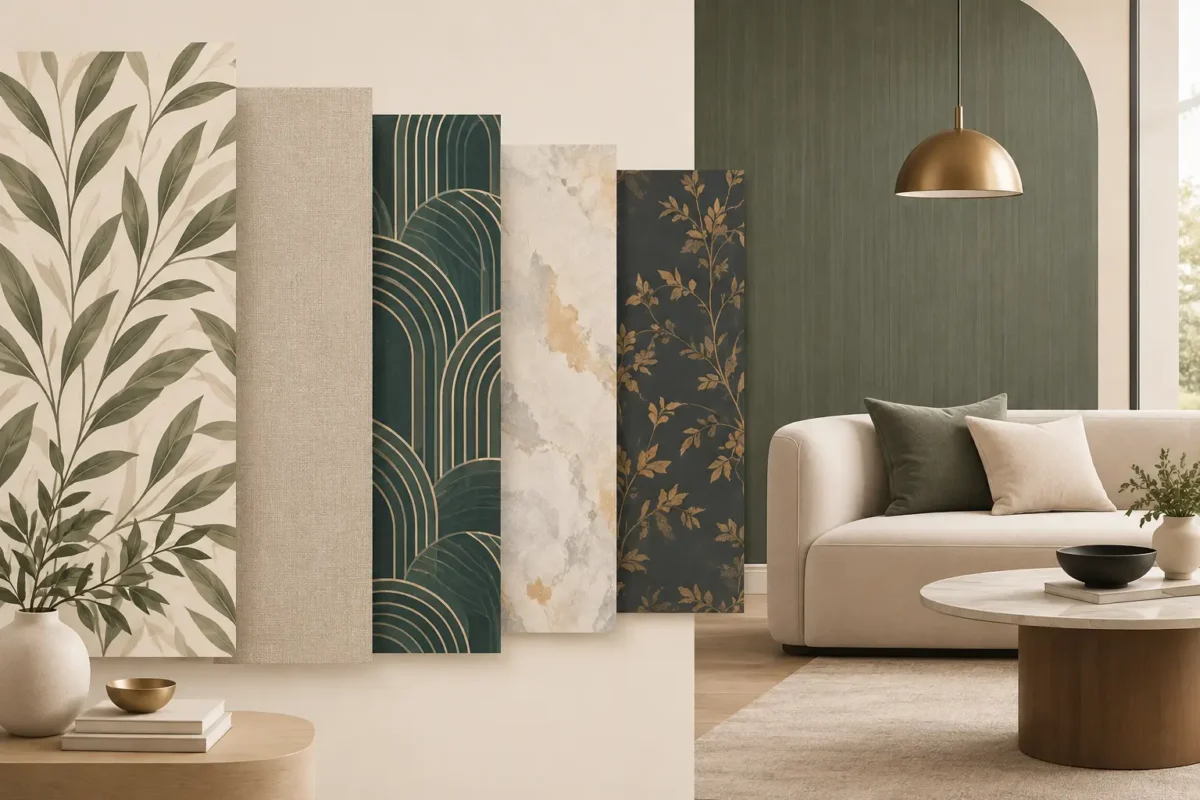
Botanical wallpaper has moved well beyond delicate floral repeats. Current designer interpretations include oversized tropical leaves, hand-painted branches, layered palms, abstract foliage, and garden-inspired compositions with a mural-like scale. They bring a sense of life to interiors that need softness, movement, and a more memorable point of view.
In residences, botanical designs are especially effective behind a bed, in a powder room, or across a dining room wall. In restaurants, wellness spaces, hotels, and cafés, they can create an immediate emotional connection with the guest experience. A dark-ground botanical can feel dramatic and enveloping, while pale green or neutral foliage offers a quieter, more restorative direction.
Pattern scale matters. Large leaves in a compact room can look intentional when used on one wall, but covering every surface may make the space feel crowded. Smaller rooms often benefit from a single feature wall, a coordinated mural panel, or a lighter colorway that keeps the room open.
Geometric wallpaper delivers structure. Arches, grids, interlocking lines, hexagons, fan patterns, and Art Deco-inspired repeats give interiors a clear sense of rhythm. This is a natural choice for reception areas, lounges, corridors, retail displays, and contemporary homes where the architecture needs visual reinforcement.
The most successful geometric designs balance precision with warmth. A metallic line on a matte ground can catch changing light without overwhelming the room. Curved forms can soften angular furniture, while a disciplined grid can make a wide wall or double-height space feel more ordered.
Installation quality is especially visible with this category. Misaligned joins, uneven starting points, or poorly planned pattern matching can interrupt the entire effect. For high-visibility walls, professional measurement, surface preparation, and installation are part of the design decision, not an afterthought.
Painterly wallpaper introduces movement without demanding a literal theme. Watercolor washes, layered brushstrokes, cloud-like gradients, ink effects, marbling, and abstract landscapes can create a custom-art feeling across an entire wall. It is an excellent option for clients who want visual impact but prefer something less formal than a repeating pattern.
Abstract styles suit feature walls, boardrooms, boutique hotel rooms, dining spaces, and upscale apartment interiors. Blue-gray washes can add a composed, architectural mood; warmer terracotta, burgundy, and ochre tones bring energy and character. The style also works well where a room has limited space for framed art.
Because these designs often contain tonal variation, they are forgiving of everyday visual interruptions such as switches, vents, and built-in joinery. However, color control is essential. Confirm how the selected design relates to flooring, upholstery, timber, stone, and lighting temperature before committing to a full wall.
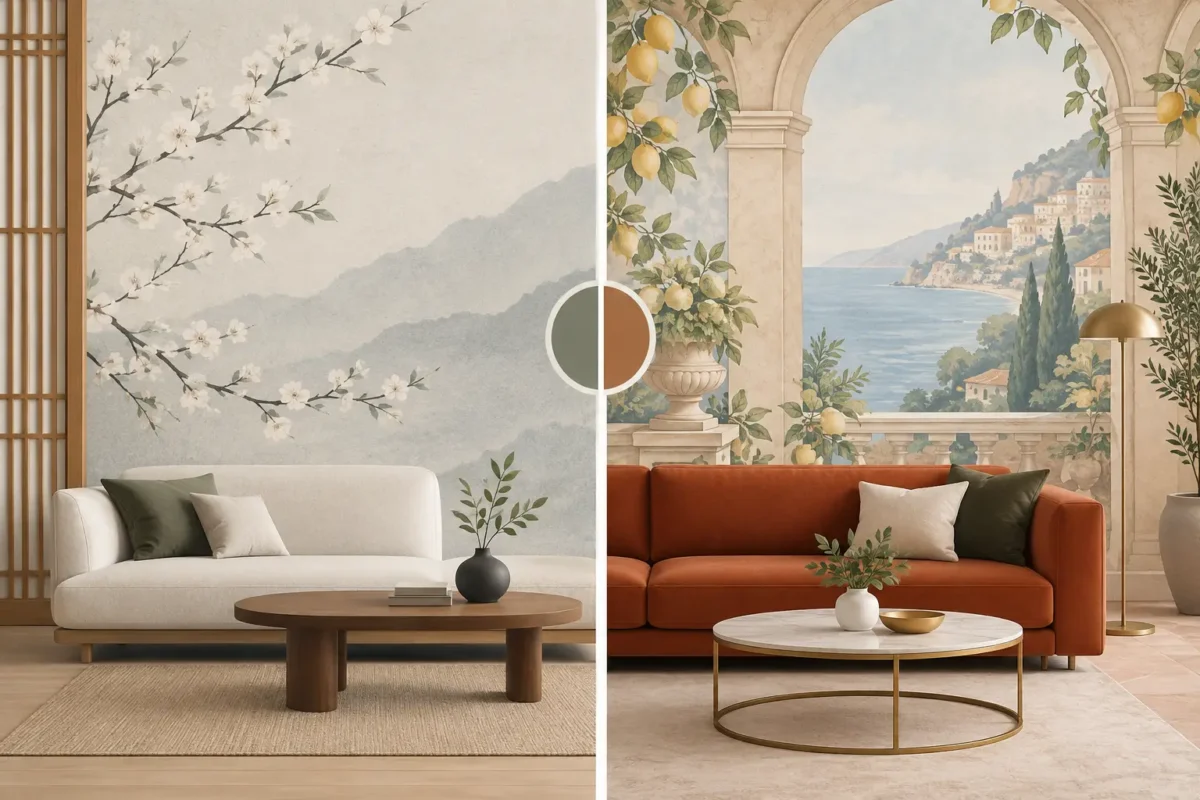
Heritage patterns bring depth, craftsmanship, and a collected quality to contemporary interiors. Damasks, toile scenes, refined florals, scenic landscapes, and chinoiserie-inspired branches are being used with cleaner furniture profiles and more restrained palettes, producing rooms that feel timeless rather than overly traditional.
A scenic wallpaper can transform a dining room, formal lounge, private club area, or luxury bedroom into a destination. The style is particularly effective when the pattern is given room to breathe, with thoughtful placement around doors, windows, and cabinetry. Rich jewel tones create a more theatrical result, while soft ivory, faded blue, and muted sepia feel elegant and composed.
This is a style where material quality makes a visible difference. Fine linework, tonal layering, and detailed motifs require crisp printing and careful color reproduction. On a commercial project, specify a wallcovering grade appropriate to traffic levels, cleaning protocols, and relevant safety requirements.
Material-effect wallpaper offers the character of natural surfaces with greater flexibility in weight, cost, and installation. Designs can replicate veined marble, travertine, aged timber, woven cane, concrete, oxidized metal, leather, and hand-troweled plaster. Used well, they add architectural presence where real materials may be impractical.
A stone effect can elevate a lobby, bedroom headboard wall, or retail interior without the load and complexity of stone cladding. Wood and cane effects add warmth to meeting rooms, cafés, and residential spaces, while concrete and metal finishes support a more industrial or contemporary commercial aesthetic.
Not every material effect should aim for perfect realism. Some of the strongest options are clearly decorative interpretations, with exaggerated texture, enlarged veining, or unexpected color. The decision depends on the project. For a calm, luxurious setting, subtle realism may be best. For a branded retail or hospitality concept, a stylized surface can create a stronger signature.
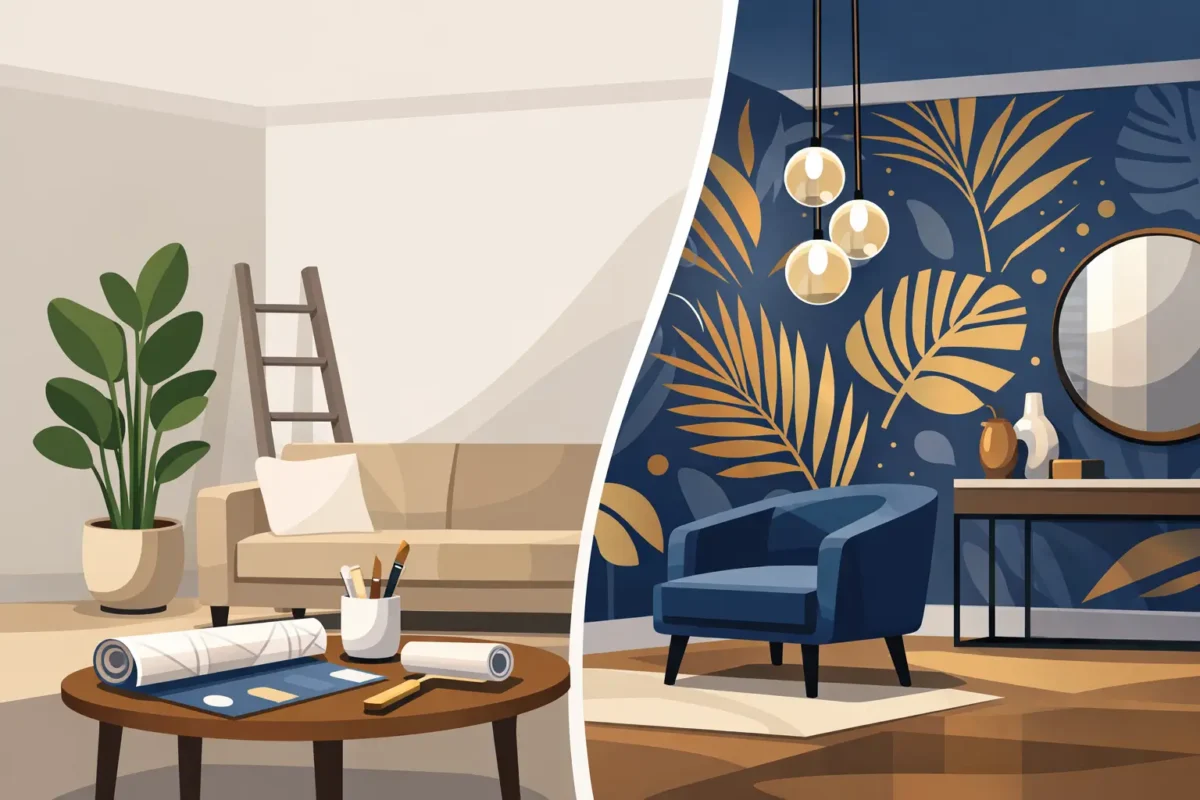
Custom murals are among the most powerful designer wallpaper solutions because they are built around the room rather than fitted into it afterward. A mural can feature an original landscape, cityscape, illustration, abstract composition, archive-inspired artwork, brand motif, or a personalized design sized precisely for the wall.
For hospitality and commercial settings, custom wallcoverings can carry a story through a reception area, guest corridor, restaurant, showroom, or meeting space. They can incorporate brand colors and visual language without feeling like oversized signage. In homes, a bespoke mural can turn a child’s room, entertainment area, study, or primary bedroom into a more personal environment.
The advantage is freedom, but custom work requires clear planning. Wall dimensions, panel breaks, furniture placement, ceiling height, and focal points should be considered before artwork is finalized. High-resolution production, color proofing, eco-friendly ink options, and skilled installation are essential to preserving the intended result.
Design is only one part of the specification. A powder room, busy hotel corridor, restaurant booth area, and family living room all place different demands on a wall finish. Fabric-backed commercial wallcoverings may be the better choice for high-traffic spaces because they offer enhanced durability and easier maintenance. Where fire performance is required, project specifications should address appropriate fire-retardant standards from the start.
For residential projects, washable surfaces can offer practical reassurance in entryways, dining areas, and children’s spaces. For bespoke murals, confirm that the wall is dry, smooth, properly primed, and free from existing defects that could show through the finished surface. The best design can lose impact if the substrate and installation are not handled correctly.
At Decorating Depot, wallpaper selection can be approached as a complete design and technical decision: pattern, material, customization, room conditions, and professional installation working together. This matters most when a wallcovering is expected to carry the visual identity of an entire space.
A well-chosen wallpaper should still feel right after the first impression has passed. Start with the atmosphere you want people to remember, then select a finish engineered to support that feeling for years to come.