A feature wall can look effortless once it is installed, but the pricing behind it is anything but random. Custom printed wallpaper cost is shaped by a mix of design, material, wall condition, print method, and installation standard. If you are planning a home statement wall, a branded office interior, or a hospitality project, understanding those cost drivers helps you budget with clarity and avoid expensive compromises.
Custom print wallpaper sits in a different category from off-the-shelf rolls. You are not only paying for surface coverage. You are paying for personalization, scale accuracy, image preparation, color control, substrate performance, and the finish quality that makes the final wall feel intentional rather than improvised. That difference matters, especially in premium residential and commercial spaces where visual impact and durability need to work together.
The biggest factor is usually wall size. A small bedroom feature wall and a double-volume lobby naturally require very different production volumes, and most suppliers price custom work by square foot or square meter. Larger walls can sometimes improve value per unit, but they still raise the overall project total because more material, printing time, and installation labor are required.
Material selection is the next major driver. Entry-level printable wallpaper may suit low-traffic residential spaces, while fabric-backed vinyl or commercial-grade wallcoverings are often better for offices, hotels, retail stores, and public-facing environments. These premium substrates cost more, but they bring stronger resistance to scratches, easier maintenance, and better long-term appearance. If the wall needs to perform in a busy environment, the material upgrade is usually justified.
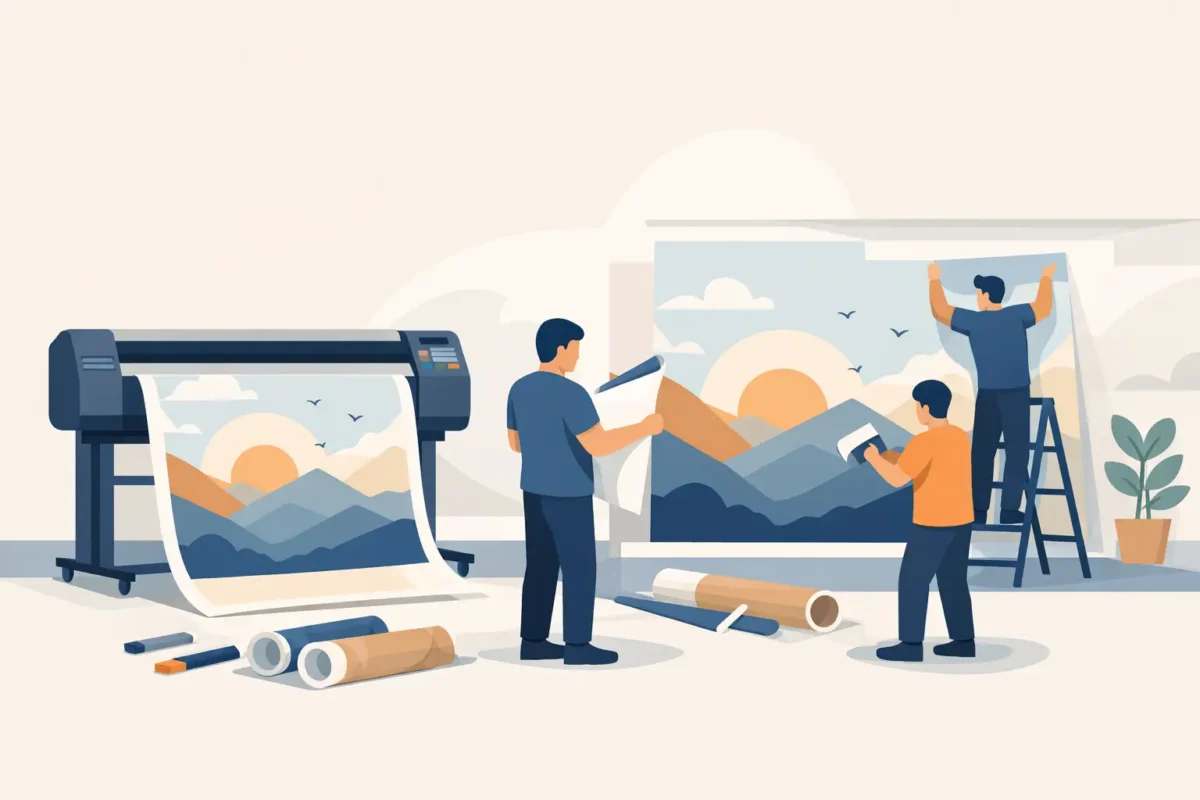
Print quality also changes the price. High-resolution output, better color accuracy, and specialized ink systems produce a richer result, particularly for murals, branded interiors, and photographic artwork. A custom print that looks sharp from close range is more demanding than a simple repeating pattern. If the wall is designed to impress guests, clients, or customers, print precision is not an area to treat lightly.
Artwork preparation can add cost as well. Some clients arrive with production-ready files. Others need image sourcing, scaling, retouching, layout adjustment, or full design support. That creative work is part of the finished product. A beautiful custom wall rarely happens by pressing print on a low-resolution image.
For residential projects, custom printed wallpaper cost often stays more manageable when the application is focused on one or two statement walls. Bedrooms, living rooms, dining areas, nurseries, and stairwells are common choices. In these spaces, clients are usually balancing visual impact with budget, so substrate choice and artwork complexity play a large role.
Commercial projects are priced differently because the performance standard is higher. Offices may need cleaner branding, more durable finishes, and minimal maintenance. Retail environments often want stronger visual identity with materials that hold up under heavier traffic. Hospitality spaces may require fire-rated options, dependable color consistency across larger surfaces, and a finish quality that aligns with the rest of the interior specification. The result is a higher cost range, but also a more engineered solution.
Developers and architects also need to think beyond the immediate print price. Lead time, consistency across multiple units, coordination with site conditions, and installation reliability all affect the real project cost. A lower quote can become expensive if panels do not align properly, material arrives late, or rework delays handover.
When clients ask why one custom wallpaper quote is significantly higher than another, the answer is often in the substrate. Smooth printable media may work for decorative use in a controlled residential setting, but it is not the same as a heavier commercial-grade wallcovering designed for impact resistance and easier cleaning.
Vinyl surfaces are popular because they combine design flexibility with practical performance. Fabric-backed wallpaper is especially relevant for commercial and hospitality applications where durability matters. Premium materials also tend to install better, sit flatter on the wall, and maintain their finish over time. In other words, higher material cost often protects the visual investment.
There is also a sustainability and safety layer to consider. Eco-friendly ink systems, low-odor printing, and fire-retardant options may raise pricing, but they are increasingly expected in premium homes, offices, and public environments. For many projects, these are not upgrades. They are part of the specification.
A custom wallcovering can be beautifully designed and expertly printed, then ruined by poor installation. That is why installation should be treated as part of the core budget, not an optional add-on to trim at the end.
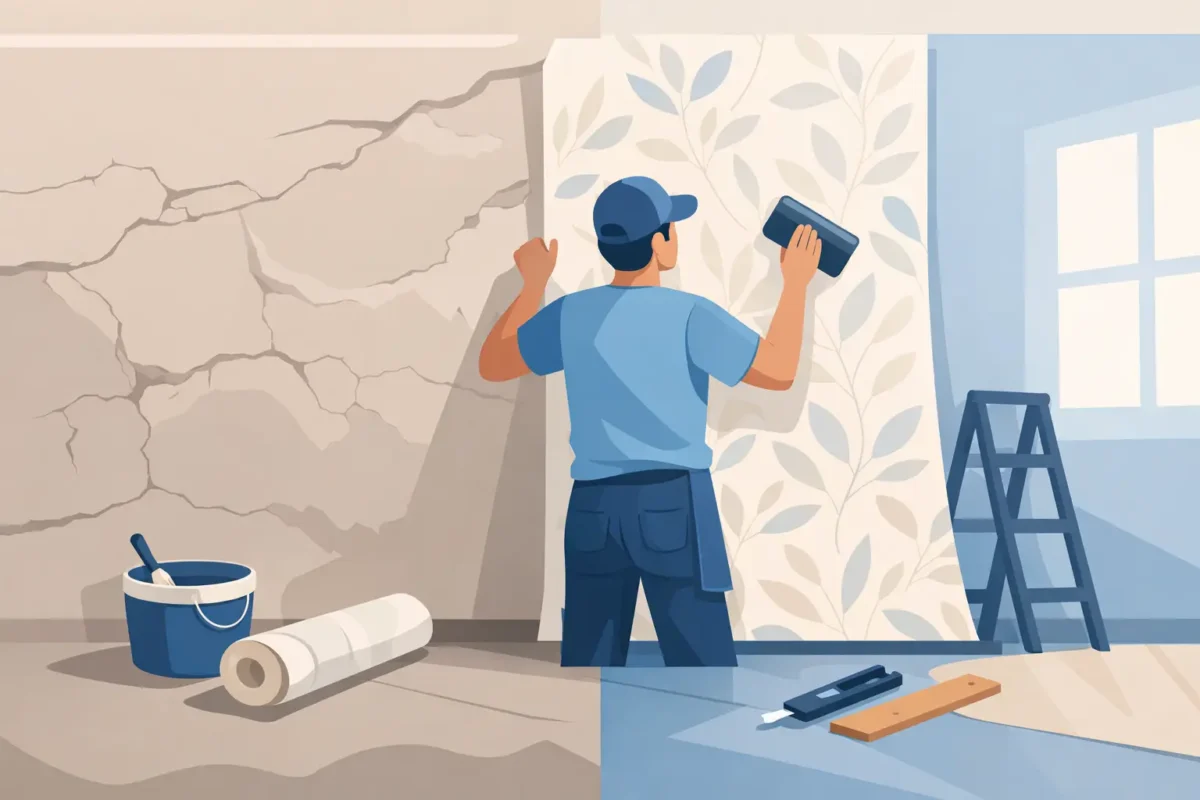
Professional installation pricing usually depends on wall size, wall height, site access, surface condition, and pattern or panel complexity. Straightforward walls cost less to install than curved surfaces, high stairwells, columns, or walls interrupted by many doors, windows, and built-in elements. If old wallpaper removal, skim coating, or wall repair is needed, preparation costs will also increase.
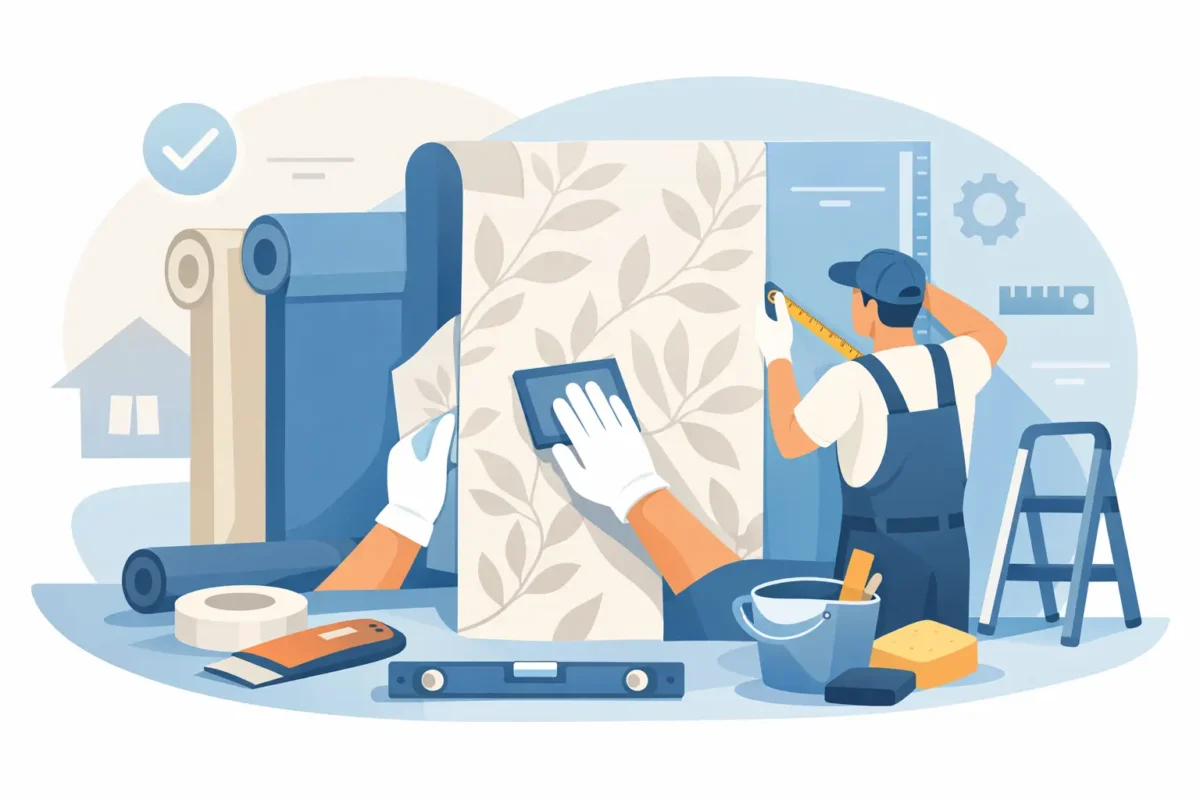
This is where premium suppliers tend to justify their value. Accurate site measurement, proper substrate recommendation, and experienced installation reduce the risk of bubbling, lifting edges, panel misalignment, or color mismatch. Those issues are expensive to fix once the material is on the wall.
There is always a cheaper option on paper. The question is what has been removed to achieve it.
Lower pricing may mean thinner material, lower print resolution, weaker adhesive compatibility, limited design support, or installers without specialist experience in custom murals. On a phone screen, two quotes may look similar. On a full-height wall under interior lighting, the difference becomes obvious.
Commercial buyers already understand this in other finish categories. A wall surface is no different. If the wallpaper fades quickly, stains too easily, or shows visible panel joins in key areas, the wall stops feeling premium. Replacement and downtime then become the real hidden cost.
For homeowners, the trade-off is often emotional as much as financial. A custom wall is usually chosen to create a standout room, not just to cover paint. If the final finish looks generic or poorly executed, the investment loses its point.
The smartest approach is to budget in layers rather than search for a single flat number. Start with the wall dimensions, then define the environment. Is this a decorative bedroom feature, a branded office reception, a restaurant wall, or a hotel corridor? The intended use will guide the right material.
Next, consider the artwork. A simple graphic pattern is easier to produce than a full mural with exact scaling, branding, or photographic detail. Then factor in installation conditions. Clean, flat walls in an accessible room are one thing. Double-height walls or active commercial sites are another.
If you are comparing suppliers, ask what the quote actually includes. Does it cover site measurement, file checking, color proofing, trimming, delivery, and installation? Is the substrate residential or commercial grade? Are the inks suitable for indoor use? Premium pricing is easier to assess when the scope is transparent.
For clients who want both design impact and dependable performance, a showroom-led consultation is often the fastest way to narrow the options. A specialist can match the visual brief with the correct material category and help prevent overspending in the wrong area. At Decorating Depot, this is where design ambition and technical suitability meet.
Custom printed wallpaper cost makes the most sense when the wall needs to do more than decorate. It is worth the investment when the space needs identity, scale, and finish quality that standard wallpaper cannot provide. That could mean a residence with a signature feature wall, a retail concept that needs brand presence, or a hospitality interior where atmosphere is part of the business model.
It is also worth it when durability matters. A high-performing wallcovering that stays attractive with regular use often delivers better value than a cheaper finish that needs replacement much sooner. Premium interiors are not defined by appearance alone. They are defined by how well that appearance holds up.
The best custom wall projects are not the ones with the lowest initial price. They are the ones where design, material, print quality, and installation are aligned from the start. When those pieces come together, the wall does what it should – transform the room, support the brand, and justify every square foot.