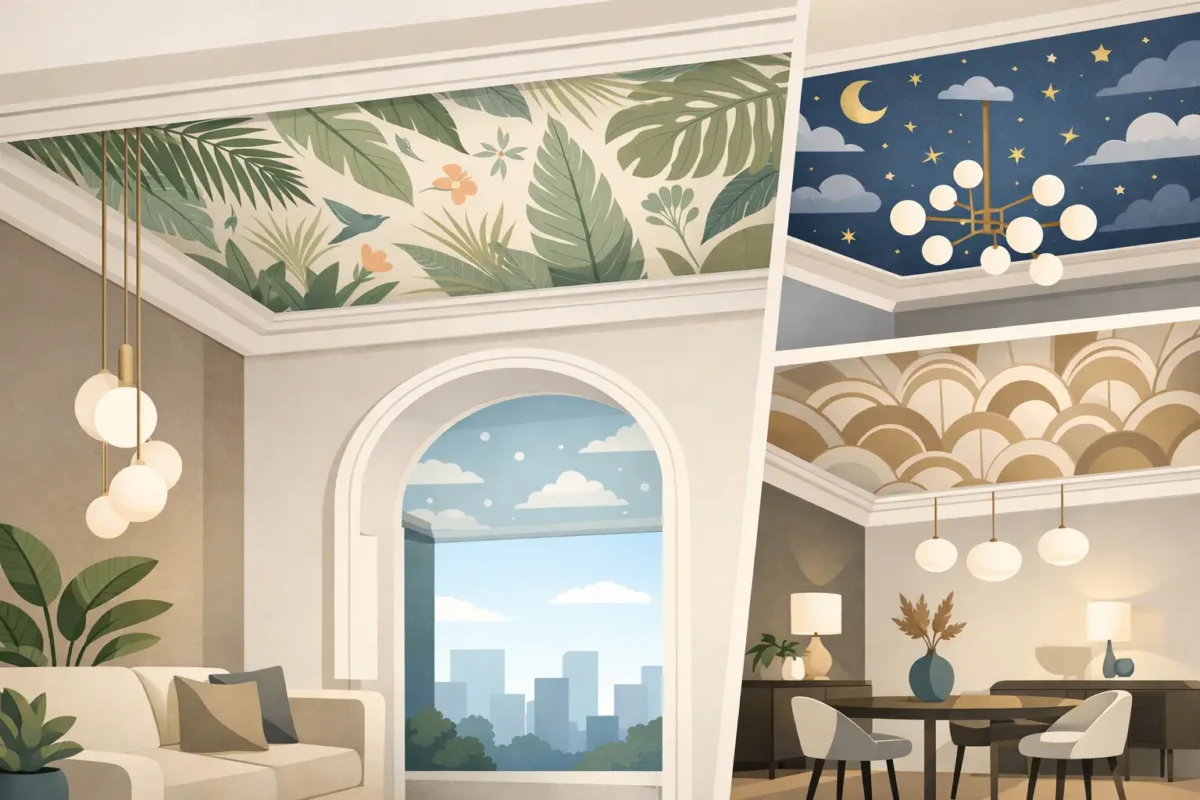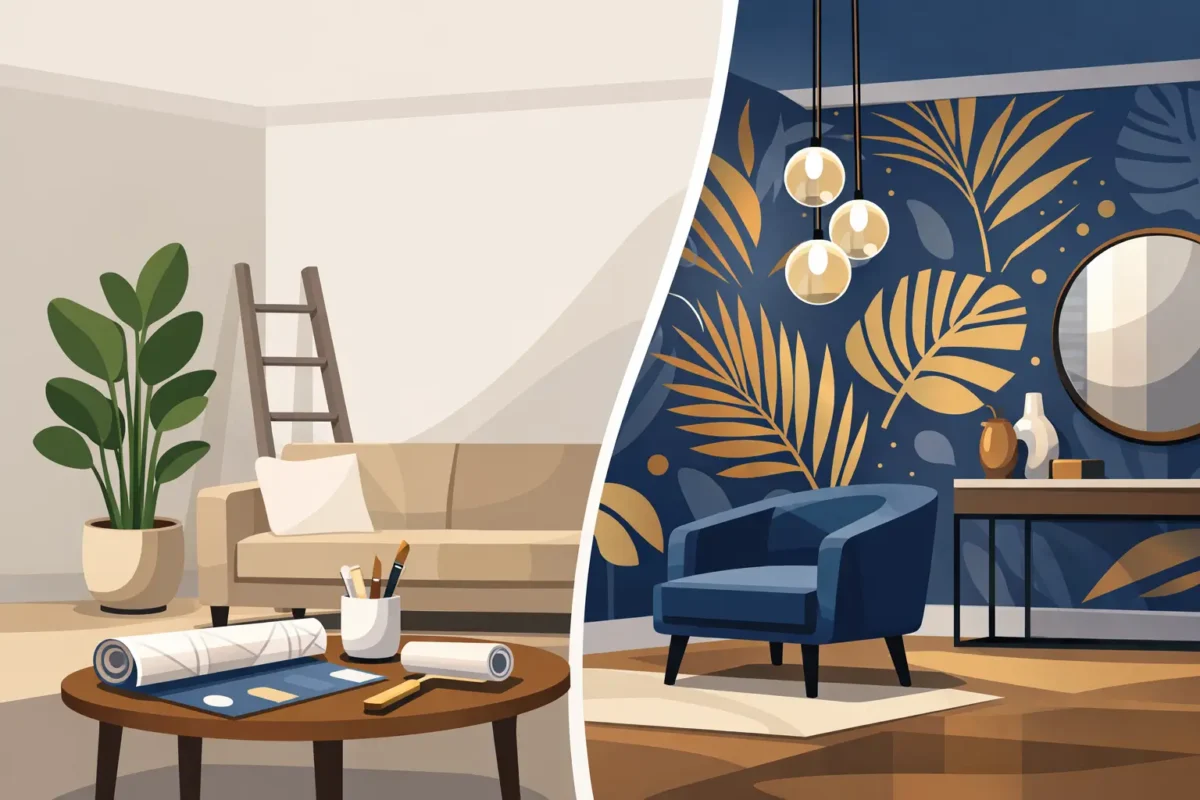
A lobby wall can look exceptional on opening day and still fail the project six months later. Scuffs at elevator banks, repeated cleaning in guest corridors, humidity near washrooms, and rolling luggage in hospitality spaces all place demands on a finish that residential wallpaper may not be designed to handle. This guide to project grade wallcoverings explains how to specify a surface that delivers visual impact while meeting the practical expectations of a busy interior.
Project-grade wallcoverings are engineered for environments where walls receive regular contact, cleaning, and scrutiny. They are commonly specified for hotels, offices, retail stores, healthcare settings, restaurants, multifamily developments, and high-traffic residential spaces.
The difference is not simply a thicker material. A project-ready specification considers the full performance profile: dimensional stability, surface durability, cleanability, fire performance, installation method, substrate condition, and the ability to maintain a consistent finish across a larger area. The right material should support the design concept without becoming a maintenance concern for the operator or facilities team.
Fabric-backed vinyl is a frequent choice for commercial interiors because it pairs a resilient vinyl face with a stable fabric backing. It is designed to withstand more demanding use than many decorative papers and can offer excellent resistance to scuffing and everyday abrasion. Yet it is not automatically the right answer for every project. A boutique guest room, a private dining room, and a branded retail feature wall may each call for a different balance of texture, print detail, cost, and durability.
A successful specification begins with how the space will be used. A striking mural may be perfect behind a reception desk, where it remains largely out of reach. That same finish may be less suitable along a narrow hallway where carts, bags, and shoulders repeatedly brush against the wall.
Consider traffic, cleaning routines, humidity, lighting, and the length of time the interior is expected to remain in service. In a hotel, corridor walls need a material that can tolerate frequent contact and routine cleaning. In a retail store, the priority may be brand expression, rapid refresh cycles, and the ability to coordinate wall finishes with displays. In an office, acoustic comfort, professional presentation, and long-term maintenance may guide the choice.
For residential projects, project-grade materials can be a worthwhile upgrade in entryways, stairwells, children’s spaces, kitchens, and entertainment rooms. They are especially valuable where a statement wall must retain its finish despite active family life. The trade-off is that commercial materials may have a more structured hand, visible seams, or a different visual softness than delicate natural-fiber papers. Sampling in the actual room is the best way to judge the effect.
Walls in public and shared spaces encounter abrasion long before they show obvious damage. Look for finishes designed for heavy-use interiors, with a surface that resists scuffs and holds up under routine contact. Textured vinyl, fabric-backed constructions, and selected high-performance printed finishes can all provide durable options, depending on the application.
Durability should be matched to the wall location. Not every surface needs the highest-duty material, and over-specifying can limit design options or raise costs without a meaningful benefit. Reserve the strongest commercial constructions for corridors, service areas, lift lobbies, reception zones, and other contact-heavy locations.
A beautiful wallcovering should support the reality of operations. Ask how the finish will be cleaned, which cleaning agents are acceptable, and whether stains can be addressed without damaging the surface or print. In hospitality and retail environments, easy maintenance protects both the appearance of the space and the long-term value of the investment.
Cleaning requirements should also influence color and pattern selection. Pale, flat finishes can look refined, but they reveal marks more quickly in busy spaces. Mid-tone grounds, layered textures, and considered patterns can help disguise minor wear while preserving a sophisticated look. This is not a reason to avoid light colors entirely. It is a reason to place them thoughtfully.
Commercial projects often require wallcoverings that meet applicable fire and building requirements. Requirements vary by jurisdiction, building type, location within the building, and project brief. A wallcovering should never be chosen on appearance alone when compliance documentation is required.
Confirm the relevant fire rating early in the specification process and ensure the selected product, adhesive system, and installation approach align with the project requirements. If the project includes multiple materials, keep records organized by area. This avoids last-minute substitutions that can disrupt the visual scheme or delay approval.
Wallcovering performance depends heavily on the wall behind it. Moisture, uneven drywall, residual dust, poorly cured paint, and active cracks can all compromise the final result. In humid environments, the material and adhesive must be selected with greater care, while areas exposed to direct water may require another finish altogether.
Professional preparation creates the foundation for a flawless installation. Walls should be clean, smooth, dry, and properly primed. Where a project has existing surface issues, address those issues before installation rather than expecting the wallcovering to conceal them. Some textures can soften minor imperfections, but no premium finish can correct a failing substrate.
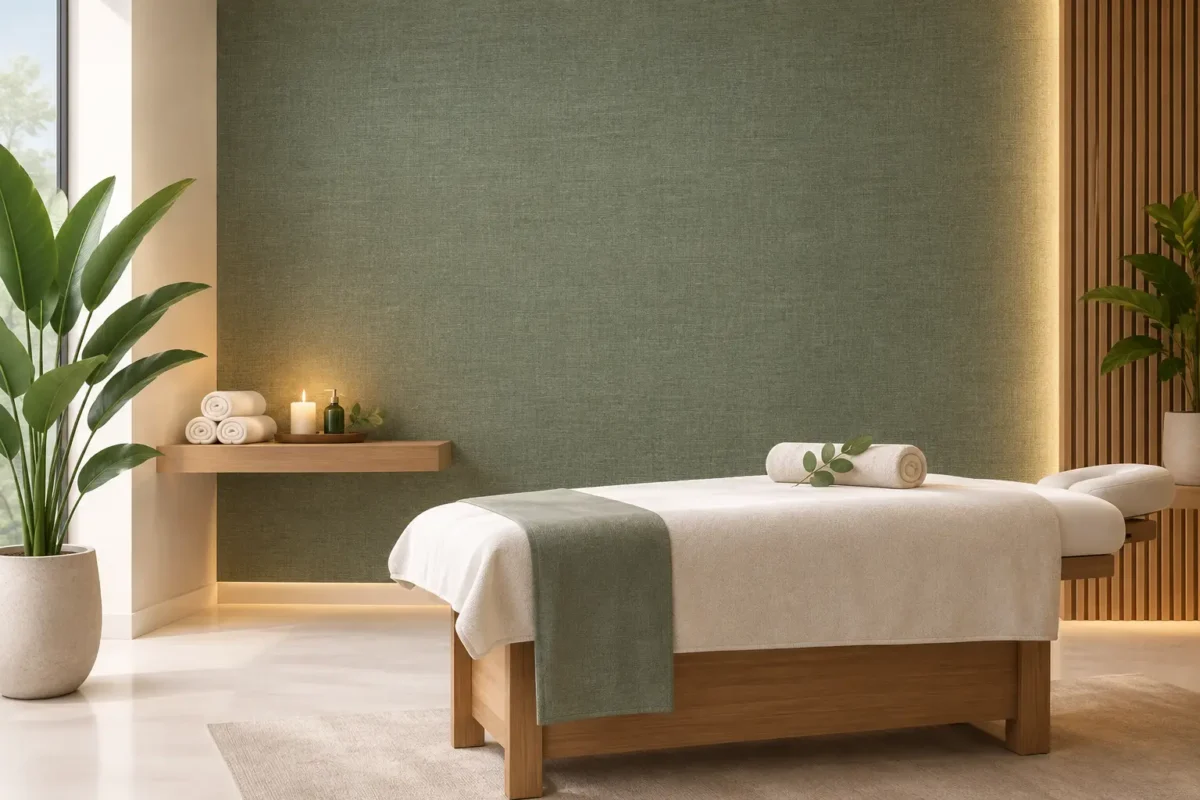
Fabric-backed commercial wallcovering is an excellent solution where durability, stable installation, and easy care are central priorities. Its range of textures and colors allows designers to create polished, architectural backdrops without sacrificing practical performance.
Vinyl wallcoverings offer broad versatility, from subtle linen effects to expressive geometric patterns and tactile finishes. They can suit offices, hospitality corridors, restaurants, and retail interiors, particularly where cleanability matters. The exact construction still matters, so review product specifications rather than assuming all vinyl performs alike.
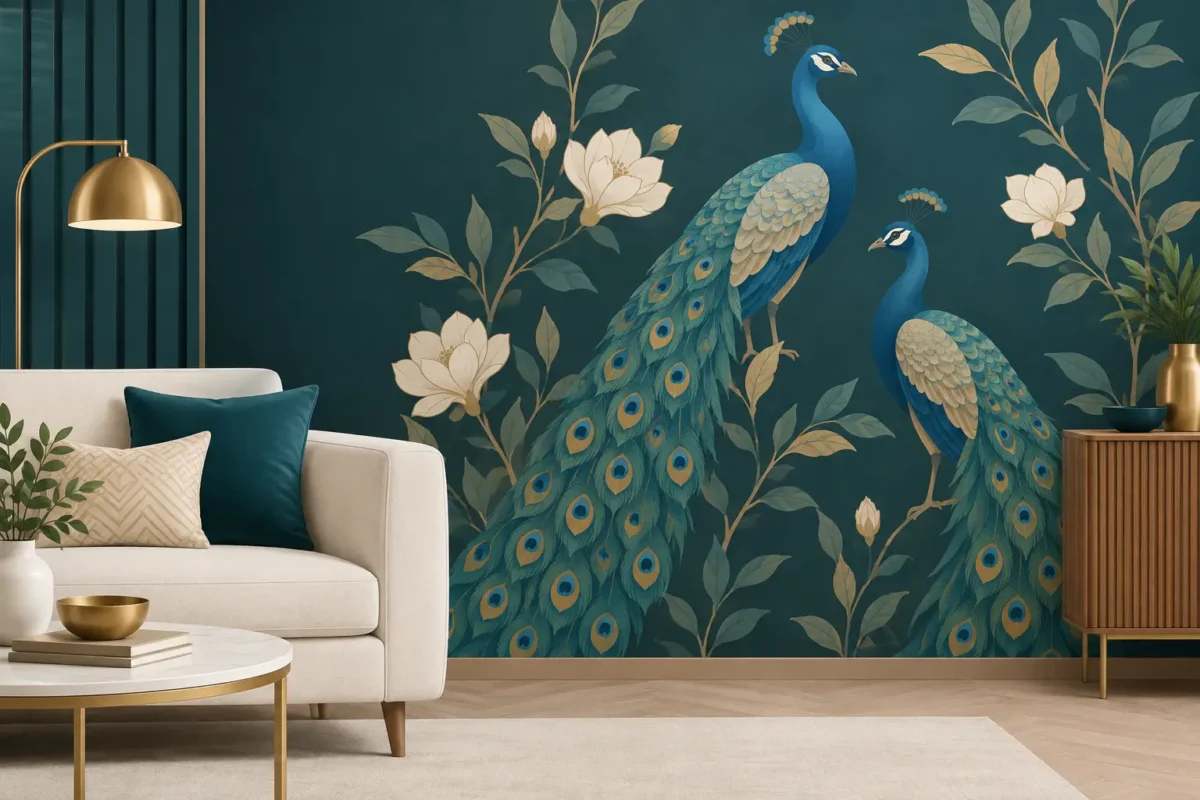
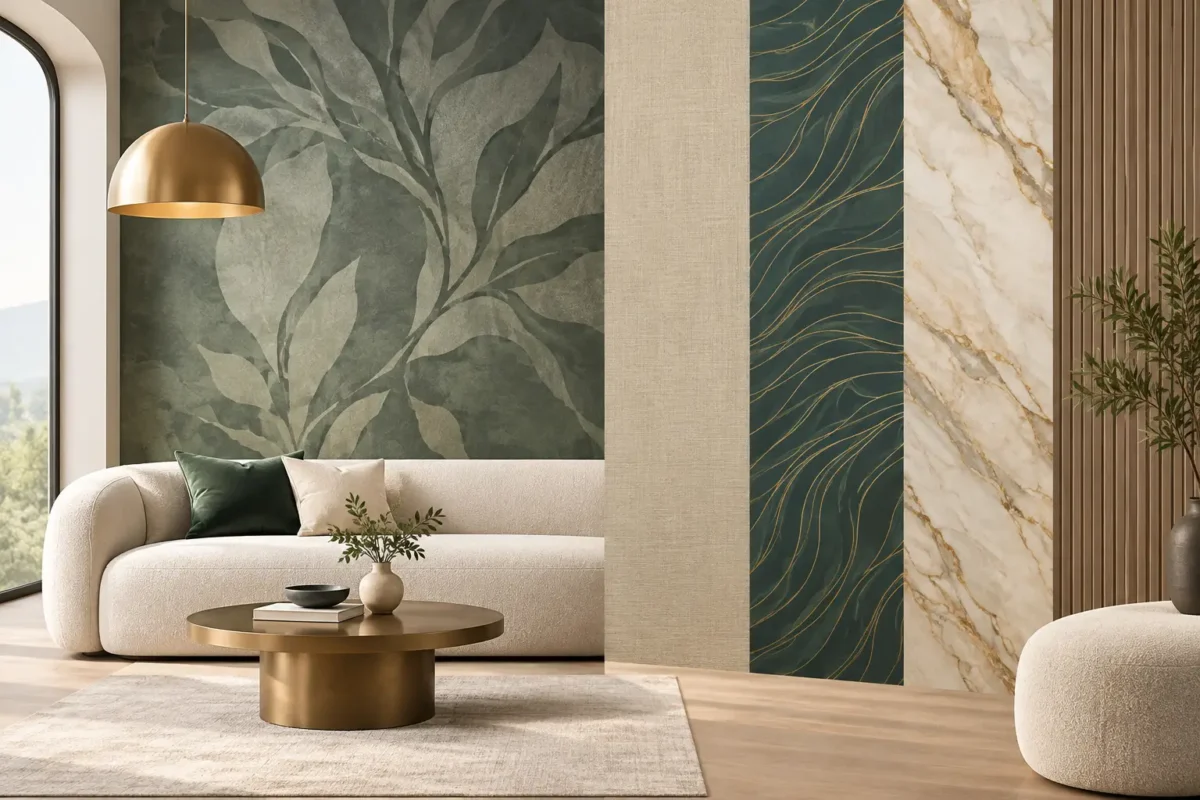
Custom print wallpaper and bespoke murals bring another dimension to project work. They can carry brand narratives, destination imagery, artwork, wayfinding, or a site-specific color story across a full wall. Advanced print production enables precise scaling and personalization, making custom solutions especially effective for reception areas, guest spaces, showrooms, and experiential retail.
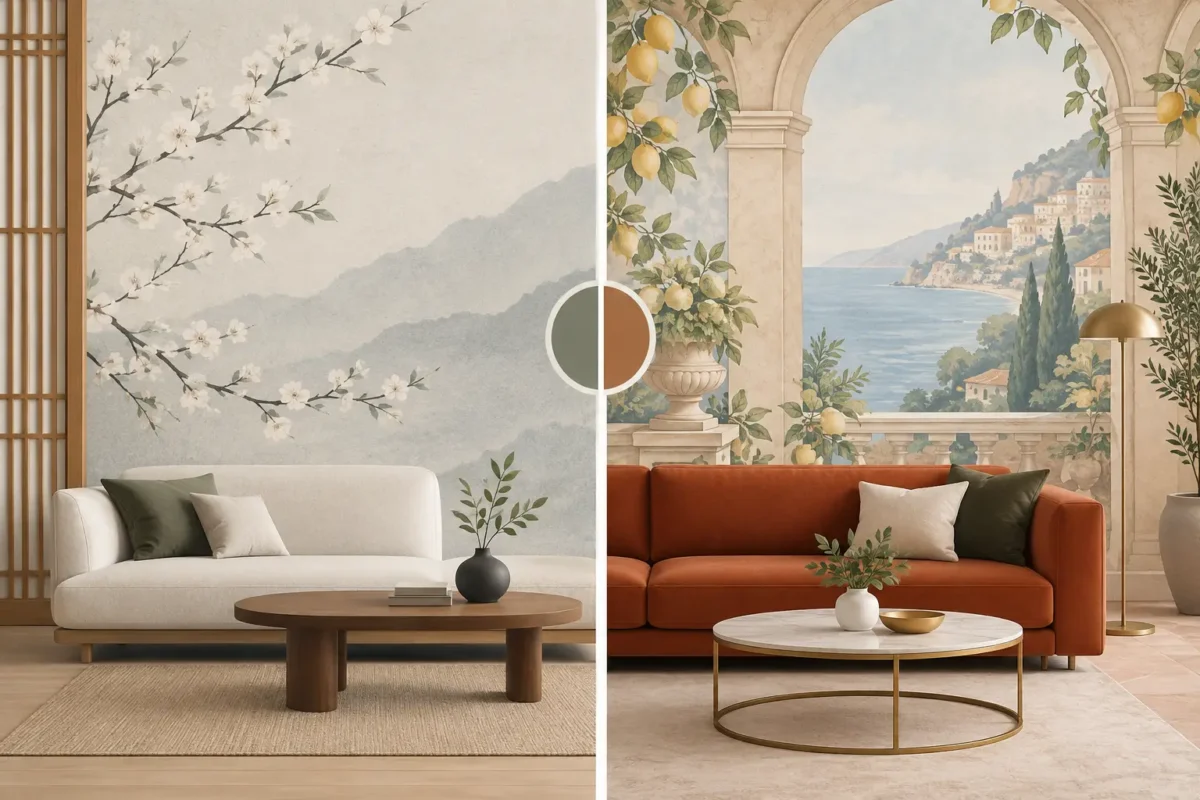
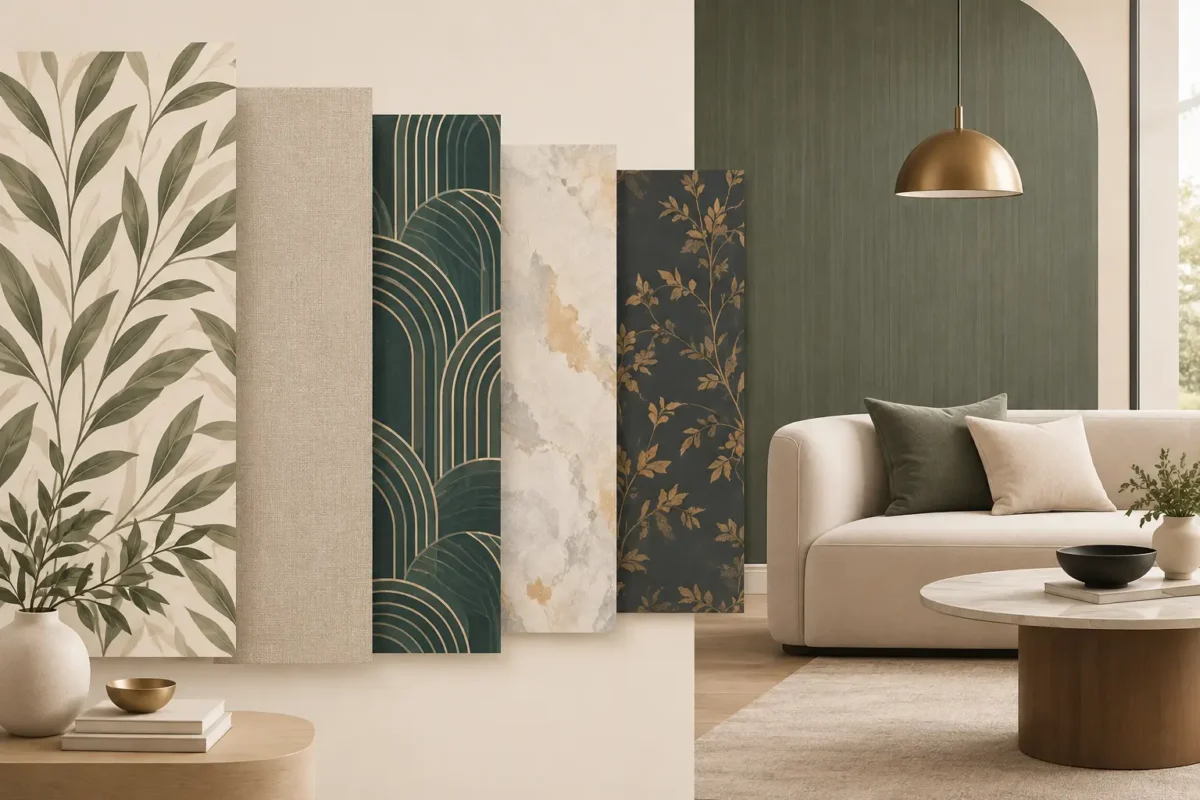
For feature areas with lower physical contact, European and Korean decorative wallpaper collections can introduce refined pattern, depth, and fashion-led detail. These materials often deliver the strongest visual character for executive offices, private residences, VIP rooms, and carefully protected hospitality spaces. Their placement should reflect their maintenance needs and intended lifespan.
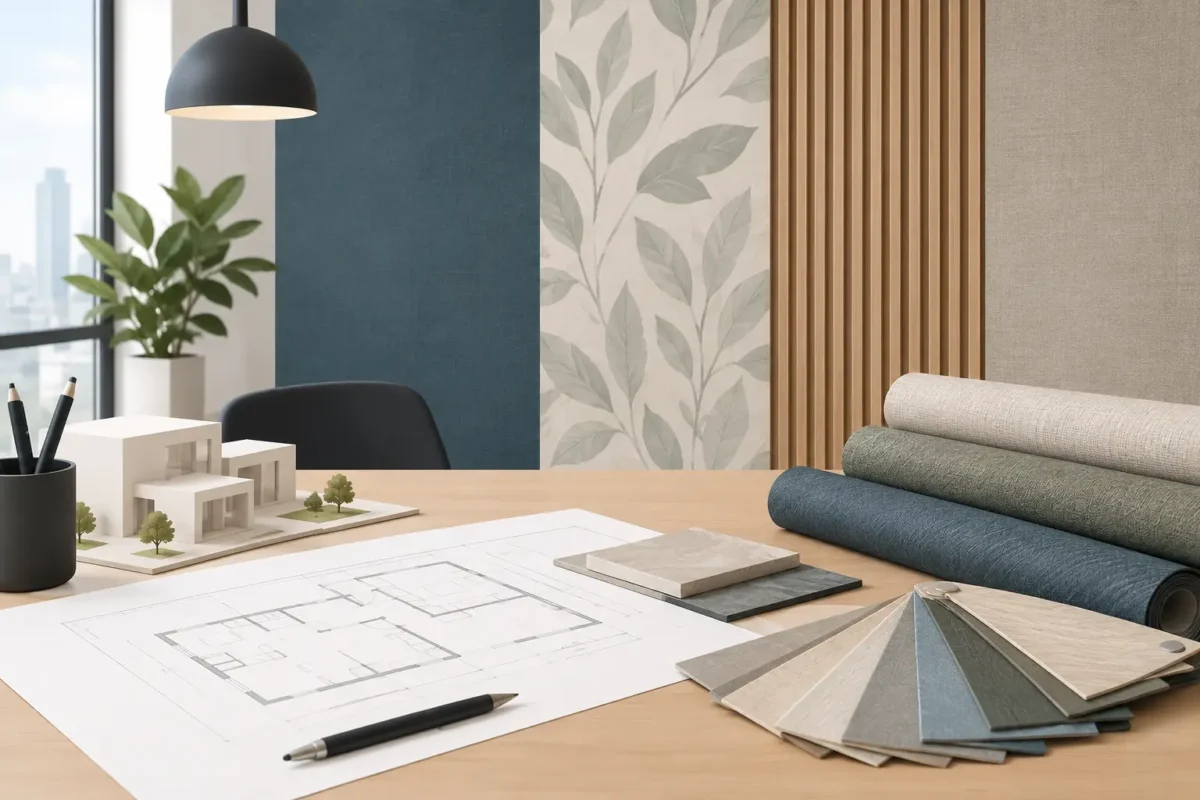
A clear specification reduces uncertainty for designers, contractors, and clients. Begin with a plan that identifies each wallcovering zone and the demands it will face. Then establish the desired visual direction, including color, scale, texture, repeat, and whether the wall will serve as a quiet backdrop or a defining feature.
Request samples and view them vertically under the project’s actual lighting whenever possible. Light changes color, sheen, and texture dramatically. A finish that appears understated in a showroom can read differently under warm hotel lighting, daylight from a storefront, or the cool illumination of an office floor.
For custom murals, confirm final wall dimensions only after site measurement. Account for doors, windows, electrical points, wall returns, and ceiling variations. The artwork should be composed around those conditions, not simply enlarged to fit. A professional design and production process can adjust focal points, crop imagery intentionally, and align panels for a more considered final result.
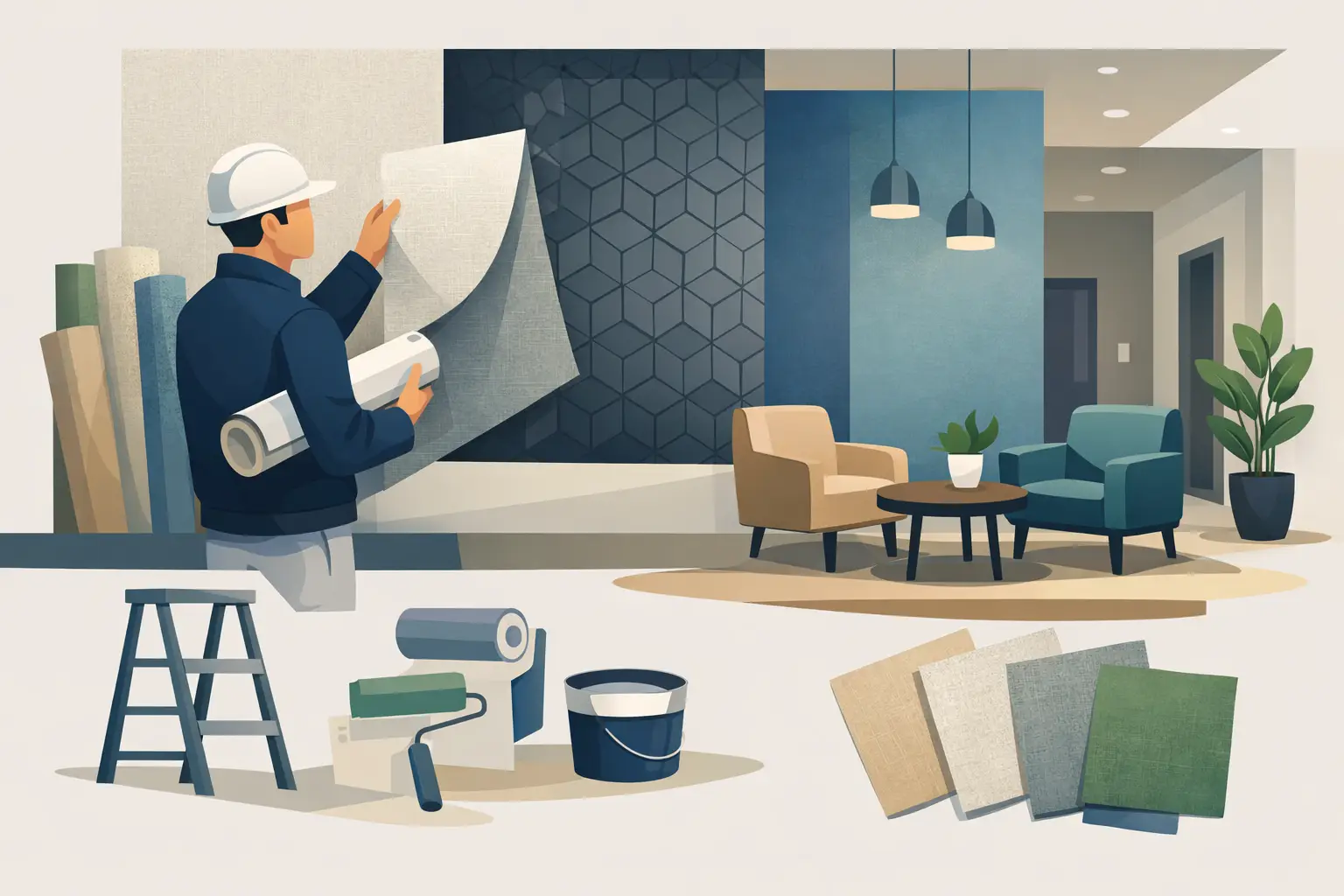
Do not leave adhesive selection and installation details until the final stage. The best material can underperform if it is installed with the wrong adhesive, applied over an unprepared wall, or handled by installers unfamiliar with the product type. Experienced installation also matters at seams, corners, cutouts, and large mural panels, where precision shapes the finished impression.
Project-grade wallcoverings do more than protect walls. They establish atmosphere, reinforce a brand, and give otherwise ordinary architecture a distinct identity. Texture can add warmth to an office reception. A custom mural can turn a hotel corridor into a memorable journey. A durable patterned finish can make a retail environment feel more curated and complete.
The strongest projects balance immediate impact with everyday reality. Choose a finish that suits the traffic, maintenance plan, safety requirements, and design ambition of the space. When beauty is supported by the right material, accurate specification, and expert installation, the wall does not simply decorate the room. It helps the entire interior perform with confidence.