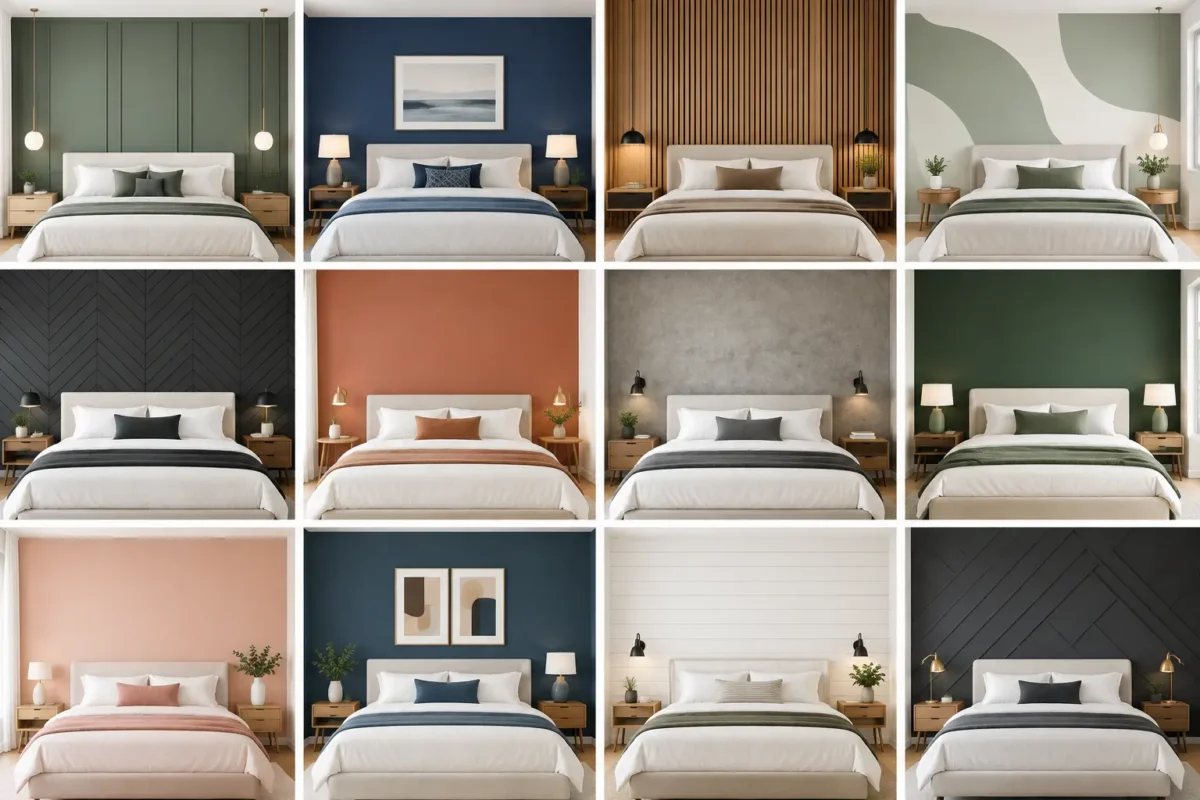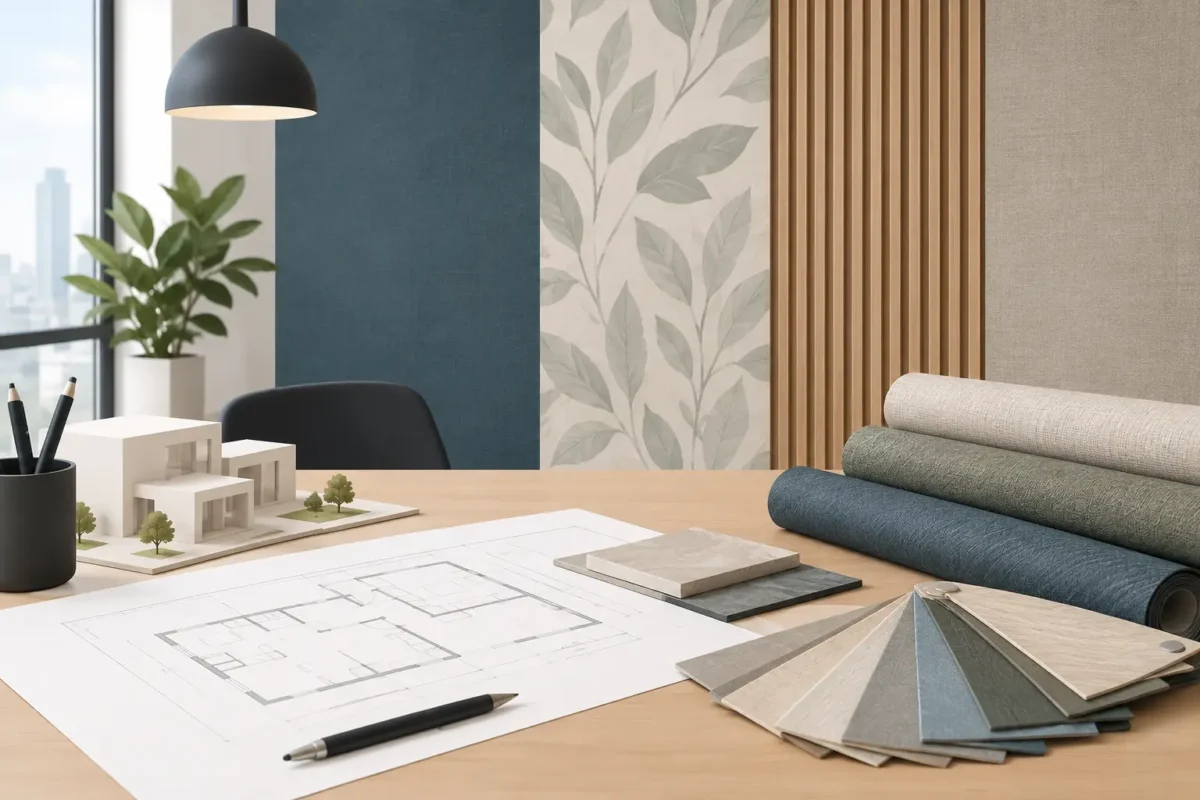
A wall finish can make a room feel tailored and complete or leave it looking like an afterthought. When choosing korean wallpaper vs vinyl, the decision is not simply about appearance. It affects texture, installation, cleaning routines, long-term wear, and whether the finish is suitable for a private residence, boutique retail space, hotel corridor, or busy office.
Korean wallpaper is prized for its expansive design range, refined texture, and ability to create a polished, high-end backdrop. Vinyl wallcovering is often selected for its practical strength, cleanability, and resilience in harder-working environments. Both can deliver exceptional visual impact. The right choice depends on the room, the desired finish, and the performance standard your project requires.
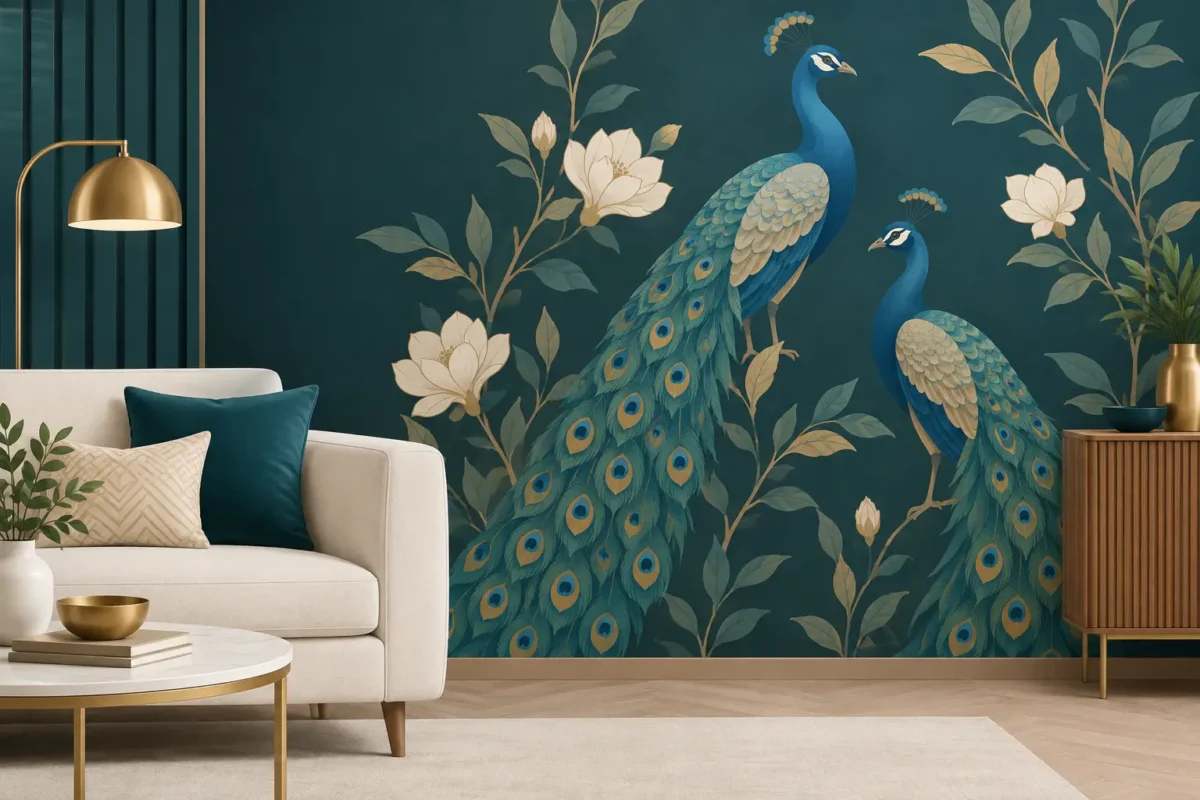
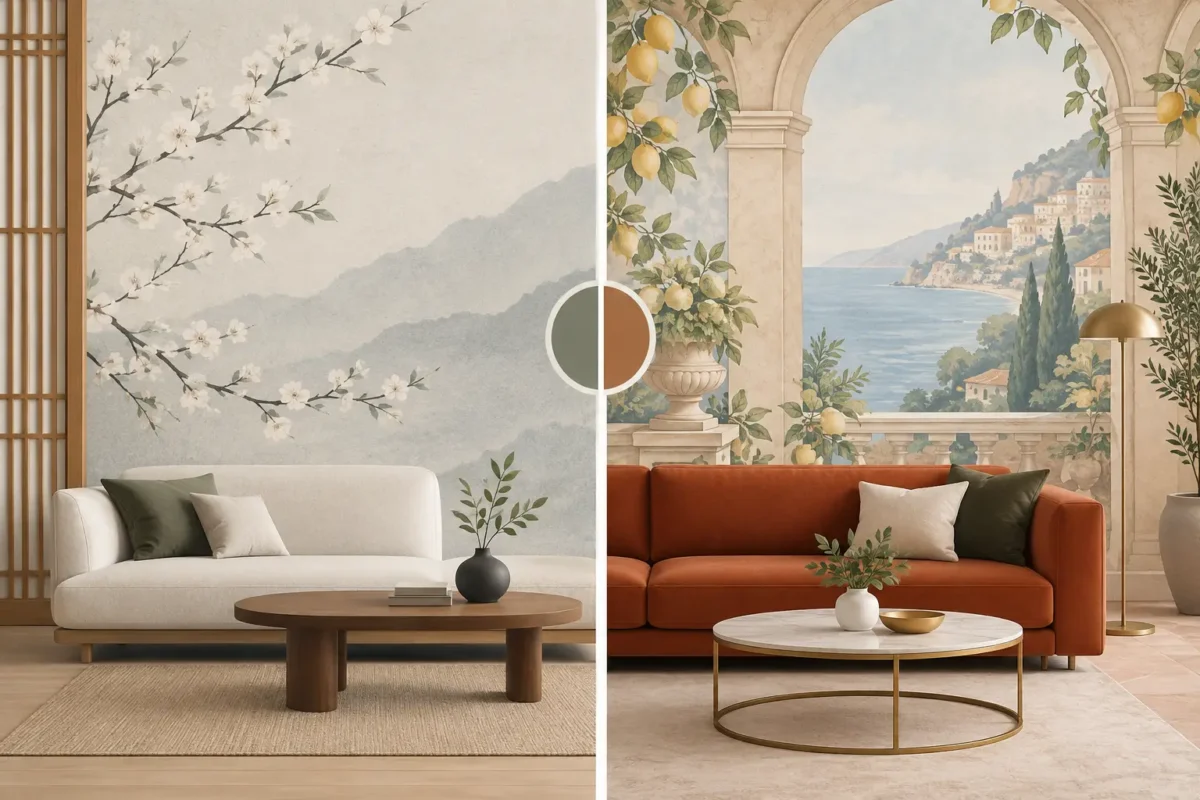
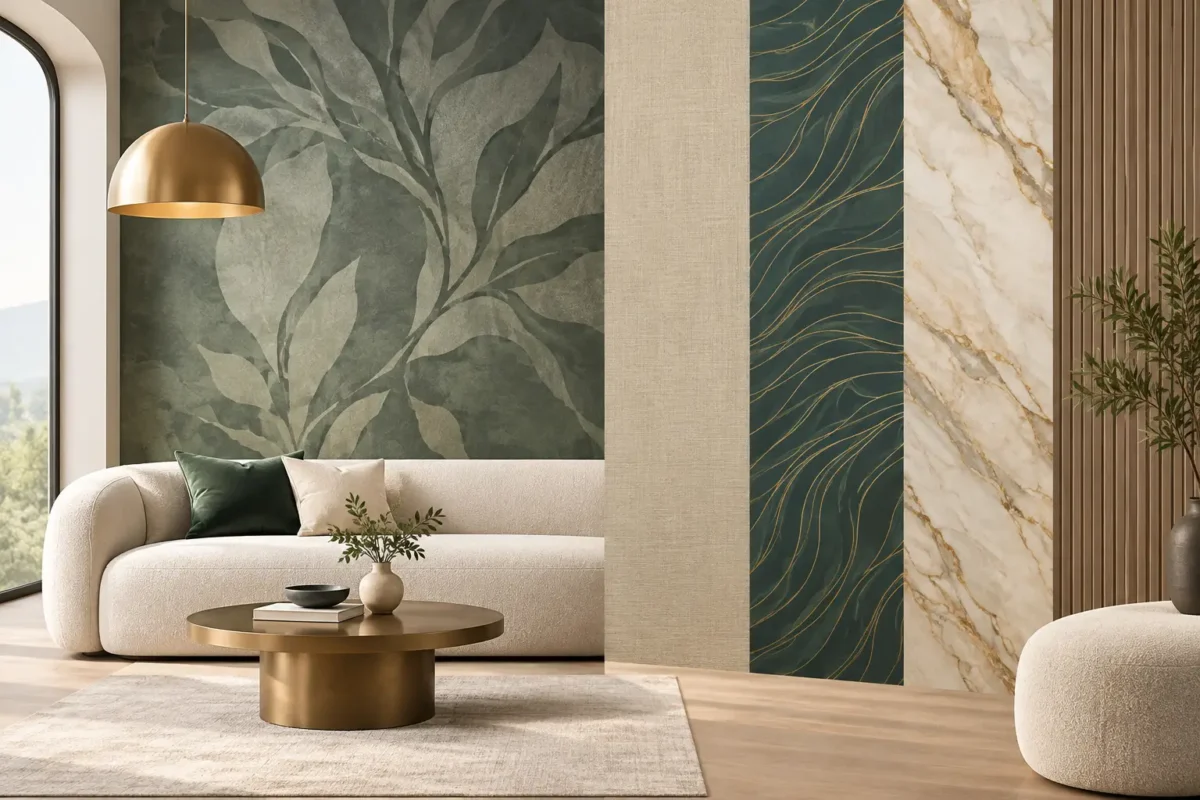
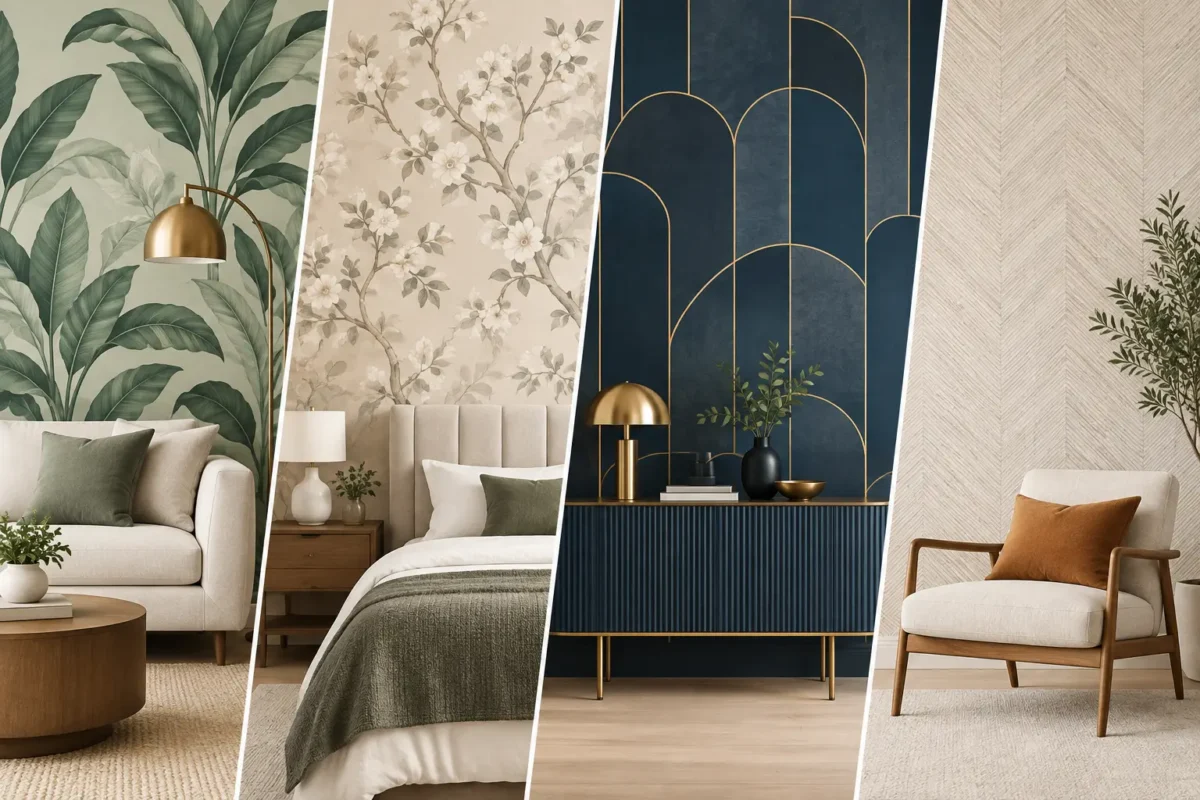
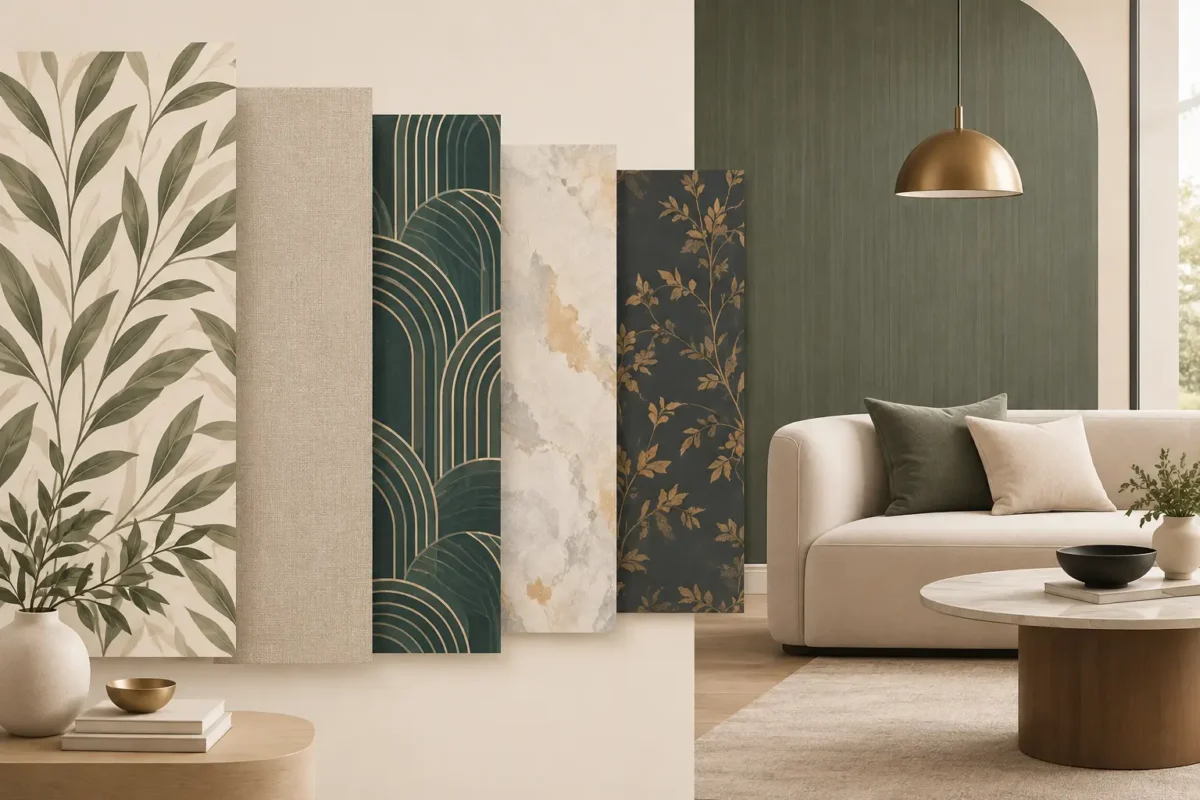
The phrase Korean wallpaper generally refers to wallcoverings produced by Korean manufacturers, often recognized for broad-width rolls, contemporary pattern collections, soft embossed finishes, and layered visual effects. Designs frequently range from quiet linen textures and plaster-inspired neutrals to floral motifs, metallic details, children’s themes, and expressive feature-wall patterns.
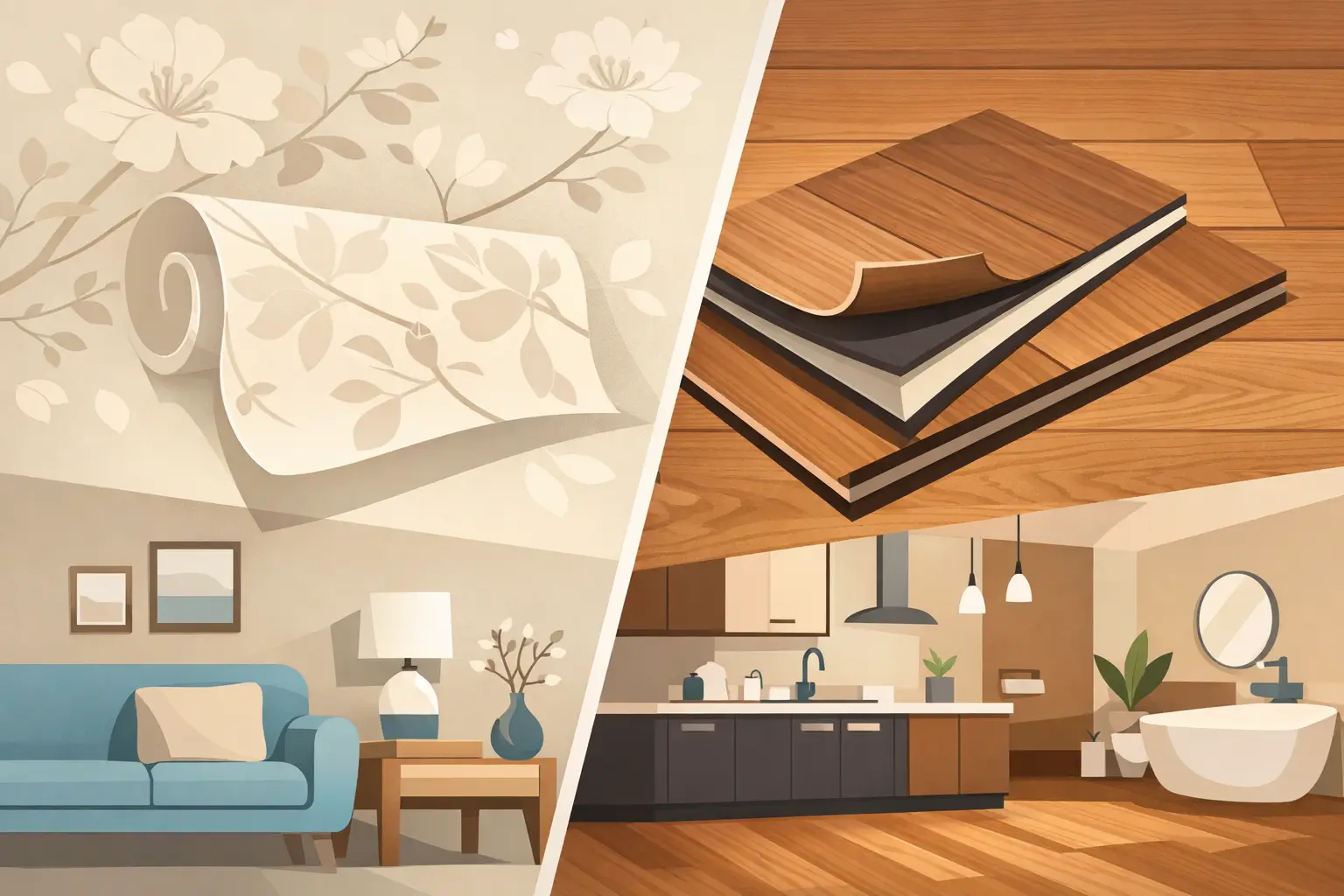
Vinyl is a material category rather than a design origin. A vinyl wallcovering has a vinyl surface layer, usually applied over a paper, nonwoven, fabric, or fabric-backed substrate. That surface gives it added resistance to scuffs, moisture, and frequent cleaning. Vinyl products can be minimal and residential in appearance, or highly engineered for commercial interiors.
The distinction matters because these categories can overlap. Some Korean collections include vinyl-coated or PVC-based surfaces, while many vinyl wallcoverings are made in Europe, the United States, or elsewhere. Rather than relying on the label alone, review the product’s composition, backing, washability rating, width, fire documentation, and recommended application.
Korean wallpaper has become a preferred option for interiors where visual warmth matters as much as coverage. Its wider roll format can mean fewer seams across larger walls, creating a calmer, more continuous finish. This is especially valuable for living rooms, bedrooms, reception areas, and feature walls where the pattern or texture needs to read as one uninterrupted surface.
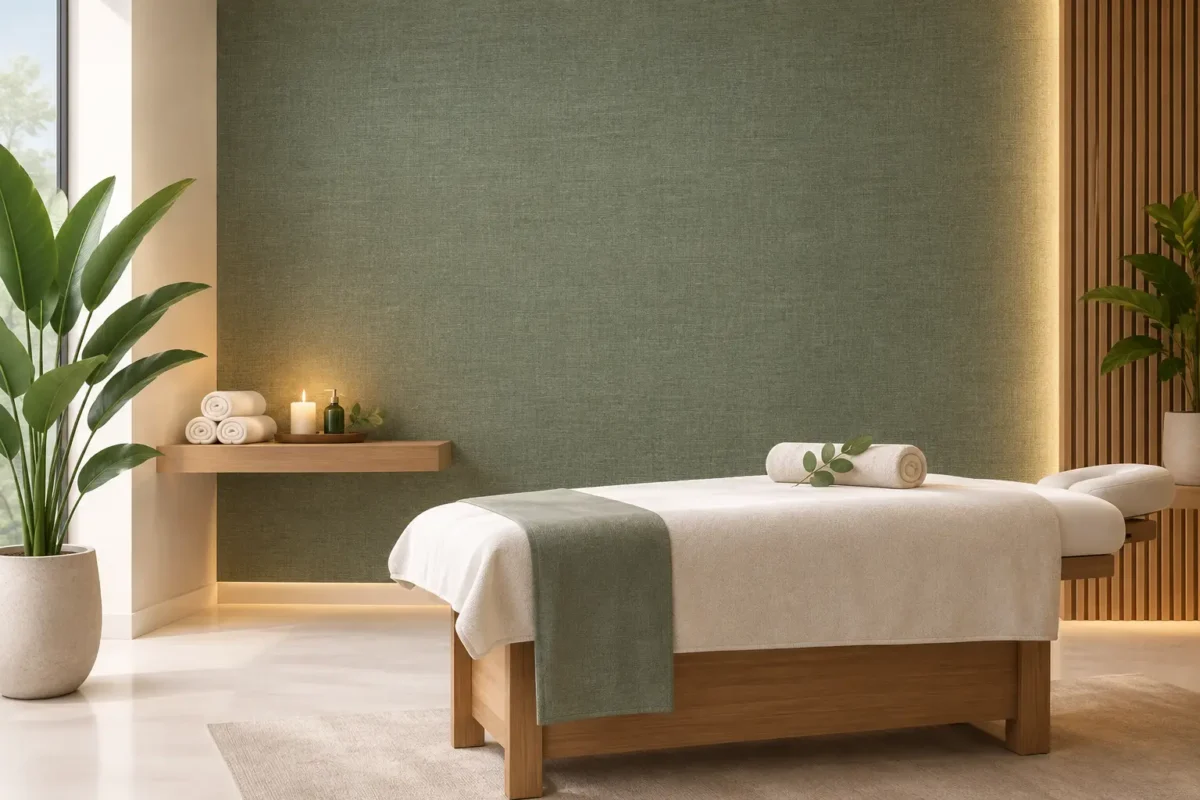
The design language is another advantage. Korean collections often offer tonal textures that feel more considered than a flat painted wall. A fine weave effect, subtle sheen, clouded plaster look, or delicate geometric pattern can add depth without making the room feel busy. For homeowners, this makes it easier to achieve a finished interior with character. For designers, it creates a versatile foundation that works with timber, stone, upholstery, and architectural lighting.
Many options are also practical for standard residential conditions. A lightly textured, washable surface can be well suited to bedrooms, dining rooms, lounges, and lower-traffic hallways. However, washable does not always mean heavily scrub-resistant. A product designed for elegant residential use should not automatically be specified for a restaurant wall, elevator lobby, or children’s activity zone.
Korean wallpaper is particularly effective in spaces that benefit from a refined, decorative surface: primary bedrooms, formal living rooms, private offices, show units, hospitality guest rooms, and reception areas with controlled traffic. It is also an excellent option when a project calls for a wide selection of colors and textures without moving into fully custom production.
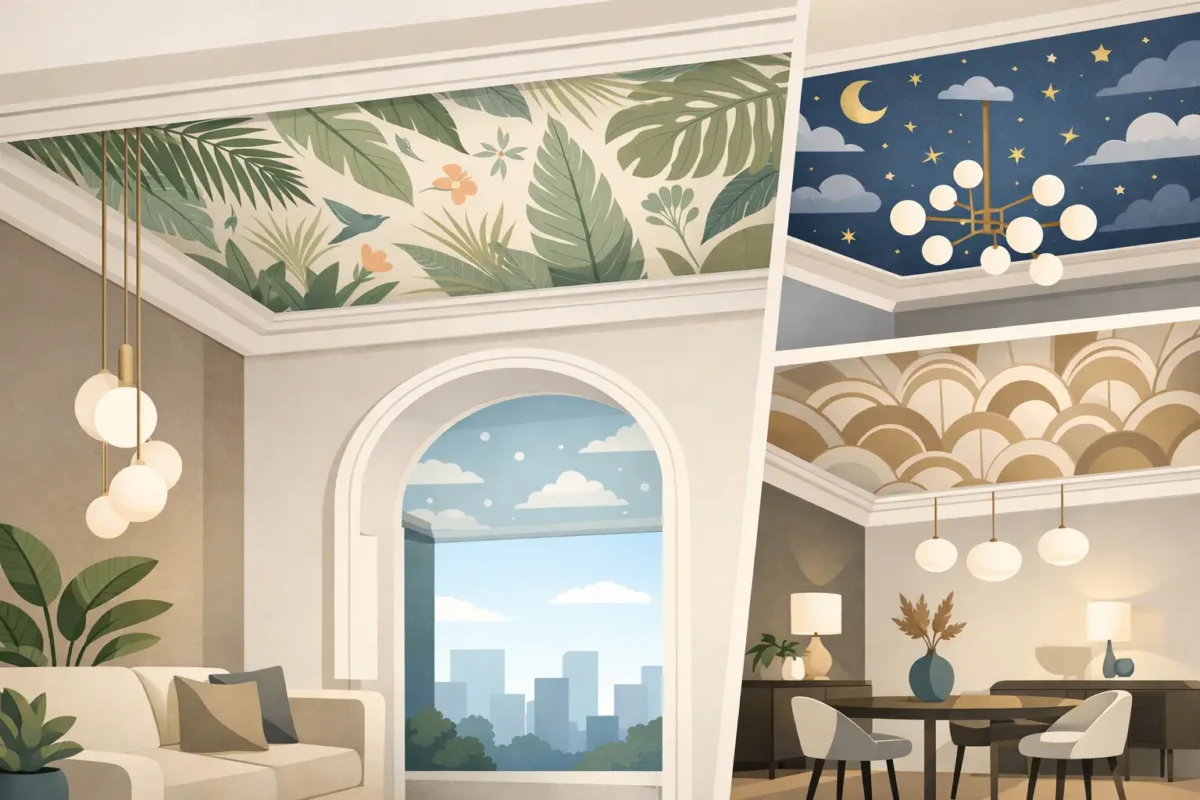
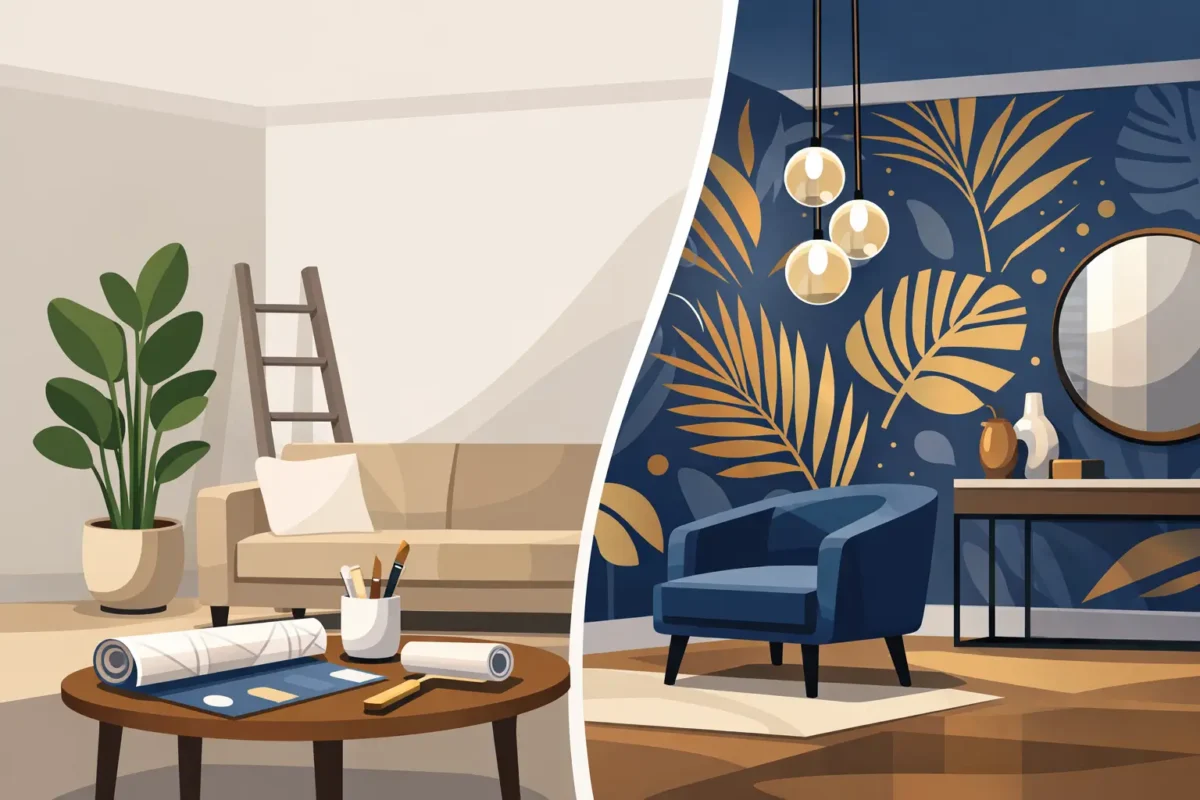
For a statement wall, the material can provide a level of dimension that printed paint or standard flat wallpaper may not achieve. The result is a surface that changes gently with daylight and artificial lighting, giving the room more visual richness throughout the day.
Vinyl wallcovering earns its reputation in places where walls have to work harder. Its protective surface is generally easier to wipe down and better able to withstand marks, splashes, and repeated contact. In commercial-grade formats, especially fabric-backed vinyl, it can offer superior resistance to abrasion and impact compared with lighter decorative wallcoverings.
This makes vinyl a strong candidate for restaurants, clinics, retail environments, office corridors, schools, hotel public areas, and multifamily common spaces. It is also useful in homes with active children or pets, particularly in entryways, playrooms, mudrooms, and high-touch stair halls.
Not all vinyl is identical. Lightweight residential vinyl may be appropriate for a powder room or kitchen accent wall but may not meet the demands of a busy commercial project. Fabric-backed commercial vinyl is typically thicker and more stable, with a backing designed to support professional installation over large wall areas. It can also be specified with documented performance features, such as fire ratings, where required by the project team or local code.
The trade-off is visual and tactile. Although premium vinyl collections now include convincing linen, grasscloth, concrete, wood, and textile effects, some lower-grade products can look overly glossy or synthetic. Select samples under the actual lighting conditions of the space. A finish that looks sophisticated in a showroom can reflect differently under warm residential lighting, bright office LEDs, or hospitality spotlights.
For design variety, Korean wallpaper often has the advantage in soft decorative textures, contemporary residential palettes, and wide-format visual continuity. Vinyl has an equally broad market, but its greatest strength is the ability to combine design with a high-performance surface. If the wall is intended to be photographed, admired, and lightly used, Korean wallpaper may be the more expressive choice. If it will be touched, bumped, cleaned, and used daily, vinyl deserves closer consideration.
For durability, the answer depends on the specific product. A commercial fabric-backed vinyl will usually outperform a standard Korean decorative wallpaper in demanding public settings. Yet a high-quality Korean vinyl-coated product may provide more than enough durability for many homes, guest rooms, private offices, and low-traffic retail displays.
For maintenance, follow the manufacturer’s care guidance instead of assuming that every wallcovering can be cleaned the same way. Vinyl typically tolerates more frequent wiping with a soft cloth and mild cleaning solution. Textured Korean wallpaper may need a gentler approach, particularly if it has metallic ink, raised embossing, or a matte surface that could be damaged by abrasion. Strong cleaners, rough sponges, and excess water are poor choices for either material.
A premium wallcovering only performs as well as the wall preparation and installation behind it. Surface cracks, uneven plaster, moisture issues, and residual paint problems can show through or compromise adhesion over time. This is especially true with light colors, fine textures, and larger widths where alignment must remain precise across the wall.
Korean wallpaper can provide a beautifully continuous result, but wide panels require careful handling and accurate pattern matching. Vinyl, particularly heavy commercial vinyl, may require specialized adhesives, proper seam treatment, and skilled trimming around corners, doors, electrical points, and architectural details.
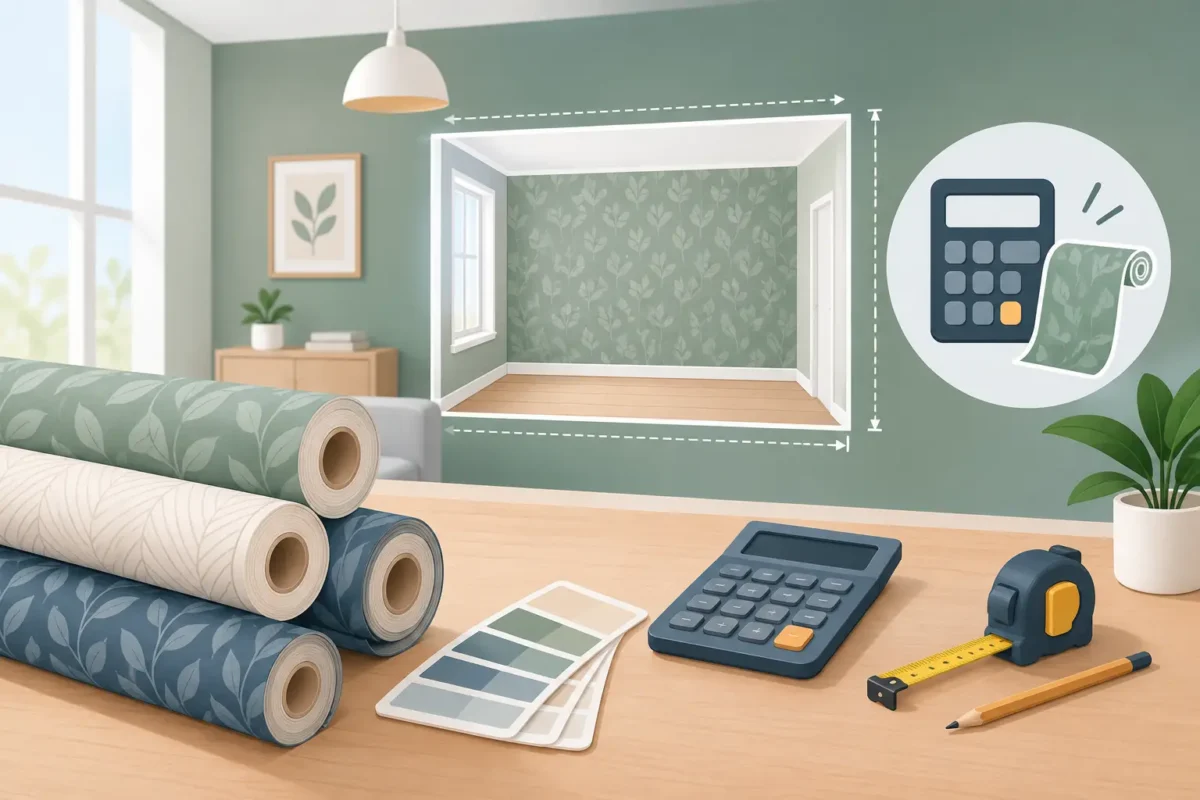
Professional installation also matters when working with textured patterns, directional designs, or rooms with high humidity. Before installation begins, confirm the wall condition, material batch, pattern repeat, roll yield, adhesive requirements, and whether the surface needs priming. For commercial projects, obtain the technical documentation before final specification, not after the wallcovering has been ordered.
Start with the purpose of the room. A calm bedroom feature wall and a hotel corridor may both need a premium appearance, but they have completely different performance demands. Consider how often the wall will be touched, whether it is exposed to moisture, how frequently it must be cleaned, and whether fire or durability standards apply.
Next, consider the visual role of the wallcovering. For a subtle, layered interior, Korean wallpaper can bring texture and tonal interest without overwhelming the architecture. For high-traffic interiors, choose a vinyl wallcovering that has the finish quality to support the design concept while delivering the resilience the space needs.
Finally, request physical samples and view them in the project environment. Compare them against flooring, cabinetry, fabrics, and lighting. A material selection becomes more reliable when it is evaluated as part of the complete interior rather than as a small swatch viewed in isolation.
The best wallcovering is not the one that wins on a single feature. It is the one that gives your space the right balance of visual confidence, daily practicality, and installation-ready performance. When design intent and technical requirements are considered together, the finished wall feels purposeful for years to come.