A flat white office wall rarely stays neutral for long. It starts to feel temporary, forgettable, and slightly out of step with the way modern workplaces are expected to perform. If you are asking what wallpaper works in offices, the real answer goes beyond pattern. The right wallcovering has to support brand image, daily wear, maintenance demands, and the mood of the people using the space.
Office wallpaper needs to do two jobs at once. It should elevate the interior visually, but it also has to hold up in meeting rooms, corridors, reception areas, and work zones that see constant traffic. That is why residential wallpaper logic does not always apply. In a commercial setting, material quality matters just as much as design direction.
There is no single office wallpaper that fits every project. A law firm reception, a creative agency studio, a medical admin office, and a developer sales gallery all need different levels of texture, impact, and durability. The best specification starts with how the room is used.
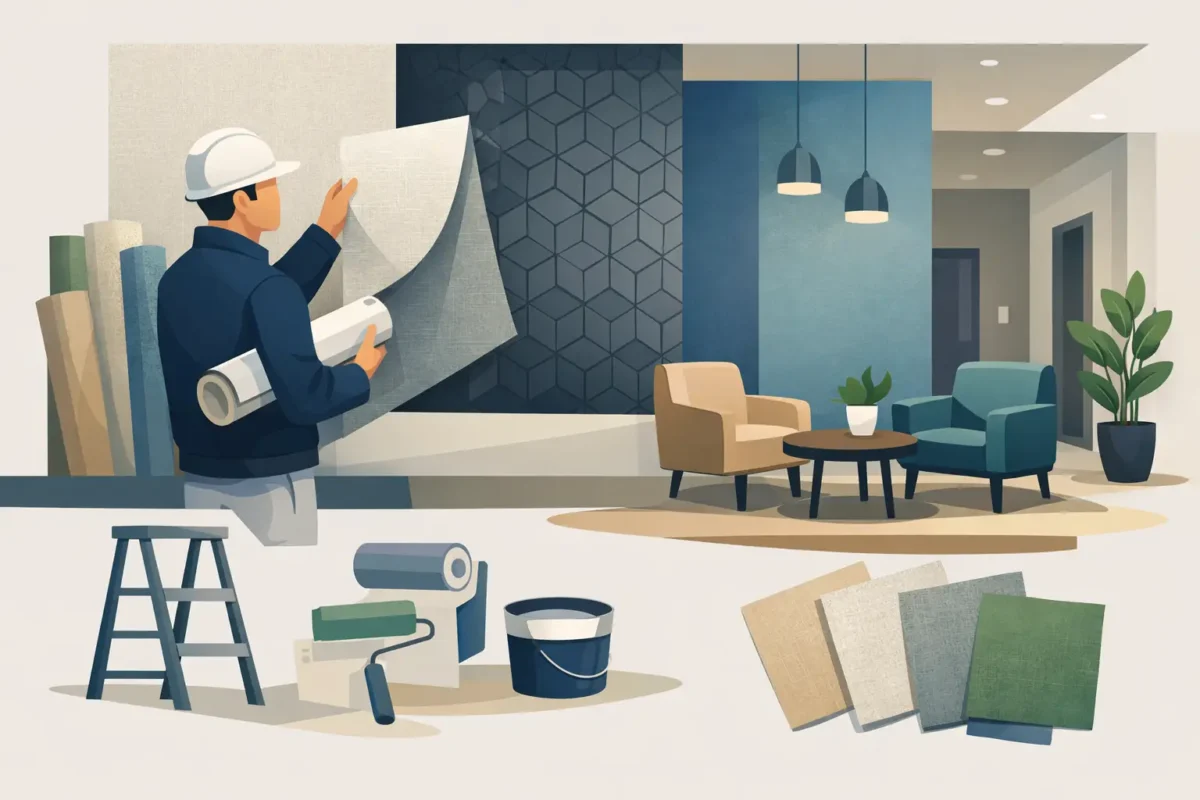
For high-traffic areas, fabric-backed commercial vinyl is often the strongest choice. It is built for durability, resists scuffs better than lighter decorative papers, and is easier to maintain over time. In practical terms, that means fewer visible marks from chairs, bags, or routine cleaning. For offices that need a polished finish without constant upkeep, this category tends to perform well.
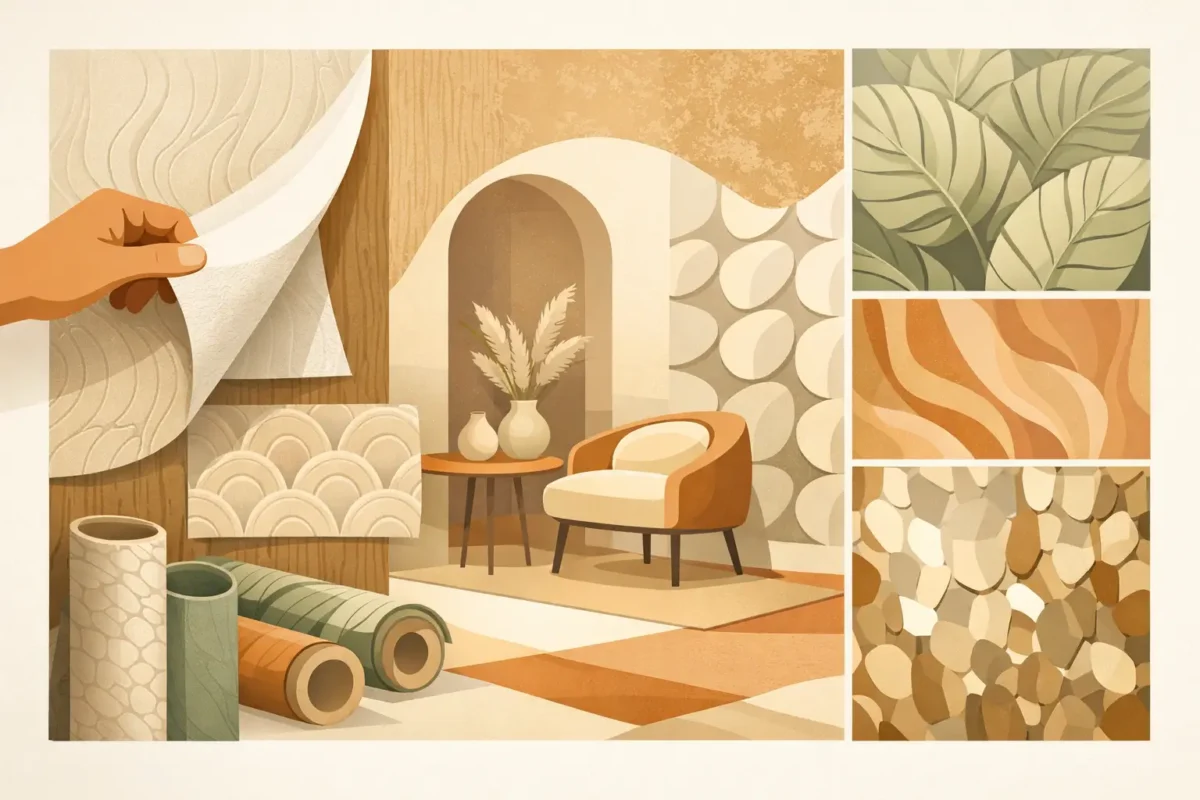
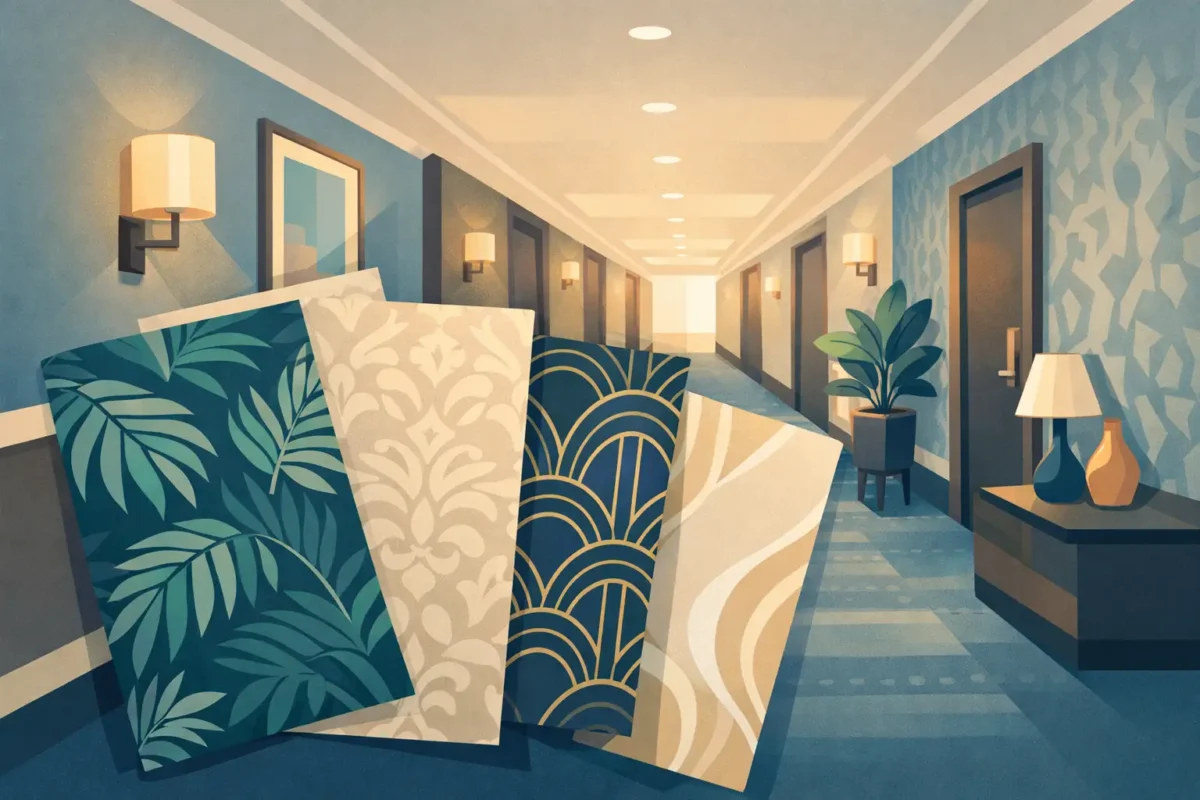
For executive rooms, boardrooms, and private offices, design can become more expressive. Textured European wallpaper, subtle metallic finishes, linen effects, and refined geometric patterns bring a more tailored feel without overwhelming the room. These spaces benefit from a more curated surface because they are seen at closer range and often carry a stronger representational role.
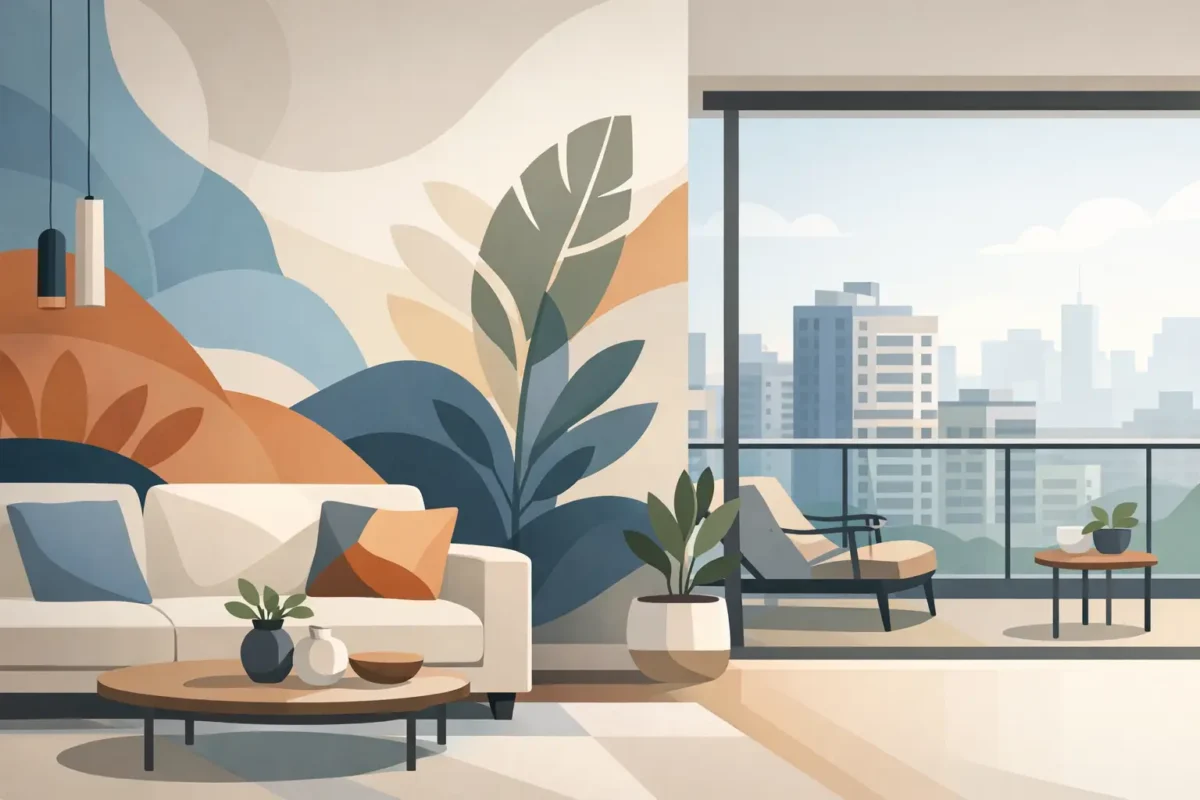
For branding zones, custom print wallpaper and bespoke murals can be especially effective. A large wall in a reception area or collaborative space can carry company identity, reinforce a design concept, or create a memorable first impression. The key is restraint. A custom mural should feel integrated into the architecture, not pasted on as an afterthought.
In office projects, aesthetic decisions should follow performance requirements. This is where many wallpaper selections go wrong. A beautiful pattern that cannot handle cleaning, sunlight, or daily contact will not stay beautiful for long.
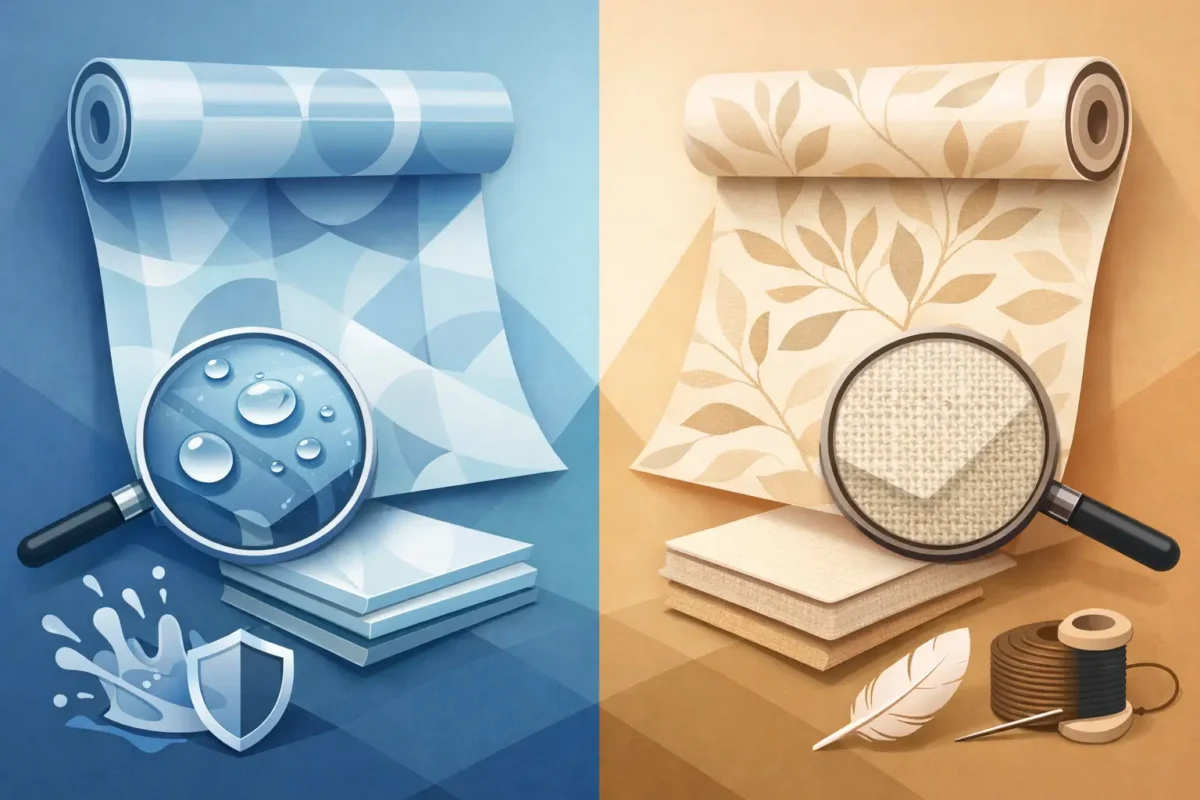
Commercial-grade vinyl remains one of the most reliable choices because it combines visual flexibility with engineered performance. It is suitable for many office environments where cleanability, dimensional stability, and long-term finish matter. If fire safety standards are part of the project brief, this also needs to be checked at the specification stage rather than later.
Sun exposure is another factor that is easy to overlook. Offices with large windows and strong daylight need wallcoverings with good color stability. Pale natural textures may still work beautifully in these settings, but the material and print quality need to be chosen carefully. In some spaces, a deeper tone or textured finish can actually age better than a delicate flat surface.
Moisture is less of a concern in most office interiors than in residential kitchens or bathrooms, but humidity can still affect certain zones. Pantry walls, washroom corridors, and enclosed air-conditioned rooms all benefit from materials suited to those conditions. Good specification is about matching product performance to the environment, not just the mood board.
Reception walls carry the strongest visual responsibility. This is where visitors form their first impression, and where brand positioning should feel immediate. In these spaces, bold texture, elegant large-scale patterns, or custom murals can work well because they are meant to create presence. A statement wall can look premium without becoming loud if the palette stays disciplined.
Open-plan workspaces usually need more restraint. Employees spend hours in these rooms, so wallpaper should support focus rather than compete for attention. Soft neutrals, tactile textures, quiet linear patterns, and low-contrast designs tend to age better than highly thematic prints. The goal is depth and finish, not distraction.
Meeting rooms sit somewhere in between. They can handle more personality than open work areas, but they still need to feel professional. This is where sophisticated geometry, textural wallcoverings, or muted feature walls often perform best. They add visual interest on video calls and in-person meetings without dominating the room.
Private offices allow more character, especially when the occupant is client-facing or senior leadership. Rich textures, deeper colors, and more pronounced design details can create a stronger sense of authority and comfort. Here, wallpaper often functions as part of the room’s identity rather than just a background finish.
Corridors and circulation areas need durability first. These are some of the most touched and tested surfaces in the office. A wallcovering that looks luxurious but shows every mark will quickly become a maintenance issue. Heavier-duty commercial options are usually the wiser investment.
Wallpaper changes how a workplace feels, which means it also changes how people experience time, focus, and interaction within it. That may sound subtle, but in office design it matters.
Cool neutrals, warm grays, stone tones, taupe, and muted greens tend to work well because they create a composed atmosphere without feeling cold. Blue can be effective in meeting and focus areas, but overly saturated shades may flatten a room if lighting is poor. Warm textures can soften corporate interiors and make them feel more welcoming, especially in client-facing environments.
Pattern scale also matters more than many buyers expect. Small repetitive motifs can feel busy across large office walls. Very large patterns can be striking, but only if the room has enough space and clean sightlines. Mid-scale texture-inspired designs are often the safest and most versatile option because they create movement without visual noise.
This is one of the clearest trade-offs in office wallpaper selection. The more dramatic the design, the more carefully it needs to be placed. Statement surfaces are powerful, but they work best when balanced by simpler finishes elsewhere.
Custom wallpaper is one of the strongest tools in a modern office fit-out because it allows a space to feel branded rather than generic. A custom mural can reflect a company story, reference its industry, or create a destination point within the interior. For developers, hospitality brands, and high-visibility offices, this can be a major advantage.
Still, not every wall should become a branding wall. Overuse can make an office feel dated faster, especially if graphics are too literal or trend-driven. Abstract imagery, architectural scenes, layered textures, and refined brand-led visuals usually have more longevity than oversized slogans or heavily promotional artwork.
Print quality also makes a visible difference. Custom office wallpaper should look sharp at scale, hold its color well, and feel like an integrated design surface. Eco-friendly ink and accurate production standards matter here because premium design loses impact quickly if the finish looks inconsistent up close.
For businesses that want both image and reliability, a showroom-led supplier with in-house design capability and installation experience offers a clear advantage. Decorating Depot, for example, is positioned around exactly that balance of customization, technical guidance, and project execution.
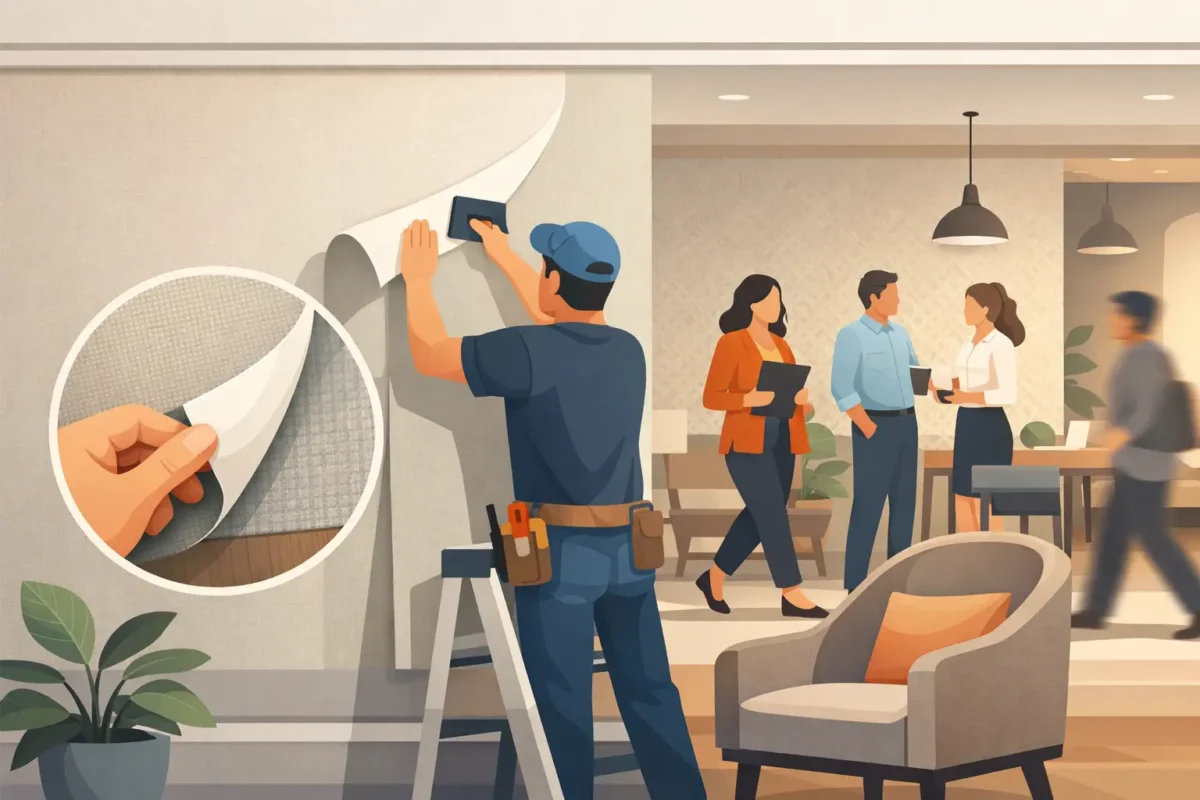
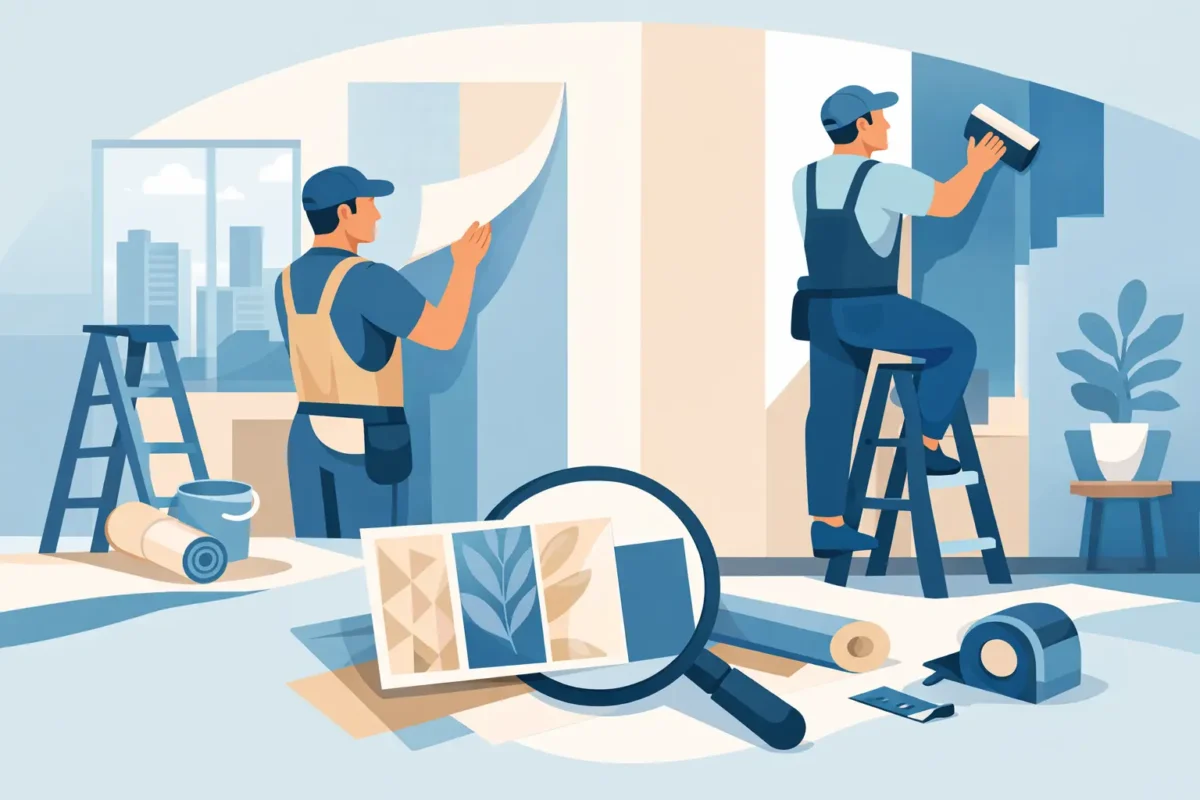
Even the best wallpaper can fail visually if it is installed poorly. Misaligned seams, bubbling, edge lifting, and uneven cuts are not small flaws in an office setting. They are immediately visible, especially in reception zones and boardrooms where the finish is expected to feel precise.
Commercial installation requires proper wall preparation, adhesive selection, site coordination, and finishing detail. This matters even more with textured materials, dark colors, or custom mural panels where pattern continuity is critical. A premium wallcovering should look effortless on the wall, but that result usually comes from careful technical work behind the scenes.
For office projects on a timeline, professional installation also reduces risk. It helps prevent delays, product waste, and rework, all of which cost more than choosing the right team from the start.
The strongest office wallpaper is the one that fits the room’s purpose, traffic level, maintenance needs, and design ambition at the same time. For many workplaces, that means commercial vinyl or fabric-backed wallcovering as the foundation. From there, texture, color, pattern, or custom print can be layered in according to how public, private, or brand-driven each area needs to be.
A well-selected office wallcovering does not just decorate. It shapes perception, improves finish quality, and helps a workspace feel intentional from the first glance. If the surface looks right but cannot perform, it is the wrong choice. If it performs well but says nothing about the business inside, it is a missed opportunity.
The best office interiors strike both notes. They look refined, work hard, and still feel distinctive months and years after the fit-out is complete. That is the standard worth specifying for.