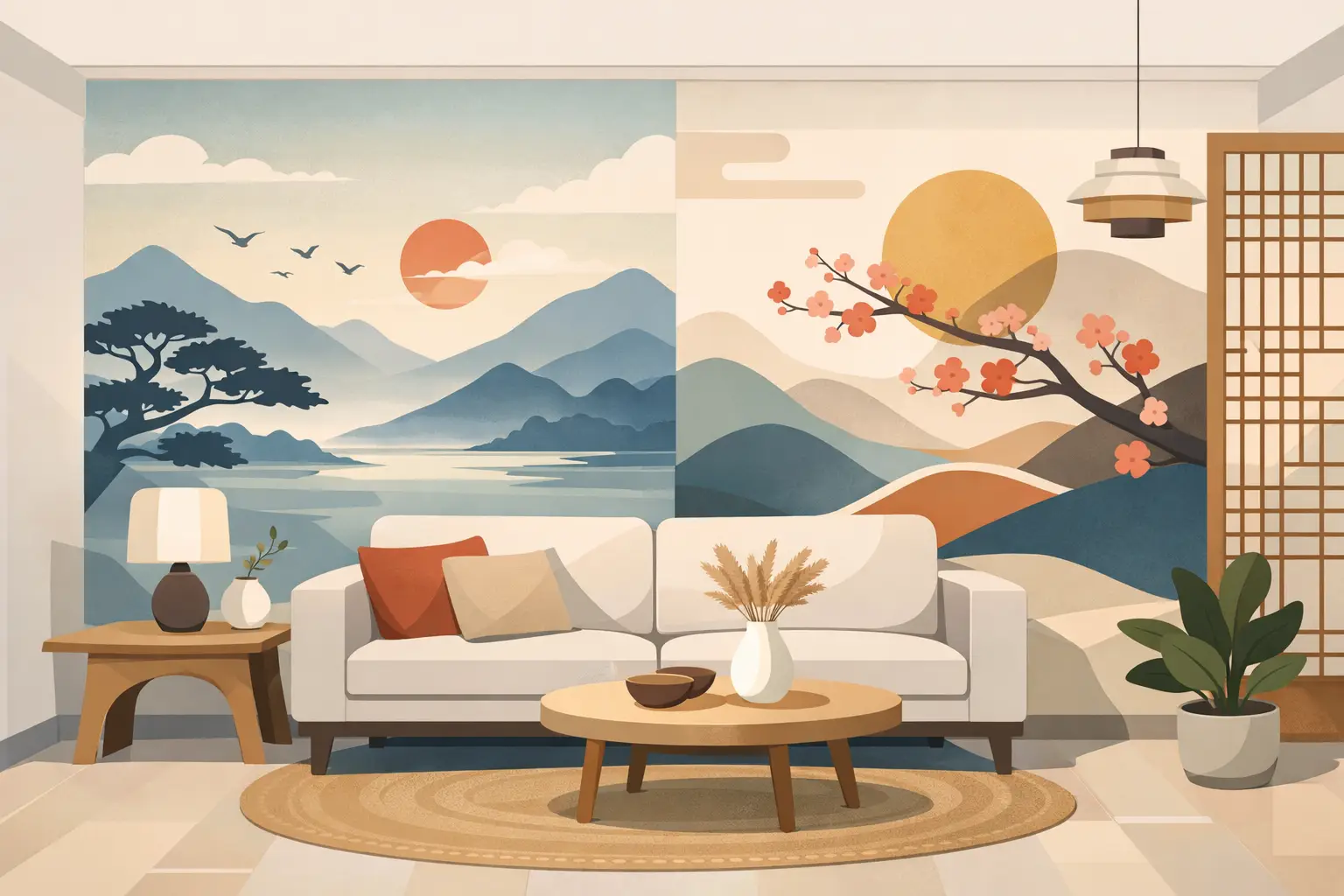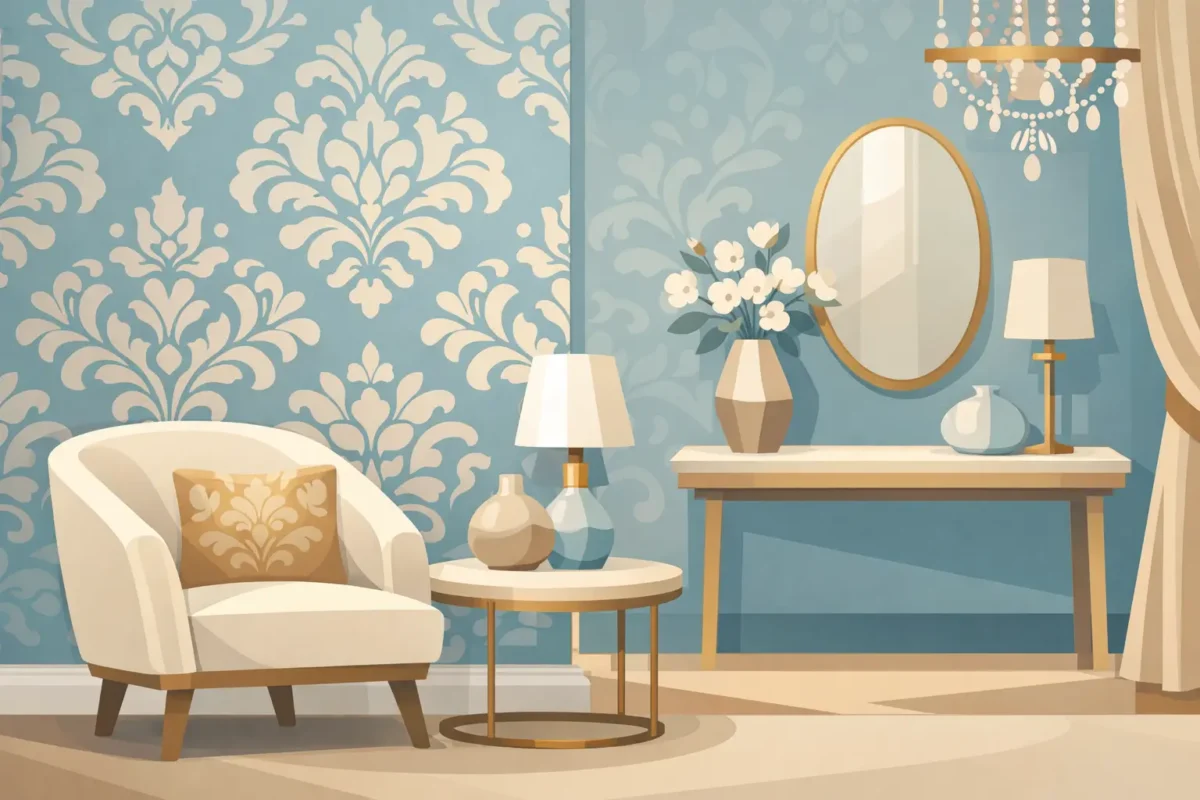
A living room rarely needs more furniture. It usually needs a stronger surface story. Korean wallpaper for living room spaces has become a preferred choice for designers and homeowners who want that shift – a finish that feels polished, modern, and layered without making the room look busy.
What sets it apart is balance. Korean wallcoverings are known for understated pattern, soft-touch texture, approachable luxury, and practical durability. In a room that carries daily traffic, natural light, entertainment, and downtime, that combination matters. The right wall finish has to do more than look beautiful in a sample book. It has to hold the space together.
Korean wallpaper has a distinct design language. Instead of relying on loud prints or heavy ornament, many collections focus on quiet texture, fine embossing, mineral-inspired finishes, linen effects, plaster looks, soft geometrics, and tonal pattern. That makes them especially effective in living rooms, where walls need to support the furniture, lighting, artwork, and flooring rather than compete with them.
This is also why Korean wallpaper works across multiple interior directions. In a contemporary apartment, a subtle concrete-texture finish creates a clean architectural backdrop. In a family home, warm beige or taupe embossed wallpaper can soften the room and make it feel more inviting. In a luxury setting, pearlized textures and refined metallic accents introduce depth without tipping into excess.
From a practical standpoint, many Korean wallcoverings are vinyl-based or engineered for easy maintenance. That matters in real homes. A living room wall may face fingerprints near switches, accidental scuffs, shifting furniture, or the wear that comes with active daily use. A premium decorative surface should still be easy to maintain and visually consistent over time.
The best selection starts with the room, not the catalog. Ceiling height, daylight, furniture scale, and how the space is used should guide the wallpaper direction.
Smaller rooms benefit from visual expansion. Light neutrals, fine textures, and low-contrast patterns help walls feel open rather than boxed in. Off-white, warm gray, stone, sand, and soft greige are reliable choices because they brighten the room while still adding finish and character. A wallpaper with an embossed linen or brushed plaster effect gives enough detail to elevate the space without shrinking it.
If the room has limited daylight, avoid overly dark full-wall applications unless the design intent is deliberately moody. Deep colors can be striking, but they depend heavily on lighting quality, furniture contrast, and ceiling height.
In larger, open spaces, wallpaper can help define the living zone. A textured feature wall behind the sofa or TV can anchor the seating area and create stronger visual structure. Here, you can be bolder with pattern scale or tonal contrast because the room has more breathing space.
This is also where layered finishes perform well. A soft metallic wash, dimensional textile effect, or modern geometric pattern can bring sophistication to expansive walls that would otherwise feel flat.
If the living room is truly lived in, practicality should lead the decision. Washable finishes, durable surfaces, and forgiving textures are smart choices. Mid-tone neutrals often outperform very light walls in these settings because they conceal minor marks more effectively while still looking refined.
A living room used by children, pets, or frequent guests should never be specified on appearance alone. Performance and maintenance are part of good design.
Not every wallpaper trend translates well into a living room. The most successful Korean wallpaper selections tend to create atmosphere first and pattern second.
This is the safest and often the most sophisticated category. Think woven effects, plaster textures, stone-inspired finishes, and matte embossed surfaces in cream, taupe, mushroom, gray, or warm white. These wallpapers add visual depth while keeping the room versatile. They also make it easier to refresh furniture or accessories later without redoing the walls.
Tonal geometrics, abstract linework, and subtle repeats work well when a room needs more identity. The key is restraint. In a premium living room, pattern should support the architecture and furnishings, not dominate them.
Used well, metallic detailing can lift a room beautifully. Champagne, brushed gold, pewter, and pearl finishes catch light and give walls movement. Used too heavily, though, they can date the space quickly. This is a classic it-depends category. In formal reception rooms or upscale condos, metallic layers can feel elegant. In casual family living rooms, they may be better limited to a feature wall.
Leaf motifs, mineral textures, soft botanicals, and organic patterns remain relevant because they make living spaces feel calmer and more grounded. The best versions are understated. A refined natural reference feels timeless. A loud thematic print often has a shorter lifespan.
For US readers, one of the most appealing qualities of Korean wallpaper is how easily it fits current interior palettes. Warm neutrals continue to outperform cool grays in many residential spaces, especially when paired with oak finishes, boucle seating, black accents, or soft layered lighting.
Beige, almond, clay, ivory, and greige are strong core tones for living rooms because they make the space feel comfortable and elevated at the same time. If you want more drama, charcoal, olive, muted blue-gray, and cocoa can work well, but they need balance from upholstery, rugs, and lighting.
Color should also respond to wall exposure. North-facing rooms often benefit from warmer wallpaper tones to offset cooler daylight. Bright sunlit rooms can carry more complex neutrals and textured finishes without feeling heavy.
This depends on the wallpaper style and the room’s purpose. A feature wall is often the right move when the design has stronger pattern, sheen, or directional texture. It creates focus without overwhelming the space. This approach works especially well behind a sofa, fireplace, or TV wall.
Full-room wallpapering is more immersive and often more luxurious when the selected finish is subtle. Linen textures, plaster effects, and soft embossed neutrals can wrap the room beautifully, making the whole space feel more complete and intentional.
There is no universal rule here. A dramatic wallpaper may be perfect on one wall. A quiet texture may be even better on all four. The decision should come down to scale, light, and how much visual layering already exists in the furniture and decor.
A living room wallcovering should not be judged only by its pattern book appeal. Material construction, maintenance, and installation quality all affect the final result.
Higher-grade wallpaper offers better dimensional stability, a cleaner finished look, and improved resistance to everyday wear. For premium residential and project environments, details like fire retardancy, surface cleanability, and long-term finish quality are not secondary benefits. They are part of the specification.
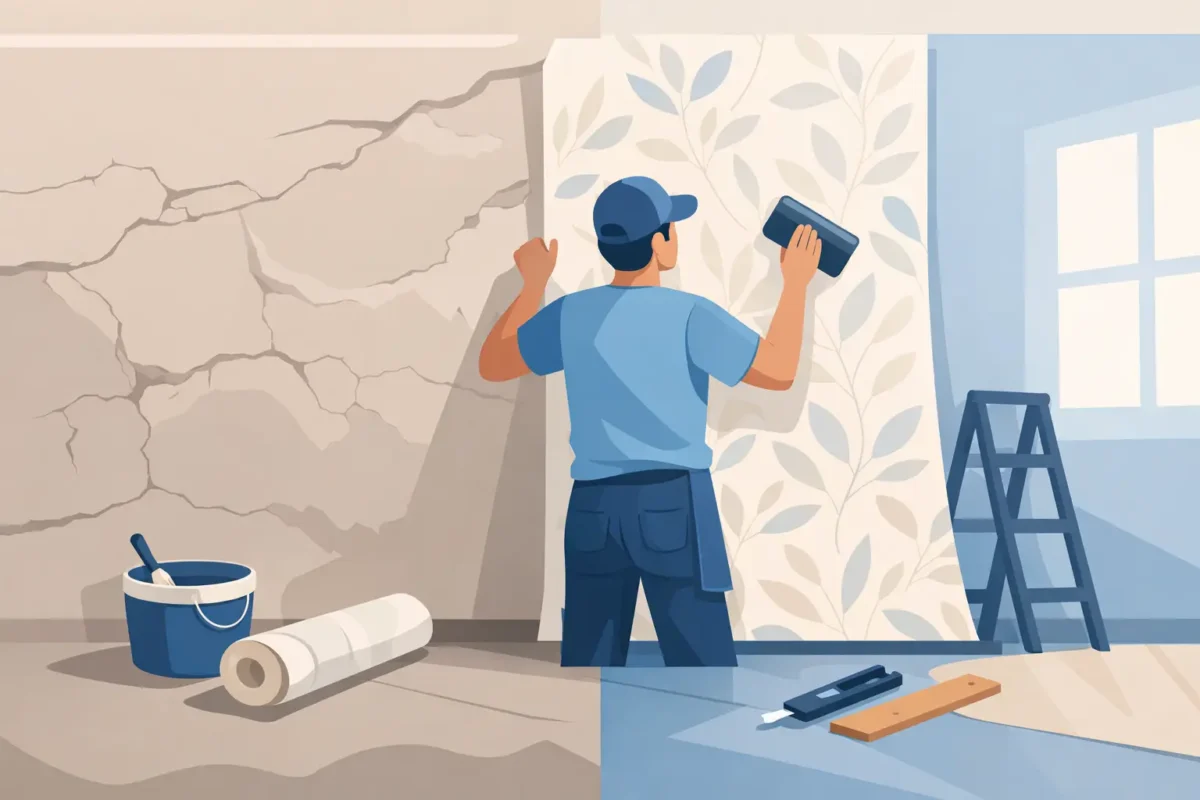
Installation also makes a visible difference. Even an excellent wallpaper can underperform if the wall preparation is poor or seam alignment is inconsistent. This is one reason clients working on higher-value homes, hospitality spaces, and branded interiors often prefer a supplier that can advise on selection, customization, and professional fitting as one coordinated process.
Standard wallpaper collections cover a wide range, but not every living room should be treated as standard. Developers, designers, and homeowners working on statement interiors sometimes need custom scale, bespoke mural composition, or a finish that coordinates precisely with architectural elements.
That is where a full-service wallcovering partner becomes valuable. Decorating Depot supports this level of execution with curated wallpaper collections, custom wall solutions, and professional installation, which is especially useful when design ambition and technical expectations need to align.
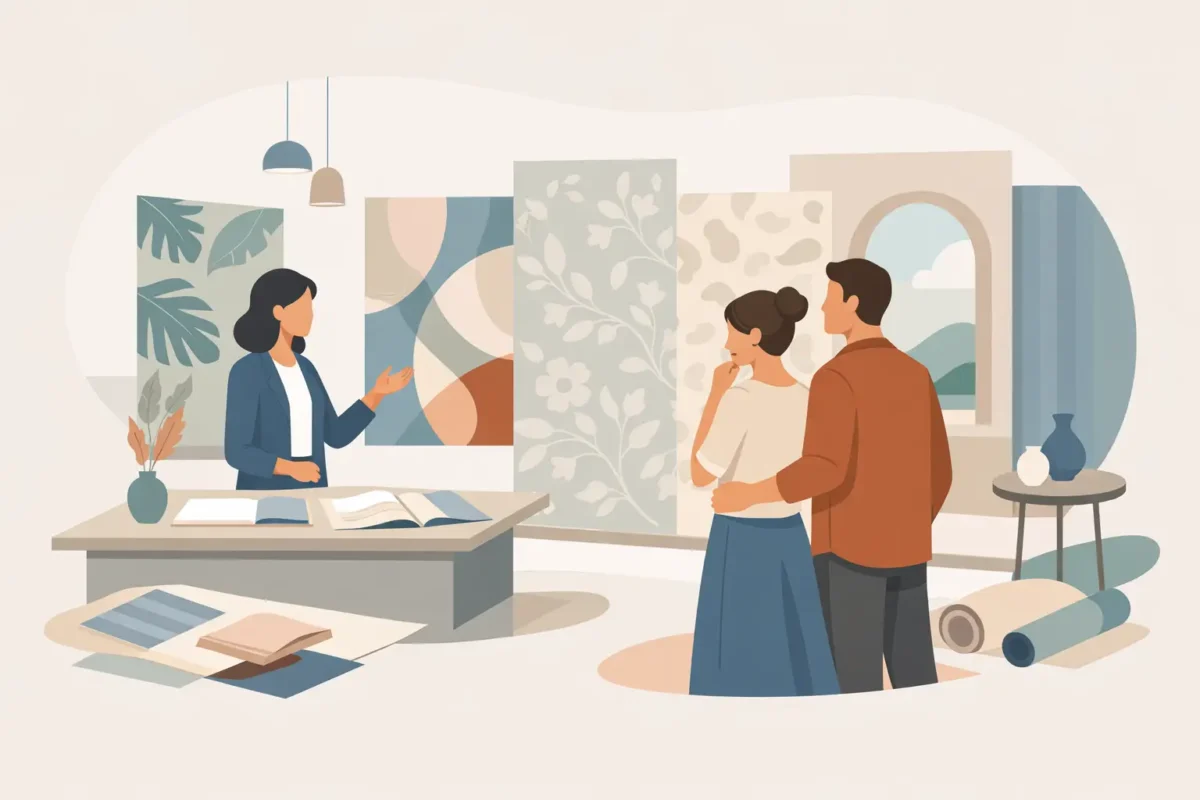
The best sample is not always the best wall. View wallpaper at scale, under the room’s actual lighting, and next to flooring, upholstery, curtains, and millwork finishes. A pattern that feels subtle in a showroom can become more pronounced across a full living room. The reverse is also true. Some textures only reveal their value once installed over a larger surface.
It helps to ask a few practical questions early. Will the room be formal or heavily used? Do you want the walls to disappear into the background or lead the design? Is this a quick refresh, or part of a longer-term interior investment? Those answers usually narrow the selection faster than chasing trends.
A well-chosen Korean wallpaper does not simply decorate a living room. It gives the room a stronger point of view – refined, comfortable, and built to last. Choose the finish that makes the space feel complete when everything else is quiet.