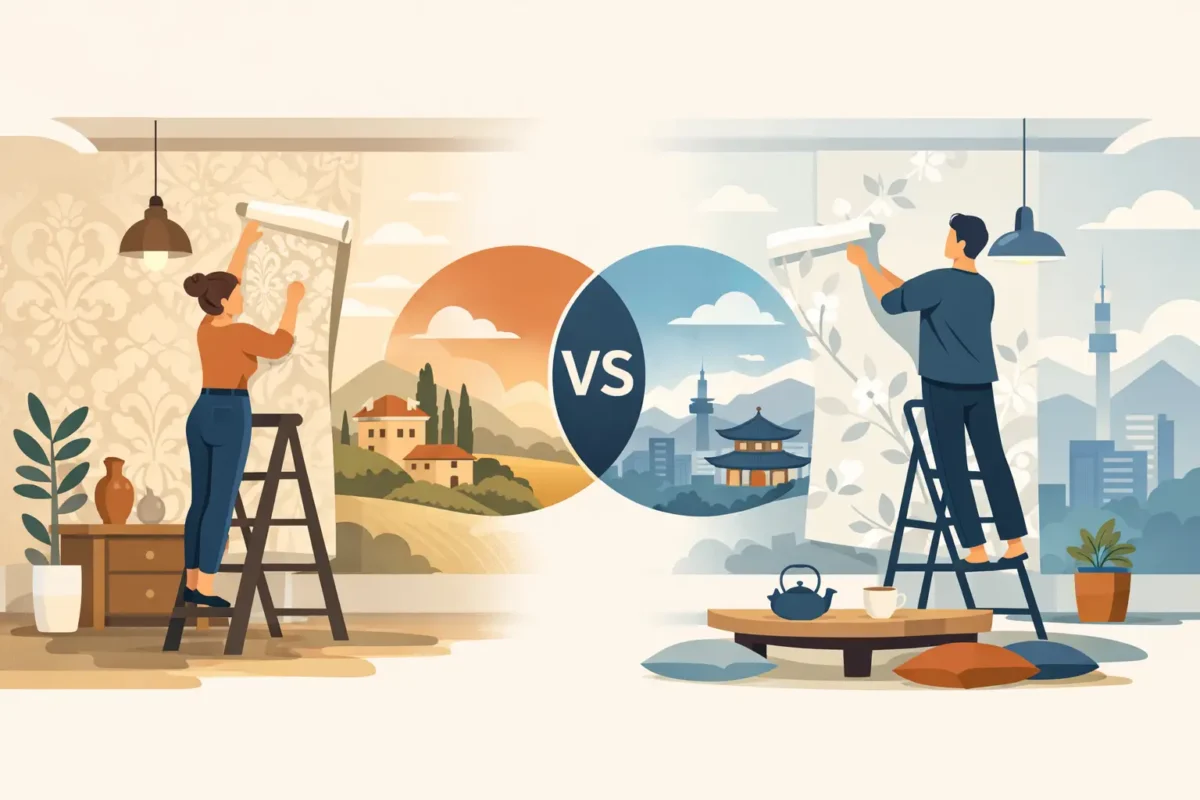
A wall finish can make a room look expensive or forgettable in a single glance. That is why European wallpaper brands continue to hold such a strong position in residential and commercial interiors. They are often chosen not only for pattern and color, but for the way they balance design pedigree, material quality, surface detail, and long-term performance.
For homeowners, designers, and project teams, the appeal is clear. European collections tend to feel more curated, more architectural, and more confident in their use of texture, scale, and finish. They are not simply decorative. In the right setting, they help define the atmosphere of a private residence, a boutique retail space, a hotel corridor, a reception area, or a feature wall that needs presence without looking overstated.
The strongest European wallpaper brands are shaped by long design traditions and highly developed manufacturing standards. That usually shows up in three ways. First, the patterns are more disciplined. Even bold florals, geometric repeats, metallics, and mural-inspired surfaces tend to feel intentional rather than busy. Second, the materials are often engineered for stability, washability, and visual depth. Third, the collections are usually built with coordination in mind, so a designer can move from one room to another without losing cohesion.
This matters because wallpaper is rarely selected in isolation. It sits against flooring, upholstery, stone, lighting, and built-in joinery. A strong European collection tends to understand that relationship well. The result is a wall finish that supports the full interior concept instead of competing with it.
There is also a practical advantage. Many European wallcoverings are produced for markets where performance expectations are high, especially in hospitality and commercial environments. Depending on the brand and substrate, that can mean better abrasion resistance, easier maintenance, improved dimensional stability, and finishes that retain their visual quality over time.
Not every premium wallpaper serves the same purpose. A beautiful catalog image does not automatically translate into the right fit for a condo, corporate office, restaurant, or guest room. The better approach is to compare brands through both a design lens and a technical lens.
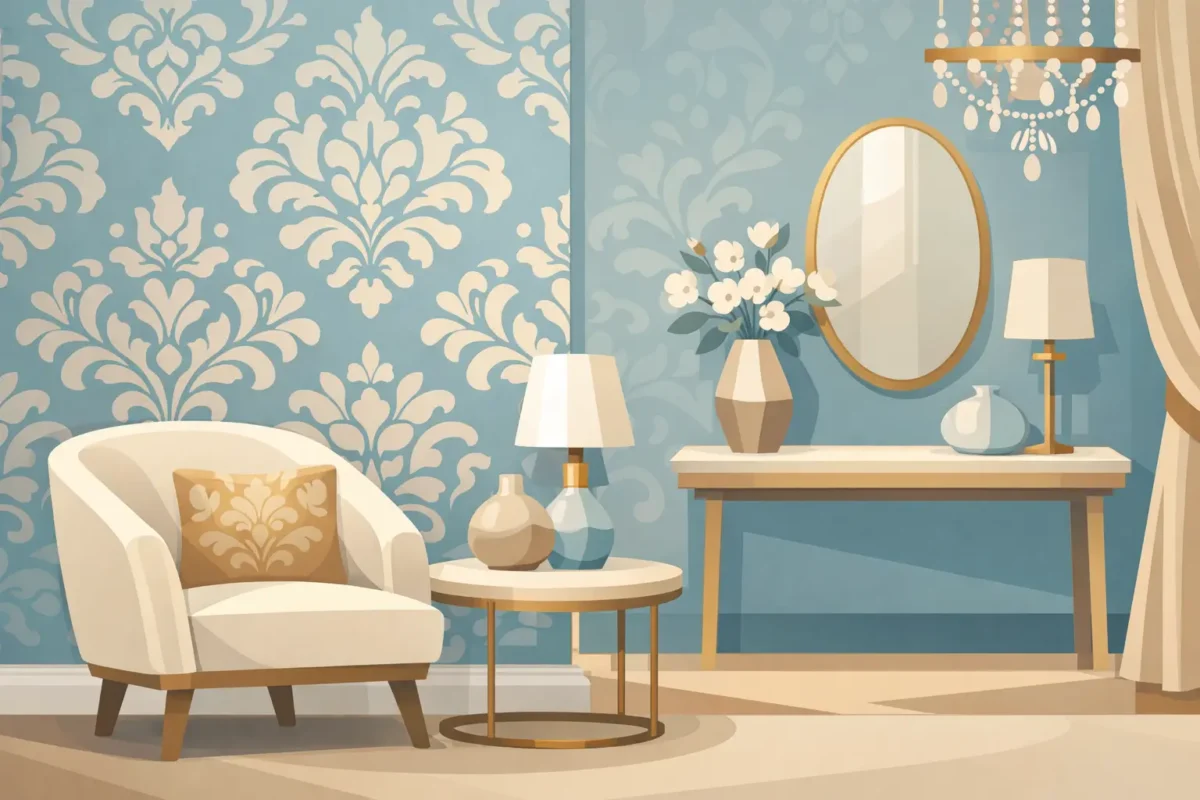
Some European wallpaper brands are known for classic elegance – damasks, refined stripes, soft botanicals, and understated texture. Others lean modern, with concrete effects, linen embossing, oversized geometry, and sculptural metallic finishes. Neither direction is better. It depends on the project.
For a residence, warmth and personality may matter most. For a branded commercial space, the priority may be a cleaner, more controlled backdrop. The strongest brands usually offer enough range to support both expressive feature walls and quieter supporting surfaces.
Wallpaper appearance is only part of the story. Vinyl-coated and non-woven constructions are popular because they offer a reliable mix of beauty and durability. In higher-traffic settings, fabric-backed vinyl wallcovering is often the smarter choice because it is engineered for commercial wear and easier maintenance.
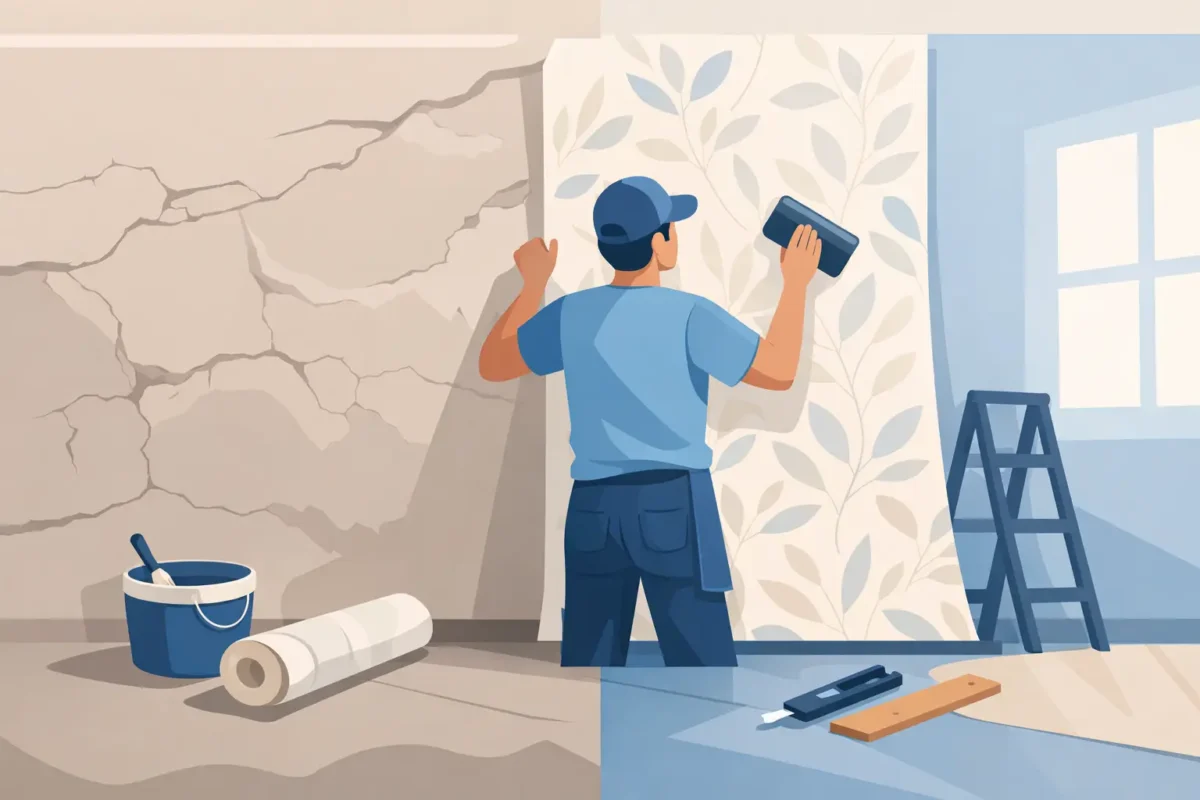
This is where specification becomes important. A paper-backed decorative wallpaper may be suitable for a bedroom or formal lounge, but not ideal for a lift lobby, retail walkway, or restaurant corridor. Choosing the right European-inspired look with the wrong technical build can create unnecessary replacement costs later.
Many of the most impressive European collections rely on texture as much as pattern. Embossed linen effects, plaster-like finishes, brushed metallic surfaces, and tactile relief prints can change how a wall reads under natural and artificial light. In person, these details often have much more impact than they do in photos.
That said, texture should be selected with the room in mind. Heavy texture can create drama, but it may overpower compact spaces or conflict with already layered interiors. A subtle woven or stone-inspired finish often gives more flexibility over time.
For hospitality, office, and family living environments, cleanability is not a side issue. It is part of the specification. Some wallpapers are designed for light decorative use, while others are built to handle regular wiping, higher contact areas, and more demanding maintenance routines.
If the project involves public-facing areas, it is also worth asking about fire performance, installation requirements, and substrate compatibility. Premium design should still meet real-world operational needs.
European design houses are especially strong when the goal is refinement with character. They tend to excel in styles that feel elevated rather than trendy.
Natural textures are a consistent strength. Linen effects, silk looks, grasscloth-inspired patterns, and mineral surfaces work well because they bring softness and structure at the same time. These are useful in living rooms, bedrooms, executive offices, and hotel suites where the wall should feel rich but not loud.
Architectural patterns are another category where European collections often perform well. Think clean geometrics, panel effects, rhythmic lines, and subtle relief designs that complement modern interiors. These choices suit developers, architects, and commercial clients who want walls that feel intentional and polished.
Classic decorative motifs also remain relevant, especially in luxury residences, formal dining spaces, and hospitality projects. The better European wallpaper brands update tradition rather than repeat it exactly. A damask may be larger in scale, a floral may use more muted color, and a stripe may have a textured ground that makes it feel current.
Metallic and reflective finishes deserve mention too. When handled well, they create a controlled sense of luxury. The key is restraint. A brushed champagne shimmer or soft pewter highlight can transform a wall. A highly reflective pattern across an entire room can quickly feel too busy, especially under strong artificial lighting.
One reason these collections remain popular is their flexibility across project types. In residential settings, they are often used to give bedrooms, lounges, and dining areas more identity. A textured neutral can make a home feel finished, while a statement wall can bring focus to a bedhead, staircase, or entertainment area.
In hospitality, wallpaper does more than decorate. It shapes guest perception. Corridors, reception spaces, lounges, and guestrooms all benefit from surfaces that feel layered and intentional. European wallpaper brands often suit this environment because they combine visual impact with a more tailored, premium finish.
For corporate interiors, the right wallcovering can soften hard architectural lines and strengthen brand presence without relying on loud color. Subtle texture, tailored patterns, and understated metallic accents work particularly well in boardrooms, waiting areas, and executive suites.
Retail spaces also benefit, although the design strategy is different. Here, wallpaper often needs to support merchandising and atmosphere at the same time. A strong European-style wallcovering can frame product zones, elevate fitting rooms, or create a signature backdrop without distracting from the merchandise.
There are times when even the best imported catalog does not fully solve the brief. A developer may need a project-specific colorway. A hotel may want artwork scaled precisely to suit each wall. A corporate client may need a branded mural, but still wants the sophistication associated with premium European surfaces.
That is where custom production becomes valuable. Instead of forcing a standard roll design into a space it was not made for, a custom wallcovering can deliver the same elevated look with better control over scale, material, and performance. For designers and commercial clients, this can be the difference between a good finish and a fully resolved one.
A specialist supplier with both broad wallpaper collections and custom print capability offers a practical advantage here. It simplifies sourcing, keeps the aesthetic standard high, and reduces the gap between concept and installation.
The best way to evaluate European wallpaper brands is to move beyond trend and ask sharper project questions. What mood should the space create? How much traffic will the wall face? Does the room need texture, pattern, or quiet visual depth? Will maintenance be simple or demanding? Is the wallpaper intended as a hero finish or a supporting surface?
Once those questions are answered, brand selection becomes easier. Some projects need softness and elegance. Others need durability first, with design closely behind. Many need both.
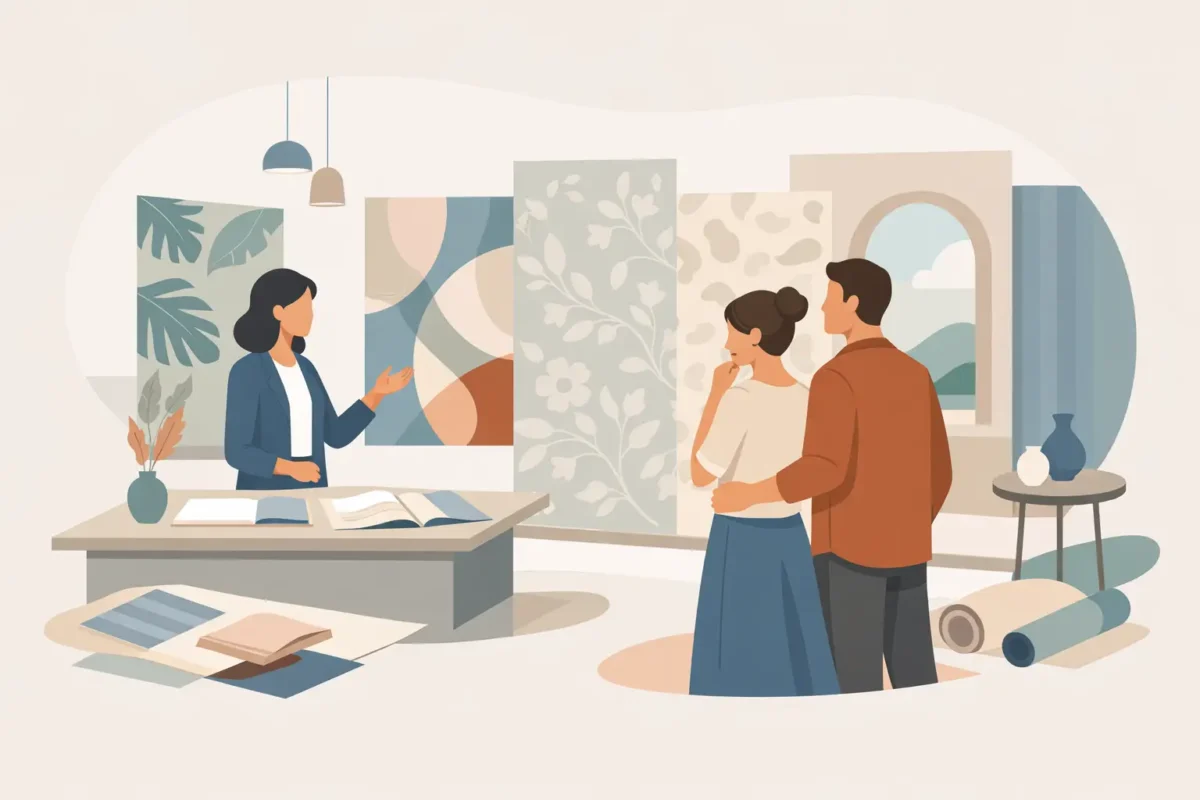
For clients who want design range with specification support, showroom guidance still matters. Seeing texture at full scale, comparing finishes under light, and matching a wallcovering to the practical demands of the site is where better decisions are made. Decorating Depot approaches wall finishes with that balance in mind – expressive design backed by material knowledge, custom capability, and installation confidence.
The right wallpaper should do more than fill a wall. It should give the space a clearer identity, hold up to real use, and still look considered years after installation.