A retail wall has seconds to do its job. It needs to pull customers in, support the merchandise, reinforce the brand, and still hold up to carts, cleaning, and daily traffic. That is why choosing the top wallcoverings for retail stores is not simply a design decision – it is a commercial one.
The right finish can sharpen a storefront concept, elevate perceived value, and reduce maintenance headaches over time. The wrong one can fade quickly, scuff easily, or compete with the product you are trying to sell. For retailers, designers, and developers, the best result usually comes from balancing visual impact with engineered performance.
Retail interiors work harder than most spaces. Fitting rooms, feature walls, checkout zones, window display backdrops, and circulation areas all place different demands on the surface. A boutique fashion store may want a soft, textured backdrop that feels refined up close. A beauty chain may need a wipeable finish that can handle product testing and constant cleaning. A lifestyle concept store may need one dramatic custom wall to anchor the entire customer journey.
This is where specification matters. Commercial-grade wallcoverings are built for durability, color retention, maintenance, and installation consistency. Depending on the material, they may also offer fire-retardant properties, better dimensional stability, and cleaner seam performance across large walls. For multi-site retail, consistency becomes just as important as aesthetics.
If one category consistently ranks among the top wallcoverings for retail stores, it is fabric-backed vinyl. This is often the first choice for commercial environments because it combines design range with dependable durability.
Fabric-backed vinyl performs well in high-traffic areas where walls are likely to be touched, bumped, or cleaned often. It resists abrasion better than many decorative residential papers, and it is easier to maintain in spaces where presentation standards are high. For stores selling apparel, cosmetics, electronics, or home goods, this material gives you a polished finish without asking the staff to baby the walls.
It also offers strong design flexibility. You can specify subtle linen effects, architectural textures, metallic accents, concrete-inspired surfaces, or refined neutrals that let merchandise stand out. The trade-off is that some lower-end vinyl looks too flat or synthetic. In a premium retail environment, material quality and print sophistication make a real difference.
Retail is brand theater. Custom print wallpaper gives you precise control over that experience.
For concept stores, launch spaces, beauty counters, and branded departments, custom print allows walls to carry campaign visuals, signature patterns, seasonal storytelling, or location-specific graphics. This can be especially useful when standard wallpaper collections do not quite match your palette, typography, or art direction.
The key advantage is alignment. A custom wallcovering can echo packaging, signage, and digital assets so the entire space feels intentional. With advanced printing and proper substrate selection, the result can be both visually crisp and commercially durable. Eco-friendly ink systems are another meaningful advantage for brands that want strong visual output without compromising on cleaner production standards.
This option does require discipline. Highly branded walls can date faster than timeless textures, so retailers should decide whether the installation is meant to last for years or support shorter campaign cycles. In flagship settings, custom print often works best when paired with quieter surrounding finishes.
A mural is not just decoration. In retail, it can become the focal point that shapes how the store is photographed, remembered, and shared.
Bespoke murals work particularly well behind cash wraps, in feature display zones, inside fitting room lounges, or across large perimeter walls that need a stronger identity. For lifestyle retail, hospitality-led retail, and premium fashion concepts, murals can create a richer sense of place than repeating wallpaper patterns alone.
The strongest retail murals are usually selective rather than excessive. One dramatic wall can create impact; too many can make the environment feel visually busy. Scale matters as well. In a compact store, oversized graphics can overwhelm product displays. In a large-format retail space, they can provide structure and improve wayfinding.
When produced on commercial-grade materials and installed with precision, murals offer both storytelling and finish quality. Decorating Depot, for example, combines custom production capability with project-ready installation, which is exactly the kind of end-to-end support retailers need when a statement wall has no room for execution errors.
When the goal is sophistication rather than overt branding, textured European wallpaper is a strong contender. This category brings depth, tactility, and visual layering to stores that want a more elevated atmosphere.
Luxury fashion, jewelry, fragrance, home décor, and private appointment spaces often benefit from textures that feel understated yet expensive. Soft plaster looks, woven effects, brushed metallics, and fine embossed patterns can frame products beautifully without stealing attention. They also add warmth in a way that painted drywall rarely can.
The main consideration is performance fit. Not every luxury-looking paper is suitable for demanding traffic conditions. In decorative zones with lighter physical wear, these finishes can be ideal. In narrow aisles, children-focused retail, or areas with heavy cleaning routines, a more durable commercial substrate may be the better choice.
Korean wallpaper remains popular for good reason. It offers a wide design range, contemporary styling, and excellent value for retailers looking to refresh interiors efficiently.
For pop-up stores, specialty shops, seasonal revamps, and secondary zones, Korean wallpaper can deliver a clean, modern finish across many visual styles. Retailers can choose from minimal textures, soft neutrals, geometric patterns, and subtle decorative effects that make a store feel more finished and current.
This category is especially useful when budget control matters but the space still needs a considered design language. The trade-off is that not every option in this segment is intended for the toughest commercial wear. Specification should be guided by wall location, traffic level, and maintenance requirements, not just by pattern alone.
Retailers often want the look of stone, wood, leather, concrete, or linen without the cost, weight, or installation complexity of the real material. High-quality faux-finish wallcoverings solve that problem well.
These surfaces create atmosphere quickly. A cosmetic store may use marble-look wallcoverings to suggest refinement. A streetwear concept may lean into concrete or industrial textures. A home store may prefer woodgrain or woven effects to soften the environment. Because the wallcovering is lighter and faster to install than many hard finishes, it can be a practical route to premium visual depth.
Success depends on realism. Poor faux finishes can cheapen the space. Better commercial wallcoverings use sophisticated embossing, layered printing, and richer surface variation so the finish feels convincing under store lighting and in customer photos.
Some retail areas are less about drama and more about endurance. Hallways, stock transition zones, family retail environments, and high-touch customer areas benefit from wallcoverings engineered for easy maintenance.
These products are designed to be cleaned regularly while still presenting well. They are useful where product contact, fingerprints, dust, or incidental marks are unavoidable. In chain retail and mixed-use commercial projects, that can have a measurable effect on lifecycle value because walls stay presentable longer and require fewer touch-ups than painted surfaces.
The design opportunity here is better than many assume. Performance-driven does not have to mean plain. Today’s commercial collections offer refined neutrals, subtle patterns, and tactile finishes that meet practical demands without making the store feel utilitarian.
The best specification starts with the sales floor, not the sample book. Think first about traffic intensity, lighting, brand positioning, cleaning frequency, and how often the concept may need to evolve. A luxury store and a discount store may both want beautiful walls, but they will not have the same durability threshold or visual strategy.
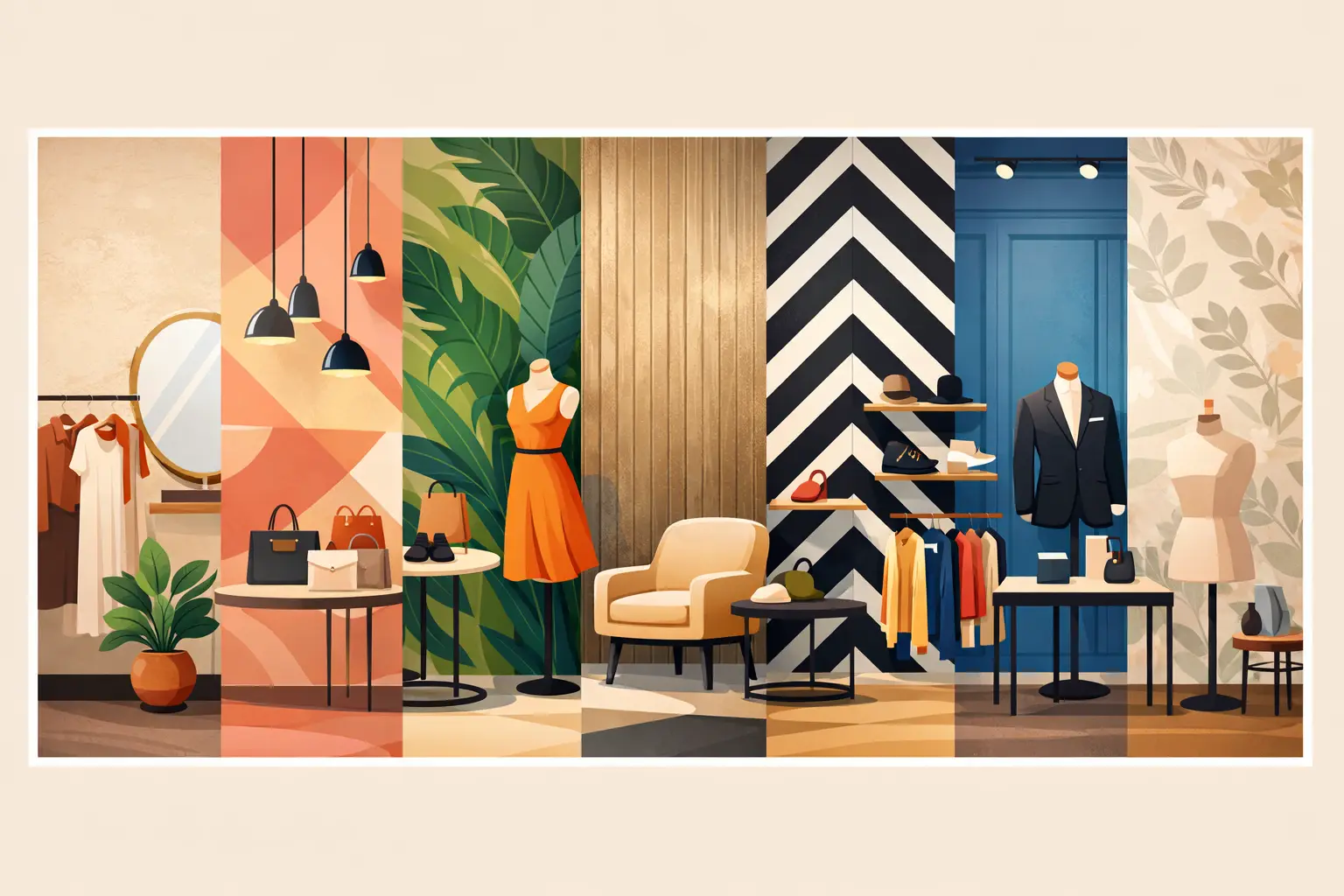
Scale also matters. A highly patterned wallcovering can energize a feature area, but across a full store it may fight with visual merchandising. Neutral textures tend to age more gracefully, while custom graphics bring stronger brand recall. In many projects, the smartest approach is layered: durable commercial vinyl in heavy-use areas, premium texture in focal zones, and a mural or custom print where you want the customer to pause.
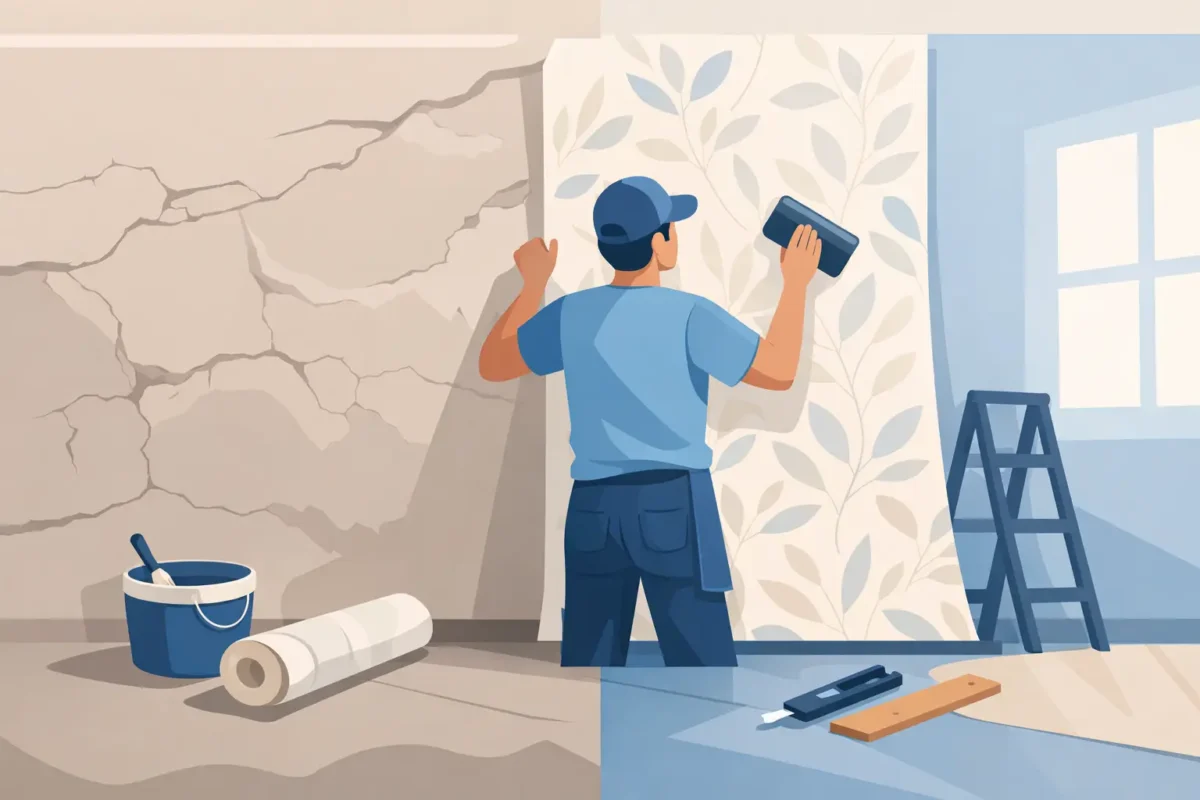
Installation should never be treated as an afterthought. Even a premium wallcovering will disappoint if seams are misaligned, corners are poorly finished, or substrate preparation is rushed. In retail, where every surface is part of the customer experience, flawless execution is part of the design.
A well-chosen wallcovering does more than cover a wall. It shapes mood, supports merchandising, and signals the level of quality customers can expect the moment they walk in. If you want a store to feel more distinctive, more polished, and more aligned with the brand it represents, start with the surface that frames everything else.