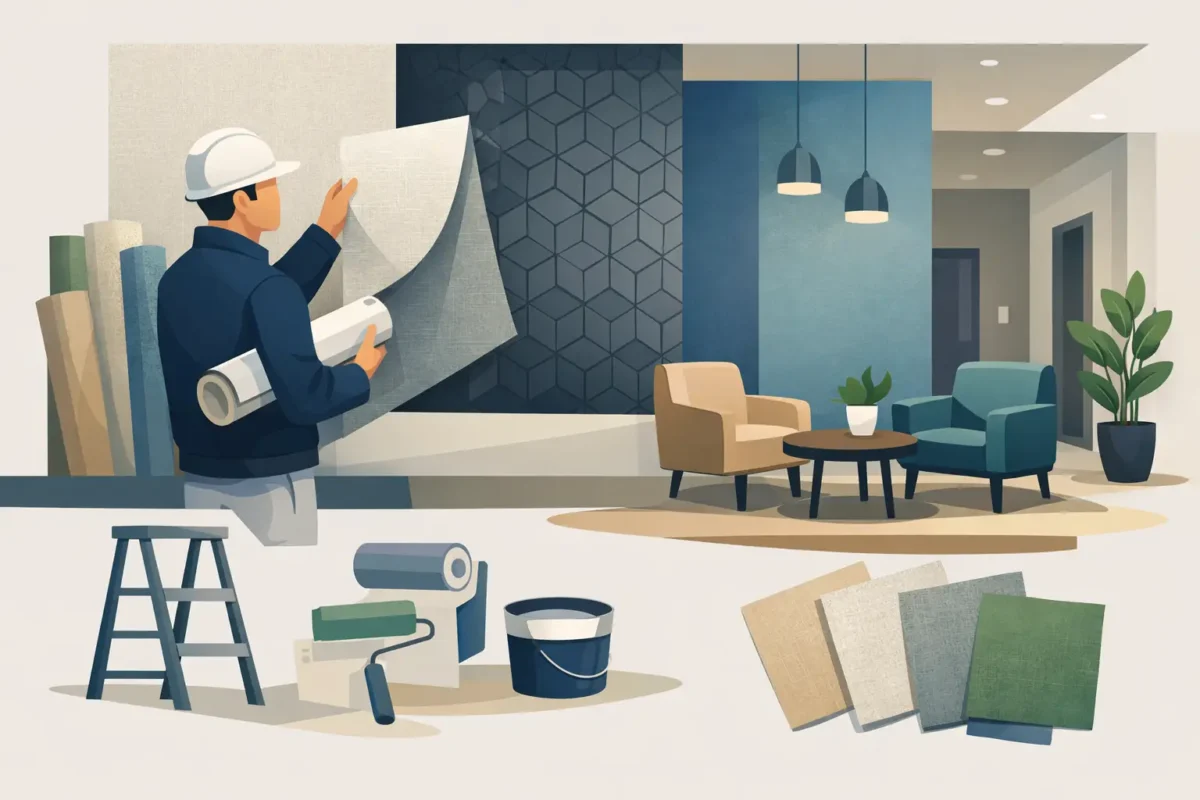
A proper korean wallpaper quality review starts where most projects succeed or fail – not with the pattern book, but with the material itself. A wallcovering can look refined in a sample and still underperform once it meets humidity, daily contact, uneven walls, or demanding cleaning routines. For homeowners, designers, and commercial specifiers, quality is not just visual. It is a combination of finish, stability, washability, installation behavior, and how well the product holds its appearance over time.
Korean wallpaper has earned a strong reputation because it often balances design flexibility with practical performance. It is widely specified for residential interiors, but it also appeals to offices, retail spaces, hospitality settings, and show units where speed, variety, and a polished result matter. That said, not every Korean wallpaper is equal. The best results come from understanding what separates an attractive option from a reliable one.
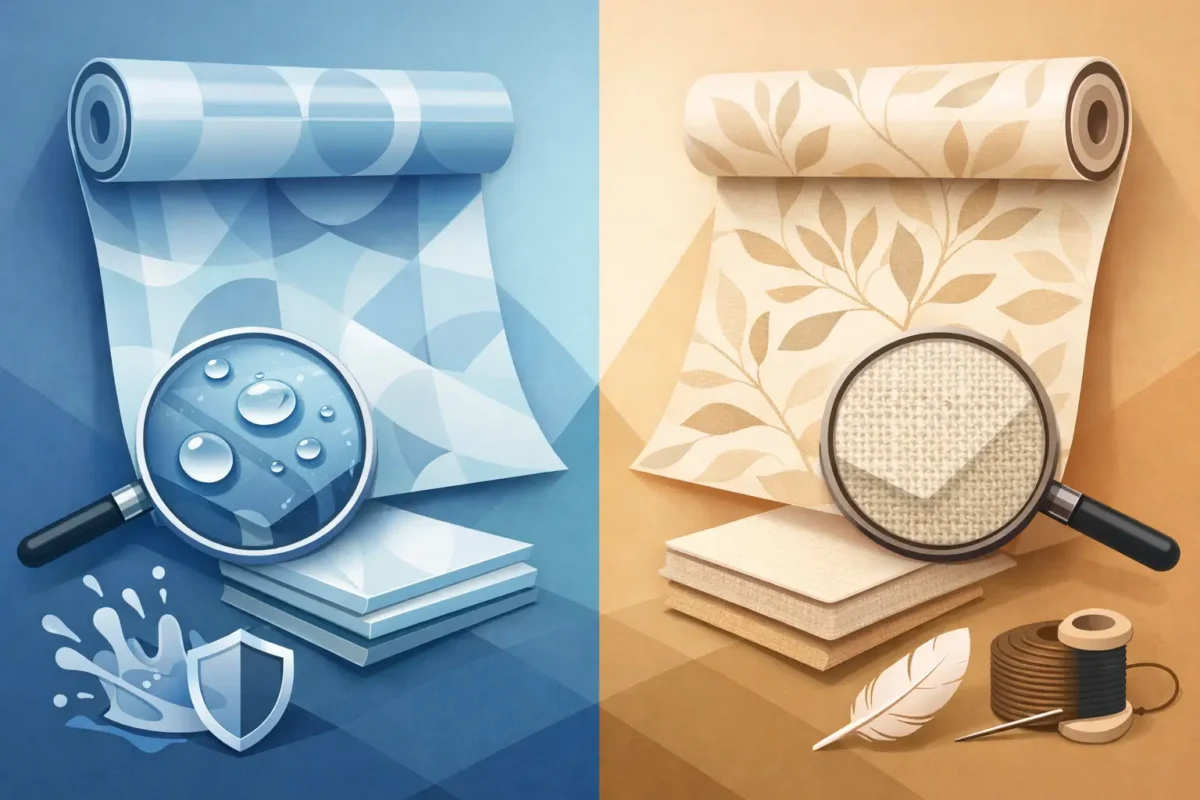
When professionals assess wallpaper quality, they usually look past trend-driven prints and focus on build. Korean wallpaper is commonly produced with a PVC-coated surface over a paper or non-woven backing. That layered construction matters because it influences durability, stain resistance, texture depth, and ease of installation.
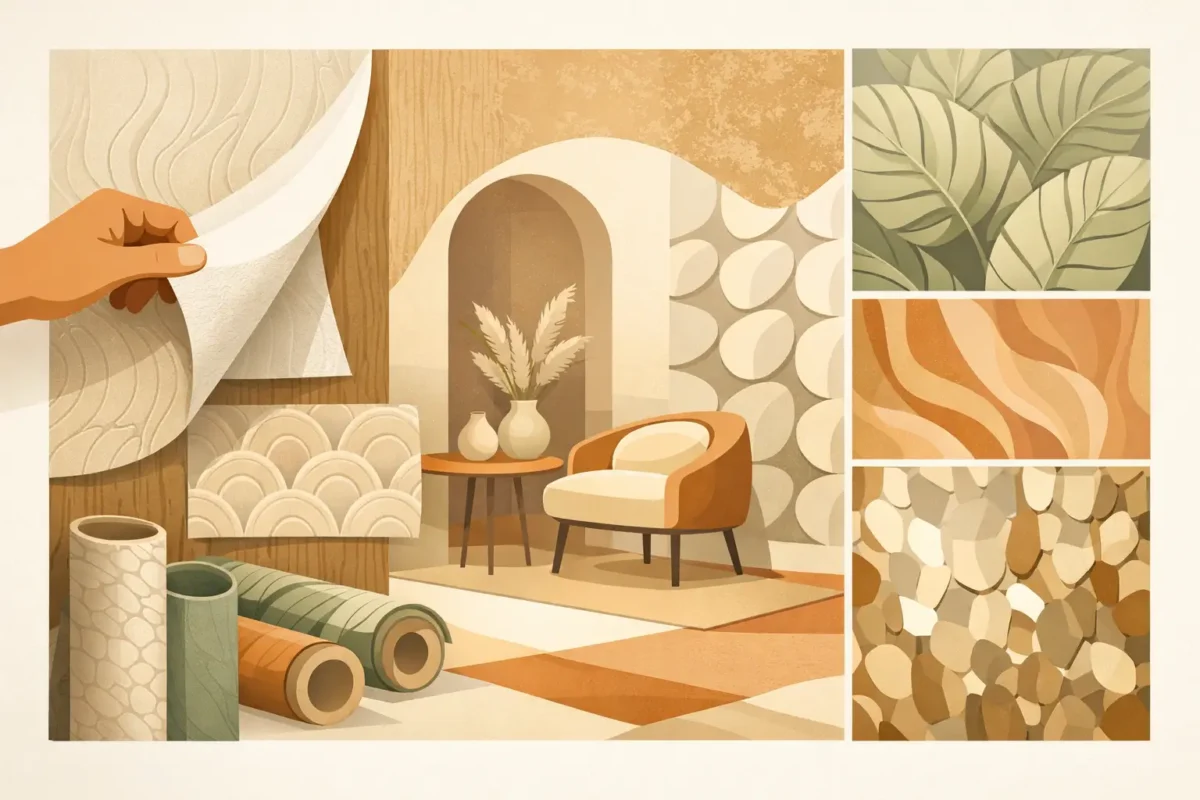
A good surface layer should feel consistent, not overly thin or plasticky. Better-quality products have a refined embossed finish that gives visual depth while helping disguise minor wall imperfections. This is one reason Korean wallpaper remains popular in both new builds and renovation work. It can deliver a cleaner final look than paint, especially when existing walls are less than perfect.
Backing quality is just as important. A stable backing helps the wallpaper hang straight, resist bubbling, and maintain its shape during installation. Inferior backing can expand unpredictably with adhesive or contract after drying, which leads to visible seams. In premium interiors, that kind of inconsistency is hard to ignore.
Korean wallpaper often stands out for its balance. It is usually more design-forward than basic contract vinyls, yet more forgiving and easier to maintain than delicate natural wallcoverings. For many residential and light commercial spaces, that makes it a smart middle ground.
Compared with standard painted walls, it offers more texture, richer pattern repetition, and better coverage of minor surface flaws. Compared with some European designer wallpapers, it can be more cost-efficient across large areas while still delivering a high-end visual effect. Compared with fabric wallcoverings, it is typically easier to clean and less vulnerable to staining.
The trade-off is that performance depends heavily on where it is used. In a bedroom, lounge, private office, or feature wall, Korean wallpaper can perform beautifully for years. In a high-abuse corridor, food service area, or wet zone, product selection becomes more technical. Not every decorative wallpaper is meant for heavy-duty contact or constant moisture exposure.
One of the strongest points in many Korean wallpaper collections is day-to-day durability. The coated surface generally handles light impact, brushing contact, and routine household wear better than paint. This matters in homes with children, in reception areas, and in commercial interiors where walls are part of the visual experience.
Still, scratch resistance is not unlimited. Deep embossing can help mask marks, but sharp furniture edges, repeated abrasion, or improper cleaning tools can damage the finish. If the wall is likely to face luggage traffic, chair impact, or heavy equipment movement, a more project-grade wallcovering may be the better specification.
Maintenance is another area where Korean wallpaper performs well. Many options are washable, which gives them an advantage in family living spaces, meeting rooms, boutiques, and managed properties. Dust can usually be removed with a soft dry cloth, and light surface marks often respond well to gentle wiping.
That said, washable does not mean invincible. Harsh chemicals, abrasive pads, and over-wetting can compromise the surface. For commercial clients, cleaning protocols should match the product rating. In premium spaces, preserving the finish is part of protecting the investment.
A korean wallpaper quality review should also account for design execution. This is not simply about whether a pattern is stylish. It is about how convincingly the wallpaper delivers texture, scale, color consistency, and repeat alignment.
High-quality Korean wallpaper tends to excel in subtle luxury. Linen effects, concrete visuals, soft metallics, textile-inspired embossing, and quiet geometric patterns are often produced with impressive clarity. These finishes can add dimension without overwhelming a room, which is exactly what many contemporary residential and hospitality interiors need.
Print consistency matters as much as design selection. The color should remain stable from roll to roll, especially on larger projects where multiple batches may be used. Pattern repeats should align cleanly. Metallic or pearlescent effects should appear intentional and even, not patchy under changing light.
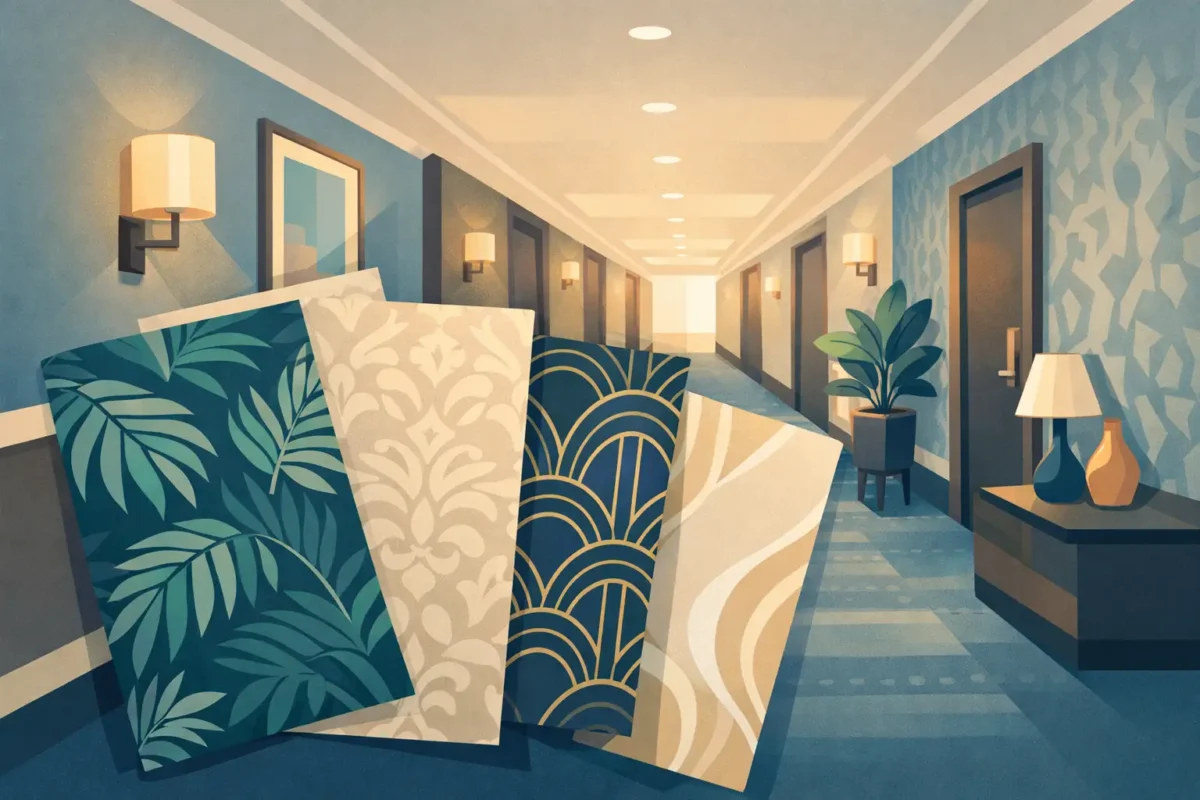
This is where showroom review becomes valuable. Large samples reveal what small swatches cannot – how the texture catches light, how the pattern scales across a full wall, and whether the finish reads premium from different viewing distances.
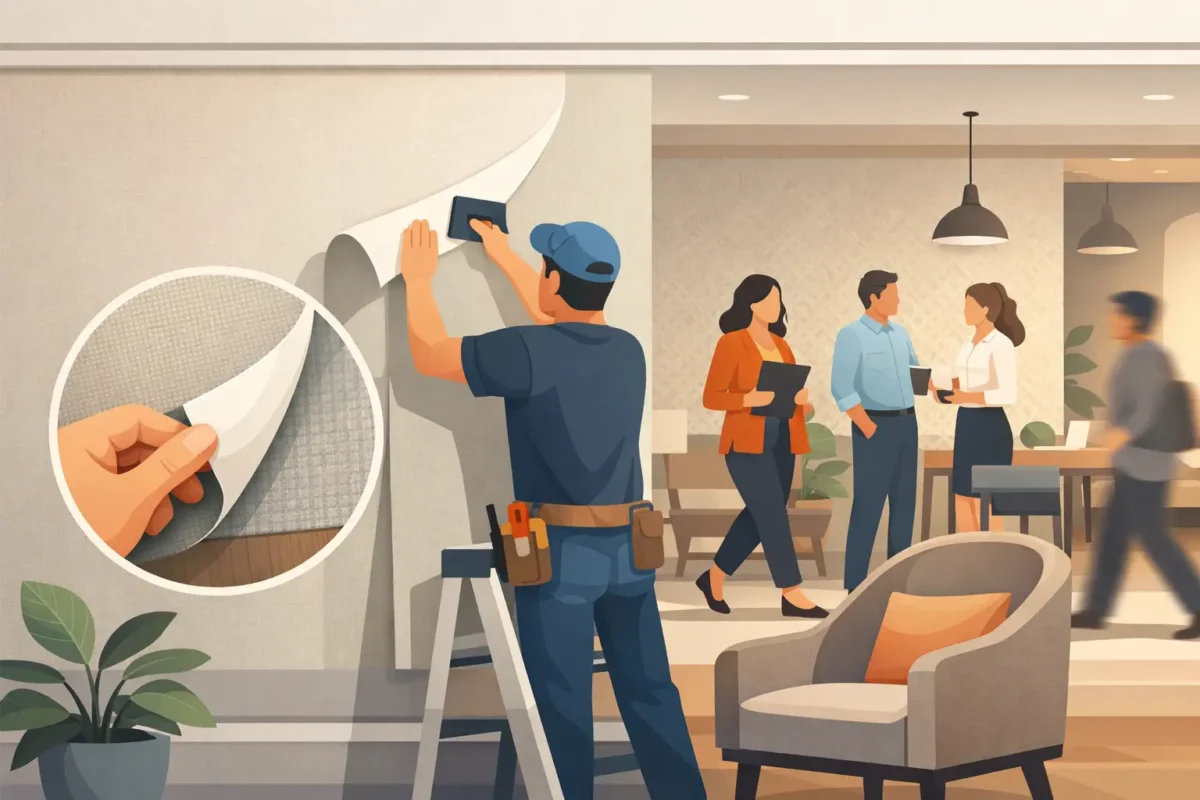
Even excellent wallpaper can look average when installed poorly. Korean wallpaper is often selected because it can install efficiently, but that does not mean installation is casual work. Wall preparation, adhesive choice, seam handling, and substrate condition all affect the final result.
Walls should be smooth, dry, and properly sealed. If the substrate is dusty, uneven, or still carrying moisture, the wallpaper may not bond correctly. Seams can lift, bubbles can form, and the finish may age prematurely. Professional installation protects both appearance and longevity.
In larger residential and commercial projects, installation quality also affects visual continuity. Pattern flow around corners, clean trimming at ceilings and reveals, and careful handling around sockets or joinery all contribute to a polished wall finish. That precision is often what separates a premium result from a merely acceptable one.
Korean wallpaper can help visually soften small wall defects, but it is not a cure for major surface problems. Cracks, moisture damage, active mold, and unstable plaster should be resolved before installation. Covering these issues may hide them temporarily, but they usually return and compromise the wallcovering.
For developers, designers, and hospitality operators, this matters during project planning. A faster decorative finish only works when the substrate is ready to receive it.
Korean wallpaper is especially strong in living rooms, bedrooms, dining spaces, offices, show units, private lounges, retail interiors, and selected hospitality areas. It works well when the goal is visual richness with manageable maintenance.
It is also effective when you need breadth of design. Korean collections often include modern neutrals, luxury textures, soft classic motifs, and commercial-friendly patterns that work across different property types. This flexibility is valuable for designers working across residential and business environments.
Where greater caution is needed is in wet walls, direct splash zones, and highly aggressive traffic areas. In those spaces, the correct specification may be a more heavy-duty commercial wallcovering rather than a decorative residential-grade product. Quality is not just about choosing a better-looking wallpaper. It is about matching the material to the demands of the site.
For many projects, yes. Korean wallpaper offers a compelling mix of aesthetic value, texture, install efficiency, and practical durability. It can elevate plain walls quickly and create a more finished interior than paint alone, often without the fragility associated with more delicate decorative surfaces.
Its value becomes even clearer when the selection is curated properly. The best outcomes come from choosing the right grade, reviewing full-size samples, and aligning the product with the room’s actual use. A statement wall in a master bedroom needs different performance characteristics than a feature wall behind a reception desk.
This is also why supplier expertise matters. A strong wallcovering partner does more than present attractive books. They help evaluate finish quality, recommend suitable categories, and ensure installation standards support the product. For clients balancing design ambition with technical performance, that guidance saves time and avoids expensive rework.
At Decorating Depot, this is where the difference between decoration and specification becomes clear. A wallcovering should transform the space, but it should also stand up to the way that space is lived in, worked in, and presented. Korean wallpaper can do both when chosen with a trained eye.
If you are considering it for a home, office, retail concept, or hospitality interior, judge it the way professionals do – by surface quality, backing stability, washability, design consistency, and installation readiness. The pattern may catch attention first, but real quality is what keeps the wall looking exceptional long after the project is complete.