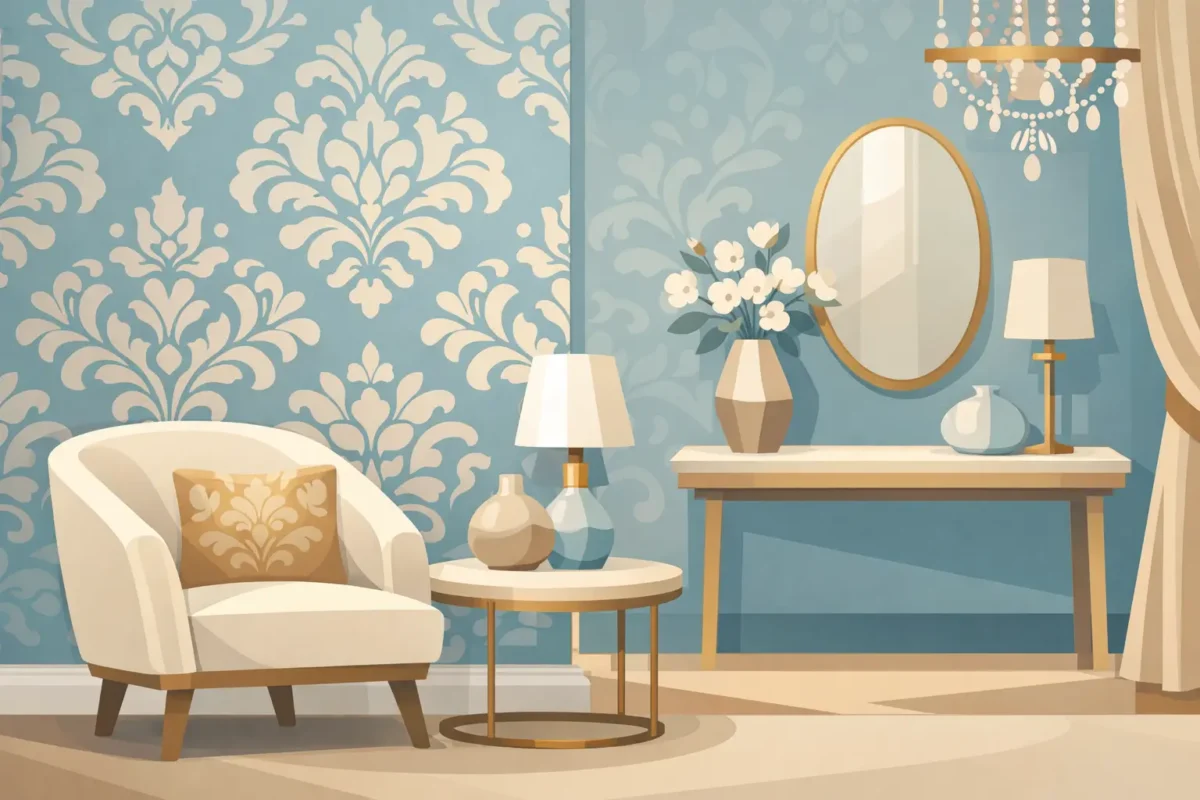
A statement wall can look exceptional in a sample image yet disappoint once it fills an entire lobby, bedroom, retail store, or hotel corridor. This Canon wallpaper printing quality review looks at what separates a visually impressive custom mural from a wall finish that remains refined at full scale: color accuracy, image detail, material performance, and professional installation.
For homeowners, designers, architects, and project teams, the printer is only one part of the result. Canon large-format printing technology provides the precision needed for expressive interiors, but the final quality depends equally on artwork preparation, the selected wallcovering substrate, the site conditions, and the care taken during production and fitting.
Canon large-format printing is well suited to wallpaper and mural applications because it is designed to reproduce high-resolution imagery with controlled color, fine tonal transitions, and strong visual consistency. Those qualities matter when a design spans multiple panels. A misty landscape, brushed plaster effect, botanical illustration, or brand graphic should read as one continuous composition, not a series of separate printed strips.
The most immediate strength is detail. Fine linework, textile-inspired textures, soft gradients, and photographic imagery can retain their intended character when the source file is properly prepared. At close range, viewers should see clean edges and controlled transitions rather than visible banding, pixelation, or excessive ink buildup. From across a room, the mural should have depth and presence without appearing harsh or artificially saturated.
Color is another defining advantage. In a premium interior, color is not simply decorative. It supports a design concept, reflects a hospitality brand, complements furniture and lighting, or creates a specific emotional response. High-quality Canon output can reproduce deep charcoals, warm neutrals, layered greens, and nuanced skin tones with greater confidence than basic decorative printing. Exact color matching still requires testing, particularly for corporate identity colors or finishes viewed under specialized lighting.
A quality review should not be limited to how a mural looks on the day it is installed. It should consider how the printed surface performs under real use, from sunlight in a residence to frequent cleaning in a commercial setting.
A high-resolution file does not automatically guarantee a sharp wall mural. The artwork must have enough effective resolution for its final dimensions. A small image enlarged to cover a 15-foot feature wall may appear acceptable on screen but reveal softness, digital noise, or broken detail in person.
For this reason, professionally produced wallpapers begin with a file assessment. Scale, cropping, panel divisions, viewing distance, and the character of the artwork all influence the final result. A large abstract composition can be more forgiving than a detailed architectural photograph. A close-up floral design may look beautiful at a distance but needs careful checking at eye level.
Wallpaper panels must align both physically and visually. Even a subtle variation in tone can become obvious across a pale sky, a solid colored backdrop, or a minimalist mural. Controlled production workflows help maintain consistency across panels, while careful panel numbering and installation planning protect the intended flow of the image.
Lighting deserves equal attention. Warm residential lighting can shift whites toward cream, while cool office lighting can make gray and blue tones appear more pronounced. Before approving a large custom project, viewing a proof or sample in the intended environment is a practical safeguard. It is especially valuable for hotel, retail, healthcare, and branded commercial spaces where a specified color palette must remain credible throughout the property.
The printed image and the wallcovering surface work together. A matte finish can give murals an elegant, architectural appearance by minimizing glare and making artwork feel more integrated with the wall. Textured surfaces introduce tactility and can enhance designs inspired by linen, plaster, woven fabric, stone, or hand-painted finishes.
Glossier surfaces can increase visual intensity, but they may reveal reflections in brightly lit rooms. They are not always the preferred choice for a large feature wall. The right finish depends on the location, the design, and the surrounding lighting plan.
Canon printing technology supports rich color and detailed imagery, while modern ink systems can also support lower-odor, eco-conscious interior applications. For occupied environments such as homes, hospitality spaces, offices, and retail interiors, this consideration is meaningful. The material specification should still be selected according to the project requirements, including any fire-rating, maintenance, and environmental standards.
A premium print on an unsuitable substrate will not deliver premium performance. Wallpaper quality is shaped by the relationship between ink, base material, adhesive, wall preparation, and the conditions of the space.
For residential feature walls, a smooth non-woven wallpaper may be ideal for crisp graphics and a refined matte look. It provides a clean canvas for custom illustrations, family-inspired murals, and oversized photographic scenes. For commercial environments, fabric-backed or project-grade wallcoverings may offer greater resistance to wear and a more substantial finish suitable for corridors, meeting rooms, restaurants, and guest areas.
Bathrooms, pantries, high-traffic retail settings, and other demanding locations call for a more careful material conversation. Moisture, abrasion, cleaning frequency, and exposure to direct sun can affect long-term appearance. No printed wallpaper should be treated as maintenance-free, but a suitable substrate and protective specification can make a major difference in how well the design ages.
Fire performance is also central in many commercial projects. Where code compliance is required, the wallcovering must be evaluated as a complete specified product, not chosen solely for the visual appeal of the print. This is where a project-grade supplier adds value: design freedom can be matched with the technical requirements of the site.
Even advanced print technology has limits. A Canon wallpaper printing quality review should be honest about the conditions that can reduce the result.
Poor source artwork is the most common issue. Low-resolution images, heavily compressed files, screenshots, and unlicensed web images rarely translate well to wall scale. Excessive editing can also create unnatural colors or lost shadow detail. The best approach is to begin with original artwork, professionally supplied imagery, or a design created specifically for the final wall dimensions.
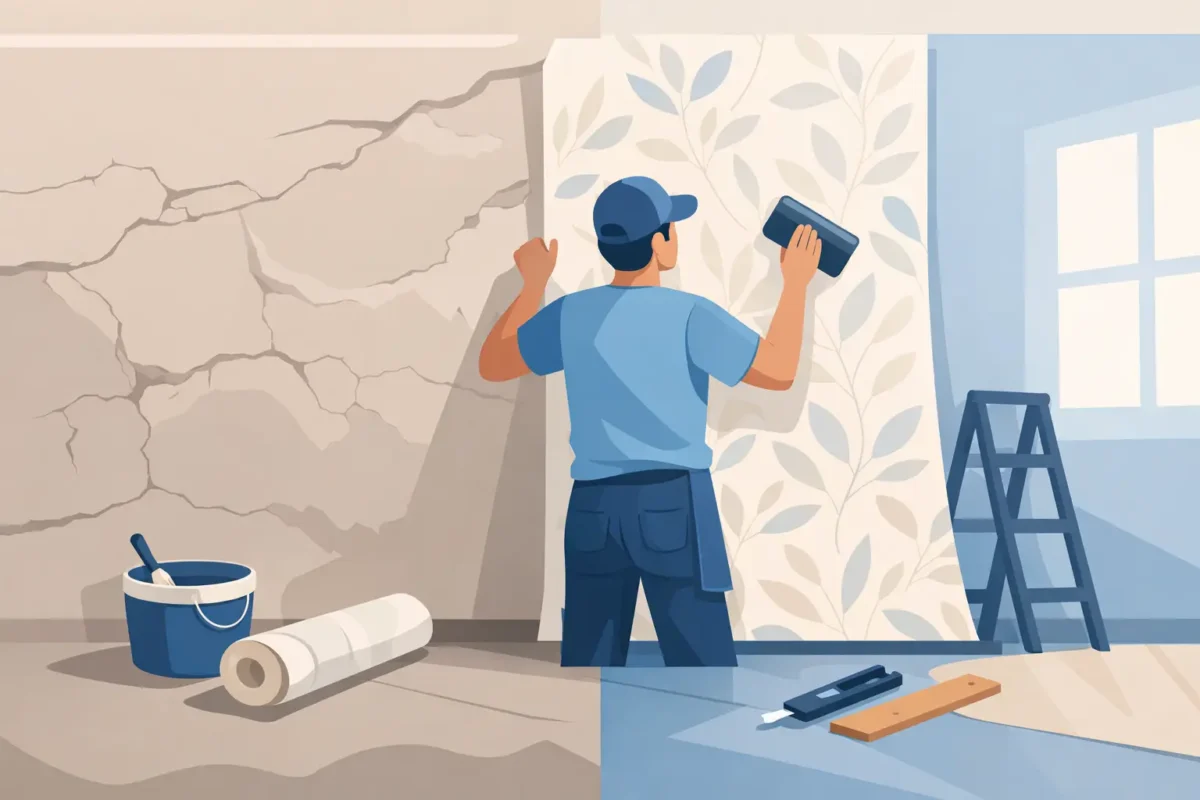
Wall conditions can be equally disruptive. Uneven surfaces, fresh paint, dampness, cracks, dust, and poorly prepared corners can affect adhesion and panel alignment. A mural may be printed perfectly yet still look compromised if installed over an unsuitable wall. Professional site assessment and wall preparation are not optional details on a high-visibility project.
Finally, expectations should match the chosen material. A textured commercial wallcovering may slightly soften photographic detail compared with a smooth finish, while adding durability and dimensional character. A smooth substrate may deliver cleaner fine art reproduction but be less appropriate for a heavily used public area. Quality is not one fixed standard. It is the correct balance of visual impact, performance, and budget for the space.
Custom wallpaper is a coordinated design product, not simply a file sent to a printer. A reliable workflow checks artwork scale, creates panel layouts, confirms substrate selection, reviews color where necessary, and coordinates installation details around outlets, doors, windows, architectural features, and furniture.
At Decorating Depot, Canon printing technology is paired with a broad range of decorative and commercial-grade wallcovering materials, allowing a mural to be specified for both its visual ambition and its practical demands. This matters whether the goal is a quiet bedroom backdrop, a branded office reception, a dramatic restaurant wall, or a hospitality interior that must retain its finish through daily use.
Installation is the final quality control stage. Skilled installers manage pattern matching, panel sequencing, edge finishing, trimming, and alignment around difficult details. When the image has been designed thoughtfully and the wall is prepared correctly, the result appears intentional from every viewing angle.
The best custom wallpaper does more than reproduce an image. It gives a room identity, scale, and atmosphere while meeting the expectations of the people who will live, work, shop, or stay within it. Start with the wall, the lighting, and the purpose of the space, then select the print, material, and installation approach that allow the design to perform beautifully for years.