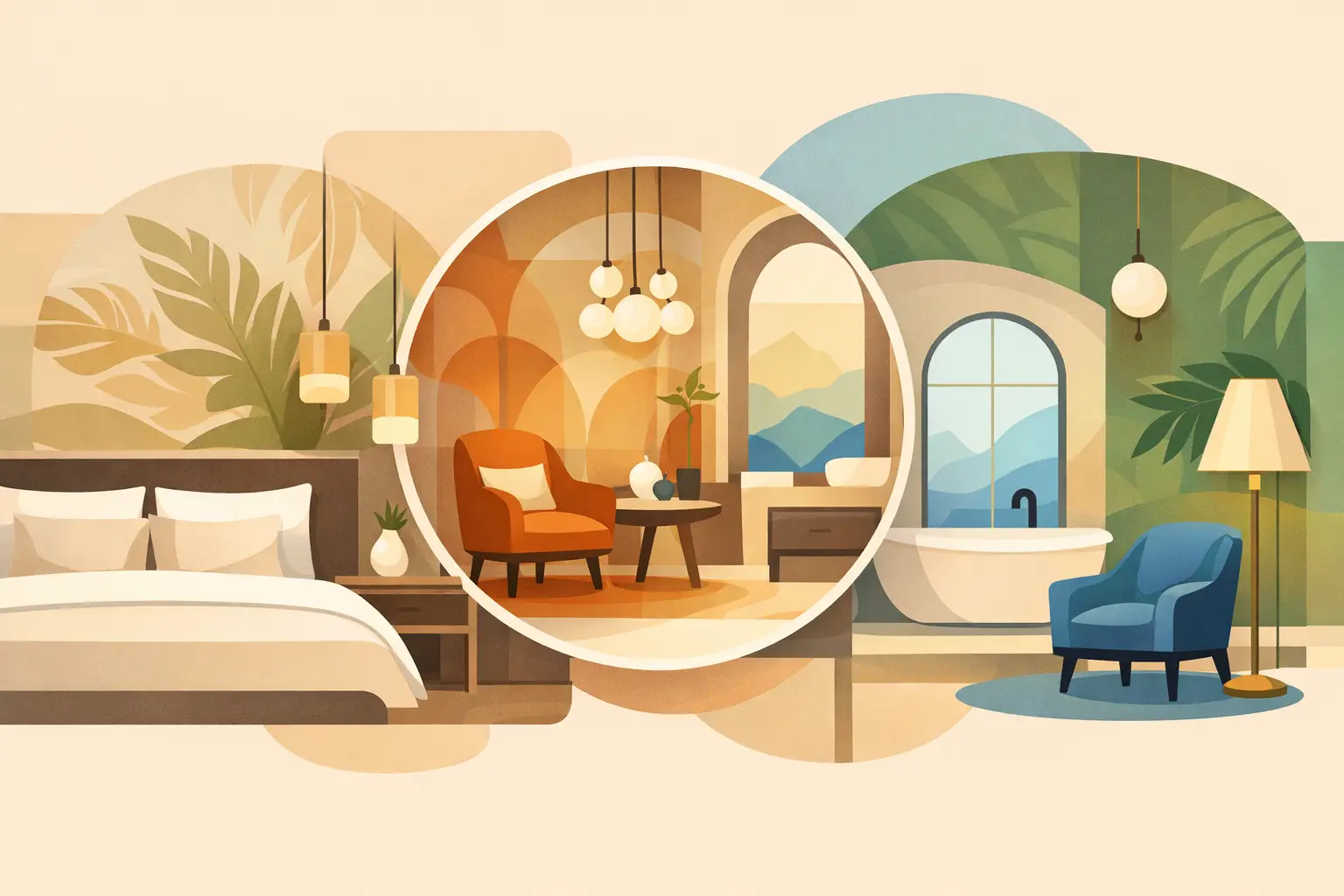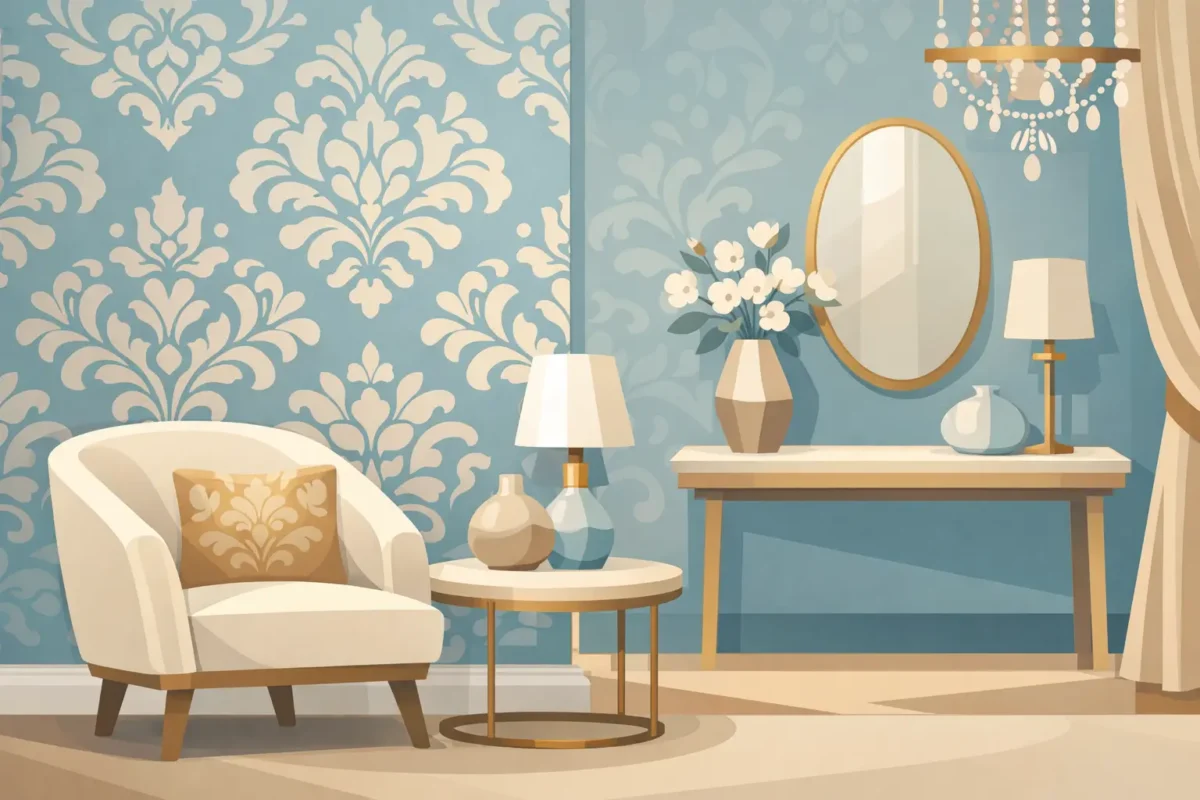
A well-designed hotel wall does more than fill space. It sets the first impression at reception, shapes the guest mood in corridors, and gives every room a stronger sense of identity. The best hotel wallpaper design ideas are not only visually striking – they also support durability, maintenance, safety, and the overall positioning of the property.
In hospitality design, wallpaper needs to work harder than it does in most residential settings. It must handle traffic, cleaning routines, changing light conditions, and the expectations of guests who notice every detail. That is why the right concept is rarely just about pattern. It is about choosing a surface finish that reinforces the brand, elevates the guest experience, and performs consistently over time.
The strongest wallpaper concepts in hotels balance atmosphere and engineering. A dramatic feature wall may photograph beautifully, but if the material marks easily or the pattern overwhelms the room, the result can feel dated very quickly. On the other hand, a subtle commercial wallcovering with the right texture, scale, and finish can create a premium impression for years.
For most properties, the decision comes down to three things: where the wallpaper will be installed, what mood the hotel wants to create, and how much wear the surface must withstand. A boutique property may lean toward expressive murals and custom storytelling. A business hotel may prefer restrained textures and tailored geometry. A luxury resort may need layered, nature-led patterns that feel immersive without becoming busy.
Textured neutrals remain one of the most reliable hotel wallpaper design ideas because they create depth without visual noise. Linen-look finishes, grasscloth-inspired patterns, brushed metallic effects, and soft stone textures can instantly make a room feel more refined.
This approach works especially well in guest rooms where rest is the priority. Warm taupes, sandy beiges, mushroom grays, and soft ivory tones give designers flexibility with upholstery, timber finishes, and lighting. The benefit is longevity. These surfaces tend to age gracefully and are less likely to feel trend-driven after a few years.
The trade-off is that subtle designs depend heavily on material quality. If the texture looks flat or artificial, the space can feel underwhelming rather than elevated.
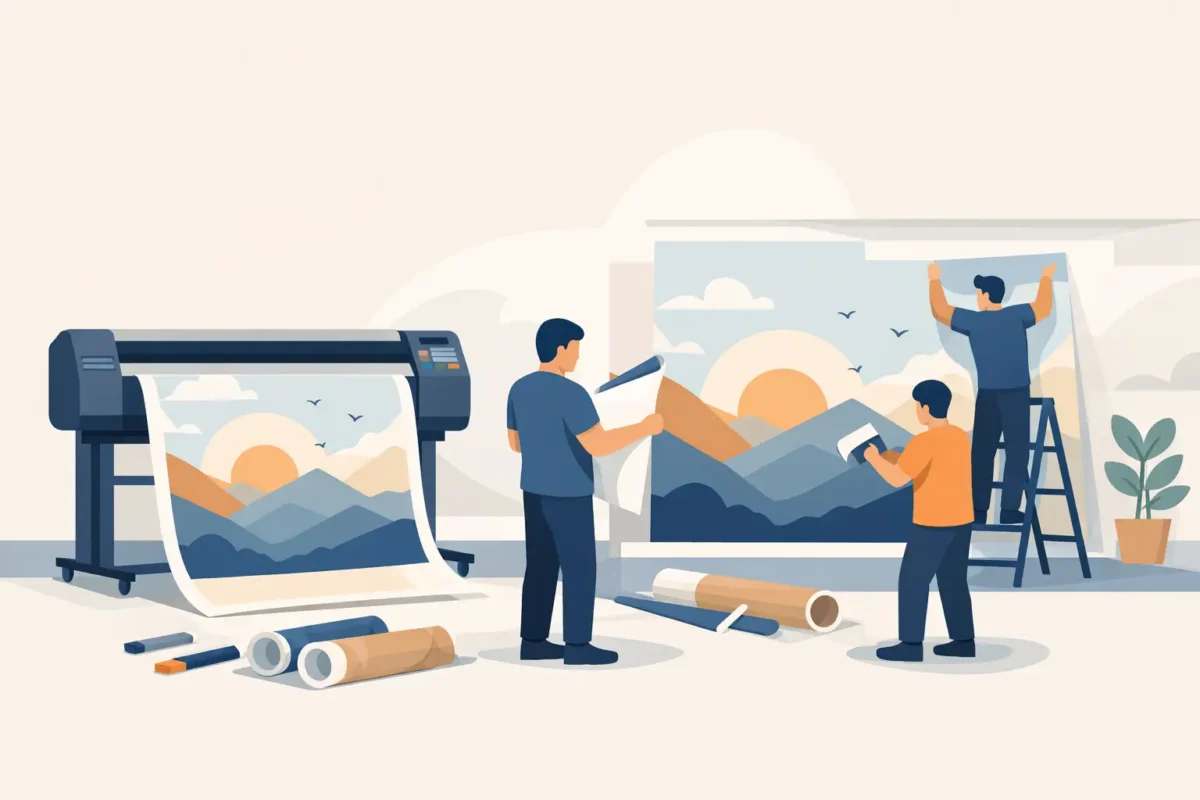
A hotel lobby is one of the best places to use custom wallpaper as a signature design element. Large-format murals can turn a standard arrival area into a memorable visual experience, whether the concept is inspired by local culture, abstract landscape forms, architecture, or contemporary art.
This is where custom production becomes valuable. A mural tailored to the scale of the wall and the identity of the property feels deliberate. It also gives the hotel something distinct rather than a pattern seen in multiple projects.
Murals work best when the surrounding finishes are controlled. If the flooring, furniture, lighting, and upholstery are all competing for attention, the space can quickly feel overdesigned. In hospitality, confidence often comes from knowing where to create the focal point and where to stay restrained.
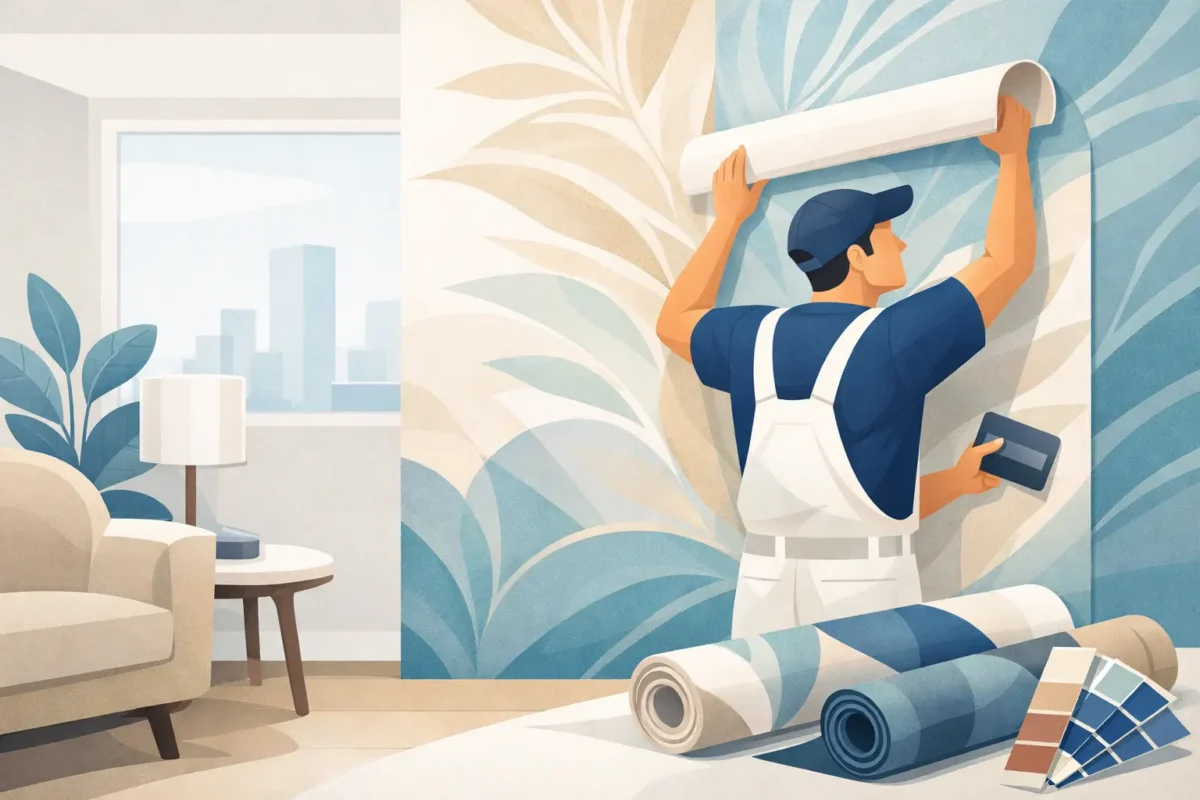
Botanical wallpaper continues to perform well in hospitality, but the most successful versions are refined rather than overly literal. Think tonal palms, stylized foliage, hand-drawn florals, or layered leaf motifs with muted contrast.
These patterns are ideal for resorts, wellness-focused properties, and hotels that want a softer, more relaxed mood. In guest rooms, they can make the space feel restorative. In lounges and dining areas, they can add movement and warmth.
Scale matters here. Small repeat patterns may read as busy from a distance, especially in larger public areas. Larger motifs often feel more modern and more premium, provided the palette is disciplined.
For business hotels, urban properties, and contemporary brands, geometric wallpaper offers clarity and structure. Linear grids, softened chevrons, repeating arches, and layered abstract forms can reinforce a sleek architectural language without making a room feel cold.
This category works particularly well in corridors, elevator lobbies, executive lounges, and meeting spaces where rhythm and order matter. It can also help visually elongate a narrow wall or bring more definition to large expanses that would otherwise feel blank.
The key is moderation. High-contrast geometry can fatigue the eye in areas where guests spend long periods. Softer contrast and tactile finishes usually create a more enduring result.
Metallic wallpaper does not need to be flashy to feel luxurious. Soft champagne, brushed bronze, pewter, or mica-inspired detailing can catch the light beautifully and add dimension to evening hospitality environments.
This makes metallic finishes particularly effective in reception walls, bar areas, powder rooms, and upscale suite interiors. Used correctly, they create a layered, ambient quality that paint rarely achieves.
It depends on the lighting plan, though. Under harsh downlights, metallic surfaces can show unevenness or become visually sharp. Under warm, considered lighting, they feel polished and elegant.
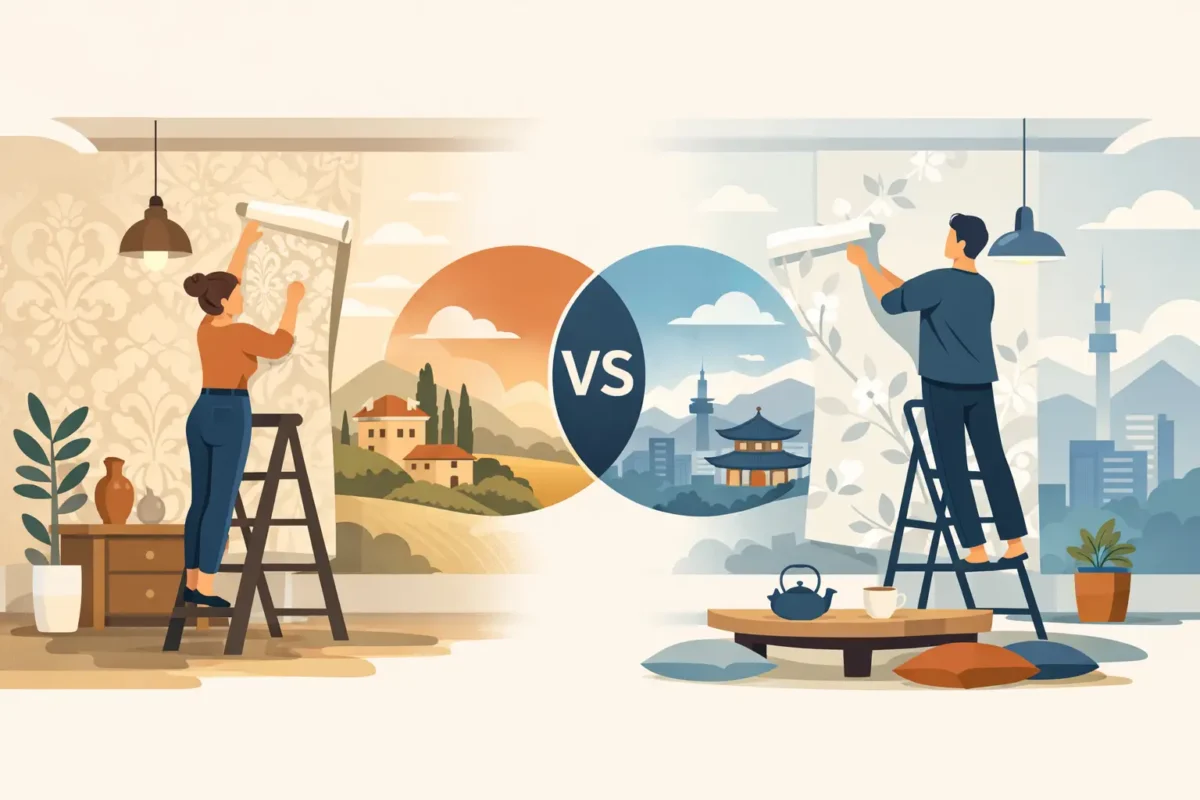
Hotels are increasingly expected to offer a sense of place. One of the most effective ways to achieve that is through custom wallpaper that references local history, nature, craft traditions, or urban character.
This does not have to mean obvious landmarks printed across a wall. In fact, a more sophisticated approach usually works better. Patterns derived from regional textile motifs, abstracted maps, cultural textures, or native landscapes can create a stronger emotional connection while still feeling upscale.
For developers and operators, this approach also supports brand differentiation. It turns wallcoverings into part of the guest experience rather than a decorative afterthought.
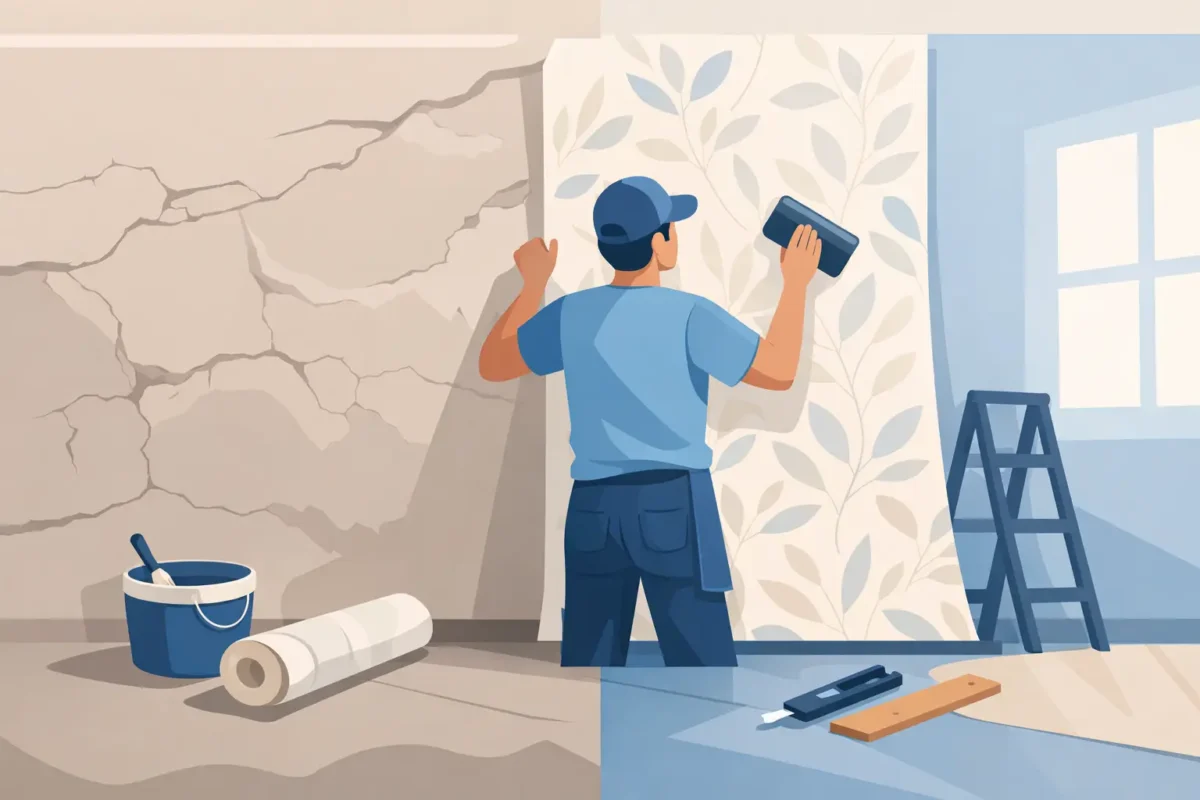
Some of the smartest hotel wallpaper design ideas are driven less by pattern and more by material performance. Corridors, back-of-house transitions, lift lobbies, and family-friendly hospitality settings require surfaces that can handle repeated contact and routine cleaning.
Fabric-backed commercial wallpaper is often the right solution in these environments because it offers durability, dimensional stability, and a more substantial finish. Fire-retardant properties, easy maintenance, and resistance to daily wear are not secondary concerns in hospitality – they are part of good design specification.
A beautiful wall that fails after heavy use is expensive to replace and disruptive to operations. That is why commercial-grade selection matters as much as visual appeal.
Guest rooms benefit from wallpaper that supports rest. This usually means low-contrast patterns, calming color transitions, and textures that create depth without dominating the bed wall.
Cloud-like washes, tonal abstract layers, delicate woven effects, and understated organic motifs can all work well. These finishes photograph well, feel upscale in person, and help create a calm backdrop for furnishings and lighting.
If the room footprint is small, darker wallpaper can still work, but it needs balance. Deep charcoal, forest, or navy tones often feel luxurious when paired with warm lighting and lighter bedding. Without that contrast, the room may feel compressed.
Not every wallpaper application needs to cover a full room. Some of the most effective hospitality solutions appear in smaller, more strategic areas such as ceiling panels above beds, recessed niches, vanity zones, or framed wall sections.
These placements can deliver character without overcommitting to a strong pattern. They also help designers introduce custom finishes in a more cost-conscious way. In boutique hotels and premium suites, this layered use of wallpaper often feels more curated than a one-pattern-everywhere approach.
This is especially useful when the property wants visual richness but also needs flexibility for future updates.
One of the most overlooked ideas is consistency. A hotel does not need the same wallpaper in every zone, but it should feel visually connected. That might mean carrying a core palette through reception, corridors, guestrooms, and dining spaces, or selecting patterns that shift in intensity while staying within the same design language.
This creates a more polished guest journey. It also helps properties avoid the fragmented look that happens when each space is designed in isolation. Coordinated wallpaper selection gives the hotel a stronger identity and a more intentional finish.
Design direction matters, but specification matters just as much. Before finalizing any wallpaper concept, it is worth considering maintenance cycles, wall condition, cleaning methods, installation quality, and replacement planning. Hospitality interiors are working environments, not static showroom scenes.
Custom options are often the best fit when a property wants scale accuracy, branding alignment, or a unique visual statement. Standard collections, however, can offer speed, tested performance, and excellent value when selected well. In many hotel projects, the strongest result comes from mixing both – custom features in focal areas and project-grade commercial wallcoverings in high-use zones.
For designers, architects, and hotel operators, the goal is not simply to choose a beautiful pattern. It is to specify a wall finish that enhances the guest experience while supporting the operational realities of the property. That is where a full-service partner with design range, commercial materials, and installation expertise adds real value. Decorating Depot approaches wallpaper this way – as both a design surface and a performance solution.
The right wallcovering can make a hotel feel more distinctive from the moment a guest arrives, and that kind of detail is rarely forgotten.