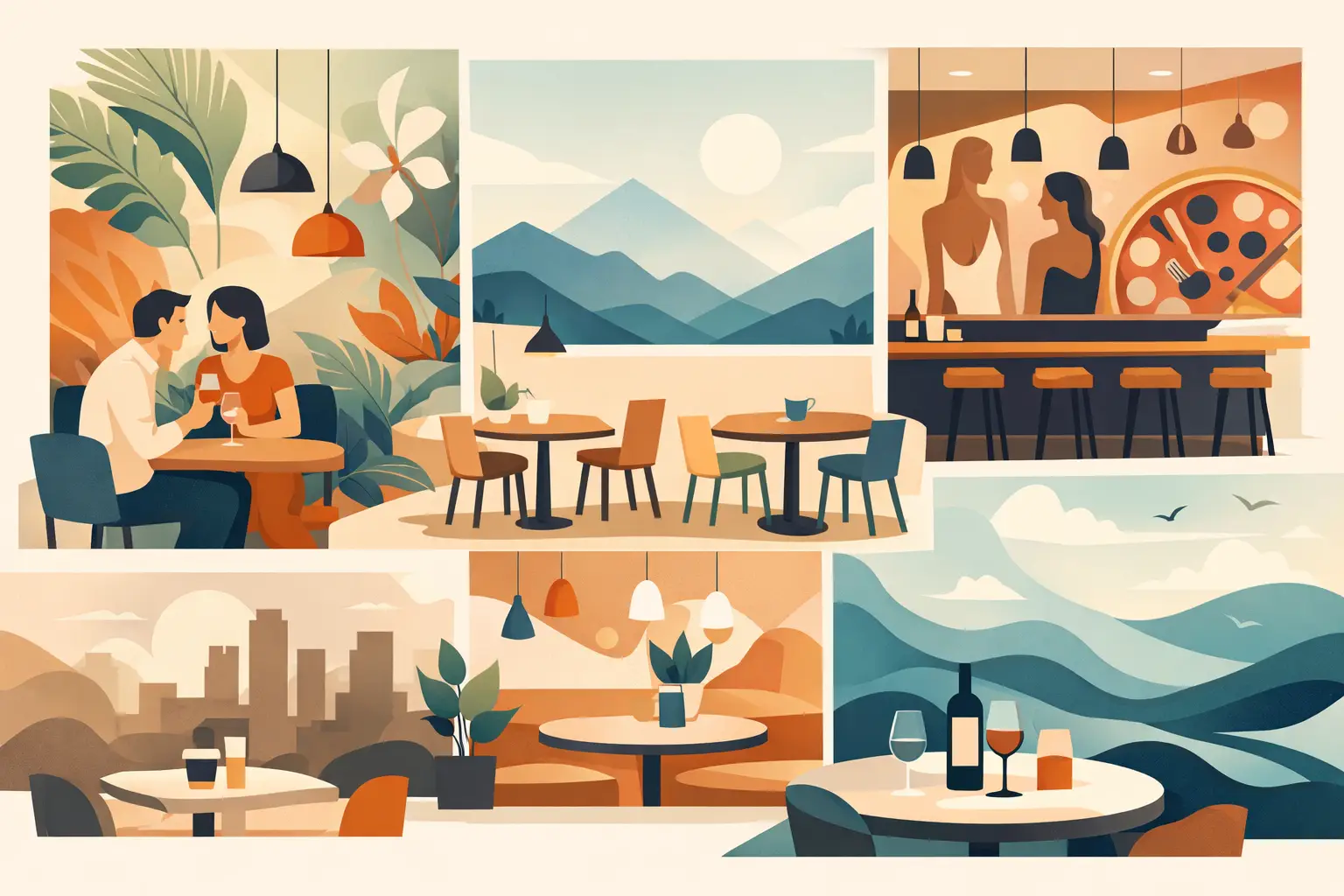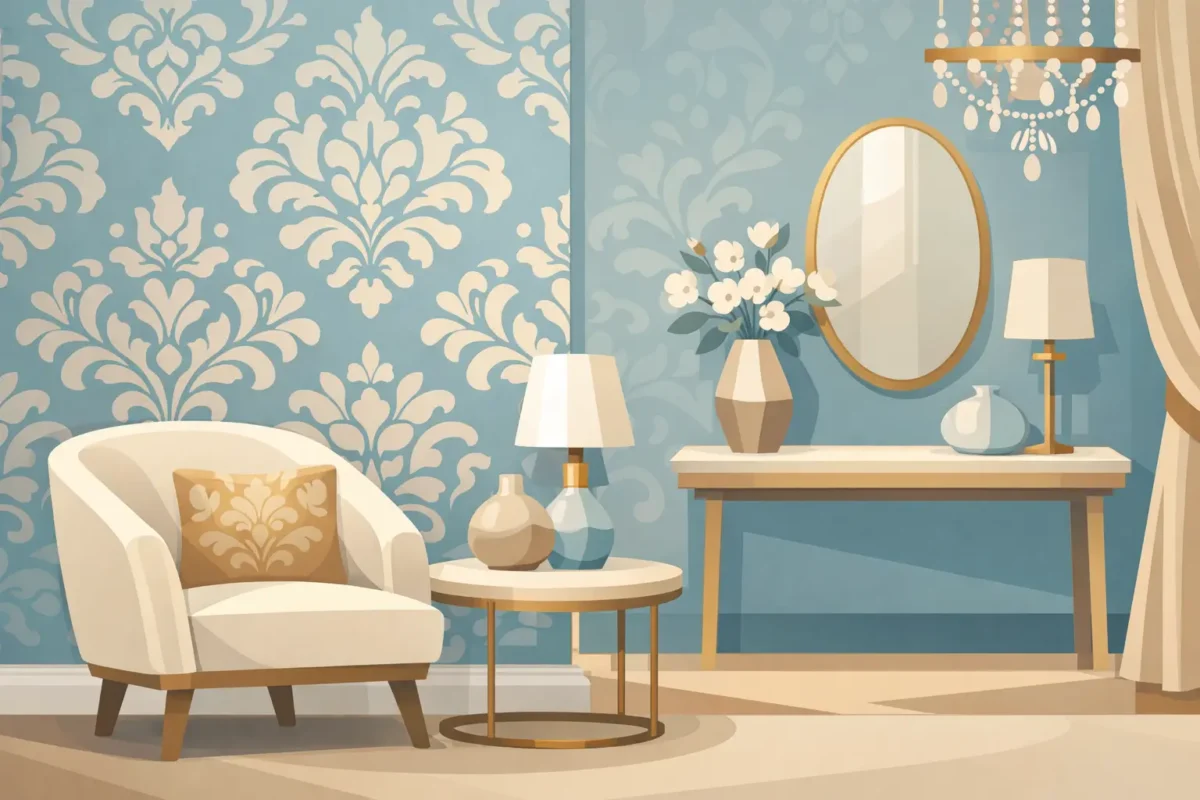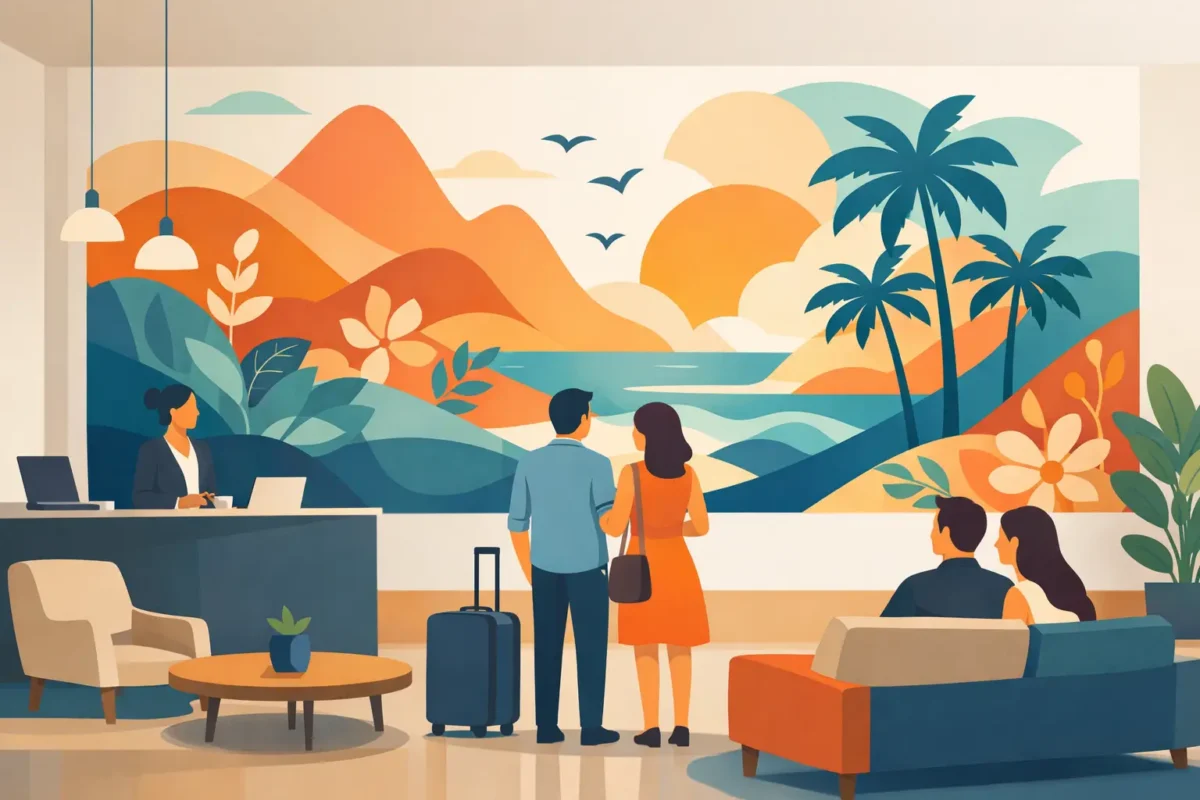
The right wall does more than fill empty space – it sets the mood before the menu even arrives. Strong restaurant wall mural ideas can shape how guests read your brand, how long they linger, and how memorable the space feels in photos. For restaurant owners, designers, and hospitality teams, the goal is not simply decoration. It is atmosphere with purpose, engineered to perform in a busy commercial setting.
A successful mural has to do three jobs at once. It needs visual impact, brand alignment, and material performance. That balance matters in restaurants more than in many other interiors because walls are exposed to traffic, cleaning, humidity, grease, and constant scrutiny from guests.
The most effective mural concepts feel specific to the dining experience. A generic tropical print may look attractive, but it will not carry the same value as a custom mural that reflects the cuisine, location, architecture, or story behind the concept. In premium hospitality design, originality reads as confidence.
Scale matters just as much as style. A small café may benefit from one focused feature wall that creates intimacy, while a larger dining room can support panoramic imagery or layered mural zones. The mural should support circulation, seating layout, lighting, and sightlines rather than compete with them.
For modern bistros, rooftop venues, and metropolitan cafés, cityscape murals create instant context. They bring depth to narrow walls and work especially well in spaces that want an energetic, contemporary identity. Black-and-white skyline art feels sharp and architectural, while color-rich city scenes add warmth and movement.
This direction works best when the imagery is curated rather than overworked. A mural with too much visual noise can make a restaurant feel smaller and less refined. Cleaner lines, softened tones, or stylized photography usually perform better than busy collage-style graphics.
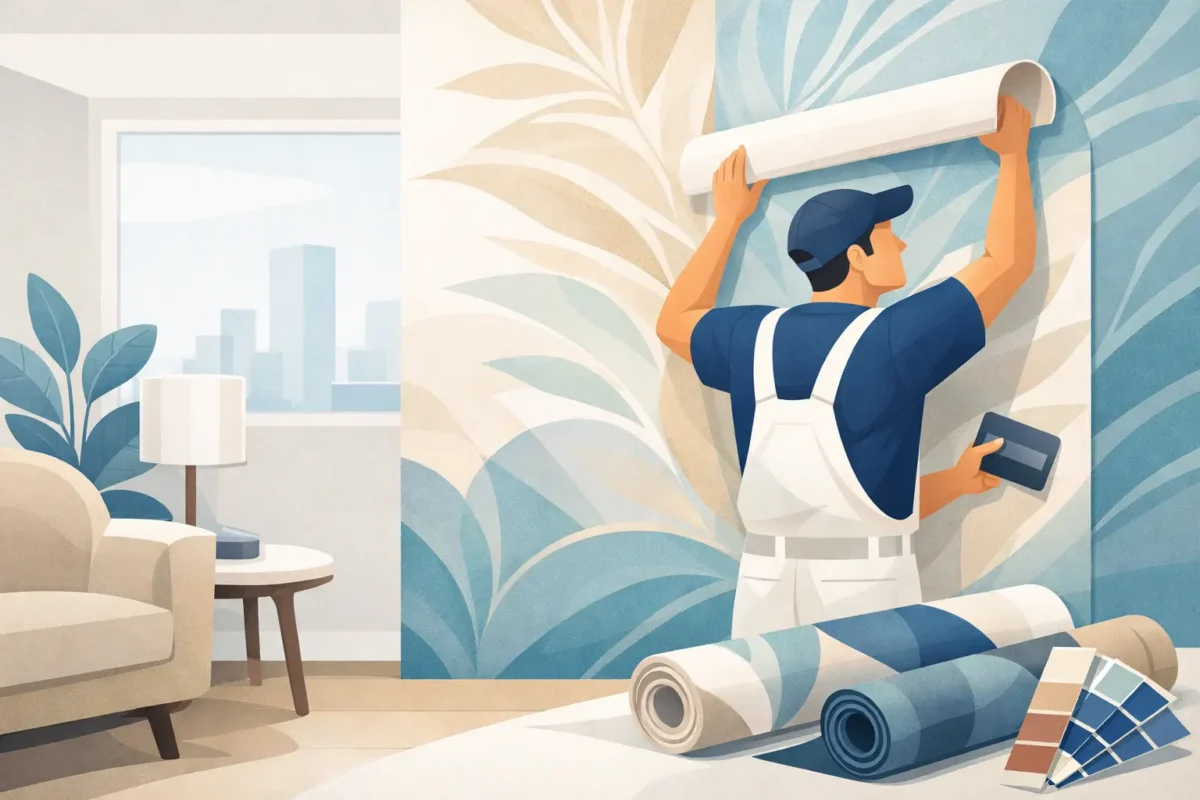
Botanical themes remain one of the most versatile restaurant wall mural ideas because they can shift across design styles. A lush tropical mural suits a vibrant brunch space or all-day café. A more muted botanical drawing can elevate a fine dining room, tea house, or wellness-led concept.
The advantage is atmosphere. Greenery-inspired walls add calm, freshness, and layered texture without requiring maintenance. They also pair well with timber, stone, brass, and upholstered seating. The trade-off is that botanical murals are now common, so execution matters. Custom scale, unusual plant studies, or hand-drawn detailing can keep the result from feeling familiar.
There is a fine line between appetite appeal and visual cliché. Ingredient-based murals can be highly effective for bakeries, coffee shops, pizza concepts, sushi bars, and farm-to-table restaurants when they are handled with sophistication. Think oversized line art of herbs, textured vineyard scenes, abstract spice palettes, or close-up photography with a restrained composition.
Literal images of dishes often date quickly and can cheapen the room if they are too promotional. Ingredient storytelling tends to last longer because it connects to craftsmanship rather than a single menu item. It also leaves room for seasonal menu changes without making the wall feel out of sync.
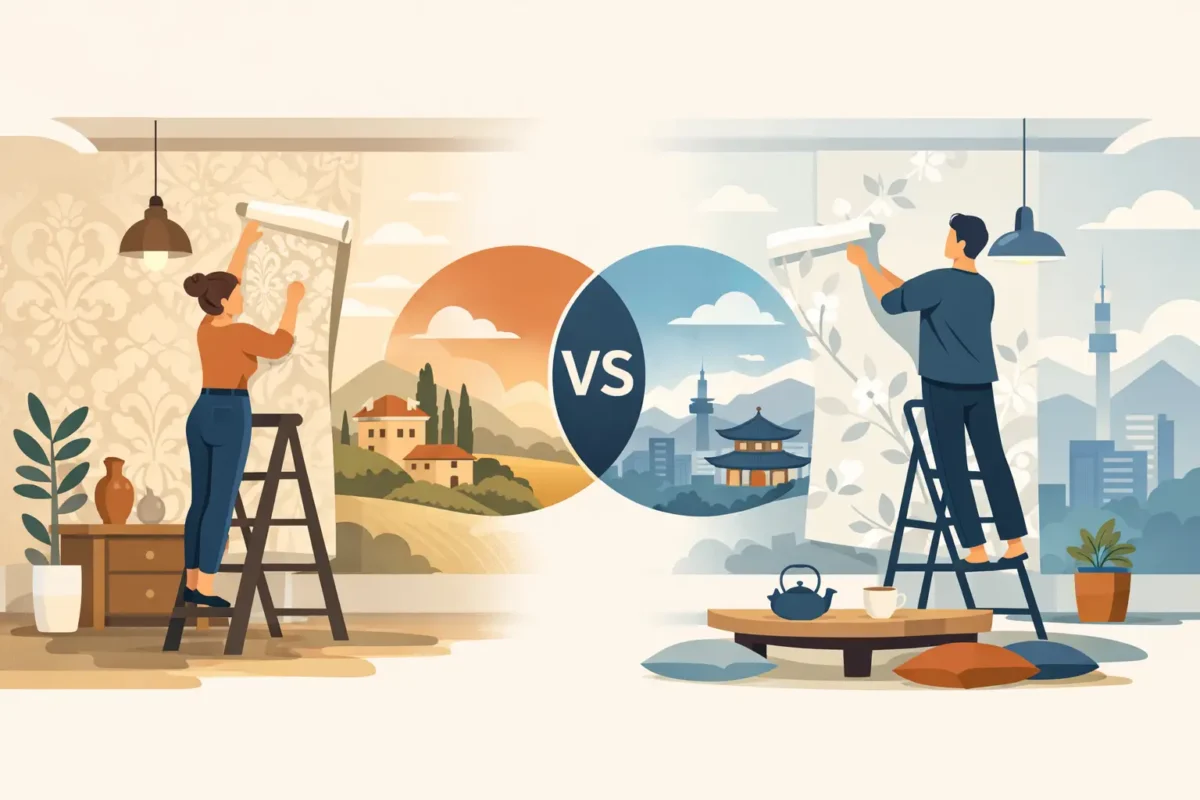
Restaurants built around regional cuisine often benefit from murals that reference local craft, architecture, patterns, or landscapes. This is where a mural can move beyond decoration and become part of the brand narrative. Mediterranean arches, Japanese ink-inspired scenery, Moroccan motifs, or old-world street scenes can all work when researched and composed with care.
Authenticity is the deciding factor. Surface-level references may look themed rather than elevated. Designers should avoid relying on stereotypes and instead translate cultural cues into a polished visual language. Custom murals are especially valuable here because they allow a concept to honor heritage without repeating the same stock imagery found elsewhere.
Not every restaurant needs a literal story on the wall. In many premium spaces, abstract murals create a stronger result because they support the interior rather than dominate it. Soft mineral textures, painterly brushwork, tonal gradients, and sculptural forms can make a room feel curated and expensive.
This approach is ideal for chef-led restaurants, hotel dining spaces, wine bars, and contemporary lounges. It gives the room identity while keeping the focus on the food, lighting, and table setting. Abstract designs also age well because they are less tied to trends. The key is material richness and print quality. Flat, low-resolution graphics will undermine the effect immediately.
A retro diner, artisanal ice cream shop, classic steakhouse, or neighborhood café can use nostalgia to create warmth and familiarity. Vintage map graphics, heritage signage styles, sepia street photography, and archival illustrations are all strong options.
This direction works best when it supports a clear concept. If the restaurant interior is otherwise sleek and contemporary, a nostalgic mural can feel disconnected unless it is carefully integrated. It may need a modern color correction, cleaner composition, or selective placement to avoid turning the space into a set piece.
Some of the strongest restaurant wall mural ideas come from the immediate surroundings. A mural inspired by the local market, coastline, historic district, or community landmarks can create a sense of belonging that guests remember. This is especially valuable for independent restaurants and hospitality operators who want a stronger emotional connection with their audience.
Local storytelling also performs well on social media because guests recognize that the design is rooted in place. The mural becomes part of the restaurant experience rather than an interchangeable backdrop. Custom design is the real advantage here, especially when paired with project-specific sizing and professional installation.
If the space already has strong finishes – statement lighting, premium seating, stone surfaces, or open-kitchen drama – a monochrome mural may be the smartest choice. Charcoal, taupe, warm gray, or deep sepia murals bring depth without overcrowding the room.
Monochrome design often works better than bright color in compact restaurants because it feels controlled. It lets the architecture breathe. This is also a practical choice for operators who want visual impact with lower risk. Bold multi-color murals can polarize guests or limit future redesigns, while monochrome schemes are easier to pair with seasonal styling updates.
For restaurants that want a memorable arrival moment, extending mural graphics from wall to ceiling can be highly effective. This approach suits entry zones, private dining rooms, bar areas, and high-value feature seating. It turns a surface treatment into a full spatial experience.
Because this look is immersive, it needs careful technical planning. Proportion, lighting reflection, print alignment, and substrate selection all matter. In commercial environments, durability matters even more. A dramatic concept loses value quickly if the finish cannot handle cleaning or if installation lines are visible.
The most strategic option is often a fully custom mural developed around the restaurant’s brand language. This might combine logo cues, signature colors, architectural references, custom illustration, or photography unique to the concept. When done well, it becomes a visual asset, not just an interior finish.
For multi-location operators, custom mural systems can also create consistency without making every outlet feel identical. The base language stays recognizable, while scale, color balance, or local references shift to suit each site. That gives the brand both coherence and flexibility.
The best concept depends on cuisine, target audience, lighting, wall size, and maintenance demands. A family-friendly café can carry more playful energy than a fine dining room. A quick-service restaurant may need stronger visual immediacy, while a luxury hospitality venue may benefit from subtlety and texture.
Material specification is where many projects go wrong. A restaurant mural needs more than a good design file. It needs commercial-grade wallcovering, reliable color output, clean joins, and finishes that can withstand regular cleaning. In humid or high-traffic zones, that performance is not optional.
It is also worth thinking beyond the hero wall. Murals can define waiting areas, corridors, private rooms, washroom approaches, and bar backdrops. Not every wall needs treatment, but the right placement can improve the entire guest journey.
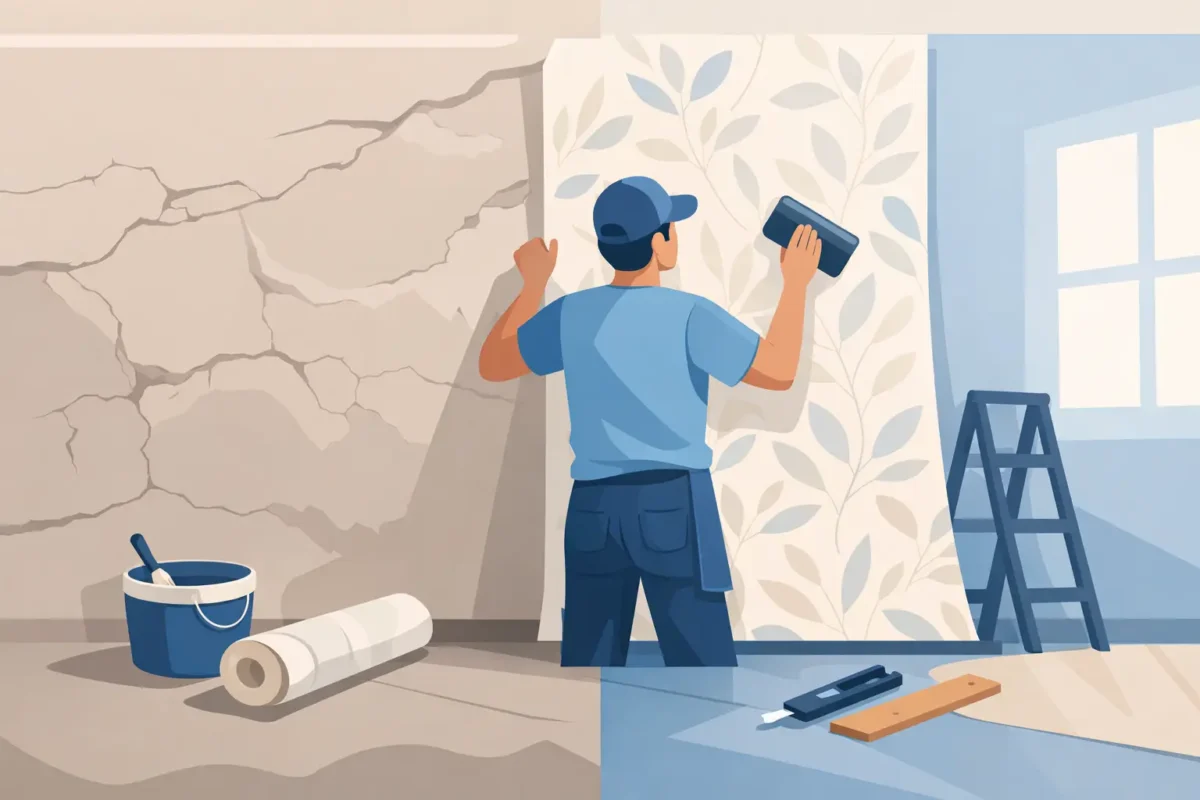
Even the strongest design can fail with poor installation or unsuitable materials. Premium mural work should feel integrated into the architecture, with crisp alignment and a finish that supports the lighting in the room. This is where expert consultation makes a visible difference.
For restaurants, practical performance should sit alongside aesthetics from the start. Fire-retardant specification, easy maintenance, eco-friendly ink, and durable surfaces are part of the design decision, not an afterthought. Companies such as Decorating Depot understand that hospitality walls need statement value and engineered performance in equal measure.
A restaurant mural should leave guests with a clear impression of the space before they even describe the meal. Choose a direction that reflects the brand, fits the room, and stands up to real service conditions, and the wall starts working as hard as the kitchen.