A feature wall that almost works is usually the expensive kind of mistake. The scale is off, the pattern repeats awkwardly, the logo looks stretched, or the material suits a bedroom better than a lobby. That is why so many clients ask the same question first: can you customize wallpaper in a way that looks refined and performs properly? The short answer is yes – but the right level of customization depends on the room, the visual goal, and the technical demands of the project.
Absolutely. Custom wallpaper is no longer limited to choosing a different shade or enlarging a print. Today, customization can involve artwork, dimensions, repeat scale, texture, finish, and substrate selection. In a residence, that may mean turning a family photo into a soft-toned mural sized precisely for a stairway wall. In a retail or hospitality setting, it may mean integrating brand graphics into a fire-rated, easy-clean commercial wallcovering.
This is where quality matters. A beautiful design file alone does not guarantee a beautiful wall. Print clarity, panel alignment, substrate performance, and installation precision all shape the final result. High-end wallpaper customization is part design exercise, part production discipline.
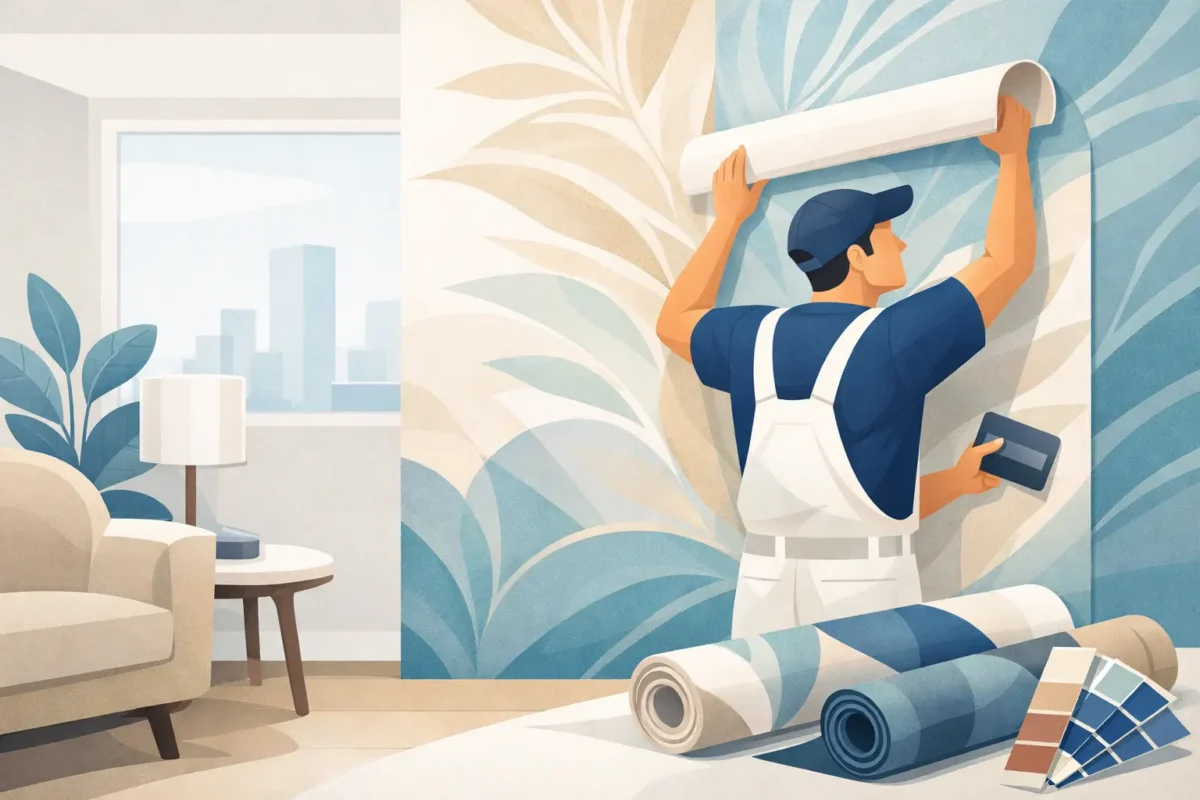
The most obvious element is the artwork itself. You can customize wallpaper with original illustrations, photography, logos, patterns, or adapted designs drawn from an existing concept. Some clients want a completely bespoke mural. Others start with a catalog design and modify the color palette, scale, or layout to suit the room.
Size is equally important. Standard wallpaper rolls can work well for many walls, but custom sizing is often the difference between a polished result and a compromised one. Oversized walls, double-height spaces, curved surfaces, feature panels, and full-room wraparounds all benefit from exact measurement and panel planning.
Material selection is another major area of customization. A soft decorative wallpaper may be perfect for a bedroom or private lounge, while a fabric-backed commercial wallcovering is better suited to corridors, offices, retail environments, and hospitality projects where durability and maintenance matter more. Surface texture can also be tailored, whether the goal is a smooth printed finish, a linen-like effect, or a more dimensional look.
Finish and performance specifications can be customized as well. Depending on the environment, clients may need washable surfaces, eco-friendly ink, fire-retardant properties, or materials that stand up to higher traffic. In other words, customization is not just about appearance. It is also about how the wallcovering behaves after installation.
Custom wallpaper is especially valuable when the space has a clear identity to express. In homes, that might be a dining room that needs a focal point, a nursery with a personal theme, or a living area that calls for a scale and color story unavailable in off-the-shelf collections.
In commercial settings, the case is even stronger. Offices often need branded interiors that feel elevated rather than promotional. Hotels need statement walls that photograph beautifully while holding up under constant use. Developers and designers may need a signature finish repeated across multiple units or public spaces with tight consistency.
There is also a practical reason to customize. Standard designs do not always fit unusual wall dimensions, ceiling heights, niches, or architectural features. If a space is prominent enough, forcing a ready-made pattern into it can look noticeably average.
Yes, and this is where expertise becomes critical. Commercial wallpaper must do more than look impressive. It often needs to satisfy project requirements around durability, maintenance, safety, and installation standards. That means the design conversation should happen alongside technical planning, not after it.
For example, a boutique hotel may want a custom mural for guest corridors, but the wallcovering also needs to resist wear from luggage traffic and routine cleaning. A corporate office may want subtle brand integration, but the finish must remain professional under varied lighting conditions. A restaurant may need a dramatic visual statement, but the material choice has to support maintenance in a busy environment.
This is why experienced suppliers treat custom wallpaper as a specification process, not just a print order. The best result balances aesthetics, substrate suitability, print method, and site conditions from the start.
The first question is not what image to print. It is what the wall needs to do. Is this a decorative wall in a private home, or a high-traffic surface in a public setting? Does the space receive harsh sunlight? Will it need frequent cleaning? Is the goal subtle texture, brand storytelling, or dramatic visual impact?
Scale is another common issue. A design that looks elegant on screen can become overwhelming when enlarged across a long wall. The opposite happens too – patterns can lose presence in large open interiors if they are too small. Sample review and design proofing are essential because proportion is one of the hardest things to judge digitally.
Image quality matters more than many clients expect. Low-resolution files, compressed artwork, or poorly prepared graphics can lead to soft details and visible flaws once printed at full size. Professional artwork setup helps prevent that. It also ensures cleaner panel transitions and more accurate placement of key visual elements.
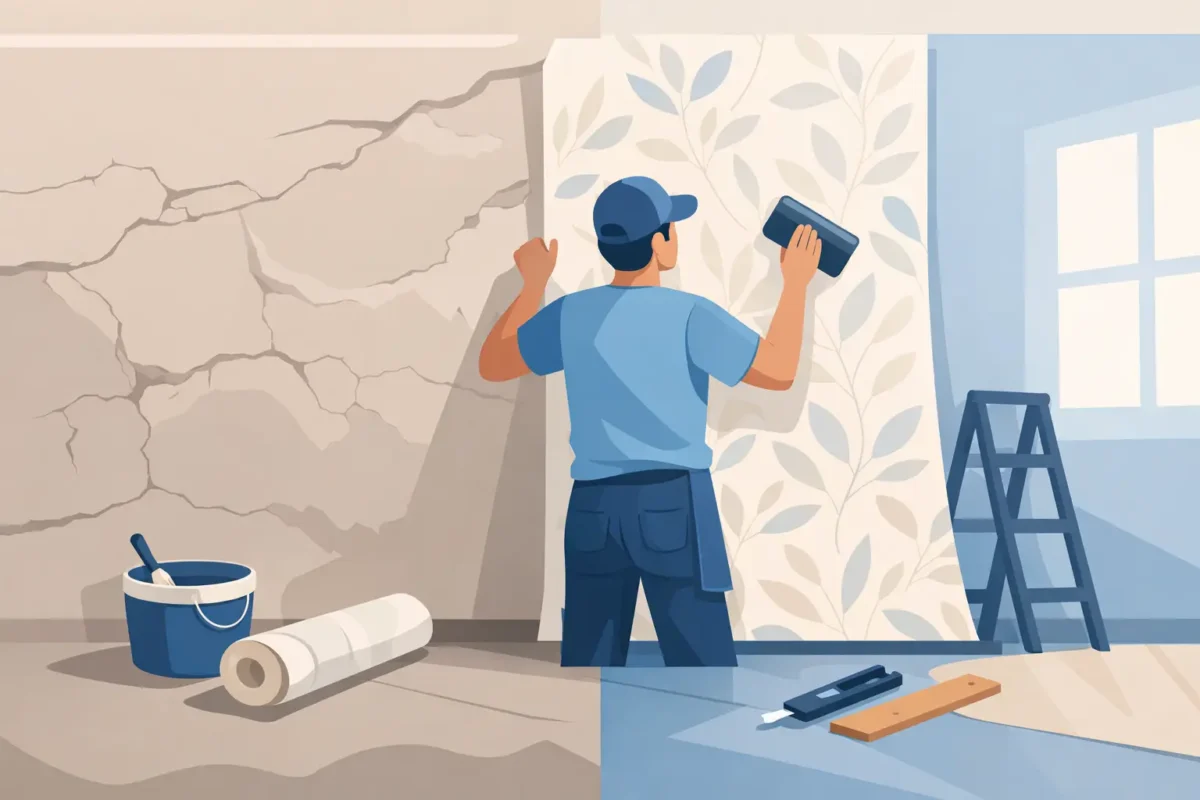
Then there is the wall itself. Even exceptional wallpaper will not look right on a poorly prepared surface. Uneven walls, moisture issues, old paint instability, and installation shortcuts can affect the final appearance. Premium customization should always include practical attention to site readiness.
Off-the-shelf wallpaper still has a strong place in interior design. It is often faster, easier to specify, and ideal when a curated collection already suits the project. Many luxury interiors are created this way, especially when the wall dimensions are straightforward and the design objective is decorative rather than deeply personalized.
Custom wallpaper becomes more valuable when standard options feel limiting. If the room needs a precise scale, a brand-led concept, a one-of-a-kind mural, or project-specific performance features, customization offers far greater control. The trade-off is that custom work usually requires more planning, approvals, and lead time.
This is not a matter of one being better than the other. It is about choosing the right route for the project. A private powder room may benefit from a ready-made European design with strong texture and character. A flagship retail wall may need a completely bespoke printed solution engineered for visual consistency and heavy use.
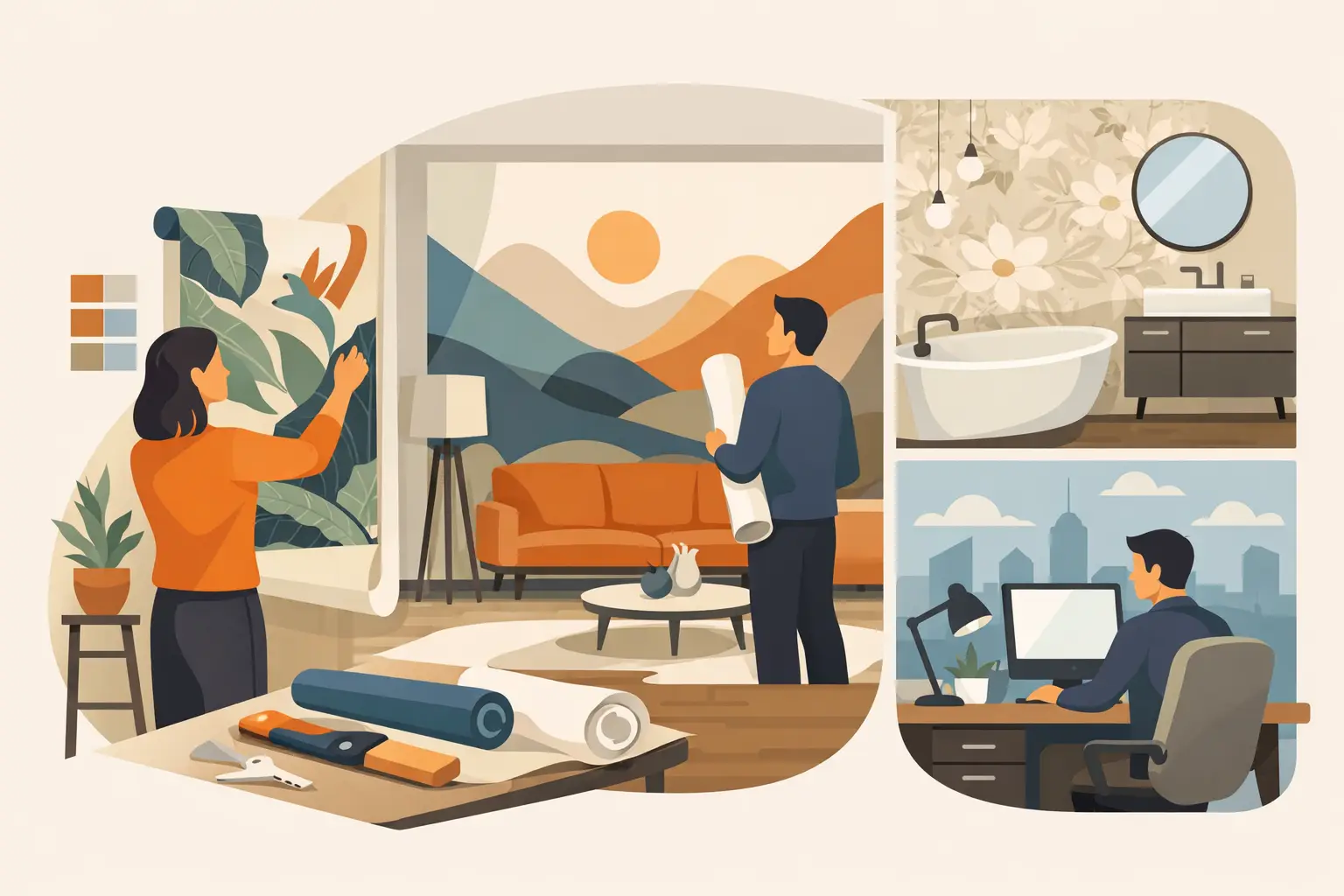
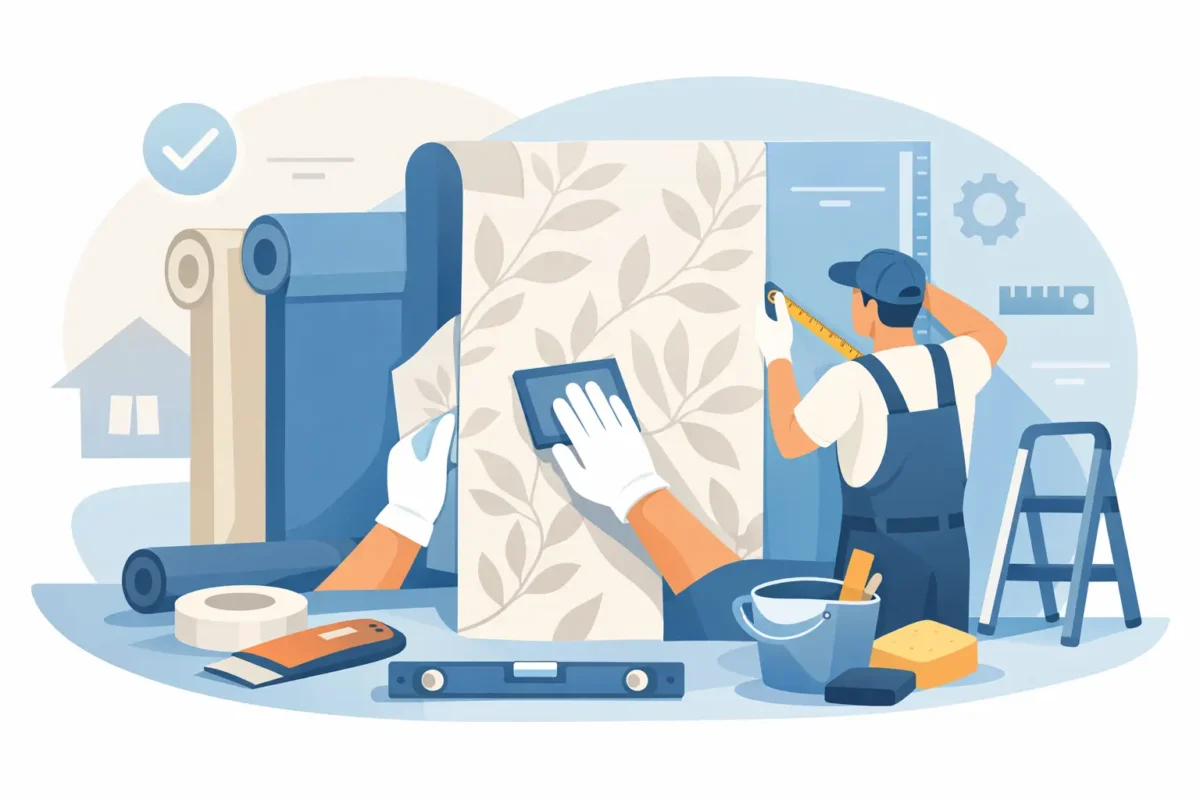
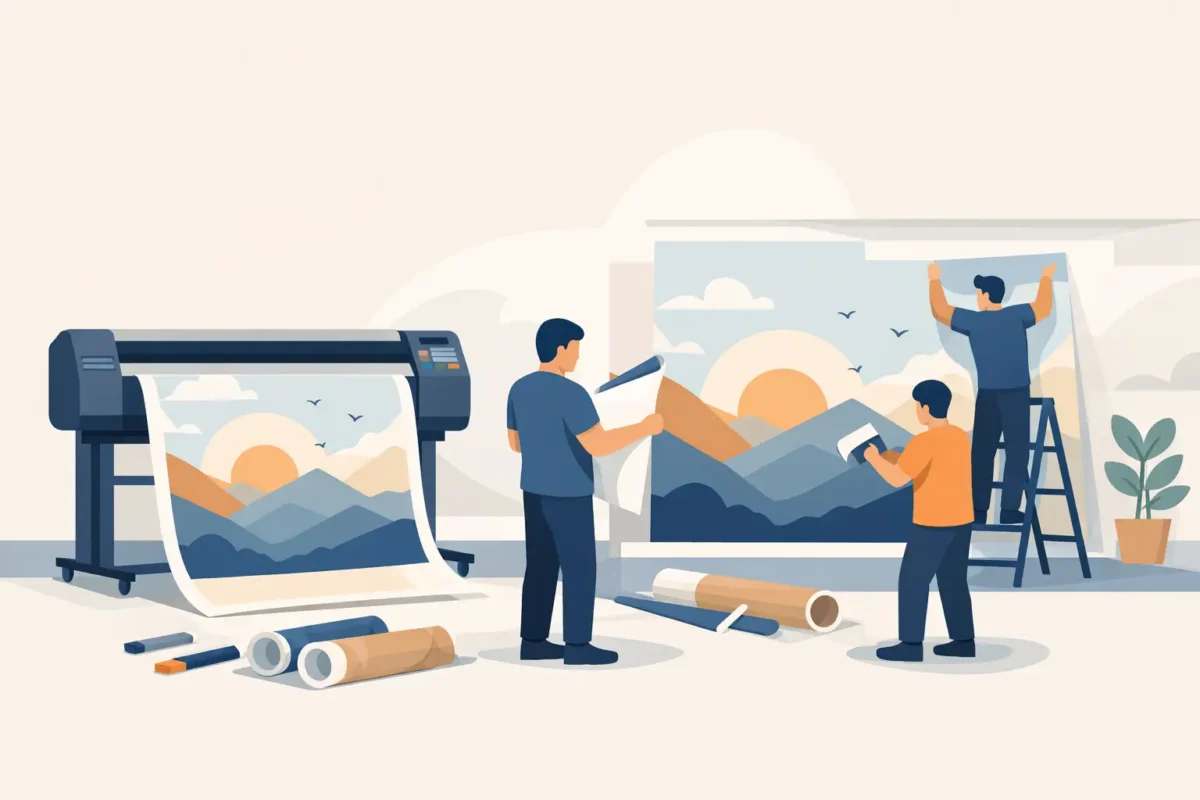
A professional wallpaper customization process usually begins with the space, not the design. Measurements, site conditions, and intended use come first. From there, the design direction is developed, whether that means selecting a mural concept, adapting an existing pattern, or preparing original artwork.
Next comes material selection. This stage determines how the design will look and perform once installed. A smooth finish gives sharper graphic definition, while textured surfaces can add warmth and depth. In commercial work, this is also where durability and maintenance considerations are addressed.
Proofing follows. This may include scaled previews, color review, and panel planning so the client can see how the artwork will sit across the wall. Once approved, printing and production move forward, followed by installation. Precision matters at every stage because the finished wall is only as strong as the weakest decision in the chain.
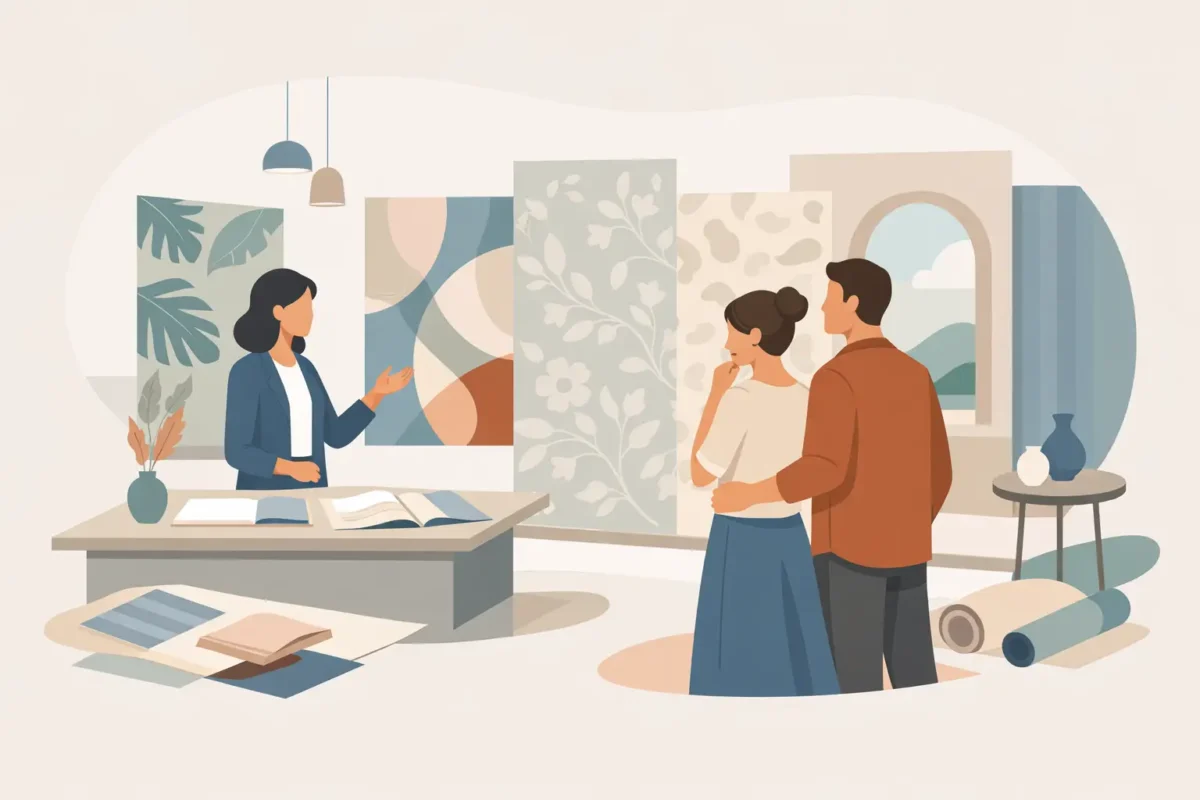
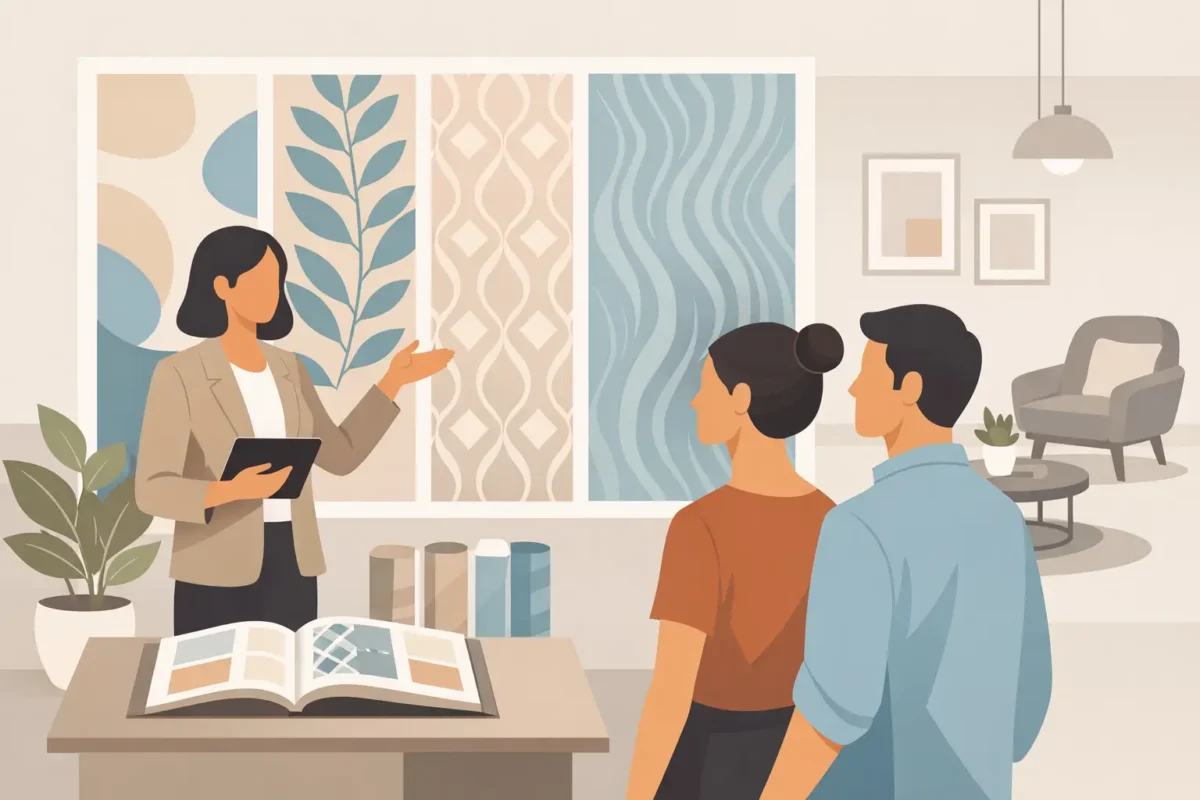
For clients managing larger projects, a supplier with both showroom consultation and installation support can streamline the process considerably. That is often the difference between a concept that looks good in presentation and one that succeeds on site.
Yes – provided the customization is matched to the real demands of the space. The most successful projects do not treat wallpaper as a surface decoration added at the end. They treat it as part of the interior specification, where design intent and technical performance are developed together.
That is why premium providers such as Decorating Depot approach wallpaper customization with both creative range and project discipline. A custom mural should do more than fill a wall. It should fit the architecture, support the atmosphere, and hold its finish over time.
If you are considering custom wallpaper, think beyond whether it can be personalized. Ask whether it can be personalized well – at the right scale, on the right material, and with the right installation standard. That is where a wall stops being background and starts shaping the space.