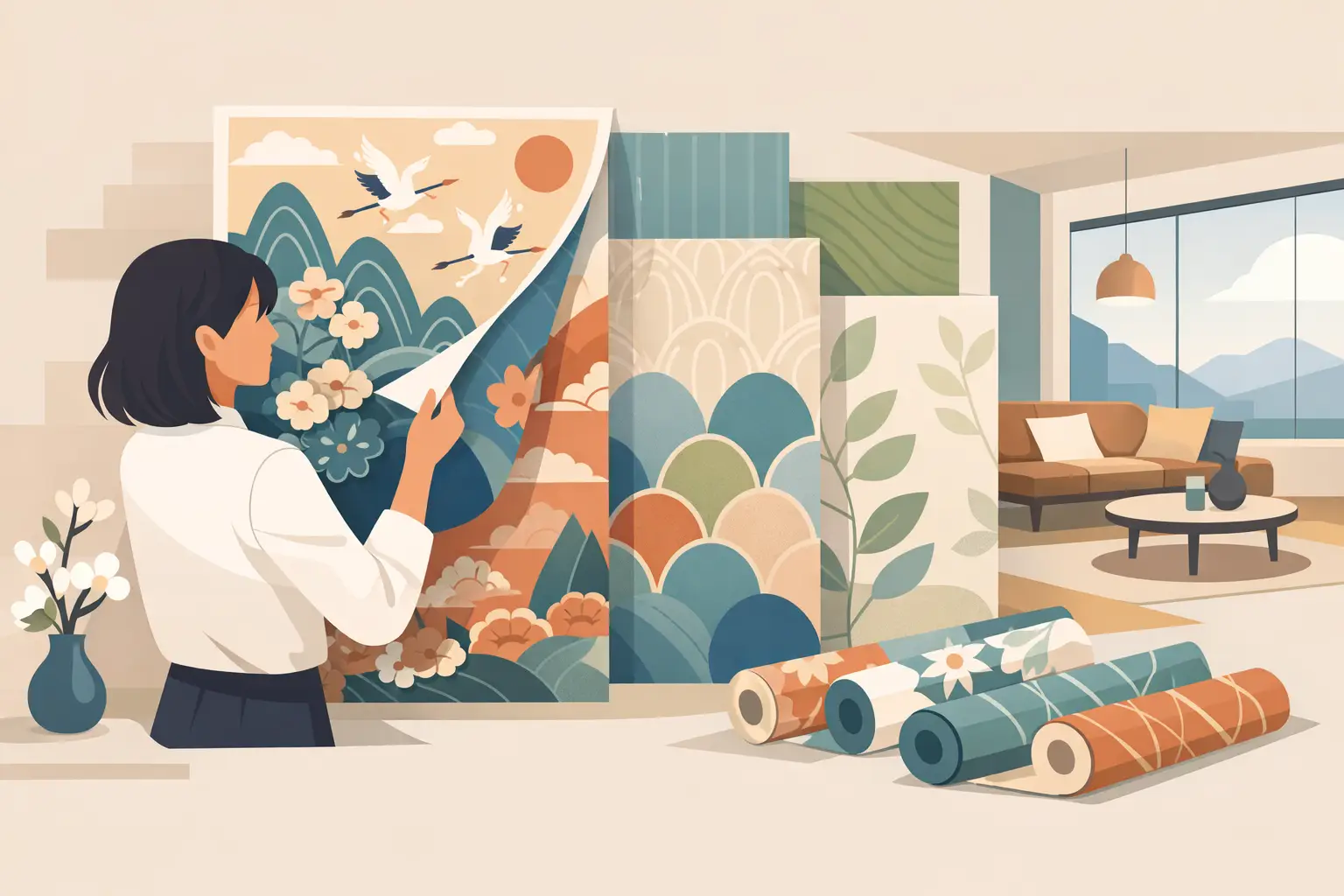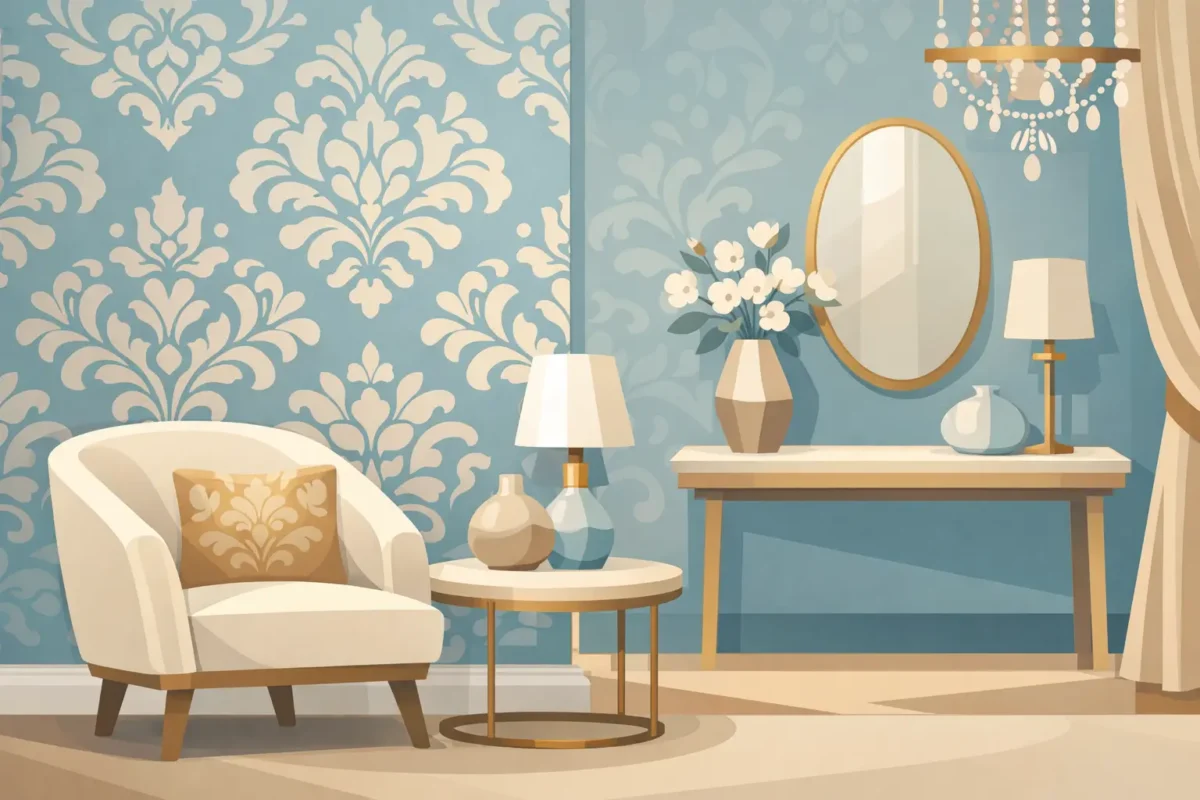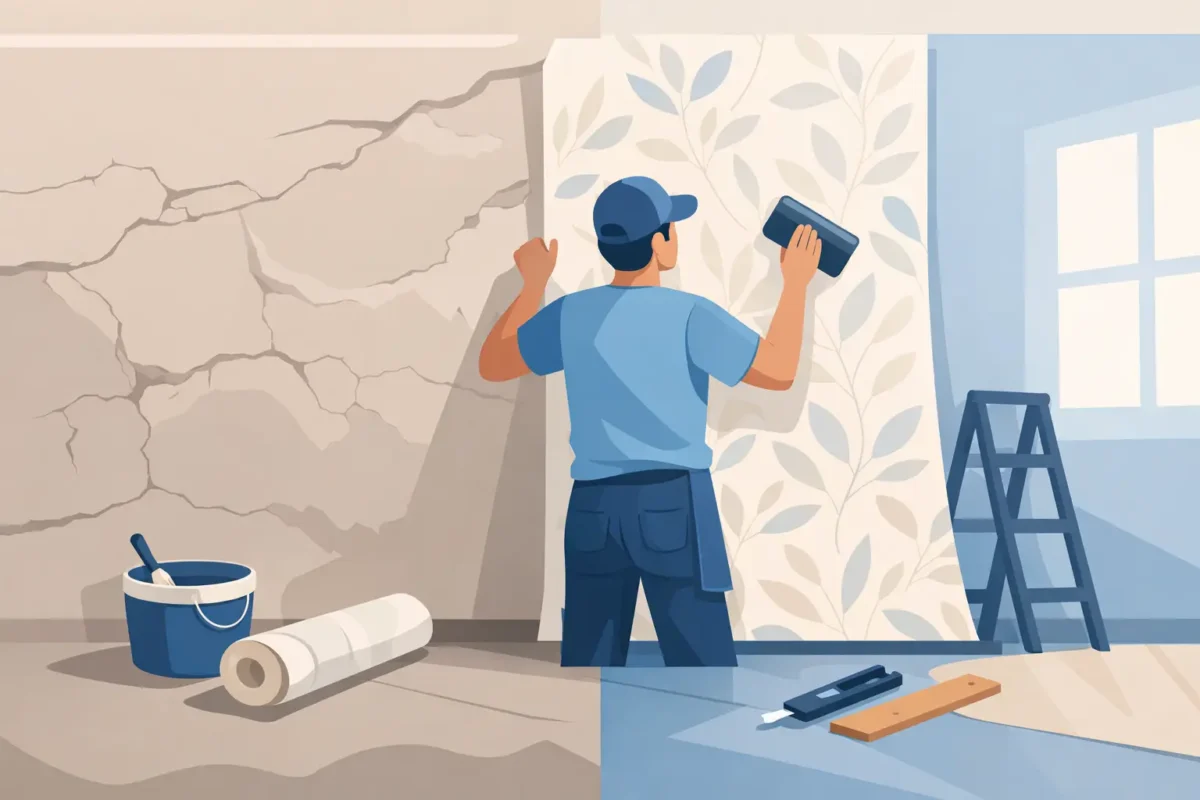
If you have ever walked into a beautifully finished condo, boutique office, or hotel suite and noticed walls that feel softer, cleaner, and more refined than standard paint, you may have already seen what is Korean wallpaper in practice. It is a decorative wallcovering category known for its polished surface, modern pattern direction, and practical performance, especially in interiors that need style without sacrificing durability.
For homeowners and project professionals alike, Korean wallpaper sits in a very useful middle ground. It offers more visual depth than paint, often feels more current than basic vinyl rolls, and can be easier to maintain than many delicate designer finishes. That balance is exactly why it remains a strong choice for residences, show units, hospitality spaces, and commercial interiors where appearance and long-term function both matter.
Korean wallpaper is a type of manufactured wallcovering produced in South Korea, typically supplied in wider rolls than standard residential wallpaper and designed with a strong emphasis on clean texture, understated pattern, and everyday usability. It is commonly made with a paper or non-woven base layered with a coated decorative surface, often featuring subtle embossing, soft metallic effects, linen-like grains, plaster-inspired textures, or contemporary geometric repeats.
What sets it apart is not just where it is made, but how it is positioned. Korean wallpaper has built a reputation around livable luxury. It is designed to elevate walls without making a room feel busy or overworked. In many collections, the beauty is in the restraint – warm neutrals, elegant textures, muted patterns, and finishes that catch light gently rather than demand attention from every corner of the room.
That makes it especially attractive for interiors where cohesion matters. In a home, it can bring visual warmth to bedrooms, living areas, and feature walls. In a commercial setting, it helps create a polished envelope that supports the brand experience rather than competing with it.
Many wall finishes can add pattern. Fewer create a sense of depth without visual noise. This is where Korean wallpaper tends to perform very well.
A lot of Korean collections are built around tactile design. Instead of heavy motifs or highly ornamental prints, they often use embossed surfaces, layered neutrals, woven-look textures, or understated abstract movement. From a distance, the wall reads as sophisticated and calm. Up close, it reveals detail. That combination is valuable in modern interiors because it adds richness without making a space feel smaller.
There is also a practical reason this style has broad appeal. Soft textures and low-contrast designs are easier to coordinate with furniture, millwork, stone surfaces, lighting, and fabrics. For architects and interior designers, that flexibility matters. For homeowners, it simply means fewer design risks.
The exact construction depends on the collection, but most Korean wallpaper is designed for durability and ease of installation. You will often find coated surfaces that resist light wear better than plain paper wallpaper, along with embossed finishes that help disguise minor wall imperfections.
Some products have a foam or cushioned feel, while others are more streamlined and crisp. Some are ideal for residential feature walls, while others are better suited to broader project use. This is where specification matters. A beautiful pattern alone is not enough if the wallcovering needs to perform in a lobby, retail environment, or high-traffic corridor.
For that reason, professional selection is important. The right wallpaper for a private bedroom may not be the right one for a hospitality project or a commercial reception area. Fire performance, maintenance requirements, wall condition, humidity, and installation method all affect the final result.
When people ask what is Korean wallpaper, they are often really asking how it compares to the wallpaper they already know.
The first difference is scale. Korean wallpaper is often supplied in wider formats, which can make installation more efficient across larger wall areas. The second is surface character. Compared with many standard printed wallpapers, Korean options often lean more heavily into texture and material effect. They tend to feel architectural rather than decorative for decoration’s sake.
The third difference is usability. Many Korean wallpapers are selected because they offer a polished finish with manageable maintenance. They are often easier to wipe clean than delicate paper-based decorative products, which makes them a practical option in homes with children, in rental properties, and in commercial interiors where walls need to stay presentable.
That said, there are trade-offs. If you want highly artistic mural-style imagery, heritage florals, or deeply niche print design, a European designer wallpaper or custom mural may be a better fit. Korean wallpaper is strongest when the brief calls for elegant texture, contemporary patterns, and broad design versatility.
Korean wallpaper is exceptionally adaptable, but some spaces benefit more than others.
In living rooms, it creates a finished backdrop that feels more substantial than paint. In bedrooms, it adds softness and comfort, especially in fabric-look or linen-textured designs. In dining spaces, it can bring a more tailored atmosphere without overwhelming the room. These are settings where subtle texture does a lot of work.
In commercial interiors, the appeal is just as clear. Reception walls, meeting rooms, show galleries, private offices, and hospitality suites often need an elevated look that remains easy to maintain. A well-chosen Korean wallcovering can deliver that balance. It presents well in natural light, photographs cleanly, and helps interiors feel complete.
Still, suitability depends on environmental conditions. Areas with excessive moisture, poor ventilation, or wall defects need proper assessment before any wallpaper is installed. A premium finish is only as good as the surface preparation behind it.
One reason Korean wallpaper remains popular is the breadth of its visual language. It is not limited to one look.
You will find minimalist solids with embossed texture, modern stripes, subtle botanicals, stone-inspired finishes, concrete effects, metallic sheens, and contemporary geometric patterns. Many designs are intentionally quiet, which makes them highly usable across different project types. They support a space rather than dominate it.
This is also why Korean wallpaper often works well in layered interior schemes. It can sit comfortably beside wood veneers, marble surfaces, brushed metal, boucle upholstery, and custom cabinetry. In other words, it integrates easily into design-led environments where material harmony matters.
Even the best wallcovering can look average if it is installed poorly. Pattern alignment, surface preparation, adhesive selection, seam handling, and edge finishing all affect the outcome.
Korean wallpaper often has a refined surface texture, which means flaws can become visible if the substrate is uneven or if the installer rushes the process. Commercial projects raise the stakes further because consistency across multiple rooms or long wall runs is essential.
This is where a full-service approach has real value. At Decorating Depot, wallcovering selection is treated as both a design decision and a technical one. That matters because a wall finish should not only look right in a sample book. It should perform correctly at full scale, on the actual site, under real use conditions.
Not always, and that is part of making a smart choice.
If the goal is a subtle, polished, contemporary interior with dependable day-to-day performance, Korean wallpaper is often an excellent option. If the project needs extreme heavy-duty performance for institutional environments, fabric-backed commercial wallcovering may be more appropriate. If the vision calls for a one-of-a-kind statement wall, custom print wallpaper or a bespoke mural may be the better route.
The right answer depends on the room, the traffic level, the design intent, and how much maintenance flexibility the client expects. Good specification is about alignment, not trend chasing.
Korean wallpaper earns attention because it solves several design problems at once. It upgrades plain walls, adds texture without clutter, supports a wide range of interior styles, and generally offers practical maintenance advantages over more fragile decorative finishes.
For property owners, that means better visual impact with less compromise. For designers, it means a dependable material that can sharpen the look of a space while staying commercially sensible. For hospitality and retail projects, it means walls that contribute to the guest or customer experience without becoming difficult to manage.
The strongest interiors are rarely built on one dramatic decision. More often, they are shaped by materials that do their job beautifully and consistently. Korean wallpaper belongs in that category. If you want walls that feel elevated, current, and professionally resolved, it is less about following a trend and more about choosing a finish with the right balance of design intelligence and engineered performance.