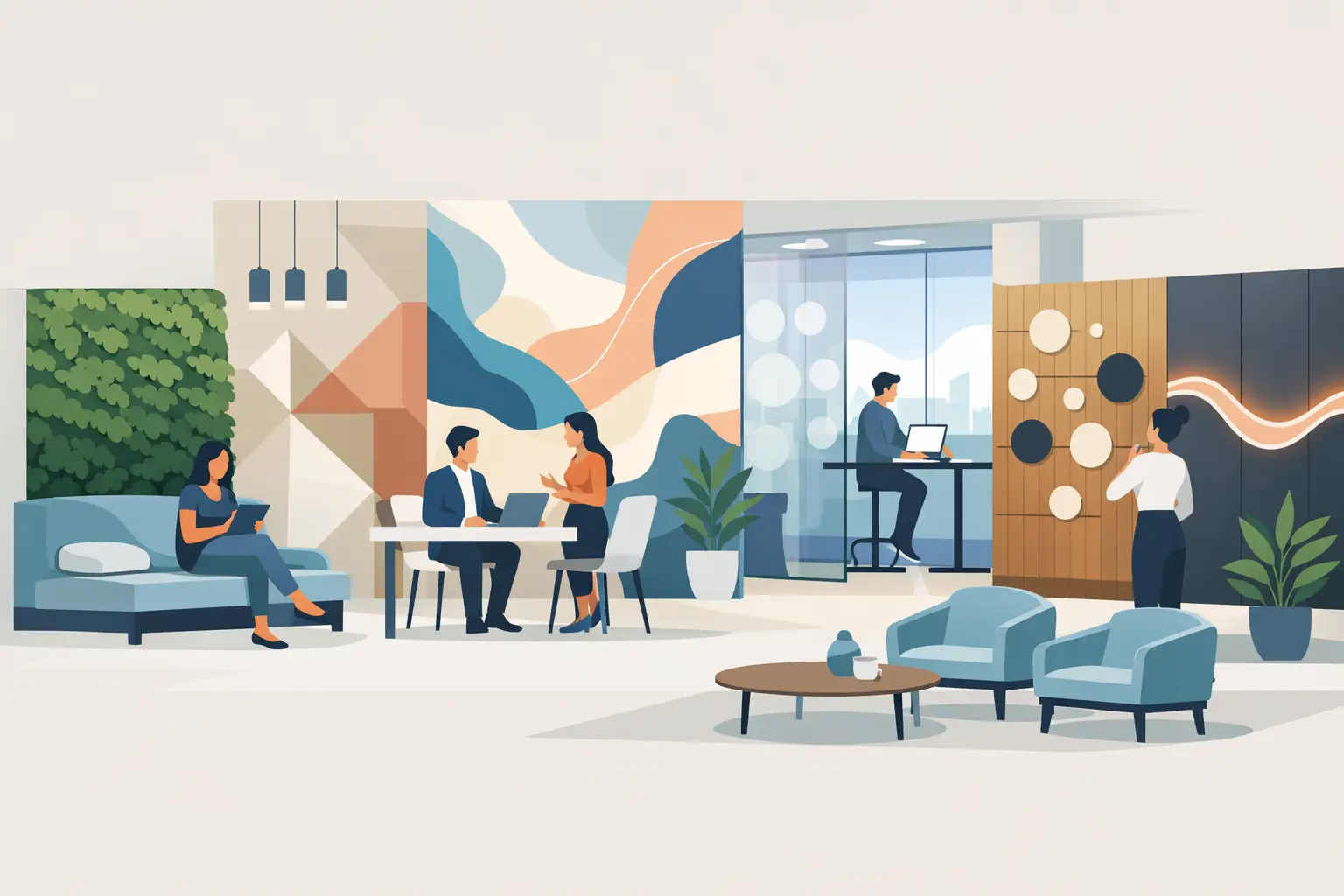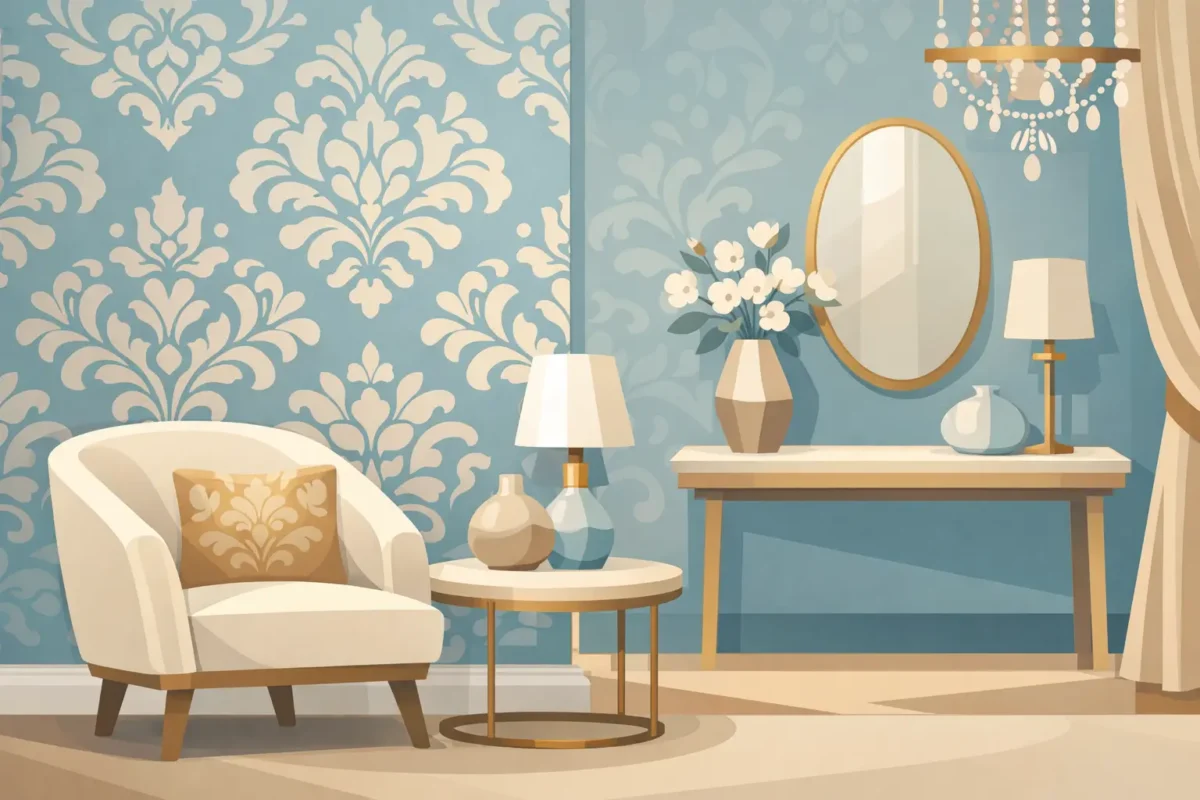
A blank office wall rarely stays neutral. It either makes the room feel unfinished, or it quietly drains energy from a space that should look focused, polished, and intentional. The best office feature wall ideas do more than add color. They shape first impressions, support brand identity, improve atmosphere, and help a workplace feel designed rather than merely fitted out.
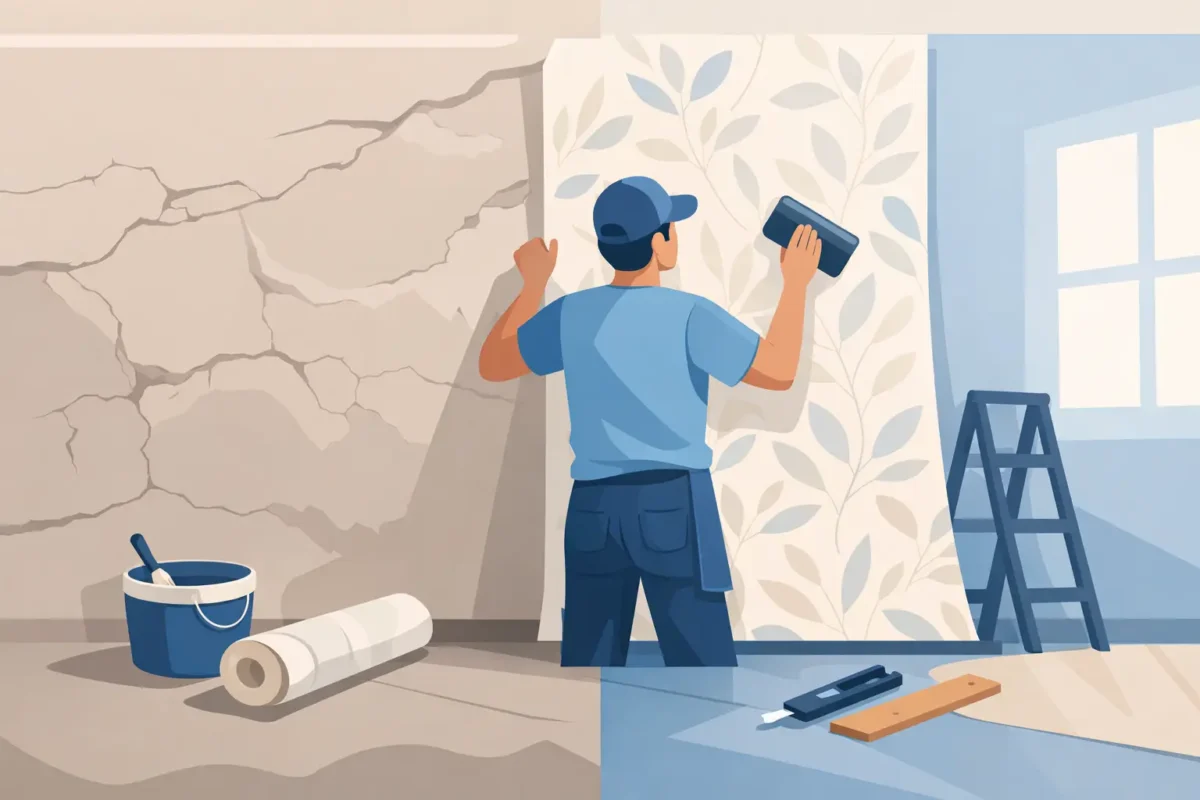
For business owners, designers, and project teams, the right wall treatment also has to perform. A beautiful finish that scuffs easily, reflects too much glare, or becomes difficult to maintain will not hold up in a real working environment. That is why feature walls in offices should be selected with the same care as flooring, lighting, and furniture – with equal attention to aesthetics, durability, and installation quality.
An effective feature wall has a clear job. In a reception area, it may need to communicate confidence and brand presence the moment someone walks in. In an executive office, it may be there to add depth and quiet sophistication. In collaborative zones, it can bring energy and movement. In open-plan workspaces, it may help break visual monotony without overwhelming the room.
Scale matters. A dramatic mural can look exceptional in a spacious lobby but feel crowded in a small meeting room. Likewise, a subtle textured wallpaper may feel refined in a boardroom yet disappear in a large communal area. The strongest results usually come from matching the wall finish to the room’s function, the available light, the ceiling height, and the amount of daily traffic.
Material choice matters just as much. In commercial settings, washable surfaces, fire-rated specifications, fade resistance, and clean installation are often non-negotiable. Premium design should still meet practical demands.
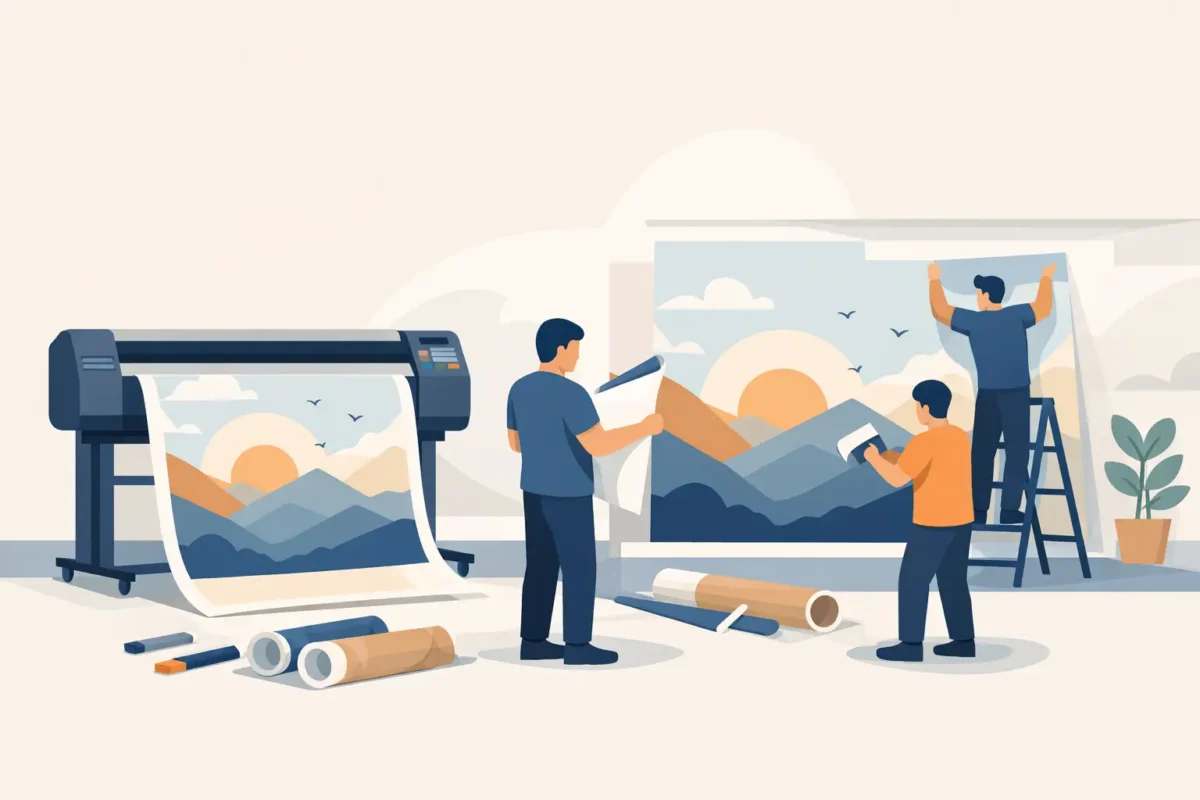
If the goal is immediate identity, a custom mural is one of the most effective options. This approach works especially well for headquarters, creative firms, sales offices, property galleries, and hospitality-led workplaces where the entrance sets the tone.
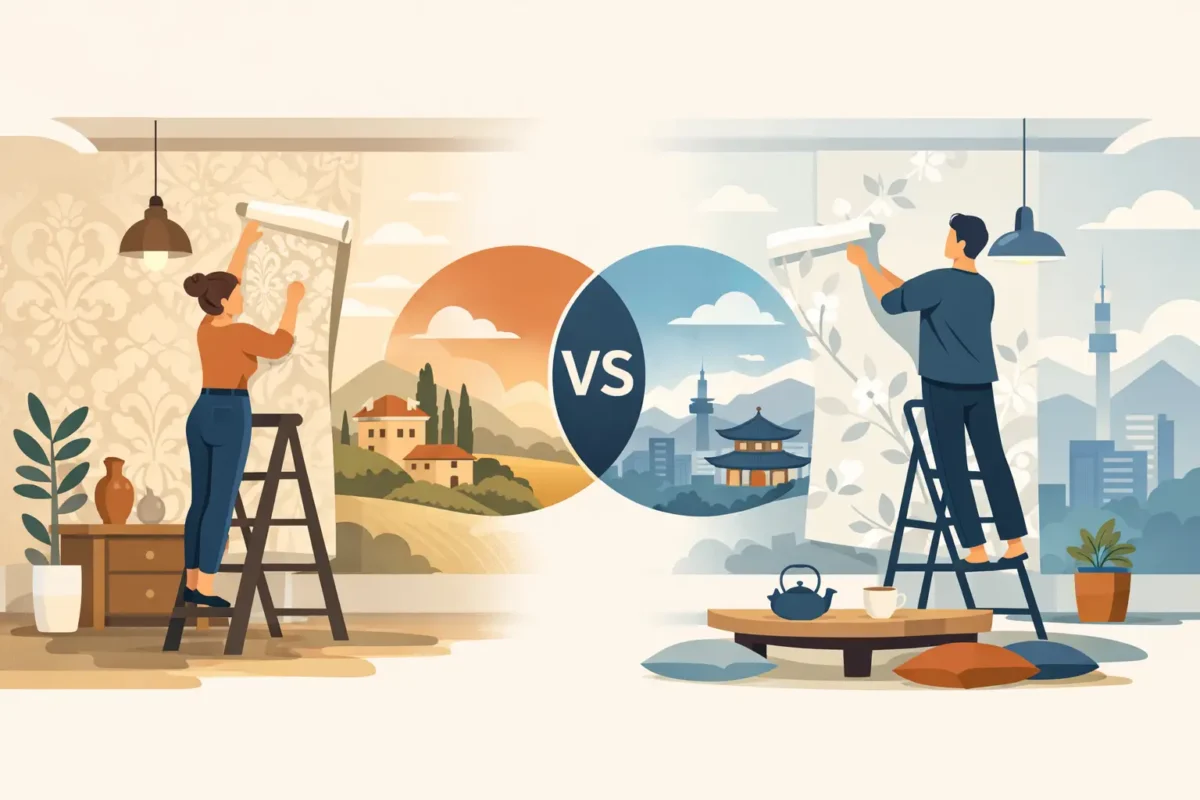
A branded mural can be literal or restrained. Some spaces suit a large-scale logo integrated into an architectural composition. Others benefit more from abstract graphics, cityscapes, or layered imagery that reflects the company personality without reading like signage. The advantage of custom print is control. Scale, color palette, and placement can be tailored to the exact wall dimensions and interior scheme.
This is often the best choice when a standard wallpaper design feels too generic. It also allows you to align the wall precisely with your brand colors and visual language. The trade-off is that custom design needs careful planning. Artwork quality, print resolution, and installer precision all affect the final result.
Not every office needs a statement image. In many professional environments, texture creates a stronger result than pattern because it adds depth without visual noise. Linen effects, woven finishes, concrete-inspired surfaces, metallic detailing, and soft plaster looks all bring sophistication while remaining versatile.
This is one of the most adaptable office feature wall ideas because it suits almost every room type. It works behind a reception desk, in executive suites, in meeting rooms, and along corridor focal points. Texture also pairs well with timber, stone, glass, and black-framed partitions, making it easy to integrate into contemporary commercial interiors.
For clients who want a luxury finish with long-term flexibility, textured commercial wallpaper is often a smart investment. It photographs well, ages well, and does not date as quickly as trend-driven graphics.
Warmth is often missing from modern office interiors. Too much glass, white paint, and hard flooring can make a space feel efficient but impersonal. A feature wall with wood grain, rattan-inspired pattern, or natural stone effect introduces balance.
These finishes are especially effective in private offices, lounges, consultation rooms, and hospitality-style workspaces where comfort matters. They help soften acoustically hard environments and make a room feel more grounded. The visual effect is organic, but the maintenance can be far easier than using real timber or stone across a full wall.
The key is realism. Lower-quality prints can look flat or repetitive. A premium wallcovering with convincing detail and commercial-grade performance will create the intended richness without the upkeep challenges of natural materials.
Geometric walls bring structure and movement. They are often used in meeting rooms, breakout areas, and creative offices where the design brief calls for a sharper contemporary identity. Angled forms, repeated linear patterns, and large-scale abstract shapes can energize a room without relying on loud color.
This style works best when the surrounding interior remains disciplined. If the furniture, flooring, and lighting are already visually busy, a geometric feature wall may push the space too far. But in a restrained environment, it can become the element that gives the room rhythm.
For commercial settings, consider the viewing distance. A pattern that looks elegant up close may feel chaotic across a larger open-plan office. Sampling on site is worth the extra step.
Not every workplace wants a corporate look. In wellness-led offices, studios, hospitality offices, and client-facing spaces, botanical designs can make the environment feel calmer and more welcoming. This does not mean overly decorative floral wallpaper. The stronger option is usually a refined biophilic approach – foliage silhouettes, tonal leaf textures, misty landscape murals, or nature-inspired abstract prints.
These walls help reduce the hard edge of commercial interiors. They also work well in spaces with limited access to natural views. The result can feel restorative, especially when paired with real plants, warm lighting, and natural finishes.
The caution here is trend fatigue. Choose designs with depth and restraint rather than novelty motifs that may feel dated within a short project cycle.
Some office feature wall ideas should solve a technical problem as well as a visual one. Acoustic wall solutions do exactly that. In conference rooms, phone booths, collaborative zones, and open offices, sound management is often as important as appearance.
An acoustic feature wall can be specified in fabric-backed finishes, textured panels, or decorative surface systems that soften reverberation while still looking premium. This is particularly valuable in glass-heavy offices where speech privacy and echo control are ongoing concerns.
The benefit is practical and immediate. The wall does not just look better. The room works better. For offices where staff comfort and meeting quality matter, that is a strong design decision.
Deep charcoal, navy, espresso, and warm black tones can create a distinctly elevated mood. Used well, a dark feature wall adds authority and focus. It works best in executive offices, boardrooms, private client areas, and premium lounges where a more tailored atmosphere is appropriate.
The material finish is critical. Flat dark paint can show marks quickly and may lack depth under office lighting. A dark wallcovering with texture, metallic threading, or subtle pattern usually delivers a more refined effect and better wear performance.
This approach depends heavily on lighting. In rooms with little natural light, a dark feature wall can feel heavy if the rest of the palette is not balanced. Layered lighting and lighter adjacent surfaces help keep the space composed.
In some offices, especially real estate, design studios, hospitality offices, and premium service environments, art-led walls create a stronger impression than repeating wallpaper patterns. Large-format scenic murals, abstract compositions, monochrome photography, and gallery-style wall graphics can all serve as a sophisticated focal point.
This approach feels curated rather than decorative. It suggests intention, brand confidence, and a more bespoke design language. It is also useful when a business wants a statement wall that feels less tied to a conventional corporate style.
Custom sizing is a major advantage here. A large wall should not feel like a standard print enlarged beyond its comfort zone. Proportion and resolution matter.
Many businesses want branding on the wall but do not want the office to feel like an exhibition booth. A more refined solution is to integrate the logo or brand motif into the wallcovering itself. This might mean tonal layering, embossed effects, metallic detailing, or a pattern derived from the brand identity.
This is particularly effective in reception areas, boardrooms, and headquarters where visual consistency matters. The result feels elevated and architectural rather than promotional. For luxury brands and professional firms, that distinction is important.
It also ages better. Overt graphics can become limiting during rebrands or interior updates, while subtle brand integration tends to remain relevant for longer.
Sometimes the smartest feature wall idea is not the boldest one. In busy offices, lift lobbies, corridors, and staff circulation zones, a durable commercial wallcovering may be the right answer. These spaces still need presence, but they also need surfaces that resist wear, clean easily, and maintain a polished appearance over time.
Fabric-backed commercial wallpaper, heavy-duty textured finishes, and professionally installed custom wallcoverings offer that balance. They provide design character without introducing fragile materials into hard-working spaces.
For many projects, this is the difference between a feature wall that looks impressive on handover day and one that still performs a year later.
The strongest selection usually comes down to three questions. What should the wall say about the space? What does the room need functionally? And how much wear will the surface need to handle?
A reception feature wall can justify more drama because it carries brand value. A boardroom wall often benefits from restraint and texture. Open-plan offices may need acoustic value or visual zoning. Developer sales galleries and hospitality offices may lean toward custom murals that create a memorable identity. There is no single best answer, only the best fit for the brief.
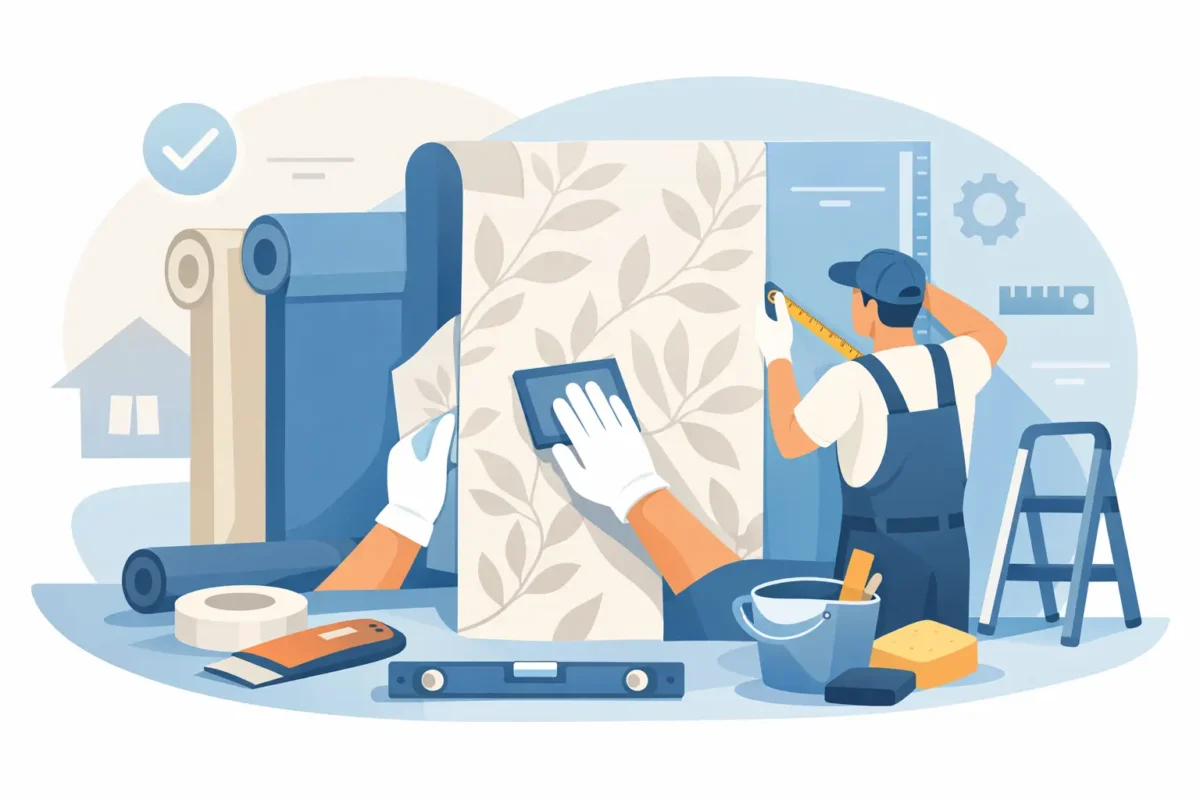
That is also where expert guidance matters. Product scale, substrate condition, print quality, fire performance, maintenance expectations, and installation accuracy all affect the outcome. Premium design deserves proper execution.
At Decorating Depot, project teams often look for more than inspiration. They want a finish that looks exceptional, meets commercial demands, and is installed with confidence. A well-chosen feature wall should do exactly that – transform the room, support the brand, and keep performing long after the first impression.