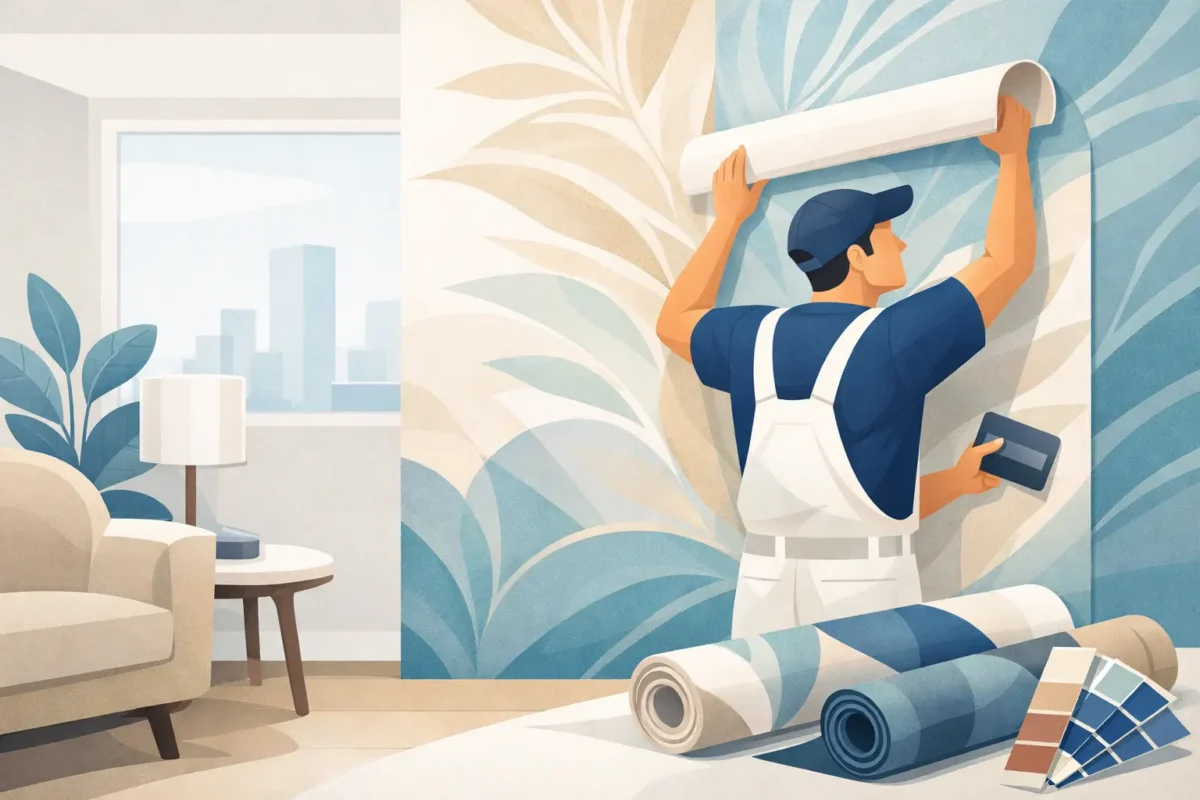
A plain painted wall now reads as a missed opportunity in many of the most memorable interiors. The strongest wallcovering design trends 2026 are not just about pattern or color. They are about creating atmosphere, reinforcing brand identity, improving durability, and making every vertical surface work harder.
For homeowners, designers, and project teams, that shift matters. Walls are no longer treated as background. They are being specified as design assets – expressive in residential spaces, performance-driven in commercial settings, and increasingly customized for the exact scale, mood, and function of a room. That is where 2026 is heading with real clarity.
The market is moving away from one-note feature walls and into more intentional surface design. Clients still want beauty, but they also want material confidence. A guest room wall has to feel refined, a retail wall has to support brand storytelling, and a corridor wall in a high-traffic environment has to withstand wear without losing visual impact.
That is why the most relevant wallcovering choices in 2026 sit at the intersection of aesthetics and engineered performance. Texture is becoming more sophisticated. Prints are becoming more tailored. Commercial-grade specifications are influencing residential expectations. At the same time, luxury is becoming quieter, less flashy, and more dependent on finish, depth, and material quality.
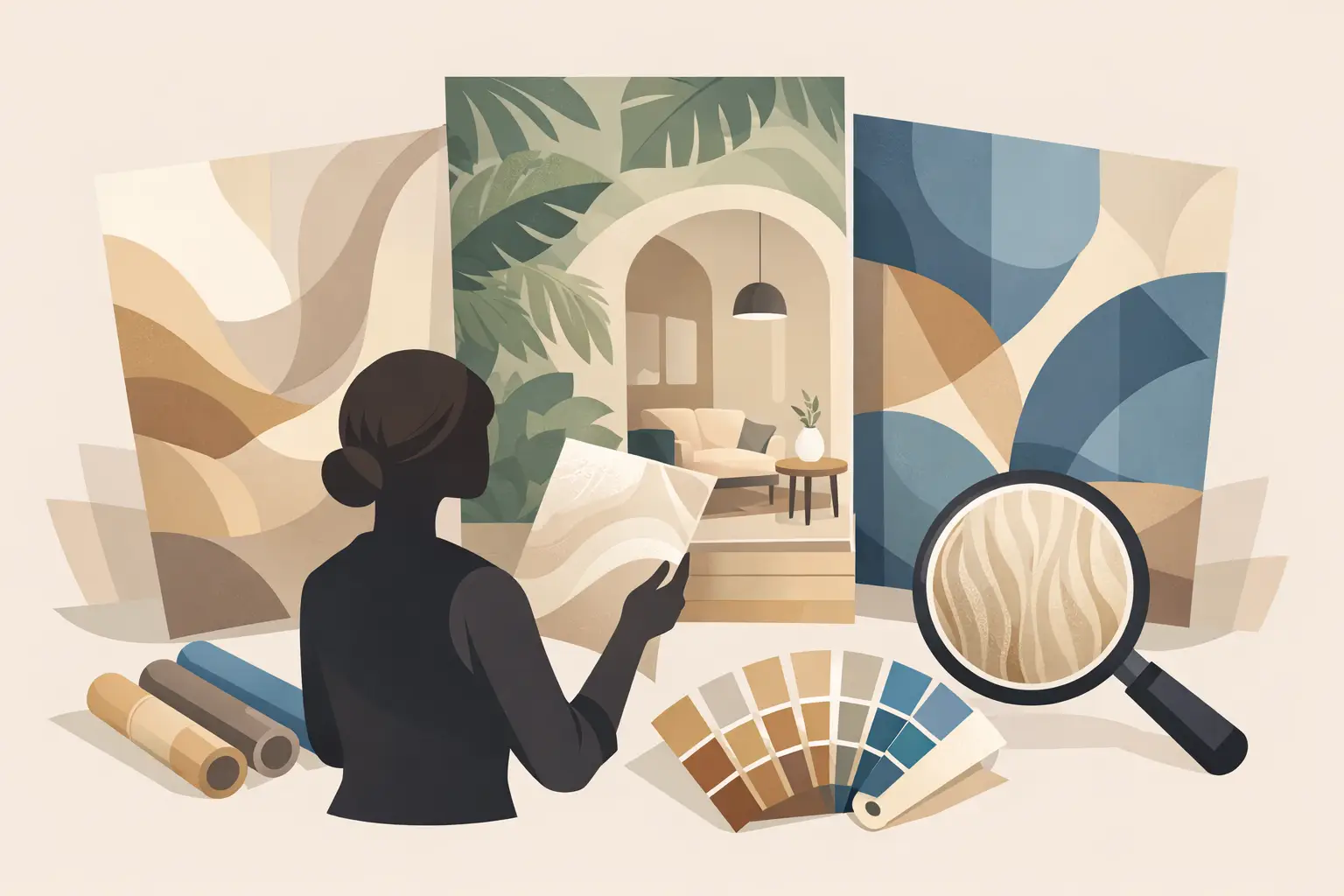
One of the clearest shifts is the move toward tactile surfaces. Instead of loud, repetitive motifs designed only to catch the eye, many 2026 collections lean into dimensional interest. Linen looks, plaster-inspired surfaces, woven effects, grasscloth aesthetics, and embossed finishes are gaining traction because they create richness without overwhelming a room.
This trend works especially well in spaces that need a polished but grounded atmosphere. Think private residences, hotel suites, executive offices, reception areas, and upscale retail environments. Texture adds character while remaining versatile enough to support furniture, lighting, and artwork.
There is a practical reason this direction is resonating too. Highly textured-looking wallcoverings often hide minor wall imperfections better than flat paint, and many modern options offer easier maintenance than natural materials. The trade-off is that not every texture-heavy design suits humid or very high-contact areas, so specification still matters. A beautiful finish must also match the demands of the site.
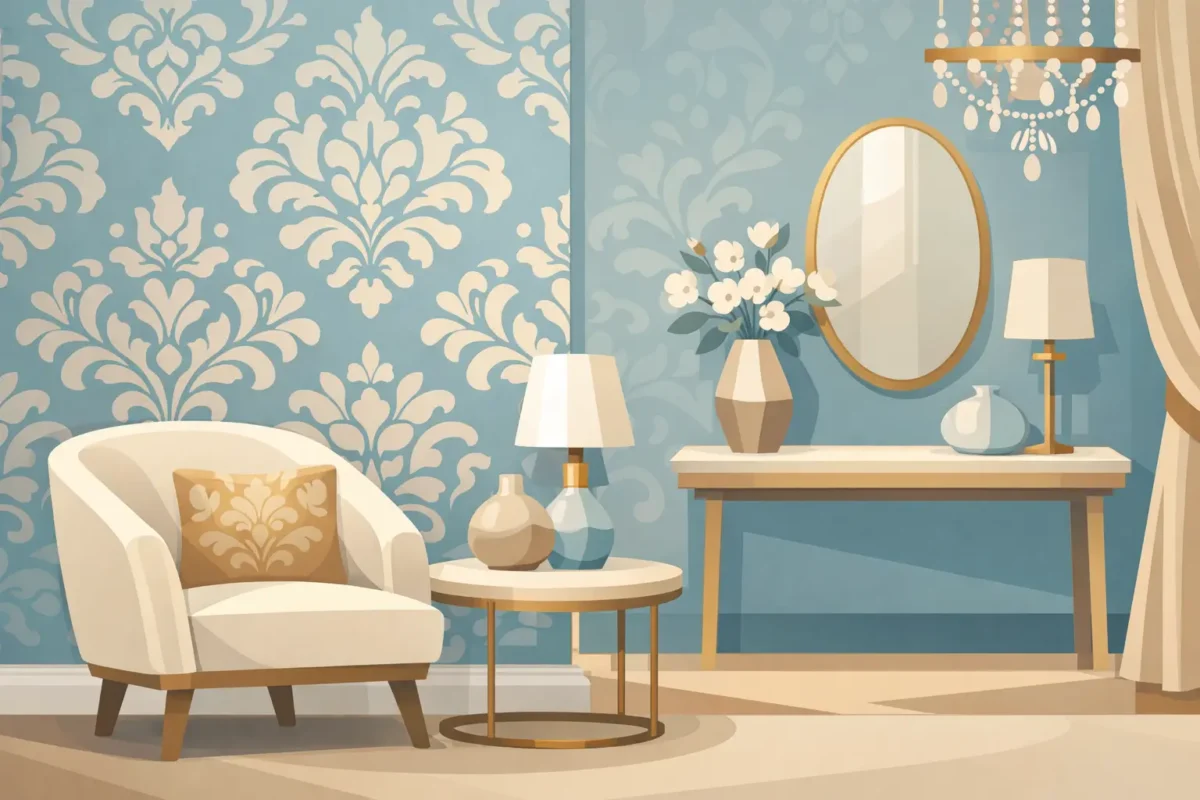
In premium interiors, luxury is becoming less about obvious shine and more about restraint. Soft metallic accents, mineral-inspired depth, matte-on-matte pattern, and tonal layering are replacing high-contrast statements in many projects. The result feels elevated and current rather than trend-driven.
For designers and property owners, this creates longer visual relevance. A wallcovering that relies on finish and depth tends to age better than a pattern chosen purely for novelty. In practical terms, that means better long-term value, especially in projects where redesign cycles are costly.
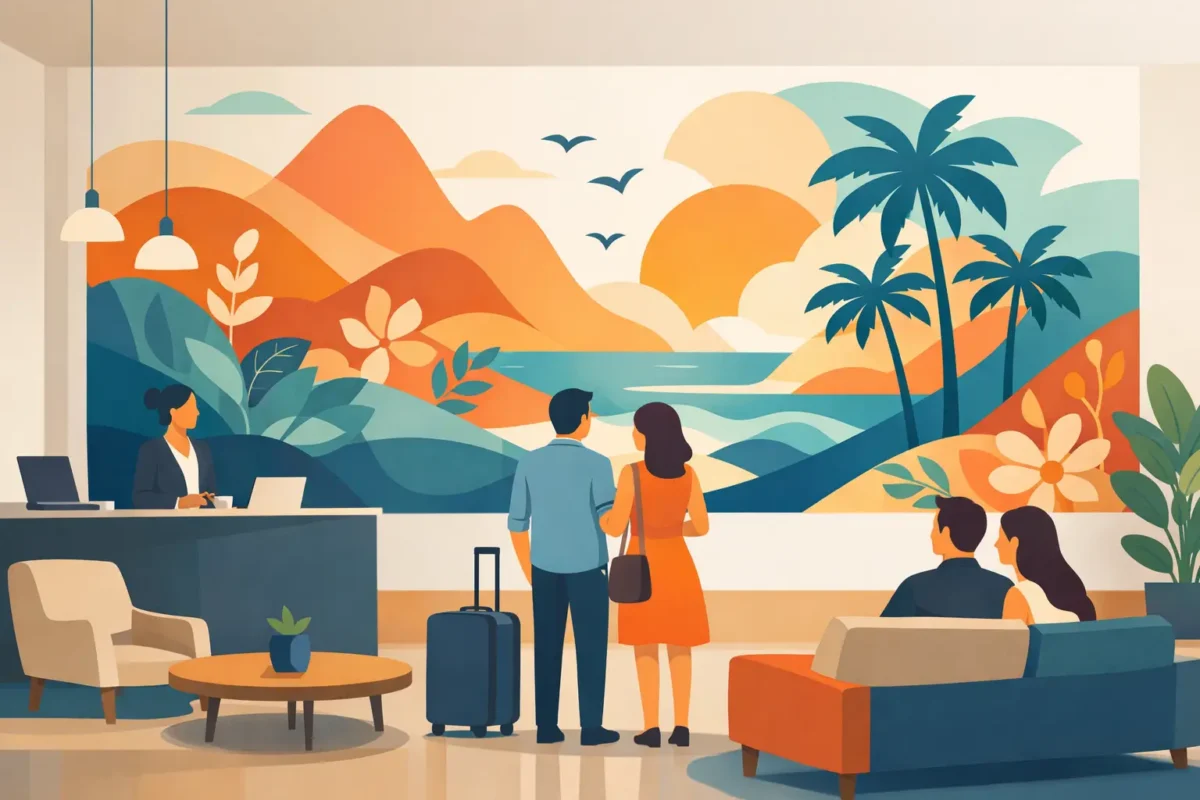
Murals are no longer reserved for children’s rooms or one-off statement walls. In 2026, custom wall graphics and bespoke mural installations are becoming a strategic tool across residential, hospitality, office, and retail design. The difference is that clients are asking for more than decoration. They want place-specific visuals, branded storytelling, and scale-appropriate artwork that feels built into the architecture.
In homes, this can mean panoramic landscapes, abstract compositions, or soft scenic designs tailored to the exact dimensions of a bedroom, dining area, or stairwell. In hospitality and commercial environments, murals are increasingly used to define guest experience, reinforce identity, and create shareable moments without relying on temporary styling.
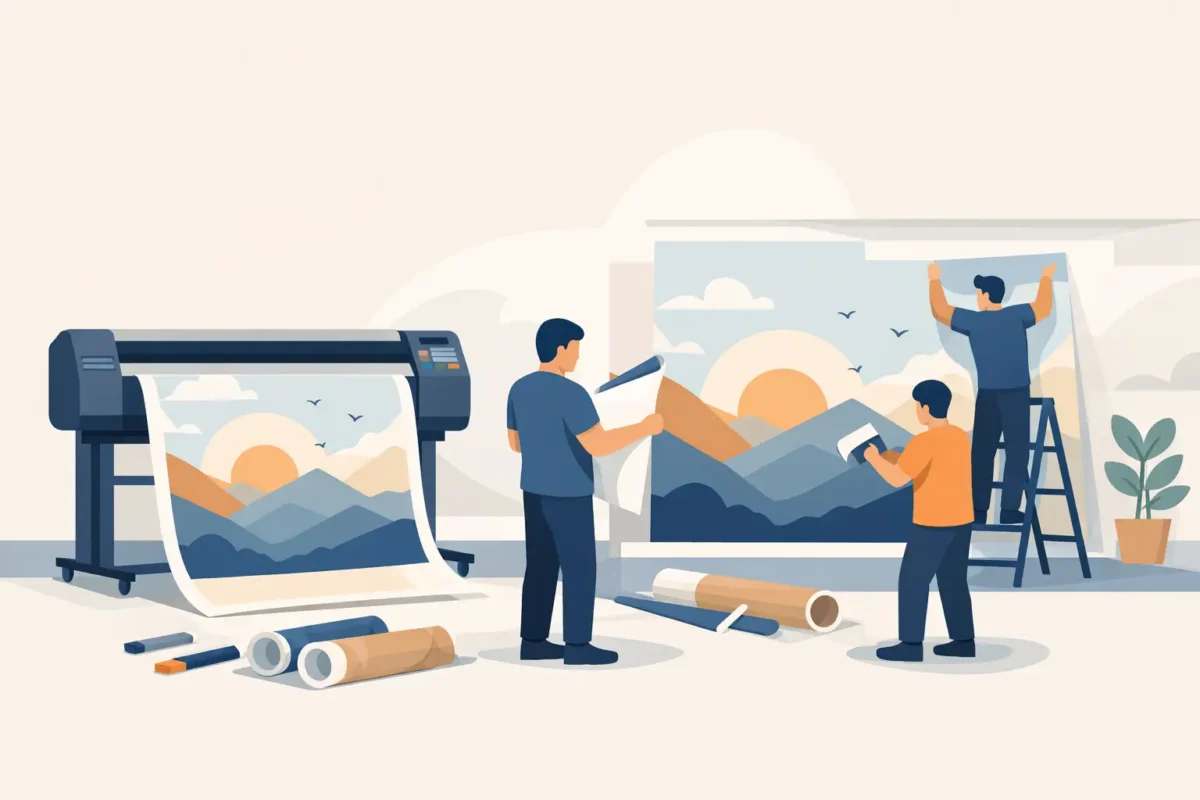
This is where customization becomes especially valuable. A standard repeat pattern may be sufficient for some rooms, but murals give designers control over proportion, focal points, and mood. When produced with high-resolution printing and eco-conscious ink systems, they can deliver both visual precision and project-ready practicality.
One reason murals are outperforming generic feature walls is scale control. A design that looks impressive in a sample book can fail on a large lobby wall if the motif is too small, too repetitive, or poorly positioned. Custom production solves that problem by allowing artwork to be resized and composed for the actual space rather than forced into it.
That flexibility is becoming a major differentiator in 2026. Clients want walls that feel intentional, not adapted as an afterthought.
Biophilic design is not disappearing. It is simply growing up. Rather than obvious tropical prints everywhere, the next wave is more nuanced. Expect botanical references with softer palettes, abstract landscapes, stone and mineral influences, organic linework, and patterns that suggest nature without being overly literal.
This is an important distinction. A hospitality lounge, luxury condominium, or modern office may want warmth and calm, but not necessarily a wall full of oversized leaves. Refined natural themes deliver that balance. They create visual ease and connection without pushing the room into a themed aesthetic.
Color plays a major role here. Earth-based neutrals, clay, sand, taupe, moss, deep mineral blue, warm gray, and muted green are all strong directions. These shades support layered interiors and work well with wood, stone, upholstery, and brushed metal finishes.
A notable shift in wallcovering design trends 2026 is that residential clients are becoming more specification-aware. They are asking better questions about washability, durability, fire performance, and installation quality because they have seen the value of project-grade materials in hotels, offices, and branded environments.
This does not mean every home needs a heavy-duty contract wallcovering. It means the expectation has changed. Premium residential buyers want surfaces that look exceptional and hold up to real use. In family homes, that may mean scrubbable finishes in hallways or feature walls that resist daily wear. In condominiums and luxury residences, it may mean wallpaper that offers dimensional sophistication with easier maintenance than delicate decorative finishes.
For developers and commercial operators, this trend is even more direct. Wallcoverings are being selected with lifecycle thinking in mind. The right product reduces replacement frequency, protects wall surfaces, supports compliance requirements, and maintains design consistency across large-scale projects.
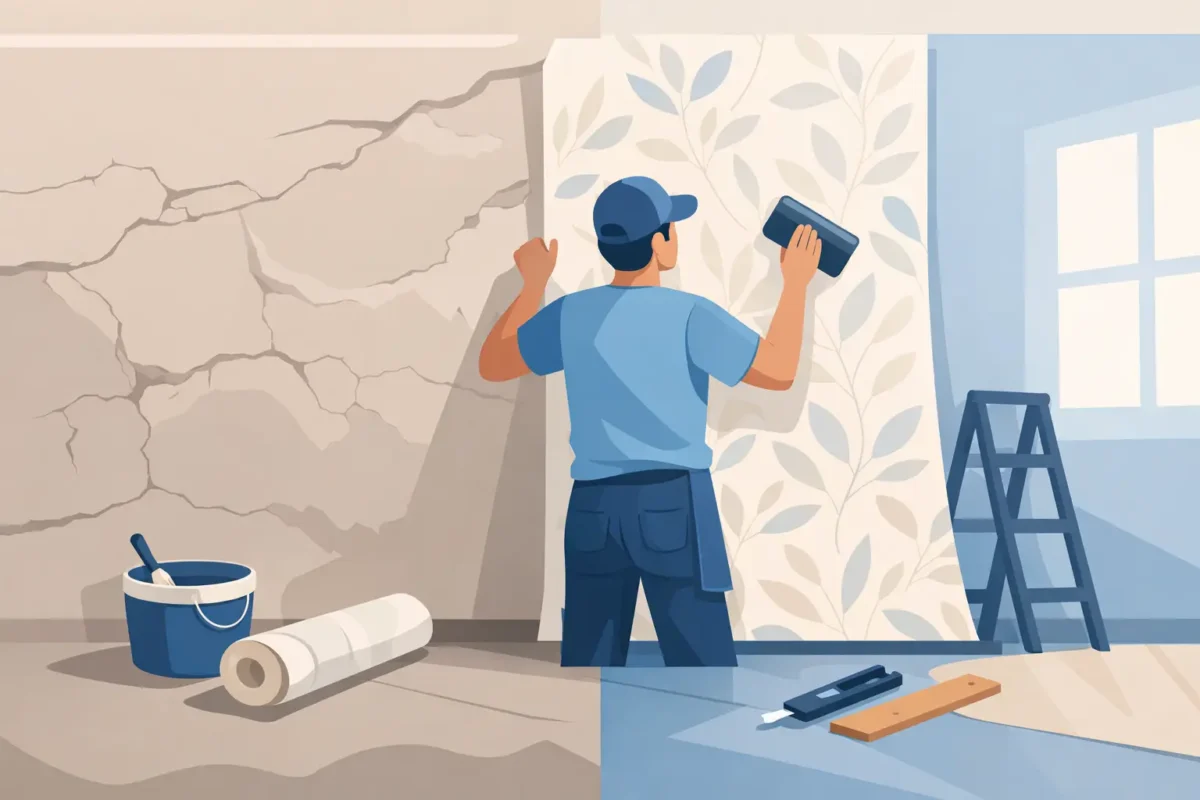
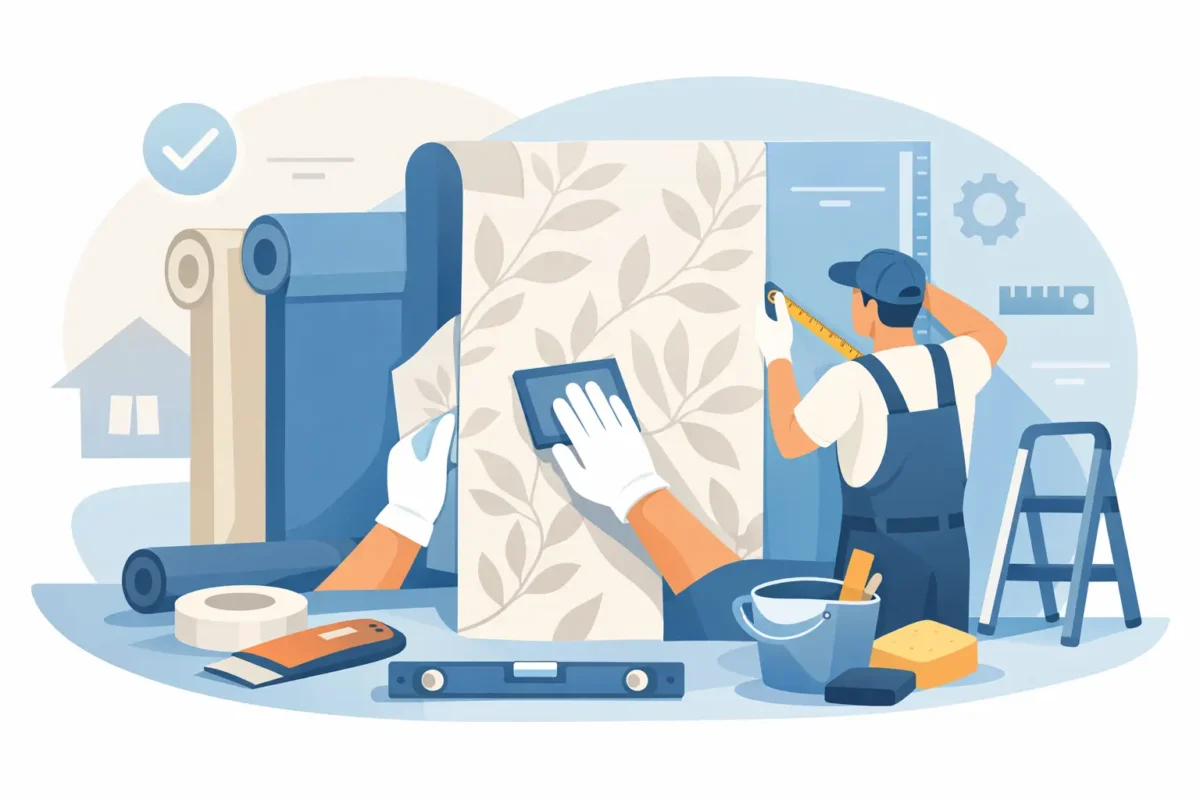
As patterns become larger and textures more refined, installation quality becomes non-negotiable. Poor seam alignment, bubbling, substrate issues, or inconsistent trimming can undermine even the most premium design. In 2026, clients are increasingly choosing suppliers who can support both material selection and professional installation because execution risk is simply too high otherwise.
That full-service confidence is especially important in hospitality, retail, and multi-unit projects where delays and defects carry a real cost.
Pattern is not disappearing. It is becoming more disciplined. Geometrics are softer, linework is cleaner, and repeats are more architectural. Instead of busy prints competing with furniture and lighting, 2026 patterns are often designed to support the space through rhythm, symmetry, and visual structure.
This makes them particularly strong for entry foyers, powder rooms, boutique retail, meeting rooms, and feature corridors. A controlled pattern can add energy and identity without making the environment feel chaotic.
At the same time, there is still room for expressive design. Bold wallpaper has not gone out of style. It simply works best when the room has a clear concept and the material quality is high enough to carry that ambition. Statement walls still succeed, but now they are more likely to be curated than impulsive.
Trend relevance matters, but selection should still begin with the room’s purpose. A beautiful wallcovering that cannot tolerate moisture, cleaning, or impact is the wrong choice no matter how current it looks. The smartest specifications balance visual direction with substrate condition, lighting, traffic level, maintenance expectations, and installation requirements.
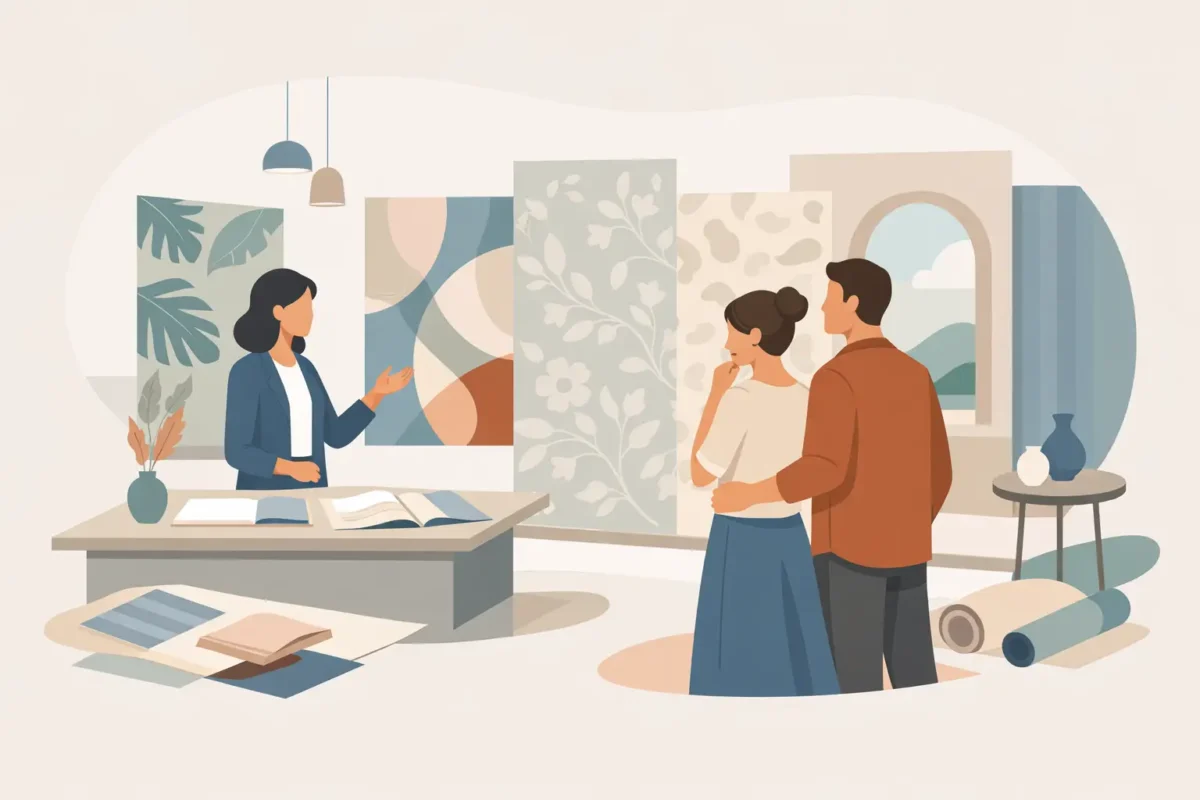
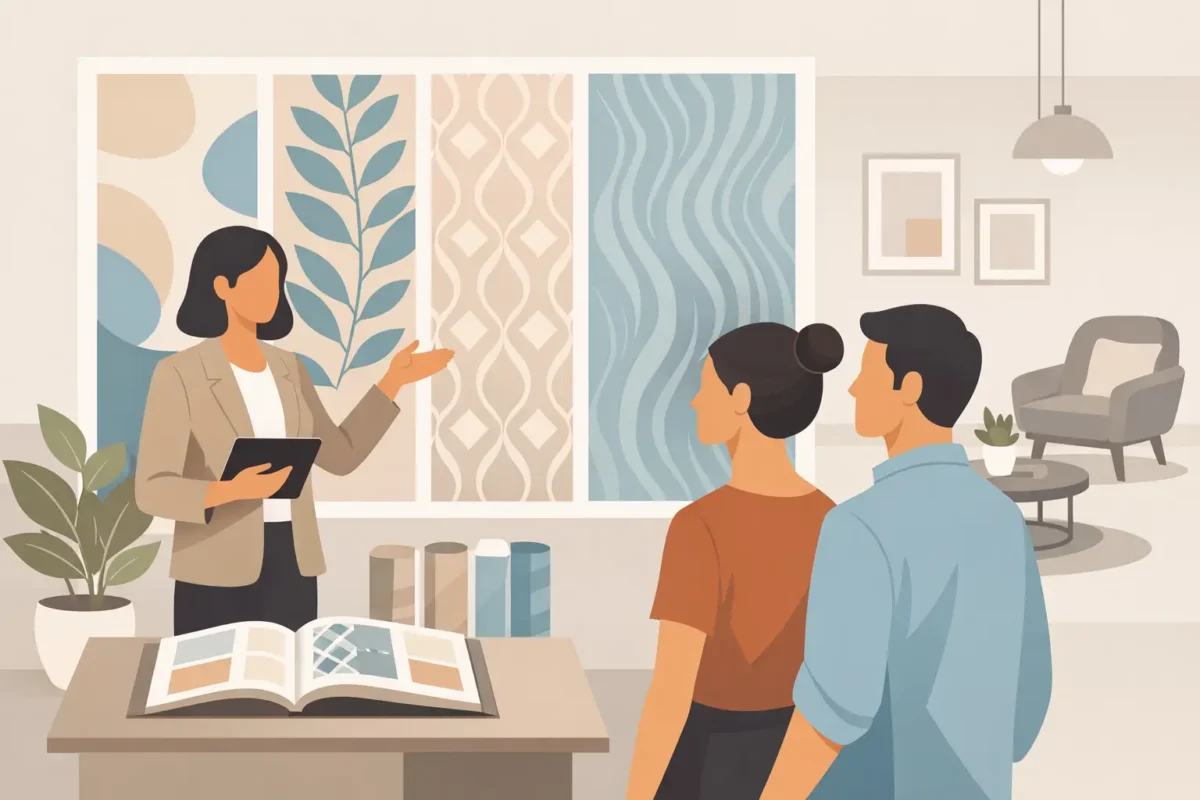
This is where showroom-led selection has a real advantage. Seeing scale, texture, and finish in person changes decision-making. It helps clients distinguish between a design that is merely attractive in a catalog and one that will truly transform the finished space. For projects that need customization, technical guidance, and consistent execution, that support becomes part of the product itself.
Decorating Depot sees this shift clearly across residential and commercial work alike. Clients are asking for walls that do more – more character, more durability, more customization, and more confidence from concept to installation.
The most successful spaces in 2026 will not follow trends blindly. They will use wallcovering with precision, choosing surfaces that feel distinctive, perform reliably, and give the room a stronger point of view long after the first reveal.