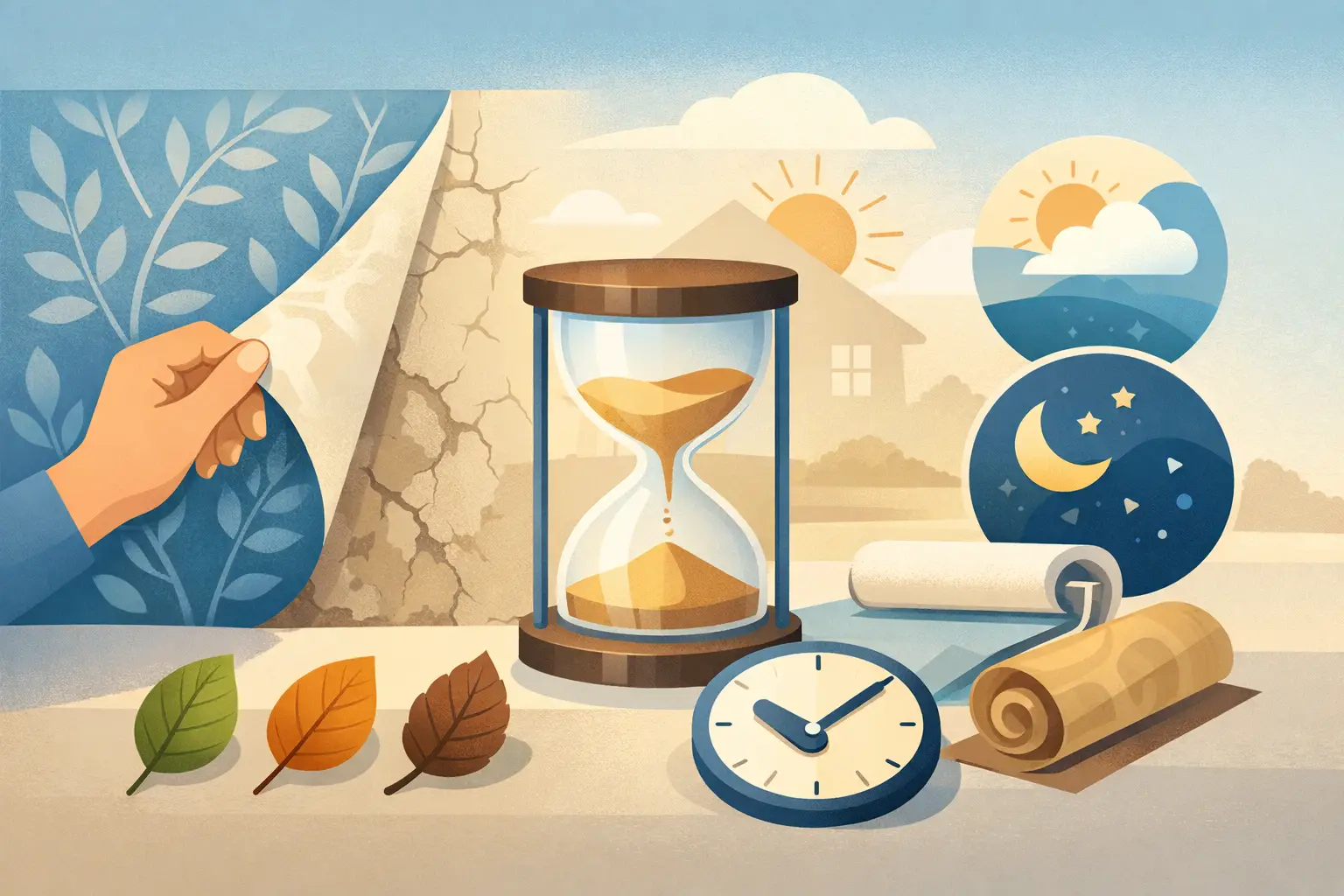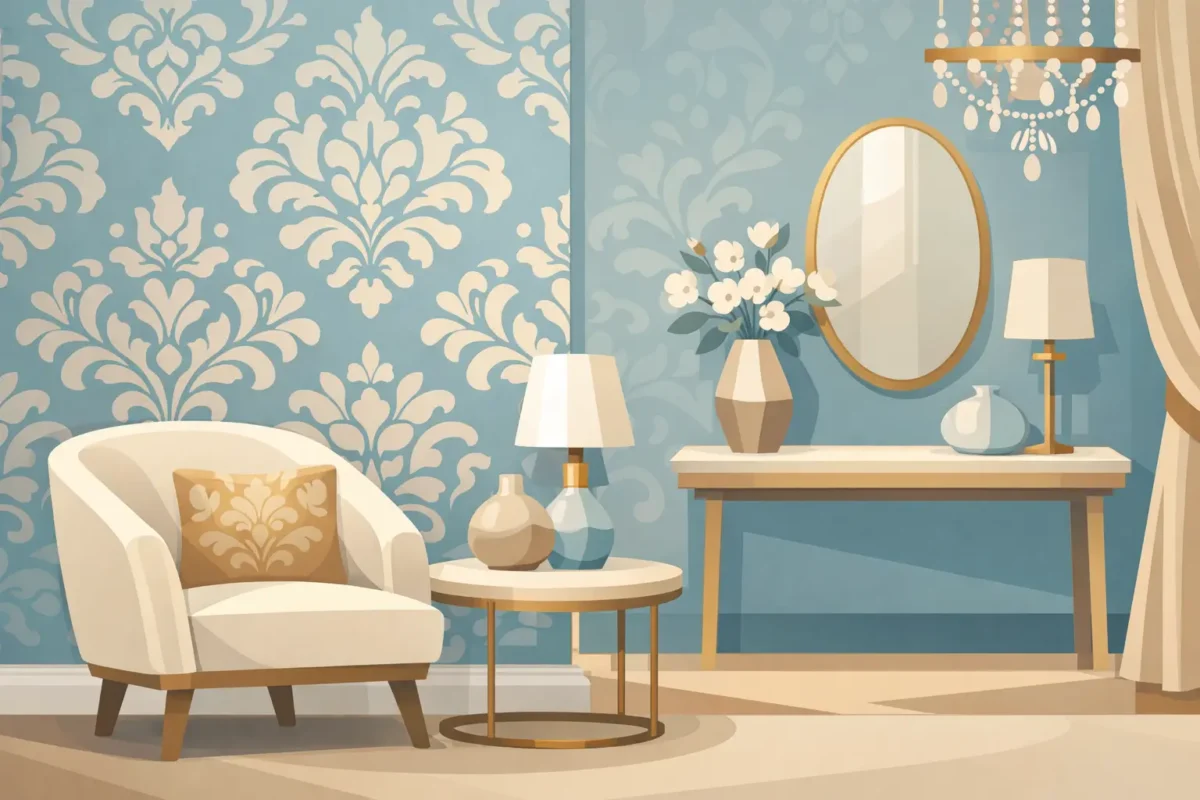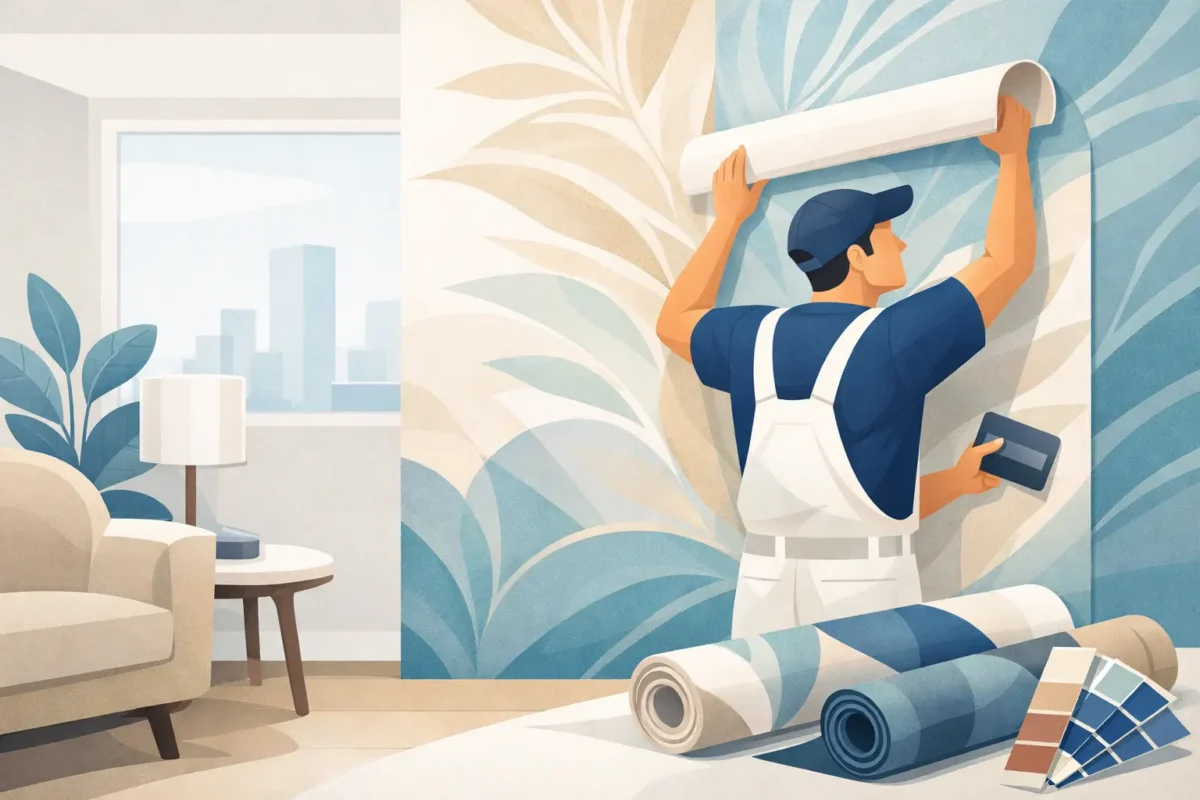
A beautifully finished wall should do more than look impressive on day one. It should hold its color, texture, and surface integrity for years. So, how long does wallpaper last? In most well-maintained interiors, quality wallpaper can last anywhere from 10 to 15 years, and in some cases much longer. The real answer depends on the material, the room, the condition of the wall beneath it, and how professionally it was installed.
That range matters because wallpaper is not a single product category. A decorative paper for a low-traffic bedroom performs very differently from a fabric-backed commercial wallcovering in a hotel corridor or a custom mural in a branded retail space. If you are specifying wallpaper for a home, office, hospitality project, or development, lifespan should be evaluated as a performance question, not just a style question.
In residential settings, standard wallpaper often remains in excellent condition for 10 to 15 years. In formal living rooms, bedrooms, and feature walls with limited wear, premium products can exceed that. In commercial environments, the timeline is more variable. A high-traffic lobby, restaurant, or office corridor puts more pressure on the surface through impact, cleaning, humidity, and daily contact.
This is where specification becomes critical. A vinyl-coated wallpaper may be suitable for a stylish home interior, while a fabric-backed vinyl wallcovering is often the better choice for commercial and hospitality use because it is engineered for higher durability, easier maintenance, and longer-term visual consistency. A wallpaper that lasts beautifully in one setting may fail early in another simply because the environment asks more of it.
Wallpaper longevity is shaped by four main factors: material quality, installation quality, wall preparation, and environmental conditions. If any one of those is weak, the finish may age faster than expected.
Material quality is the starting point. Thicker, better-manufactured wallcoverings generally resist tearing, shrinking, edge curling, and visible wear more effectively than entry-level options. Print quality also matters. Rich, stable color and well-produced surface finishes tend to retain their appearance longer, especially in bright interiors or commercial spaces where presentation is part of the experience.
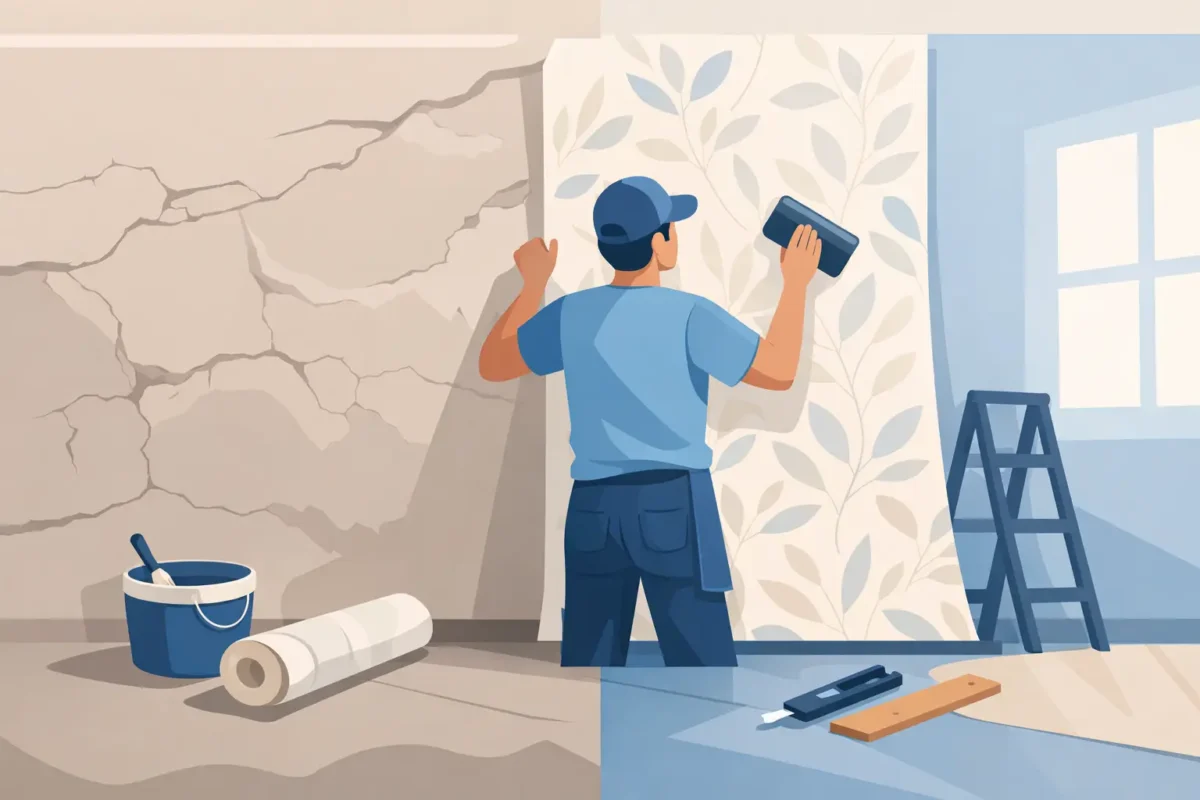
Installation is just as important as the product itself. Even a premium wallpaper can fail early if it is hung on a dusty, uneven, damp, or poorly primed wall. Bubbles, seam lifting, panel mismatch, and peeling corners are often installation issues rather than product issues. Professional installation creates a cleaner finish from the start and usually adds years to the result.
Wall condition is often overlooked. Cracks, moisture intrusion, flaking paint, or unsealed surfaces compromise adhesion. Wallpaper performs best when applied to a stable, properly prepared substrate. For custom murals and large-format designs, preparation becomes even more important because imperfections can affect both durability and visual alignment.
Then there is the room itself. Sunlight, air-conditioning cycles, steam, grease, and physical contact all influence how long wallpaper will look its best. A powder room and a hotel elevator lobby do not place the same demands on a wall finish.
If you are asking how long does wallpaper last, the most useful follow-up question is: what type of wallpaper are we talking about?
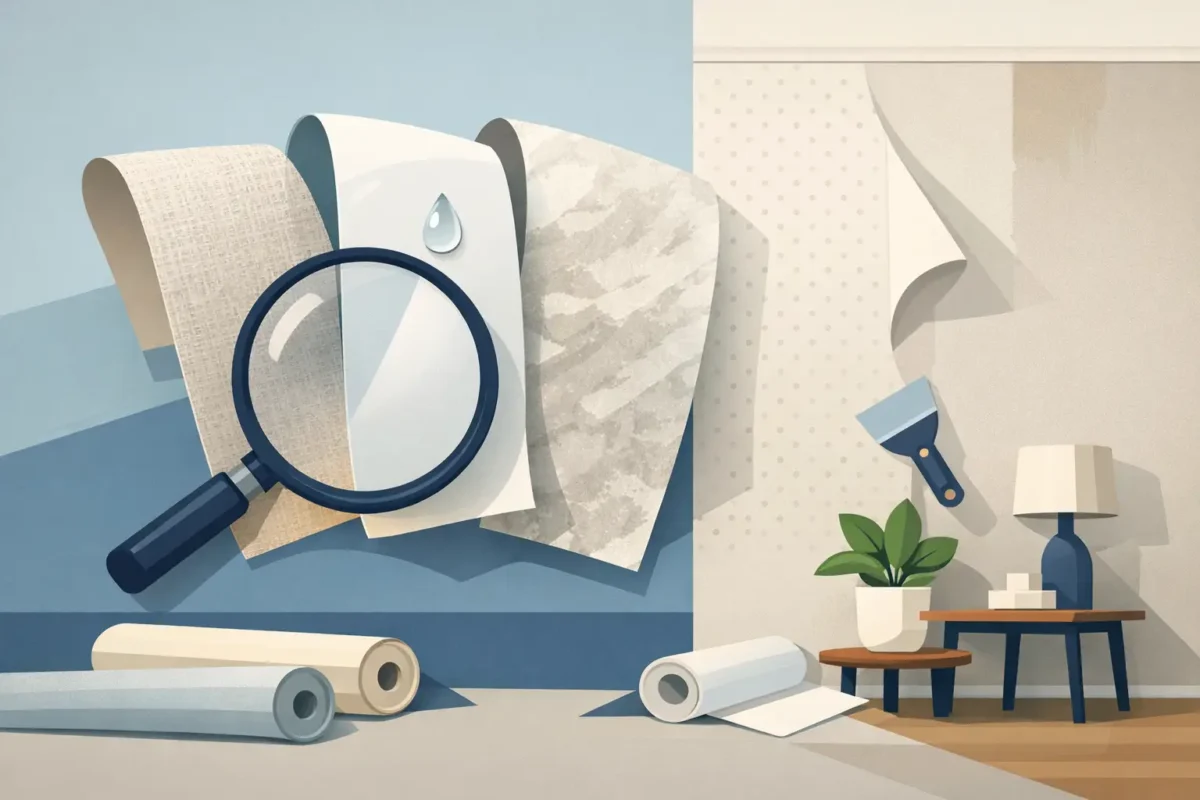
Paper-based wallpaper can look refined and elegant, but it is generally less forgiving in demanding environments. It is best suited to dry, low-impact spaces where aesthetics are the main priority.
Vinyl wallpaper typically offers better moisture resistance and easier cleaning, making it a strong option for family homes, offices, and selected commercial interiors. It tends to handle routine wear more confidently than basic paper products.
Fabric-backed commercial wallpaper is built for performance. This category is often specified for hotels, offices, healthcare settings, and retail spaces because it is more resistant to scuffing, more stable across larger wall spans, and better suited to maintenance protocols. In the right setting, it can deliver a noticeably longer service life.
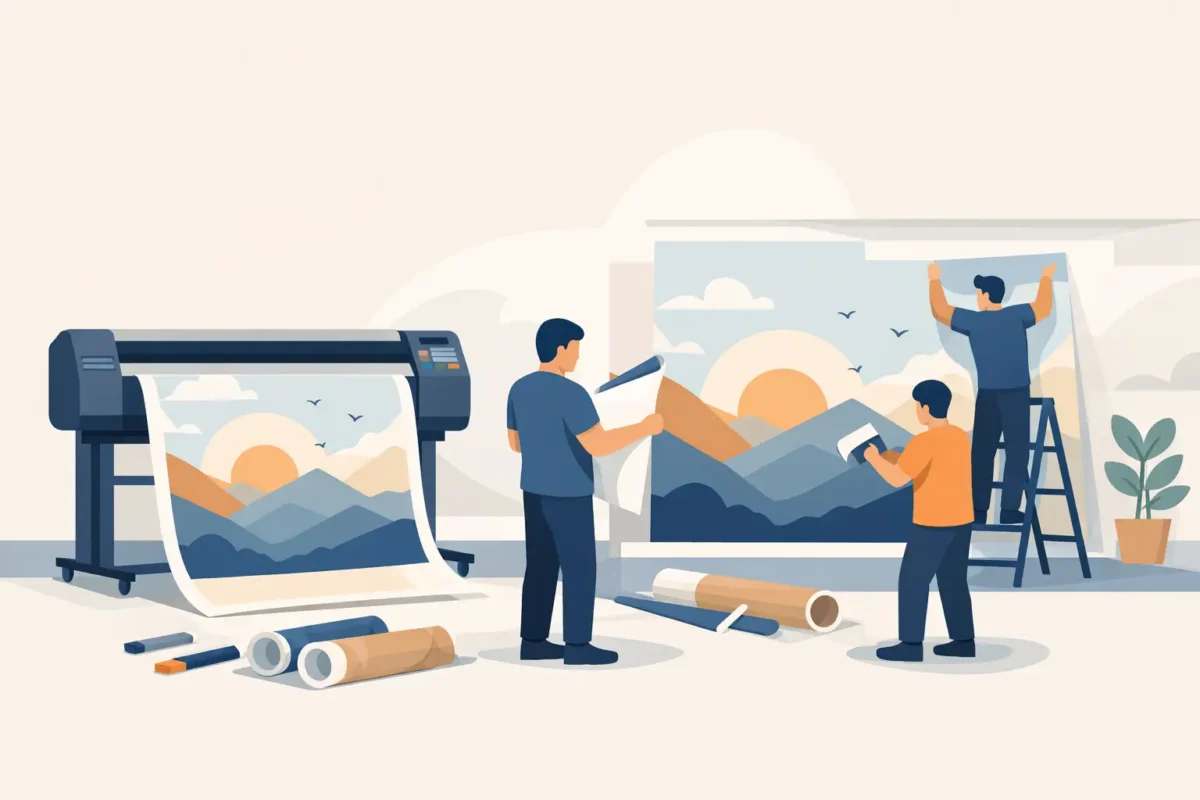
Custom print wallpaper and bespoke murals also vary depending on the print technology, substrate, coating, and installation method. When produced with high-quality materials and eco-friendly ink systems, they can offer both visual impact and dependable durability. The key is matching the substrate to the project conditions rather than choosing based on appearance alone.
Bedrooms, formal lounges, executive rooms, meeting spaces, feature walls, and low-traffic residential areas usually provide the longest lifespan. These spaces experience less abrasion, less moisture, and less aggressive cleaning. Wallpaper in these environments often ages gracefully, especially when it is not exposed to direct sunlight for long periods.
Commercial areas can also perform well when the specification is correct. Reception areas, private offices, boutique retail walls, and hospitality suites often maintain a strong finish for many years if the wallcovering is chosen for the level of use.
Bathrooms with poor ventilation, kitchens near active cooking zones, children’s play areas, public corridors, and high-contact commercial walls typically see earlier wear. The issue is not that wallpaper cannot be used there. It can. The issue is that the wrong category of wallpaper will struggle in these conditions.
Moisture can weaken adhesive over time. Repeated touching and impact can mark or lift seams. Harsh cleaning products can dull the finish or damage the surface coating. In these spaces, durability comes from specification discipline and installation precision, not optimism.
Wallpaper does not always fail dramatically. More often, it declines in subtle ways that affect the overall finish of the room. Fading, seam separation, bubbling, staining, surface scratches, peeling edges, and visible wear at touch points are common signs. In commercial interiors, even minor deterioration can make a space look tired sooner than expected.
There is also a design lifespan to consider. A wallcovering may still be physically intact after many years, but if the brand image, interior concept, or homeowner preference has changed, it may no longer serve the space. For designers, developers, and business owners, replacement decisions are often about both condition and relevance.
Longevity starts before the first panel goes up. Choose a wallpaper that matches the environment, not just the concept board. A dramatic wall finish in a hospitality or office setting should be selected with maintenance, traffic, and cleaning frequency in mind.
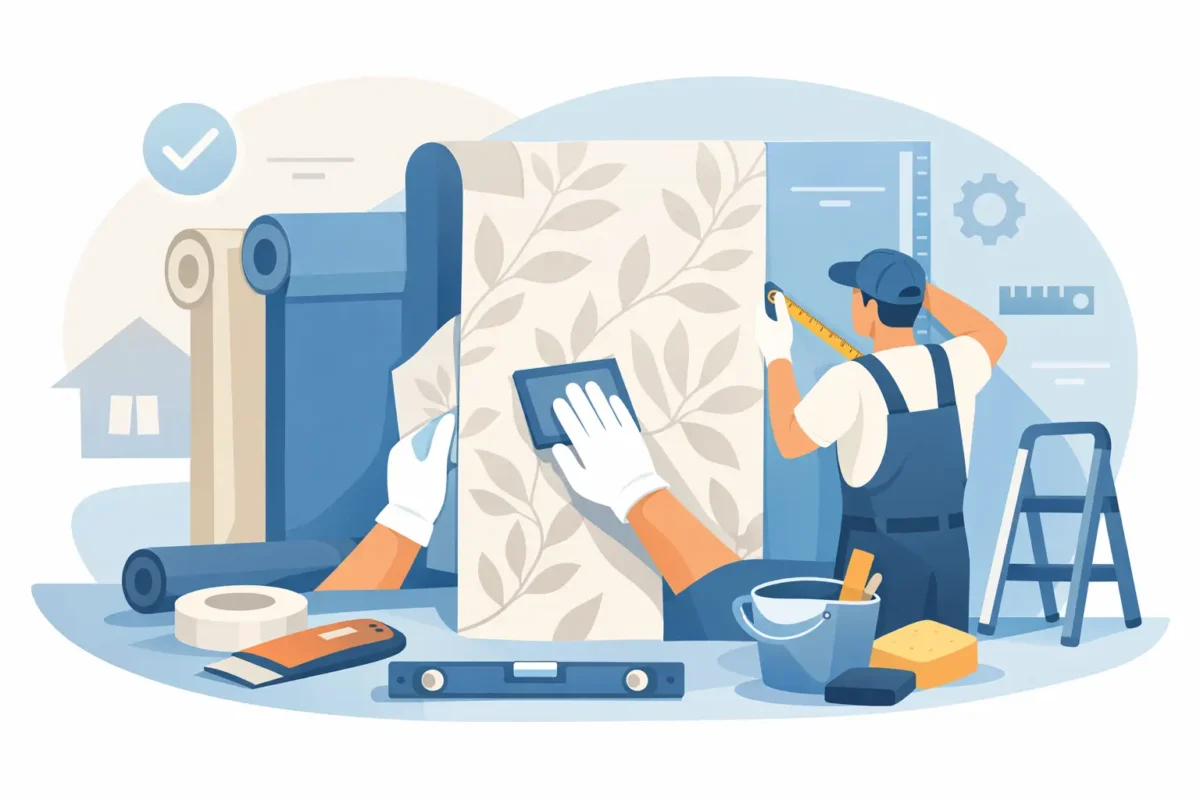
Professional installation is one of the smartest ways to protect your investment. Correct adhesive selection, accurate seam handling, careful trimming, and proper wall preparation all support a cleaner, longer-lasting result. This is especially important for premium European wallcoverings, Korean wallpaper, and custom-sized mural installations where finish quality is highly visible.
Routine care also matters. Dusting with a soft cloth, addressing marks early, and using cleaning methods appropriate to the material can preserve the surface without damaging it. Avoid over-wetting non-washable wallpapers, and be cautious with strong chemical cleaners unless the product is specifically rated for that level of maintenance.
Climate control helps more than many people realize. Stable indoor conditions reduce stress on both the wallpaper and the adhesive. Excess humidity, poor ventilation, and prolonged direct sun exposure all shorten the visual lifespan of wall finishes.
Often, yes – especially over time. Paint may seem simpler at first, but it tends to show scuffs, patch repairs, and uneven wear relatively quickly in busy environments. A quality wallcovering can offer greater surface resilience, richer texture, and a more refined finish for longer periods.
That said, durability depends on product grade. Low-quality wallpaper is not automatically better than premium paint, and not every wall needs the same solution. In design-led interiors, wallpaper stands out because it combines decorative depth with engineered performance when the right material is chosen.
For many homes and commercial projects, it is not a question of wallpaper versus paint in absolute terms. It is about using each finish where it performs best.
Professional installation does not change the material itself, but it does improve the outcome in ways that directly affect lifespan. Better adhesion, cleaner seams, more accurate pattern alignment, and proper substrate treatment all reduce the risk of premature failure.
In premium interiors, the finish is the product. A beautifully printed wallpaper deserves installation that protects its value. That is one reason clients working on hospitality, branded commercial, and high-end residential spaces often prefer an end-to-end partner rather than sourcing material and labor separately. At Decorating Depot, that alignment between product selection, technical guidance, and installation quality is part of what gives wallcoverings their staying power.
Wallpaper can last a decade or more, but the better question is whether it will still look exceptional in year five, year eight, or year twelve. When design, material, and execution are aligned, the answer is often yes – and that is where wallpaper becomes more than decoration. It becomes a long-term surface finish with real visual and functional value.