A lobby wall can photograph beautifully and still fail in six months. In hospitality, that gap between first impression and long-term performance is exactly why knowing how to choose hospitality wallpaper matters. The right wallcovering does more than set a mood – it supports guest experience, protects high-traffic interiors, and helps a property look polished day after day.
Hospitality wallpaper should never be selected on pattern alone. Hotels, serviced apartments, restaurants, lounges, and guest-facing commercial spaces all place different demands on their interiors. A dramatic feature wall in a boutique suite may be the right design move, but that same finish might not suit a busy corridor where luggage scrapes walls and housekeeping needs fast, frequent cleaning.
The best starting point is to define the function of each zone. Public areas need durability and consistency. Guest rooms need warmth and comfort. Dining spaces often call for stronger personality and visual identity. Spa, lounge, and reception settings may need a more refined, immersive finish. Once the purpose of the space is clear, design decisions become more precise and far more practical.
Wallpaper shapes atmosphere faster than almost any other surface. Texture can make a room feel richer. Soft neutrals can calm a space. Bold murals can create a memorable focal point. In hospitality, these choices affect how guests feel the moment they enter.
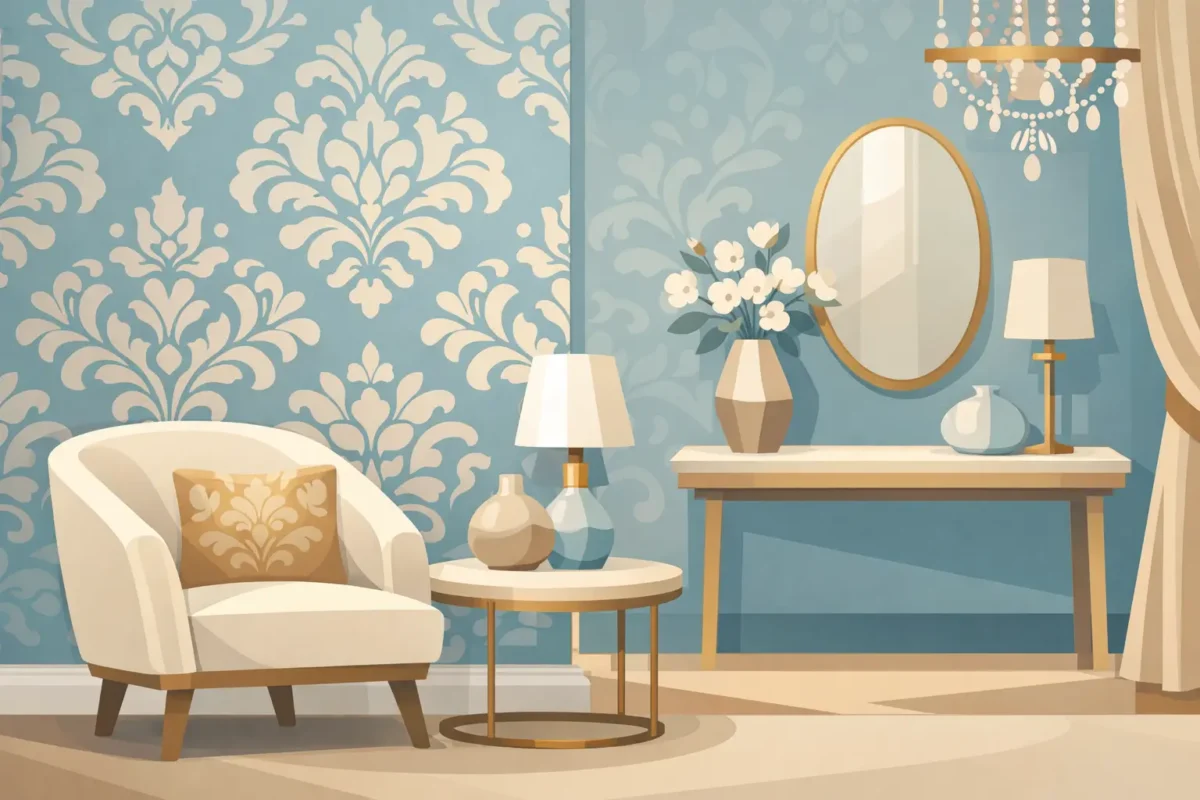
That said, mood should align with the brand. A luxury urban hotel may suit tailored textures, metallic accents, or understated European-inspired patterns. A family-friendly resort may benefit from lighter palettes, relaxed motifs, and finishes that feel fresh rather than formal. A restaurant may want stronger contrast and more visual energy, while a wellness setting often performs better with subtle movement and low-stress color.
Good wallpaper selection is not about choosing the most striking option in the showroom. It is about choosing the one that expresses the property clearly and still feels right after repeated guest turnover.
One of the biggest mistakes in hospitality projects is specifying decorative wallpaper where commercial-grade wallcovering is needed. Residential products can look impressive, but they are not always built for the wear of hospitality operations.
For high-contact areas, fabric-backed commercial wallpaper is often the stronger choice. It offers better durability, dimensional stability, and resistance to everyday impact. In elevators, hallways, reception walls, and other hard-working zones, that difference matters. A beautiful finish loses value quickly if it peels, dents, or stains too easily.
In lower-impact spaces, there may be more freedom to prioritize visual effect. Guest room feature walls, private lounges, or selected dining areas can sometimes accommodate more decorative surfaces, depending on maintenance expectations. The right answer depends on the specific location, cleaning routine, and occupancy pattern.
A hospitality interior has to look controlled even under constant use. That means housekeeping teams need finishes that can be cleaned without damage, and operators need surfaces that retain their appearance over time.
When comparing options, look closely at washability, stain resistance, and surface texture. Deeply textured finishes can add sophistication, but they may also trap dust or prove harder to maintain in certain settings. Matte surfaces can feel elegant, but some show marks more readily than others. In food and beverage spaces, ease of cleaning becomes even more important.
If a wallpaper requires special treatment to stay presentable, it may not be the right fit for a busy commercial environment. Performance is part of the design brief.
Many hospitality decisions stall at the visual stage: neutral or bold, textured or smooth, classic or contemporary. Those are useful questions, but they are only part of the specification.
Scale matters just as much. Large patterns can make a statement in a double-volume lobby, yet feel overwhelming in a compact guest room. Fine textures may add depth in intimate spaces, but disappear on expansive walls. Repetition also matters. A pattern that looks refined on a sample book may feel too busy when installed across a full corridor.
Lighting changes everything as well. Natural daylight, warm decorative lighting, and bright reception lighting all affect how wallpaper reads. Metallic finishes can elevate a wall in the right setting, but they may create glare in others. Dark tones can feel luxurious, though they may close in a space that lacks depth or daylight. Sampling on site is not a luxury step. It is how costly design misjudgments are avoided.
In hospitality design, wallpaper can help organize the property visually. A signature mural at reception creates arrival impact. A quieter texture in corridors supports flow. Guest rooms can carry a softer, more restful palette, while suites may justify a more expressive finish.
This layered approach creates distinction without visual chaos. Not every wall needs to compete. In fact, the most refined hospitality interiors often balance one or two statement moments with calmer supporting surfaces.
Custom print wallpaper can be especially effective when a property wants a branded or location-specific identity. Used well, it can turn walls into part of the experience rather than simple background. The key is restraint. Custom does not automatically mean louder. Often the most premium result is tailored, site-specific, and carefully scaled.
A hospitality wallpaper specification should always account for more than appearance and maintenance. Commercial interiors may require fire-rated or fire-retardant properties, depending on the project type and local code requirements. This is not an afterthought. It should be part of early material review.
Environmental considerations also carry weight, particularly for premium projects that value healthier interior standards. Low-odor materials and eco-friendly ink systems can improve the installation experience and support better indoor comfort for both staff and guests.
For developers, architects, and operators, this is where supplier expertise becomes critical. A wallcovering partner should be able to guide not just design selection, but material suitability, technical specifications, and installation planning. Hospitality projects move faster and face more scrutiny than many residential jobs. There is less room for guesswork.
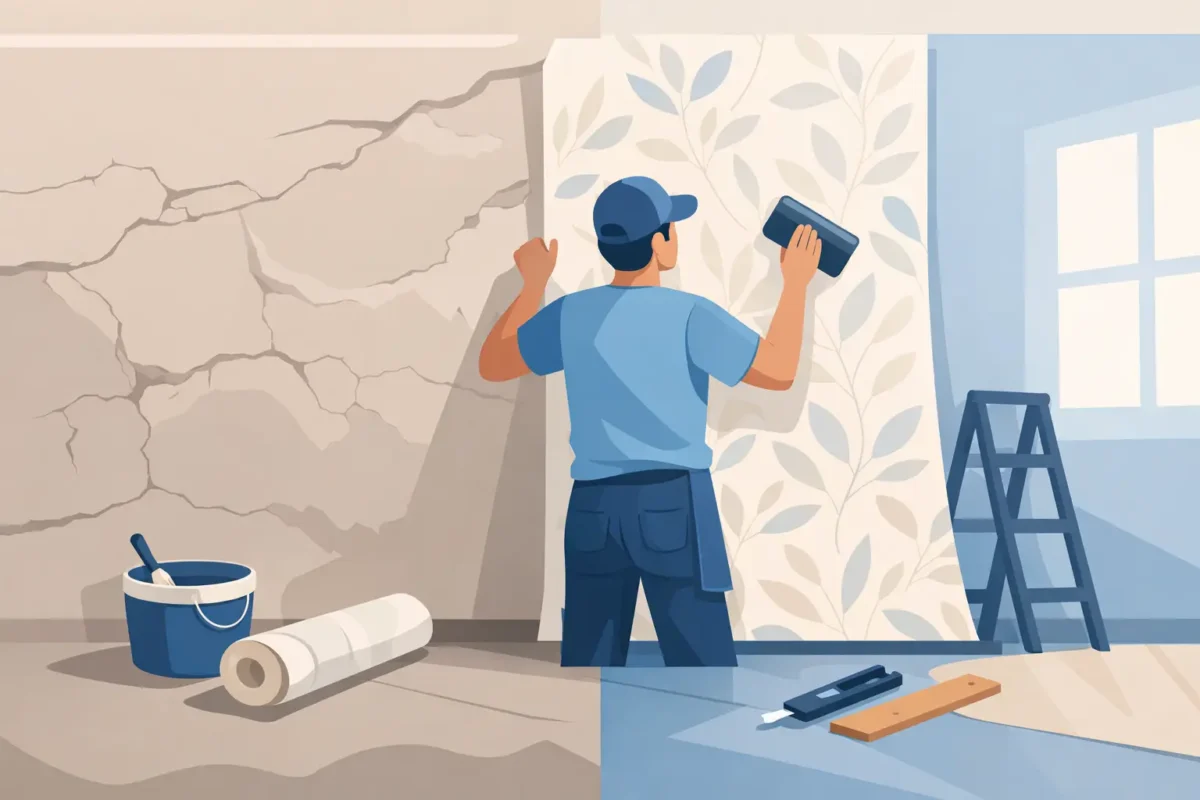
Even exceptional wallpaper can fail if the surface is poorly prepared or the installation is rushed. Seams, alignment, edge lifting, bubbling, and pattern mismatch are immediately visible in hospitality settings, especially in premium interiors where guests notice details.
That is why professional installation should be treated as part of the wallcovering package, not a separate afterthought. Complex patterns, custom murals, and large-format applications demand accuracy. So do high-profile spaces where lighting reveals every imperfection.
Wall condition matters too. Uneven substrates, moisture issues, and uncorrected surface defects can shorten the life of the finish. A proper site assessment often saves more money than choosing a cheaper product. In hospitality, replacement costs are not limited to materials. They include downtime, disruption, and damage to presentation.
Budget always matters, but lowest initial cost rarely equals best value. A less expensive wallpaper that needs early replacement, intensive maintenance, or repeated touch-ups can become the more costly choice over time.
A better approach is to weigh visual impact against expected service life. In a premium lobby, a durable statement finish may justify higher spend because it carries the brand daily and absorbs heavy use. In a lower-traffic area, a more modest specification may be perfectly sensible. Good hospitality design is not about overspending everywhere. It is about investing where performance and visibility are highest.
For many projects, this means mixing specifications across the property. Commercial-grade wallcoverings in circulation areas, more decorative finishes in selected private spaces, and custom elements where identity matters most. That balance tends to produce stronger results than treating every wall the same.
The strongest hospitality interiors are rarely built from isolated product choices. They come from coordinated decisions across design, operations, maintenance, and installation. Wallpaper should work with flooring, lighting, furniture, brand identity, and the pace of the property itself.
This is why broad selection matters. A project may need European-inspired elegance in one zone, high-durability fabric-backed wallcovering in another, and custom mural capability for a signature feature. A supplier with range and technical depth can help align those needs into one coherent result. For complex commercial spaces, that full-project view often delivers a better finish than sourcing purely on style.
Decorating Depot approaches wallcovering this way – as both a design statement and a performance surface. For hospitality operators and design teams, that combination is what turns a beautiful concept into a space that keeps working.
Choose wallpaper the way guests will experience it: first with their eyes, then over time through comfort, cleanliness, and consistency. The best selection is not the one that shouts the loudest, but the one that still looks right long after opening night.