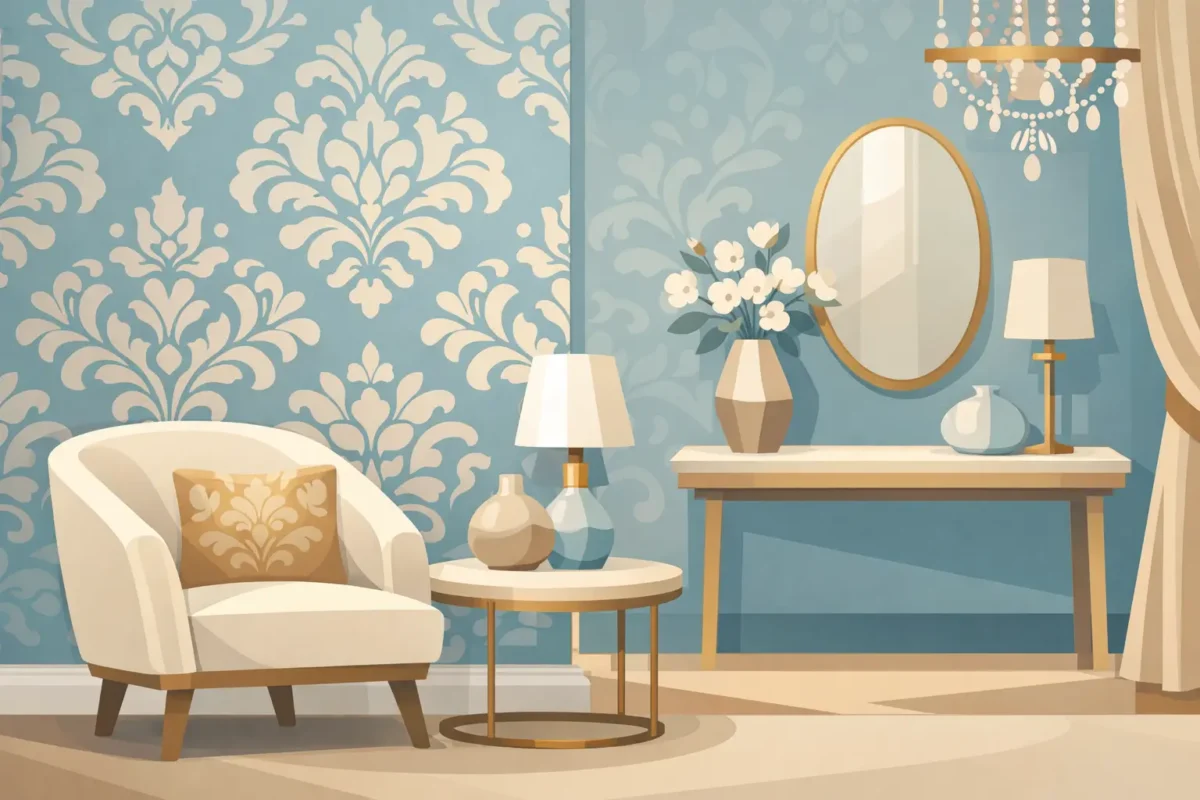
Some walls are meant to disappear. Others are meant to set the tone the moment you enter the room. Peacock & indian art wallpaper belongs firmly in the second category, bringing color, movement, and cultural richness into interiors that need more than a neutral backdrop.
For homeowners, designers, and project teams, this style offers something rare: strong visual identity with real design flexibility. It can feel regal, handcrafted, contemporary, or hospitality-driven depending on scale, finish, and placement. When selected well, it does not read as busy or overly traditional. It reads as intentional.
Peacock motifs have long been associated with beauty, grace, and ornamental detail, while Indian art brings a depth of pattern language that few design traditions can match. Think floral vines, miniature-inspired detailing, Mughal influences, block-print rhythm, jewel-toned palettes, and layered symmetry. When these elements are translated into wallcoverings, the result is decorative but grounded.
That matters in real projects. A statement wall should do more than photograph well. It should shape the atmosphere of a room, support the interior concept, and hold up visually over time. Peacock and Indian art designs tend to achieve that because they combine recognizable motifs with intricate structure. They feel expressive, yet they are not random.
This is also a category with range. Some patterns lean heavily ornamental, with feathers, arches, and metallic detailing suited to formal living rooms, boutique hotels, or high-end reception areas. Others are softer and more contemporary, using simplified bird silhouettes, muted earthy tones, or mural-style compositions that work beautifully in bedrooms, lounges, or refined retail settings.
The strongest applications usually start with clarity. Is the wallpaper meant to be a focal point, a brand statement, or a mood-setting surface? The answer shapes everything from pattern density to material specification.
In residential interiors, peacock & indian art wallpaper often performs best in living rooms, dining spaces, entryways, and master bedrooms. These are areas where visual impact is welcome and where the wall can be appreciated from a comfortable distance. A richly detailed design behind a bed or sofa creates a finished, custom look without requiring excessive styling elsewhere.
In hospitality, this category is especially effective. Restaurants, lounges, hotel corridors, suites, and reception spaces benefit from decorative surfaces that feel memorable and place-specific. A peacock motif can suggest luxury and theatricality, while Indian-inspired artwork can add narrative and cultural depth. For guest-facing environments, that balance is valuable. It helps create experience, not just decoration.
Commercial use depends more on execution. In an office, showroom, spa, or premium retail environment, the wallpaper should align with the brand atmosphere rather than overpower it. A heavily saturated mural may be perfect for a boutique fitting room or feature lobby, while a more restrained repeat pattern may suit meeting rooms or waiting areas better.
Color determines whether the wallpaper feels classic, dramatic, or updated. The same peacock-inspired pattern can shift significantly depending on its palette.
Deep teal, emerald, navy, burgundy, and gold create a luxurious, high-contrast effect. These combinations suit formal interiors and spaces with strong lighting control. They are often ideal for feature walls where depth and richness are the priority.
Softer palettes such as sage, sand, dusty blue, blush, and warm ivory offer a lighter interpretation. These tones preserve the decorative quality of the artwork while making it easier to integrate into contemporary homes. They are especially useful when clients want personality without a heavily opulent result.
There is also a practical side to color selection. Darker wallpapers can conceal minor marks better in high-touch settings, but they may require balanced lighting to avoid making a room feel enclosed. Lighter backgrounds open the space visually, though highly intricate detailing may need a larger wall to read properly. It depends on room size, ceiling height, and how much natural light the space receives.
One of the most common mistakes with decorative wallpaper is choosing the right style in the wrong scale. A detailed peacock feather pattern that looks stunning in a sample book can become visually cramped on a small accent panel. On the other hand, an expansive mural with oversized birds and botanical elements may lose its drama if broken up by too many doors, switches, or built-ins.
Large-scale artwork works best on uninterrupted walls where the composition can breathe. It suits foyers, headboard walls, dining rooms, and hospitality feature zones. Medium-scale repeats offer more flexibility and are often easier to use across multiple wall sections. Small-scale patterns can be elegant, but they need careful coordination with furniture, drapery, and flooring to avoid visual noise.
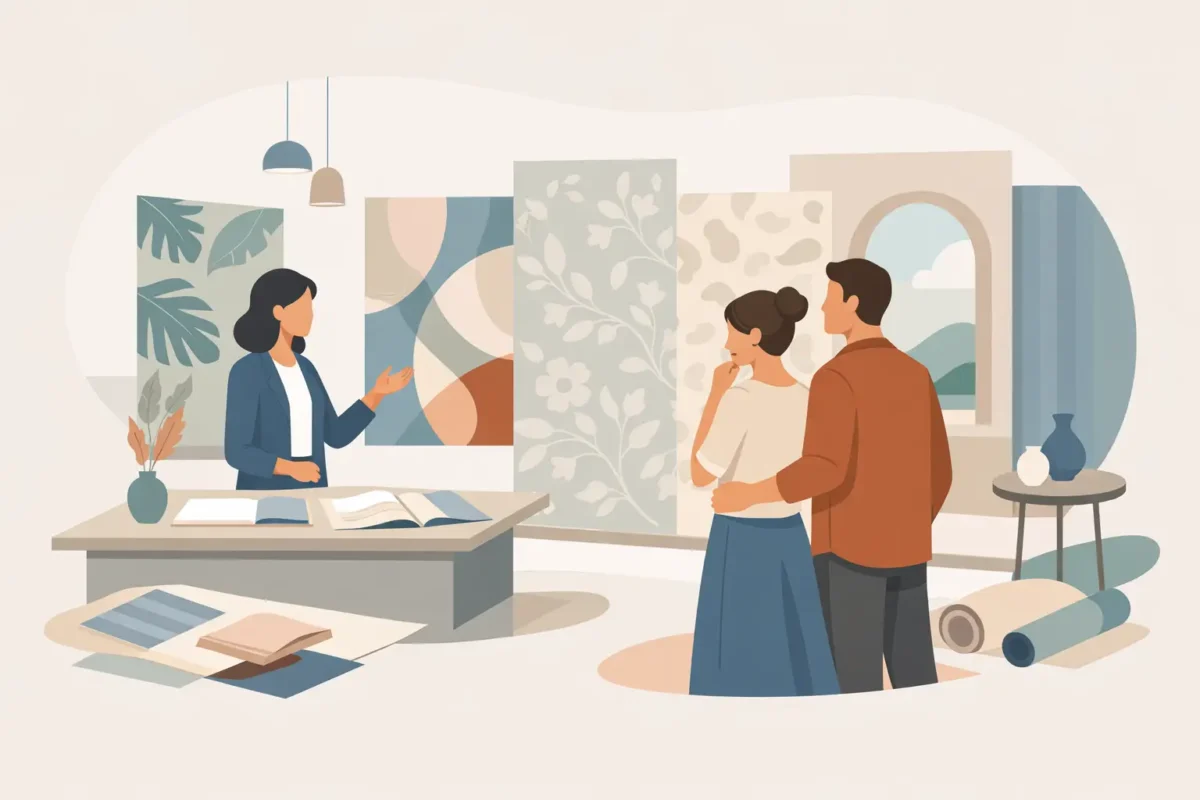
This is where design consultation becomes valuable. The wallpaper itself may be beautiful, but proportions decide whether the final result feels curated or crowded.
A design-led wallcovering still needs to perform. That is especially true in commercial and hospitality projects, where maintenance, durability, and installation quality are not optional.
For private residences, the right specification depends on the room. Bedrooms and formal living areas can accommodate more decorative finishes, including textured surfaces or custom mural applications. In higher-use areas, clients often prefer materials that are easier to clean and more resistant to daily wear.
For hotels, offices, retail stores, and other commercial settings, project-grade wallcoverings bring clear advantages. Fabric-backed options, fire-retardant properties, stronger dimensional stability, and better long-term durability make a real difference once the space is in use. Easy maintenance also matters. A beautiful wall loses value quickly if it cannot be cleaned or repaired efficiently.
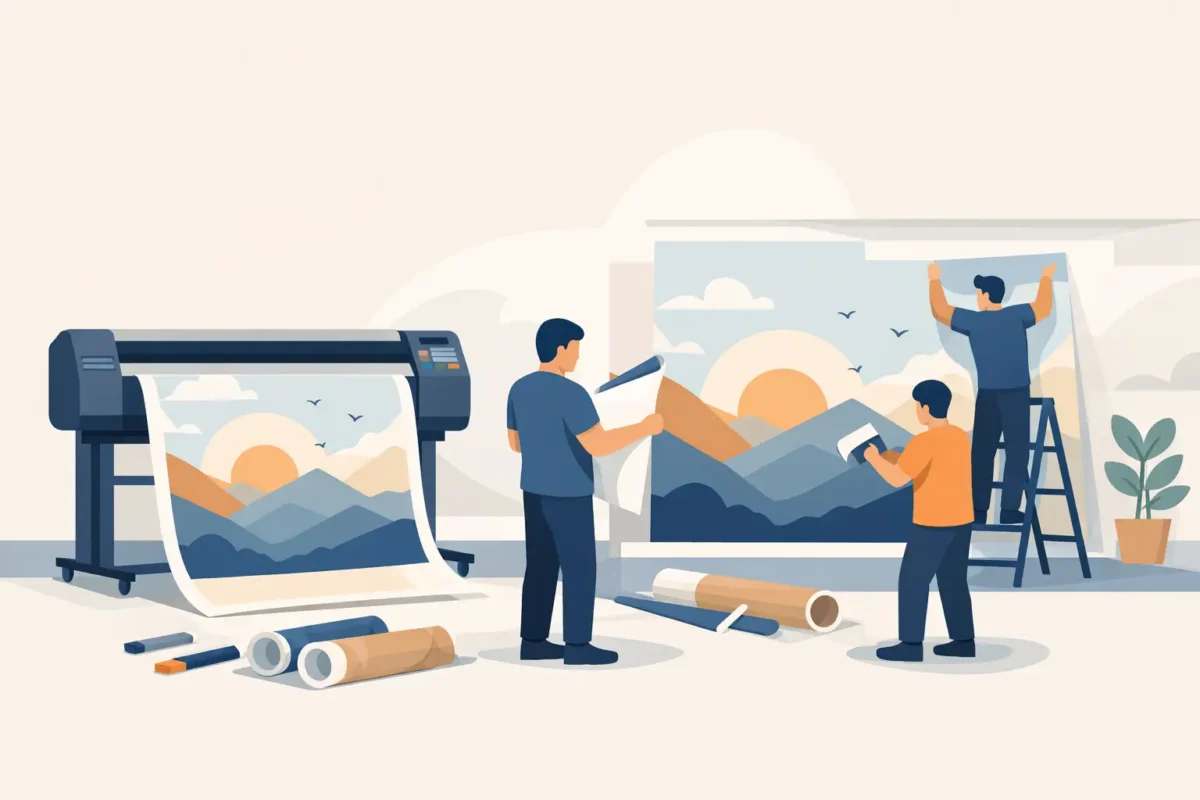
Custom print wallpaper adds another layer of flexibility. It allows designers and property teams to tailor scale, color, and wall dimensions more precisely, which is especially useful when working around brand palettes, architectural constraints, or unique concept themes. With advanced printing technology and proper installation, a custom design can achieve the richness of bespoke artwork with the reliability required for real-world projects.
The wallpaper should lead, and the rest of the room should support it. That does not mean everything else must be plain. It means the surrounding materials need discipline.
Natural wood, brushed brass, marble, velvet, linen, and matte painted surfaces pair well with this category because they echo its sense of depth and richness without competing too hard. Upholstery in solid or lightly textured fabrics tends to work better than additional busy prints. When patterns are layered, they should vary in scale and stay within a controlled palette.
Furniture silhouettes also matter. Clean-lined contemporary pieces can modernize an ornate wall, while carved or classic furniture will emphasize its heritage character. Neither approach is wrong. The better choice depends on whether the project is aiming for contrast or continuity.
Lighting should never be an afterthought. Peacock and Indian art motifs often include intricate details, tonal shifts, and metallic accents that need proper illumination to register. Wall washers, side lamps, and warm ambient lighting help reveal texture and color depth. Poor lighting flattens the design.
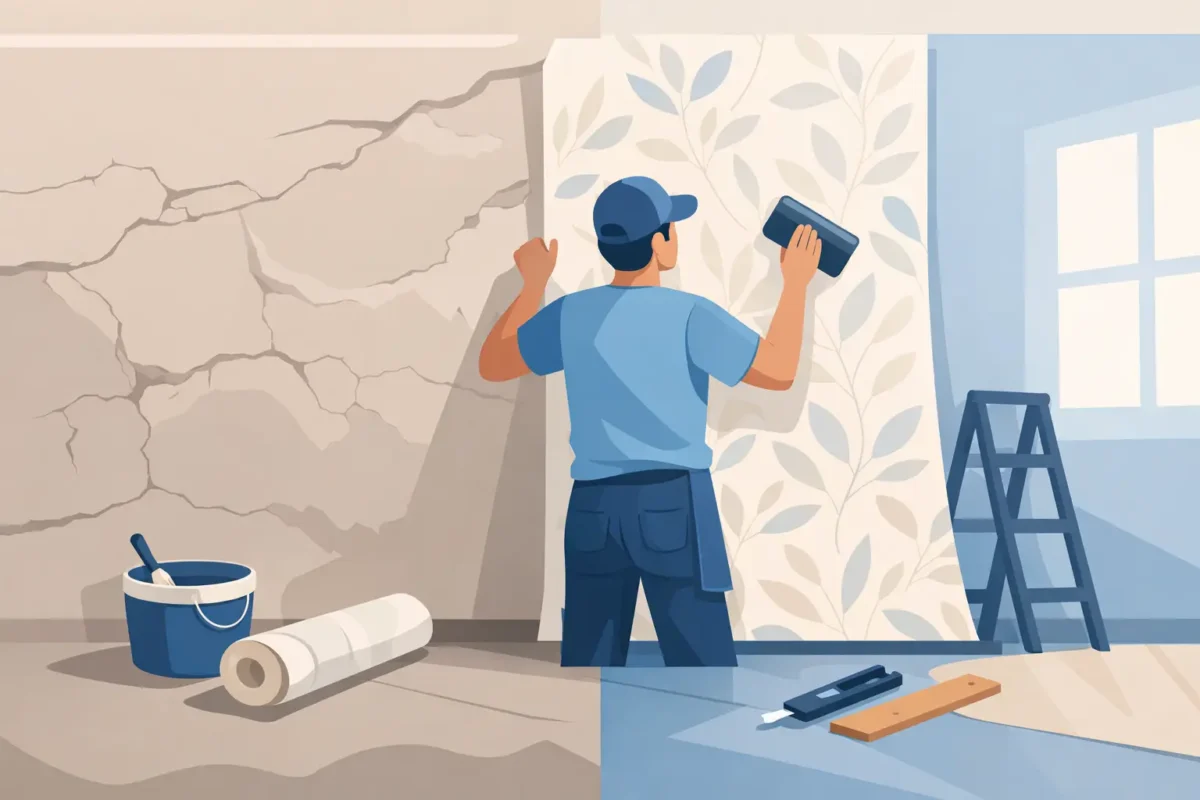
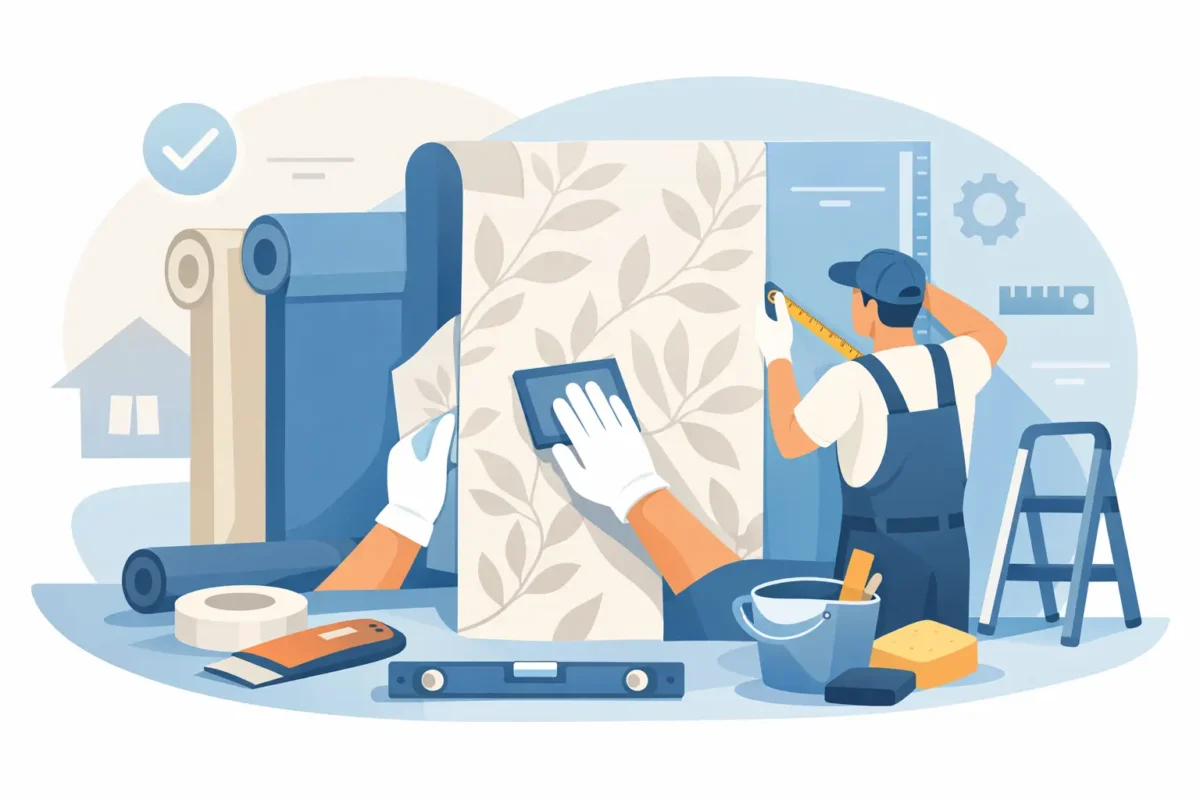
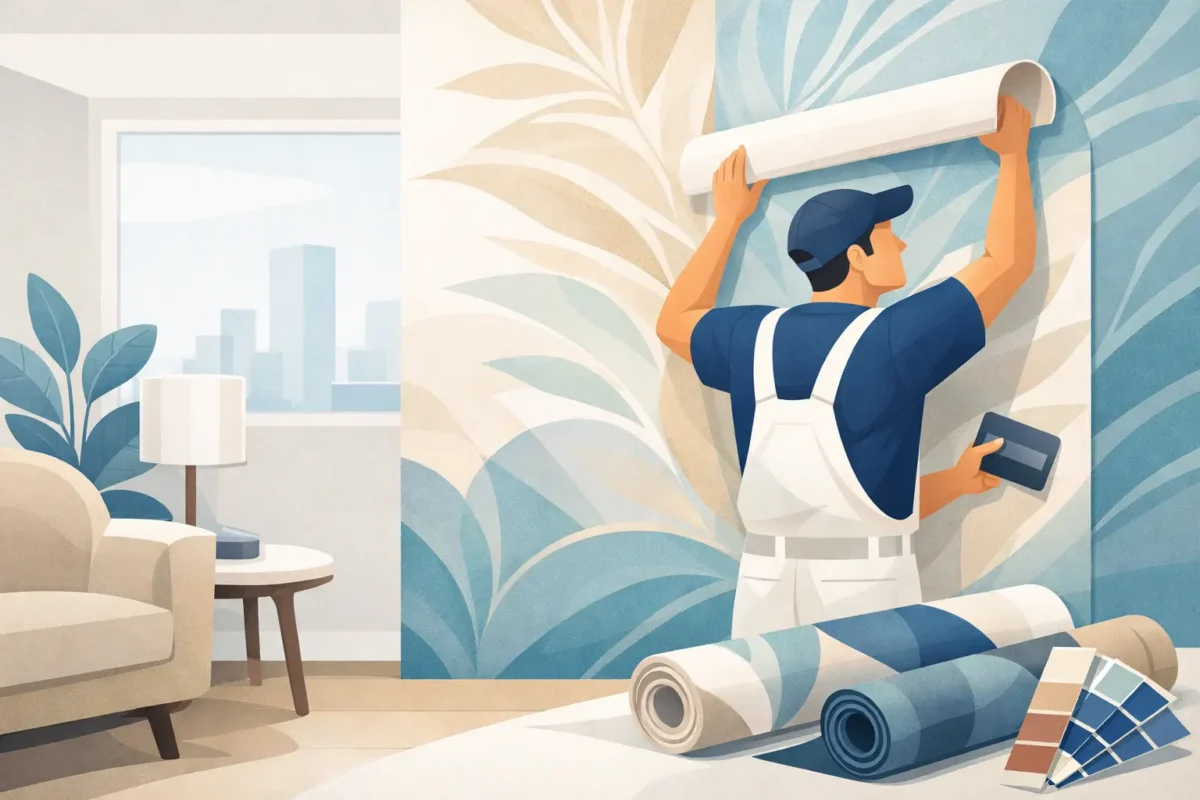
High-impact wallpaper leaves little room for poor workmanship. Pattern alignment, substrate preparation, edge finishing, and layout planning all affect the final appearance. This is even more critical with murals or highly detailed repeats, where a minor misalignment can disrupt the entire composition.
A professional process usually begins with accurate site measurement, material selection based on use case, and visual planning for panel placement. In custom applications, file quality, color control, and print consistency are equally important. These technical details sit behind the beauty of the finished wall, but they are exactly what make the difference between a premium result and a costly compromise.
For clients managing larger projects, working with a supplier that can support design selection, custom sizing, material specification, and installation under one roof reduces risk. It also helps maintain consistency across guest rooms, common areas, branded spaces, or multi-unit residential developments. That full-service capability is where experienced specialists such as Decorating Depot bring practical value to a design-driven concept.
Trends come and go, but some decorative languages stay relevant because they are rooted in craft, symbolism, and strong visual composition. Peacock & indian art wallpaper has that staying power. It can be dramatic without feeling short-lived, and artistic without losing its commercial usefulness.
The best results come from treating it as both a design statement and a surface solution. Get the scale right, specify the right material, and install it with precision, and the wall does more than fill space. It gives the room identity that lasts.